Date:2026-06-19
Several years ago, a technician was assigned to perform a routine switching operation inside a low-voltage distribution room.
The task itself was not particularly complicated.
The procedure had been performed many times before.
The equipment was operating normally.
Yet during the switching sequence, one breaker was nearly closed while another source was still connected.
Nothing happened because the situation was caught in time.
The event lasted only a few seconds.
What attracted attention afterward was not the mistake itself, but how easily it could have happened.
Electrical systems often appear straightforward when viewed on a single-line diagram. Real operating environments are different. Maintenance activities, production pressure, shift changes, and human factors all influence how equipment is operated.
This is one reason discussions about acb electrical interlocking usually focus on operational reliability rather than the interlock mechanism alone.
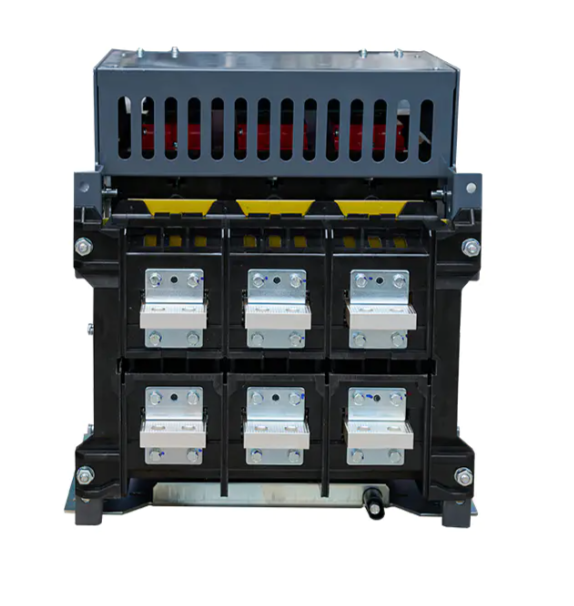
The Risk Often Appears During Normal Work
Many people associate electrical incidents with equipment failure.
In practice, operational errors can create equally challenging situations.
A switching sequence may be performed out of order.
A breaker may be operated before another device reaches the required position.
An emergency situation may encourage faster decision-making than normal procedures allow.
None of these scenarios necessarily involve defective equipment.
They involve otherwise capable people working in conditions where attention is divided between multiple tasks.
Experienced engineers understand that procedures help reduce risk, but procedures alone cannot eliminate every mistake.
For this reason, distribution systems frequently include additional layers of protection designed to prevent certain actions from occurring simultaneously.
An acb electrical interlocking arrangement is often part of that strategy.
What Looks Obvious On Paper Can Become Complicated On Site
Electrical drawings are clean.
Equipment rooms rarely are.
A facility that has operated for ten years may contain modifications, additional feeders, equipment upgrades, and temporary changes that were not part of the original design.
New personnel join the maintenance team.
Operating responsibilities change.
Production schedules become more demanding.
Under these conditions, even experienced technicians benefit from systems that help guide switching operations.
Many electrical engineers have encountered situations where a switching sequence seemed perfectly clear during planning but became much less obvious during actual maintenance work.
That difference between theory and practice explains why acb electrical interlocking systems continue to receive attention in industrial and commercial power distribution projects.
Human Attention Is Not Constant
One reality of industrial operation is that people do not perform every task under identical conditions.
A technician working during a scheduled outage may have time to verify every step carefully.
The same technician responding to an unexpected electrical issue at the end of a long shift faces a different situation.
Fatigue, interruptions, environmental conditions, and time pressure all influence decision-making.
This does not indicate poor training.
It reflects normal human behavior.
Many reliability strategies within power systems are based on recognizing this reality rather than ignoring it.
As a result, engineers often design systems that reduce dependence on perfect human performance during every operation.
An acb electrical interlocking system contributes to this approach by helping prevent operating sequences that could create unsafe or undesirable conditions.
Why Maintenance Teams Appreciate Interlocking Systems
Interestingly, maintenance personnel often value interlocking systems for reasons that extend beyond safety discussions.
Troubleshooting becomes easier when equipment operates within predictable conditions.
Operating procedures become more consistent across different shifts.
Training new personnel becomes simpler because certain actions are physically or electrically restricted.
Over time, these benefits influence daily operation more frequently than emergency situations do.
The goal is not to replace operator judgment.
The goal is to create a system where the likelihood of an incorrect switching sequence is reduced before it develops into a larger problem.
An acb electrical interlocking arrangement may occupy only a small part of a switchgear system, but its influence extends throughout the operation of the facility. As electrical systems grow more complex and maintenance teams manage increasing amounts of equipment, preventing simple mistakes often becomes just as valuable as responding effectively to major faults.
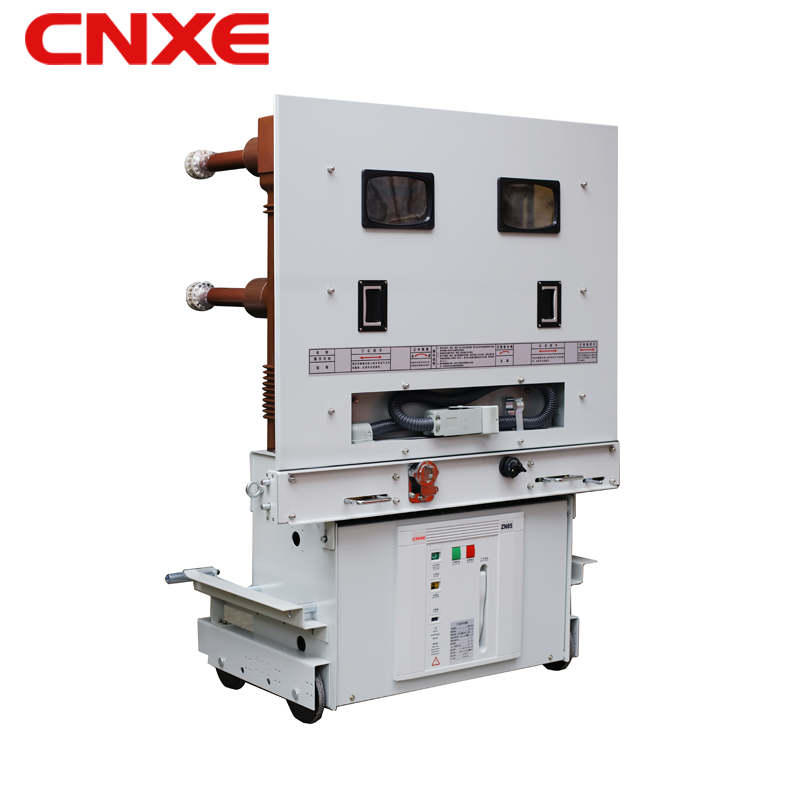
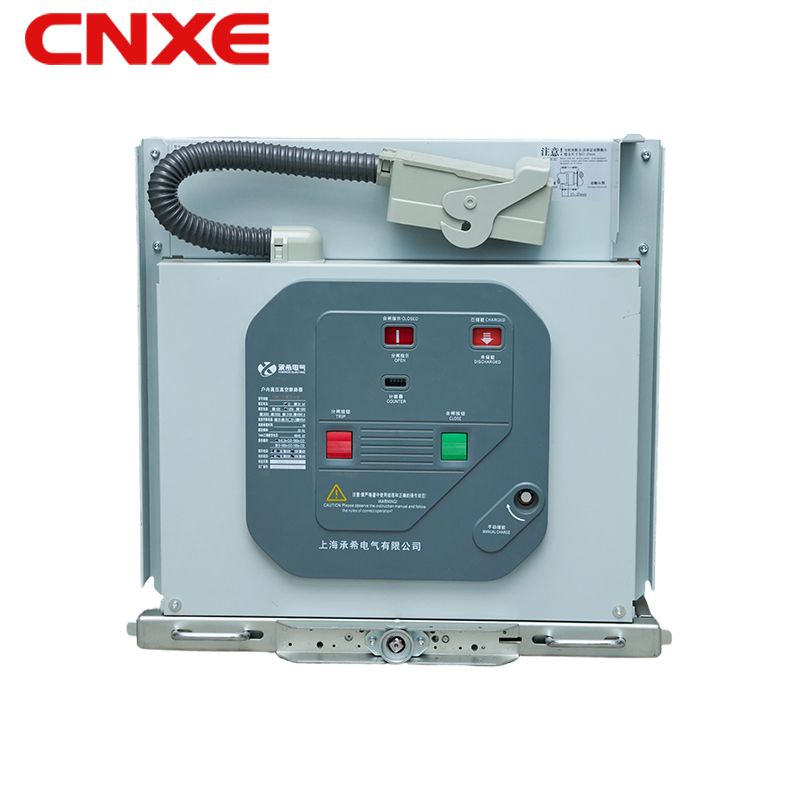
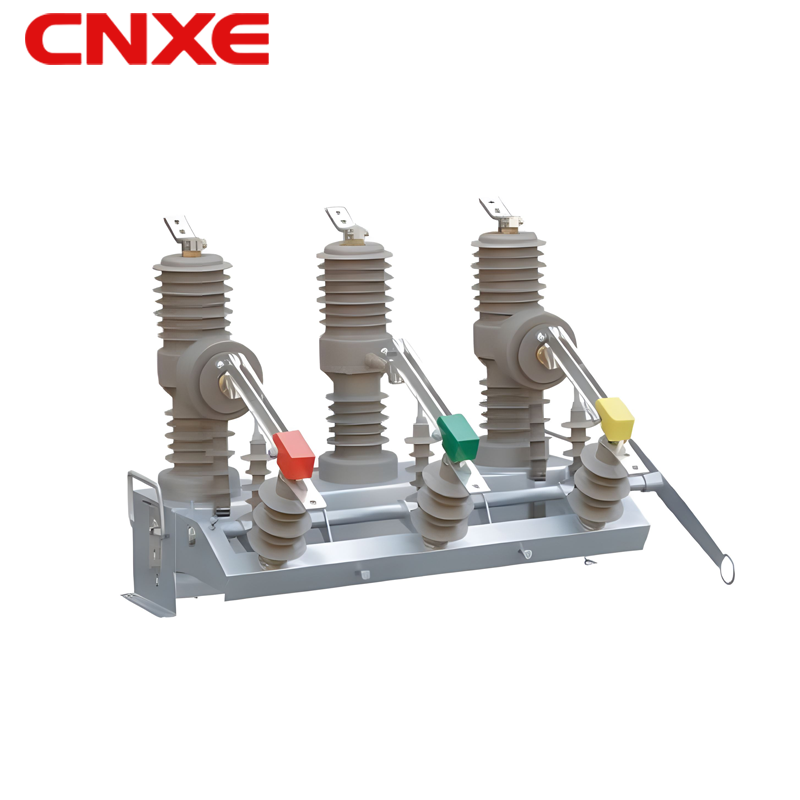
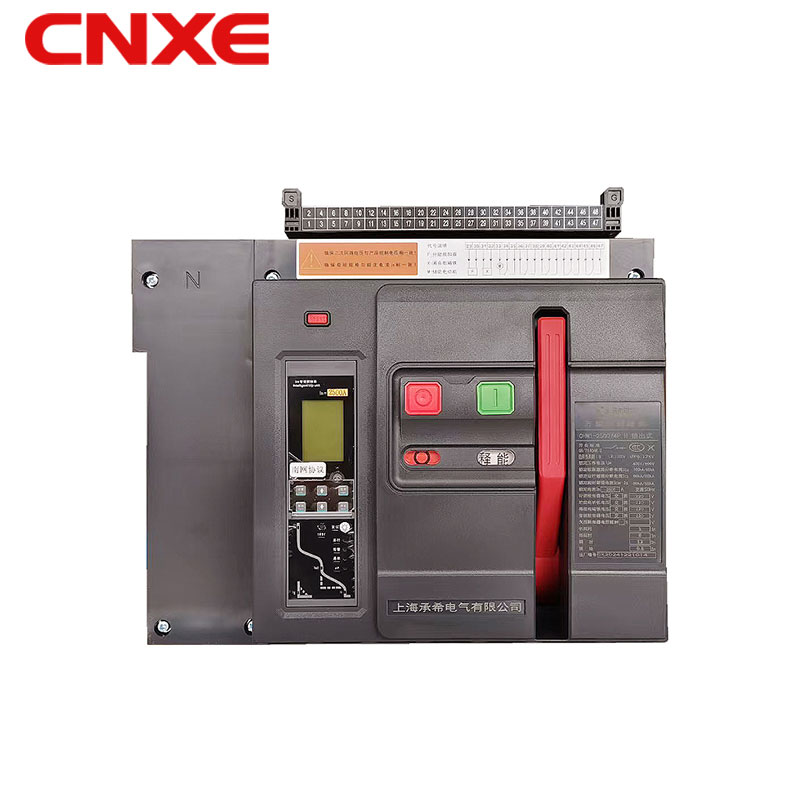
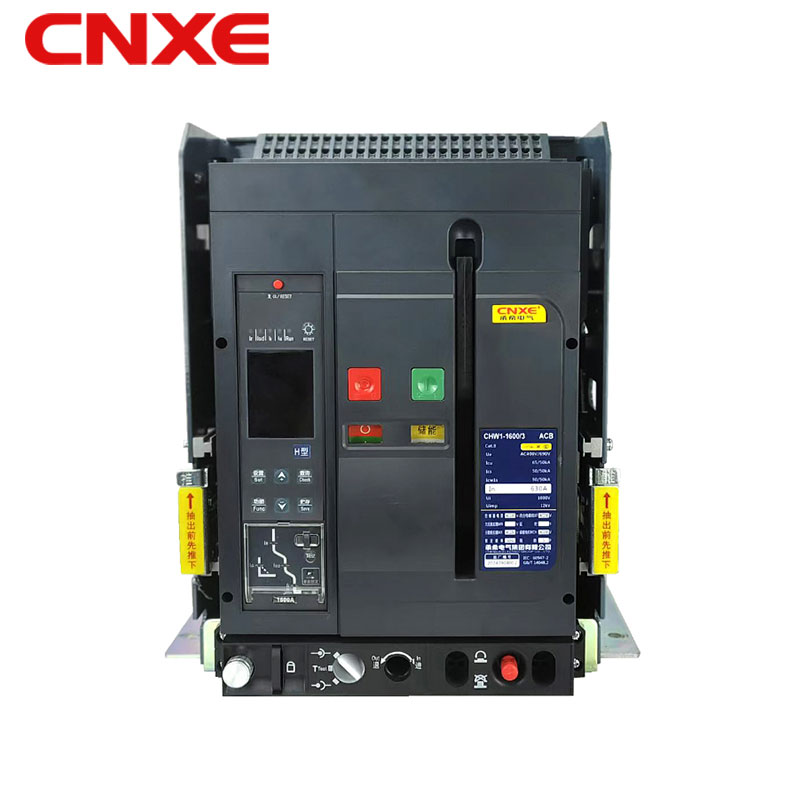
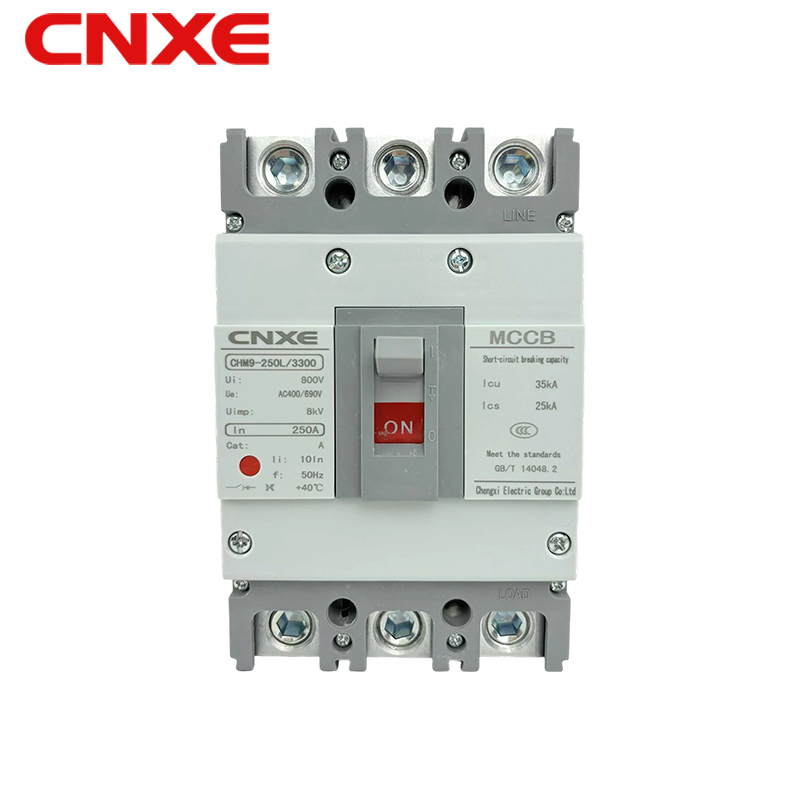
 The company is committed to providing high-quality electrical products and excellent customer service. We not only supply exquisite, top-tier products to meet your needs but also back them with a sincere and comprehensive after-sales service guarantee.
Contact Us
 +86-18067486879
 [email protected]
 281 Wei 15th Road, Yueqing Economic Development Zone, Zhejiang, China
Copyright © Chengxi Electric Group Co., Ltd. All Rights
Reserved

High Voltage Transformer & Electrical Circuit Breaker Factory




 English
  Français
  中文简体
中文简体  русский
  Español
  عربى
عربى