Date:2026-07-17
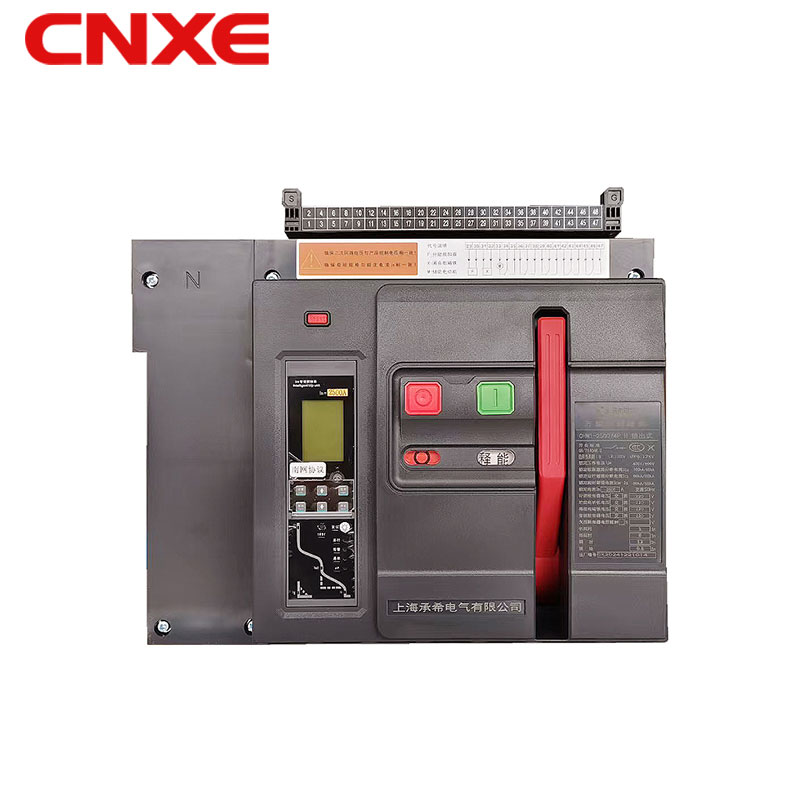
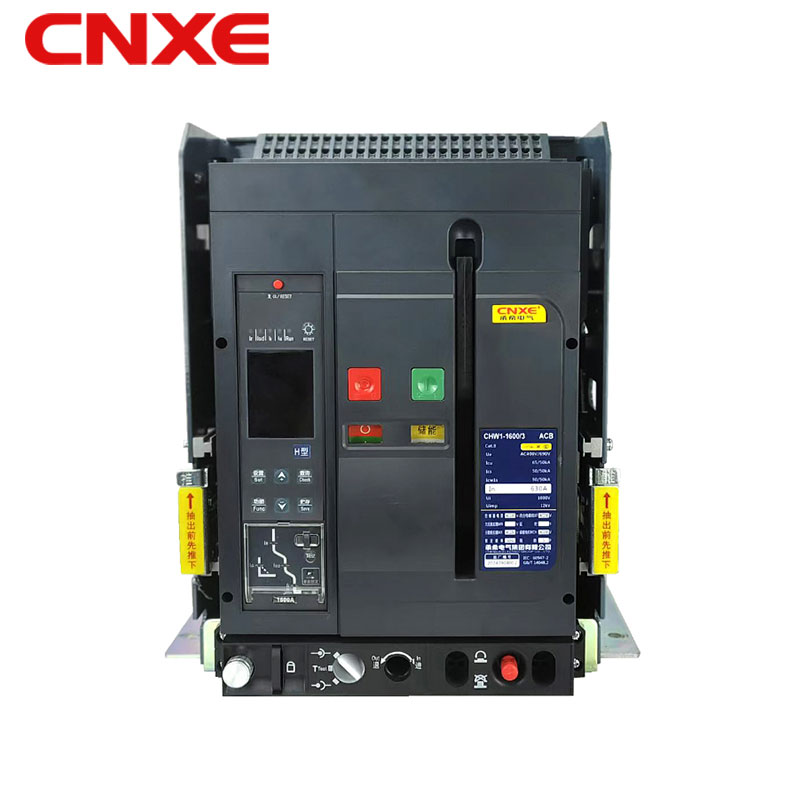
Switchgear specification decisions vary considerably depending on what kind of electrical infrastructure a facility operates, and identifying where ACB electrical interlocking becomes a genuine operational requirement, rather than an optional safety enhancement, depends heavily on how many power sources converge within a given distribution system.
Data center operators managing continuous uptime requirements frequently deploy ACB electrical interlocking across their incoming service switchgear, since these facilities typically maintain two independent utility feeds specifically to survive a single-source failure without interrupting server operations. Where within this configuration does interlocking carry the highest consequence if it fails? The bus tie-breaker position matters most, since improper closing sequence here risks paralleling two utility feeds that were never synchronized, potentially damaging both the switchgear and connected server infrastructure that the redundant feed arrangement was meant to protect in the first place.
Do backup generator systems introduce additional interlocking requirements beyond the dual utility configuration? Standby generator integration adds a third source into the equation, and facilities running generator backup alongside dual utility feeds typically extend ACB electrical interlocking across all three source combinations, ensuring that automatic transfer sequences during a utility outage cannot inadvertently create a parallel condition between generator output and a returning utility feed before proper synchronization has been confirmed.
Healthcare facilities represent another sector where air circuit breaker interlocking becomes a defined requirement rather than a discretionary design choice, given how life safety and critical care equipment depend on uninterrupted power. Where does regulatory guidance influence switchgear design most directly in this sector? Emergency power system codes typically specify transfer sequence requirements between normal and emergency sources, and ACB electrical interlocking provides the physical or electrical enforcement mechanism that keeps automatic transfer switching compliant with those code requirements during an actual power interruption event.
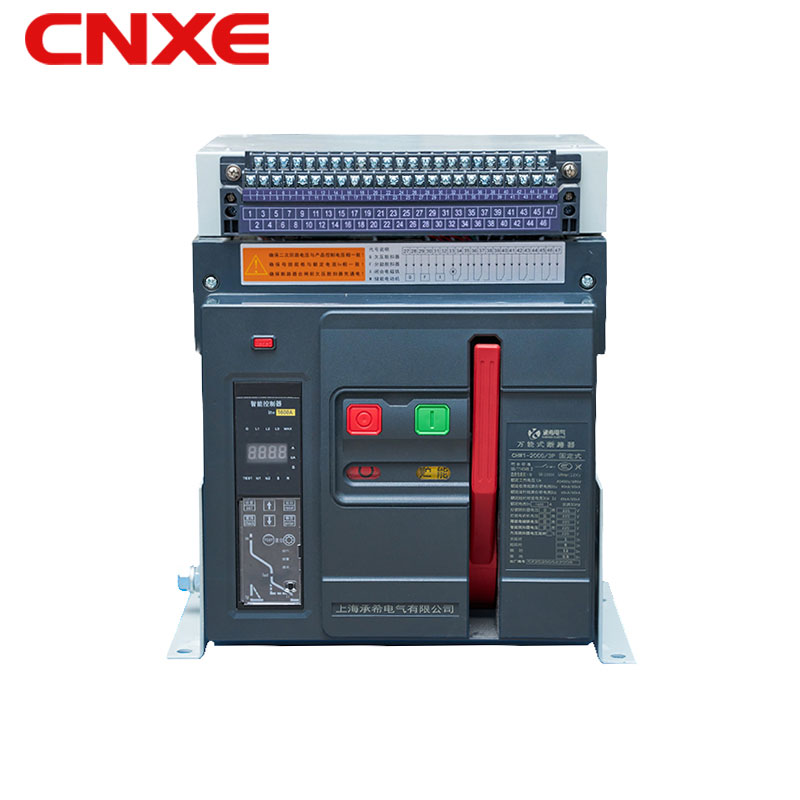
Industrial facilities operating on-site cogeneration alongside a utility connection depend on interlocking to manage the more complex synchronization challenge that comes with parallel generation. Where does this application differ from a simple backup generator arrangement? Cogeneration systems often run continuously in parallel with utility power rather than switching between sources during an outage, which requires ACB electrical interlocking to work alongside synchronizing equipment continuously rather than only during discrete transfer events, adding an ongoing verification layer rather than a one-time switching sequence.
Telecommunication switching centers, similar in some respects to data centers, maintain redundant power architecture to protect network uptime across a regional service area. Which specific breaker arrangement typically receives the closest interlock scrutiny in these facilities? Battery backup and rectifier system integration alongside utility feeds creates multiple potential source combinations, and a switchgear protection scheme covering this arrangement needs to account for DC and AC source interaction in addition to the more familiar AC-to-AC parallel prevention that dominates most other interlocking discussions.
Vessels and offshore platforms running multiple generators to meet total electrical load present a somewhat different interlocking challenge, since these systems frequently need generators paralleled together intentionally, unlike the strict prevention model common in land-based facilities. Where does ACB electrical interlocking function differently in this context? Rather than blocking all parallel operation outright, marine interlocking schemes typically permit controlled paralleling once synchronization conditions are verified, then prevent additional breaker operations that would disrupt an already-synchronized generator set, reflecting the reality that vessel power systems depend on multiple sources working together rather than remaining strictly isolated from one another.
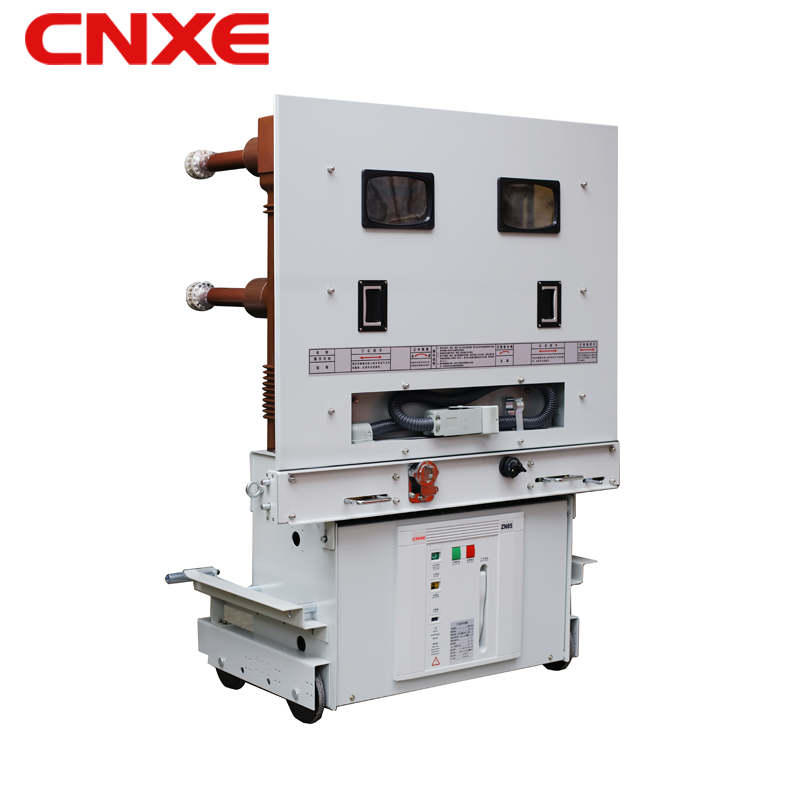
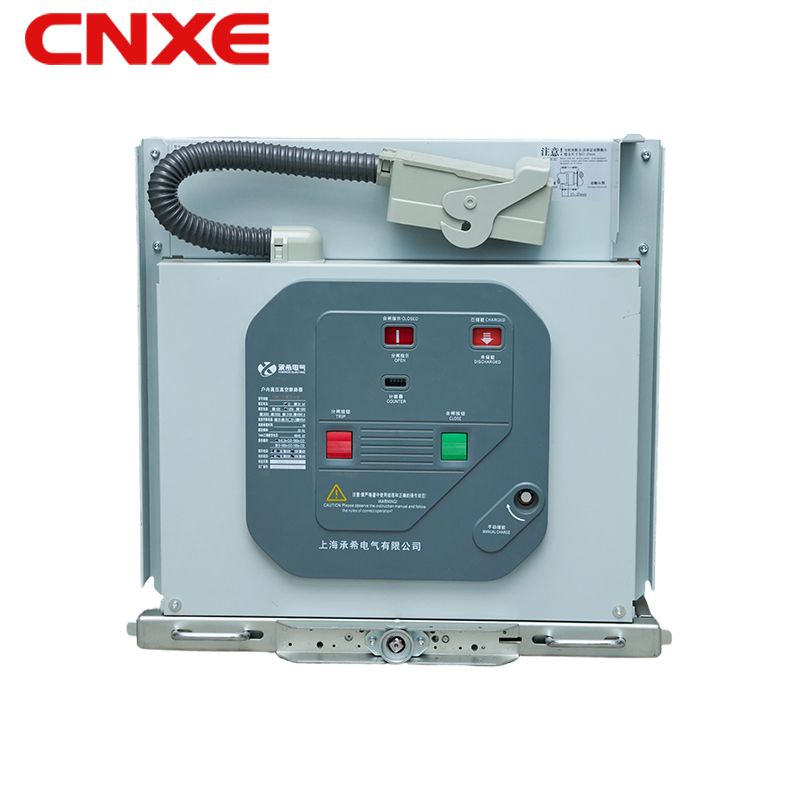
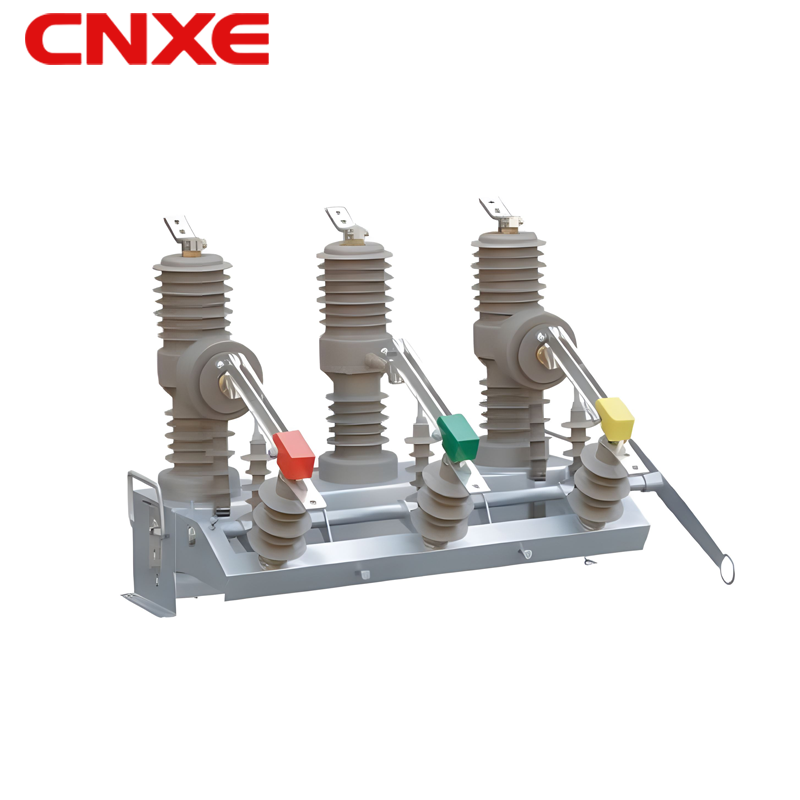
 The company is committed to providing high-quality electrical products and excellent customer service. We not only supply exquisite, top-tier products to meet your needs but also back them with a sincere and comprehensive after-sales service guarantee.
Contact Us
 +86-18067486879
 [email protected]
 281 Wei 15th Road, Yueqing Economic Development Zone, Zhejiang, China
Copyright © Chengxi Electric Group Co., Ltd. All Rights
Reserved

High Voltage Transformer & Electrical Circuit Breaker Factory




 English
  Français
  中文简体
中文简体  русский
  Español
  عربى
عربى