Date:2026-07-24
A high and low voltage isolation switch looks like a compact electrical component, but its manufacturing process involves multiple steps related to material selection, mechanical assembly, and performance testing. For electrical equipment suppliers, producing this type of switch requires attention to details that may influence operation after installation.
Unlike ordinary mechanical products, electrical switching equipment needs to consider both physical movement and electrical performance. The cooperation between internal components determines whether the final product can meet different application requirements.
The contact system is one of the key parts inside an isolation switch.
During operation, contacts need to complete connection and separation actions repeatedly.
The contact material.
The surface condition.
The contact position.
These factors influence the switching process.
For a high and low voltage isolation switch, manufacturers need to control processing accuracy during contact component production.
Small differences in size or surface condition may affect the matching between parts.
Because of this, contact components usually require careful inspection before moving to the next production stage.
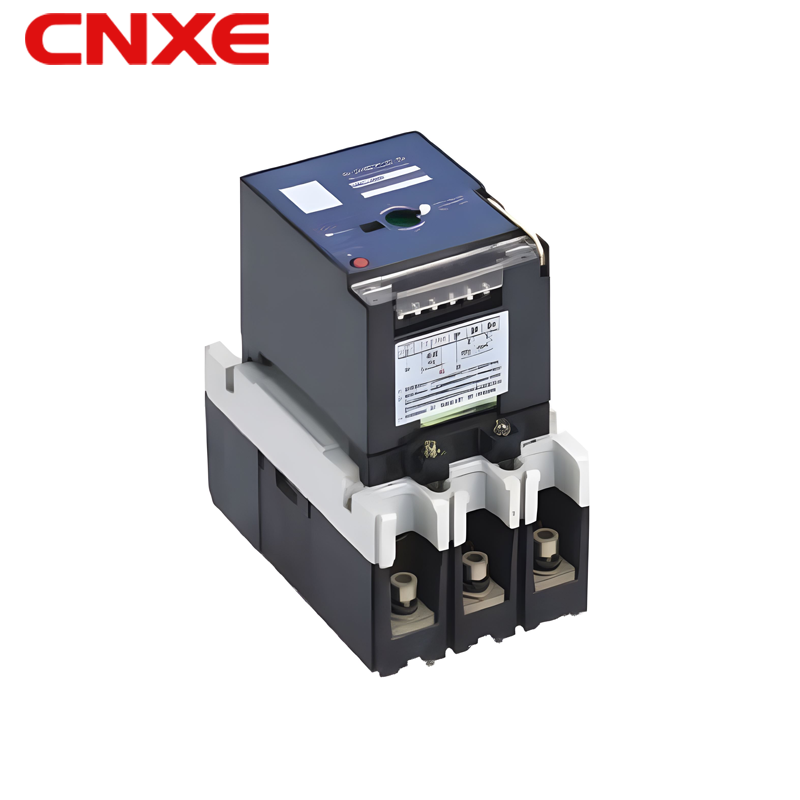
Electrical isolation depends not only on the switching mechanism but also on insulation design.
Insulating materials are used around conductive parts to create suitable separation between different electrical sections.
During production, manufacturers consider:
insulation material selection
component positioning
structural spacing
finished assembly condition
These details are connected with the working environment of the equipment.
For different voltage applications, insulation requirements may vary. This means the structure of a high and low voltage isolation switch needs to match the electrical conditions of the intended application.
The production of an isolation switch involves several components working together.
The operating mechanism controls movement.
The supporting structure maintains stability.
The contact system completes switching actions.
The insulation parts provide separation.
Each component has its own function, but the final product depends on how these parts cooperate.
During assembly, production teams need to check component positioning and mechanical movement to maintain consistency between different units.
This stage requires experience because electrical equipment performance often depends on the relationship between multiple small parts.
Testing is an important part of electrical equipment manufacturing.
Before shipment, manufacturers usually check different aspects of the finished product.
Mechanical operation.
Electrical performance.
Insulation condition.
Component connection.
For a high and low voltage isolation switch, testing helps identify possible issues before the equipment enters an actual power system.
The testing process also provides production feedback. If a problem appears during inspection, manufacturers can review earlier production steps and make adjustments.
Electrical equipment production requires repeated experience.
Different orders may involve different specifications.
Different projects may have different application conditions.
Over time, manufacturers collect information from production and installation feedback.
This experience helps improve process control.
For a high and low voltage isolation switch, consistency is not created by one single production step. It comes from cooperation between material control, processing accuracy, assembly methods, and inspection procedures.
The design of an isolation switch needs to consider the environment where the product will operate.
A design that works well on paper also needs to be suitable for manufacturing.
The selected materials need to be available for processing.
The structure needs to support assembly.
The components need to work correctly after production.
This connection between design and manufacturing influences the final product.
The production of a high and low voltage isolation switch reflects the relationship between engineering design and manufacturing control.
Behind each finished switch are multiple steps involving material preparation, component processing, assembly adjustment, and performance testing.
Although the product has a relatively simple external appearance, its internal structure requires careful attention.
For electrical equipment manufacturers, improving production processes and maintaining consistent manufacturing standards remain important parts of creating suitable solutions for power distribution applications.
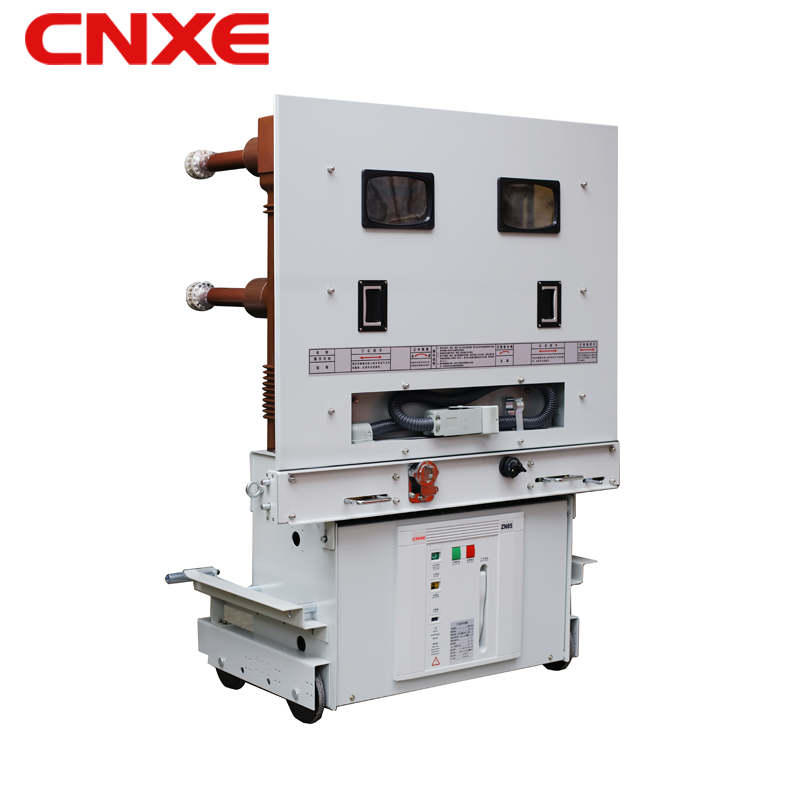
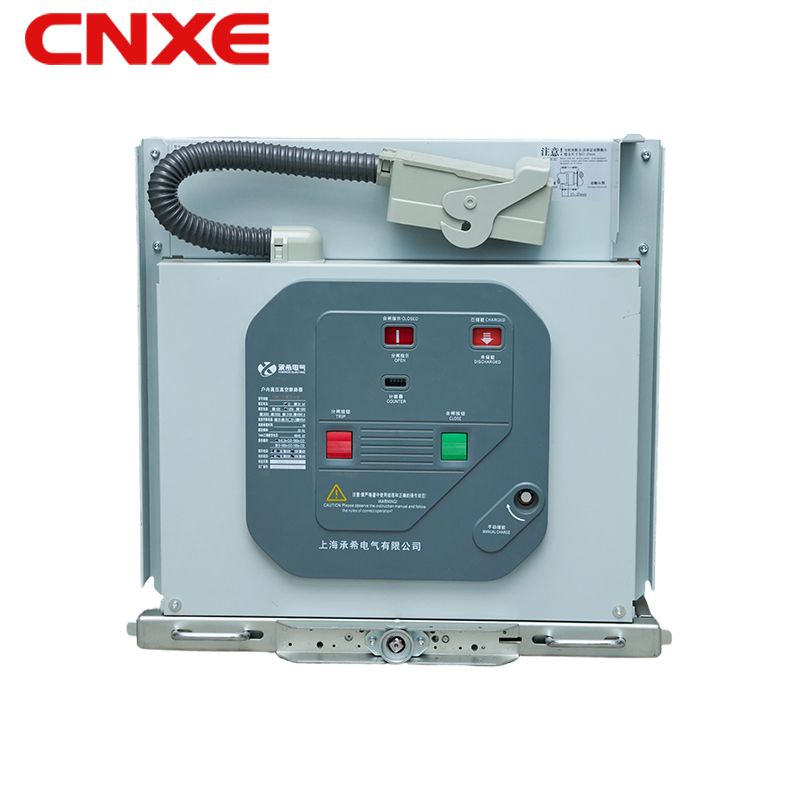
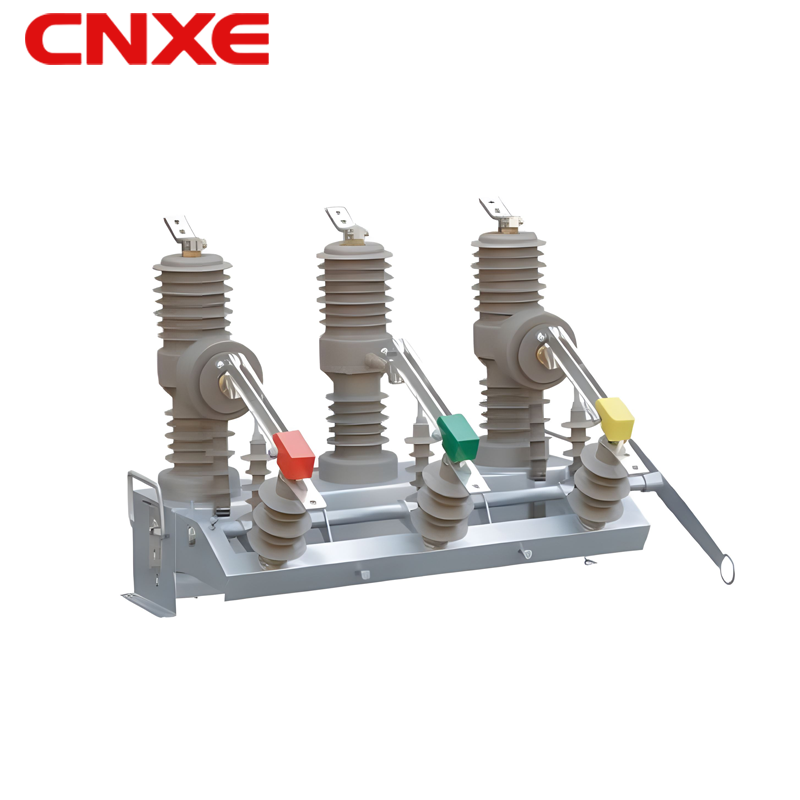
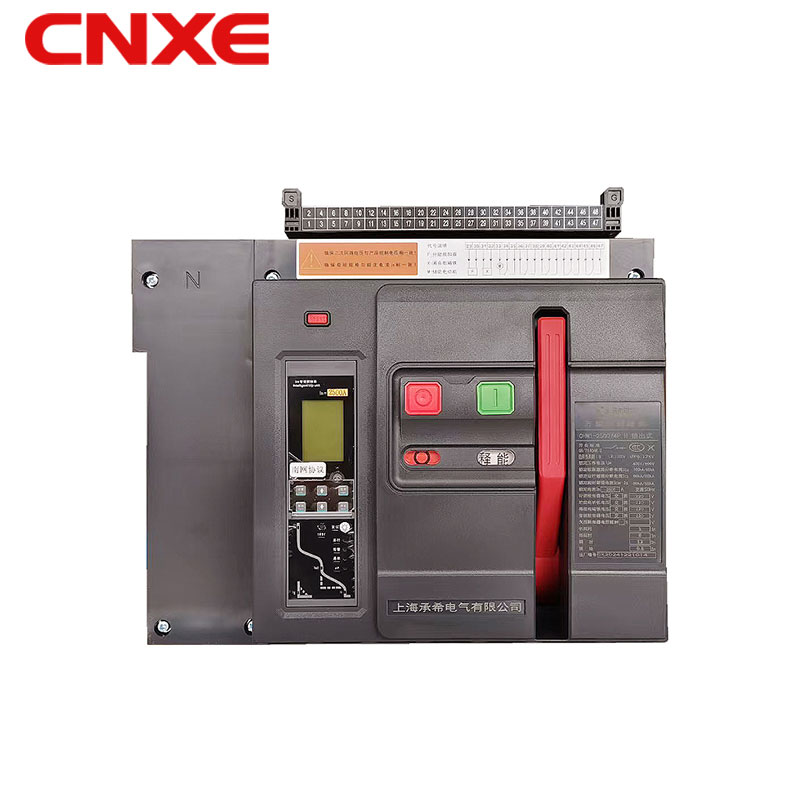
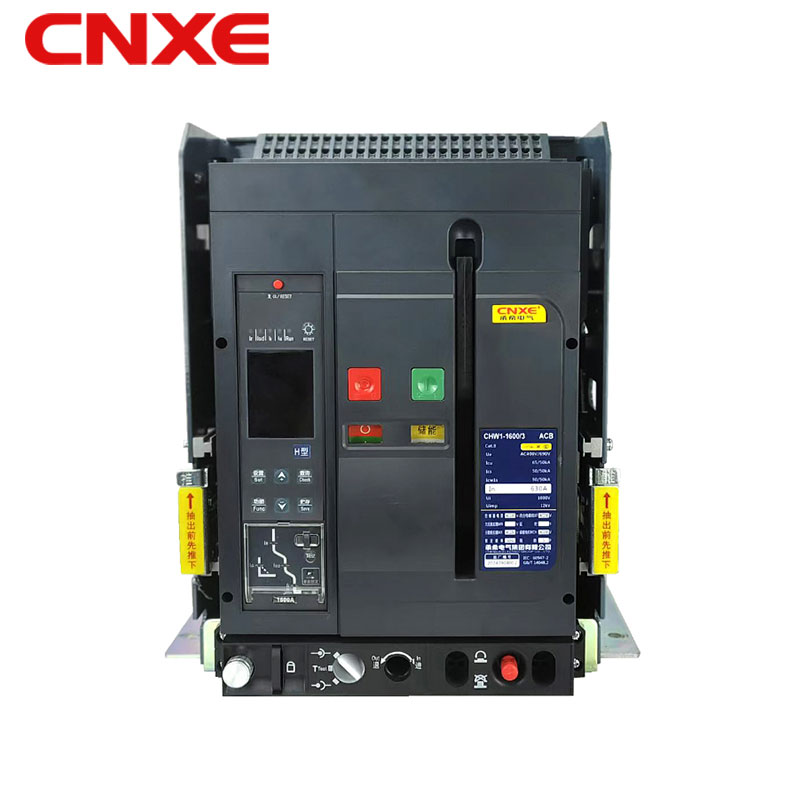
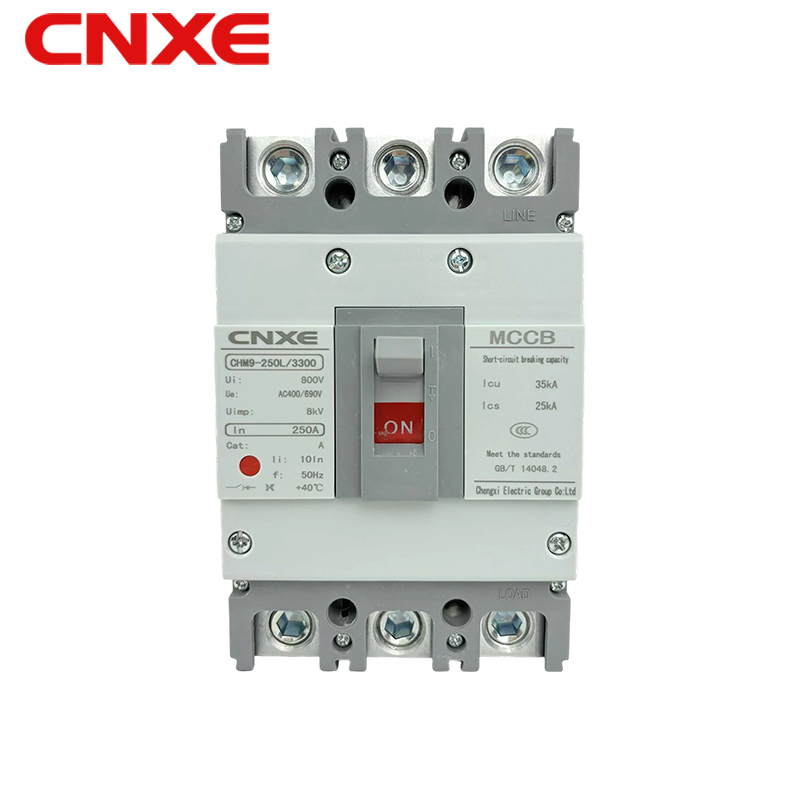
 The company is committed to providing high-quality electrical products and excellent customer service. We not only supply exquisite, top-tier products to meet your needs but also back them with a sincere and comprehensive after-sales service guarantee.
Contact Us
 +86-18067486879
 [email protected]
 281 Wei 15th Road, Yueqing Economic Development Zone, Zhejiang, China
Copyright © Chengxi Electric Group Co., Ltd. All Rights
Reserved

High Voltage Transformer & Electrical Circuit Breaker Factory




 English
  Français
  中文简体
中文简体  русский
  Español
  عربى
عربى