Date:2026-06-12
Several years ago, a maintenance engineer responsible for a medium-sized industrial substation noticed something unusual while reviewing service records.
Some switchgear panels seemed to attract regular maintenance attention. Others operated for long periods with little intervention beyond routine inspection.
The load conditions were similar.
The operating environment was similar.
The personnel responsible for maintenance were the same.
Yet the maintenance history looked very different.
When engineers investigate reliability inside power distribution systems, they often focus on large transformers, protection relays, or control systems. However, the switching equipment itself frequently tells an equally important story.
This is one reason discussions about high-voltage vacuum circuit breakers often extend beyond interruption capacity and electrical ratings. In many installations, long-term operating behavior becomes just as important as performance during a fault event.
Switching Events Leave A History Behind
Every switching operation creates physical and electrical stress.
The effect may be small.
One operation rarely attracts attention.
Thousands of operations over several years create a different picture.
Traditional switching devices often experience contact wear as electrical arcs form during interruption. Engineers have spent decades looking for ways to reduce the impact of those arcs because maintenance requirements frequently increase as contact surfaces deteriorate.
Substation personnel know this process well.
Equipment may continue operating normally while internal wear slowly accumulates.
The challenge is that the wear is not always visible from outside the enclosure.
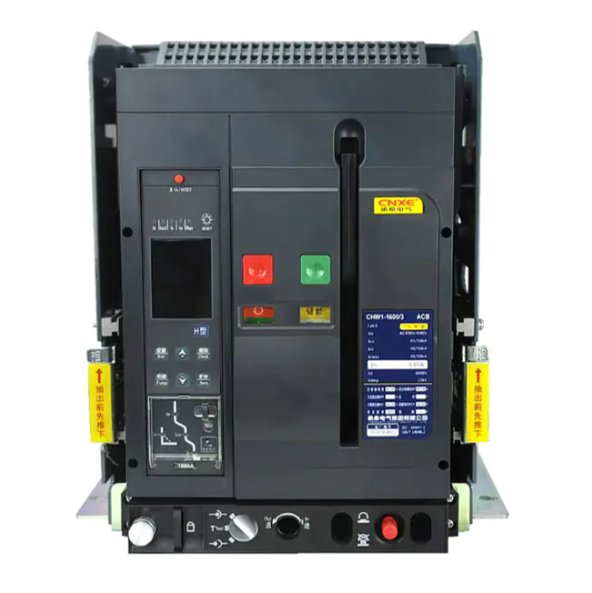
For this reason, many facilities pay close attention to switching technologies that can help reduce long-term contact degradation.
A high-voltage vacuum circuit breaker is often discussed in this context because the interruption process takes place inside a sealed vacuum interrupter rather than an air-filled chamber.
The Real World Rarely Matches The Test Laboratory
Electrical equipment data sheets present carefully controlled conditions.
Actual operating environments are rarely that predictable.
A breaker installed near a manufacturing plant experiences different conditions from one located in a utility substation. Dust levels vary. Ambient temperatures change throughout the year. Switching frequency differs between applications.
Even equipment with identical specifications can develop very different maintenance histories depending on where it operates.
Experienced engineers often learn this lesson quickly.
Two sites may purchase the same equipment during the same project. Five years later, inspection records can tell two completely different stories.
This is why maintenance planning usually relies on actual operating conditions rather than theoretical service intervals alone.
When discussing high-voltage vacuum circuit breakers, engineers frequently evaluate not only fault-clearing capability but also how the equipment behaves after years of switching activity.
Downtime Usually Costs More Than Components
Electrical equipment failures rarely arrive at convenient times.
A planned outage can be scheduled.
An unexpected outage often affects production, staffing, and maintenance resources simultaneously.
For many industrial facilities, the largest cost is not necessarily replacing a component. The larger expense comes from interrupted operations.
Maintenance teams understand this reality.
A device that requires frequent inspection may still perform its intended function, but the operational impact extends beyond the equipment itself.
Technicians must be available.
Shutdown windows must be arranged.
Production schedules may need adjustment.
As a result, engineers increasingly evaluate equipment from a lifecycle perspective rather than focusing only on initial purchase considerations.
A high-voltage vacuum circuit breaker is frequently selected in applications where operators want switching equipment that can remain in service for extended periods while maintaining predictable performance.
What Engineers Often Look For During Inspection
Interestingly, experienced inspectors rarely begin with complex testing.
They often start by looking for patterns.
Has maintenance frequency changed?
Are operating counts increasing?
Have environmental conditions shifted?
Has the switching duty changed since installation?
These questions frequently reveal more than a single inspection result.
Power systems evolve over time. Additional loads are added. Production facilities expand. Operating schedules change. Equipment installed years earlier may be working under conditions that nobody anticipated during commissioning.
This is why inspection records remain valuable long after installation.
A high-voltage vacuum circuit breaker may occupy only one position inside a switchgear lineup, but its operating history often reflects broader changes occurring throughout the electrical system.
The goal is not simply interrupting current during a fault. The goal is maintaining dependable switching performance throughout years of operation while minimizing unnecessary interruptions for maintenance. In many facilities, that long-term perspective shapes equipment decisions just as strongly as the technical specifications listed on a datasheet.
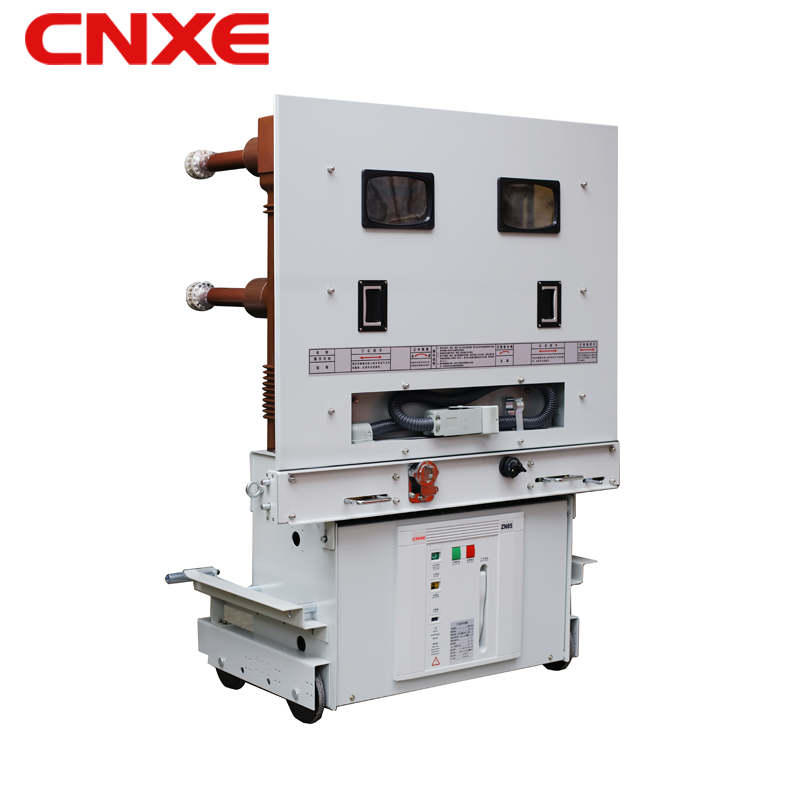
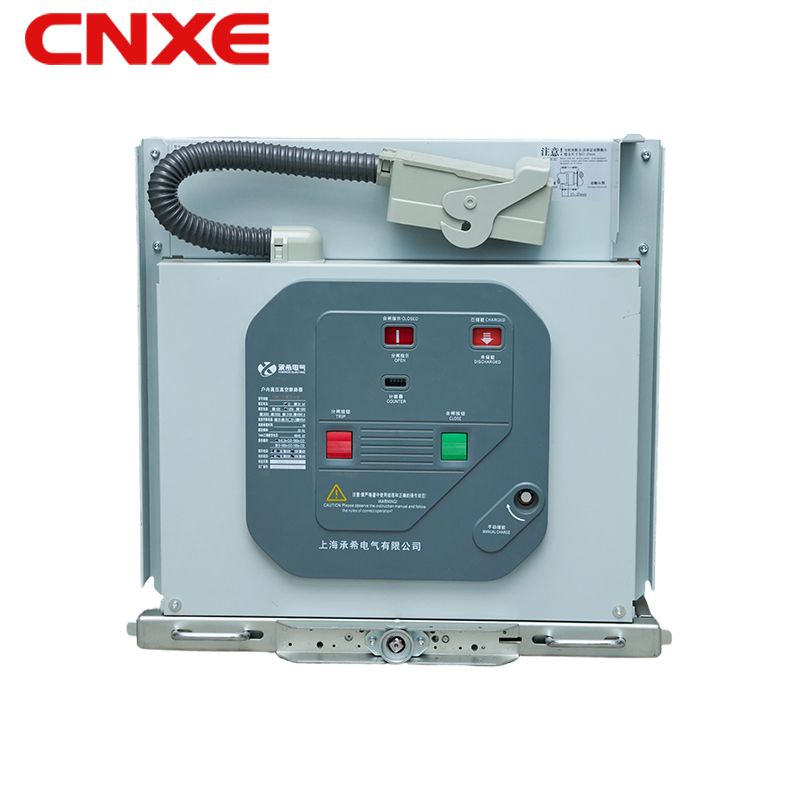
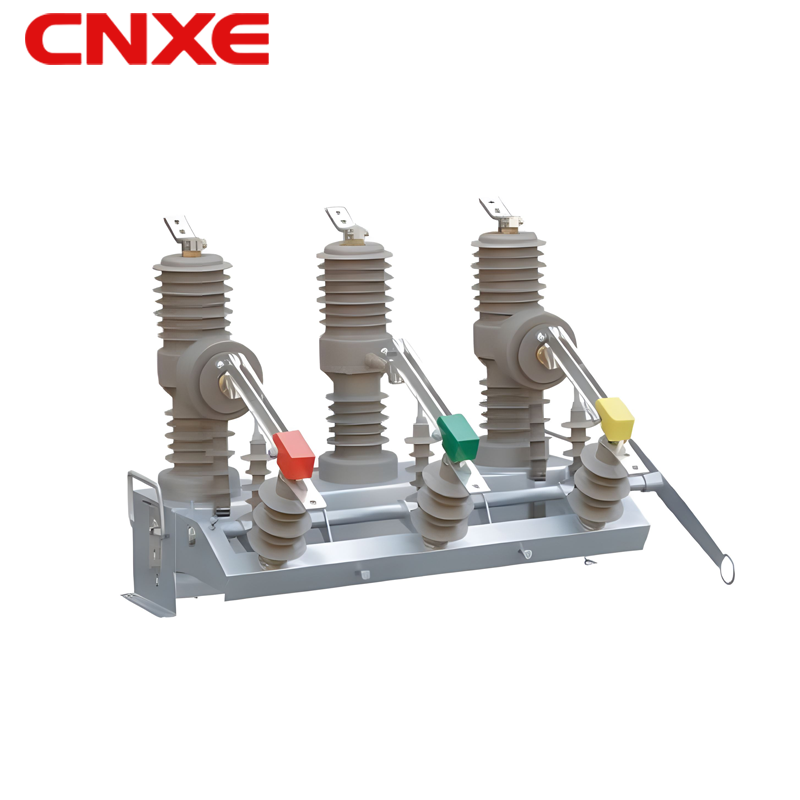
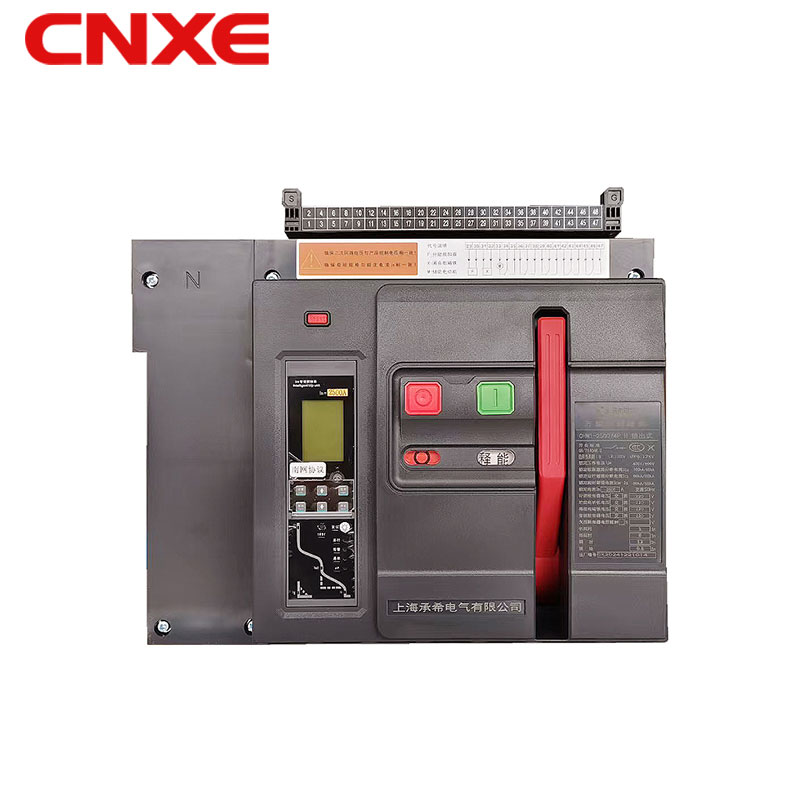
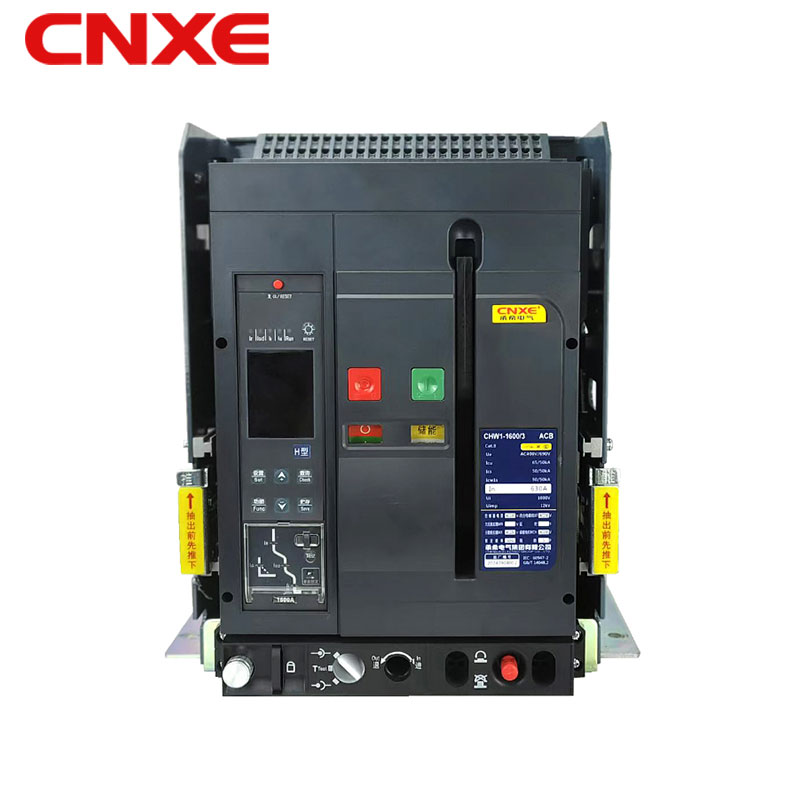
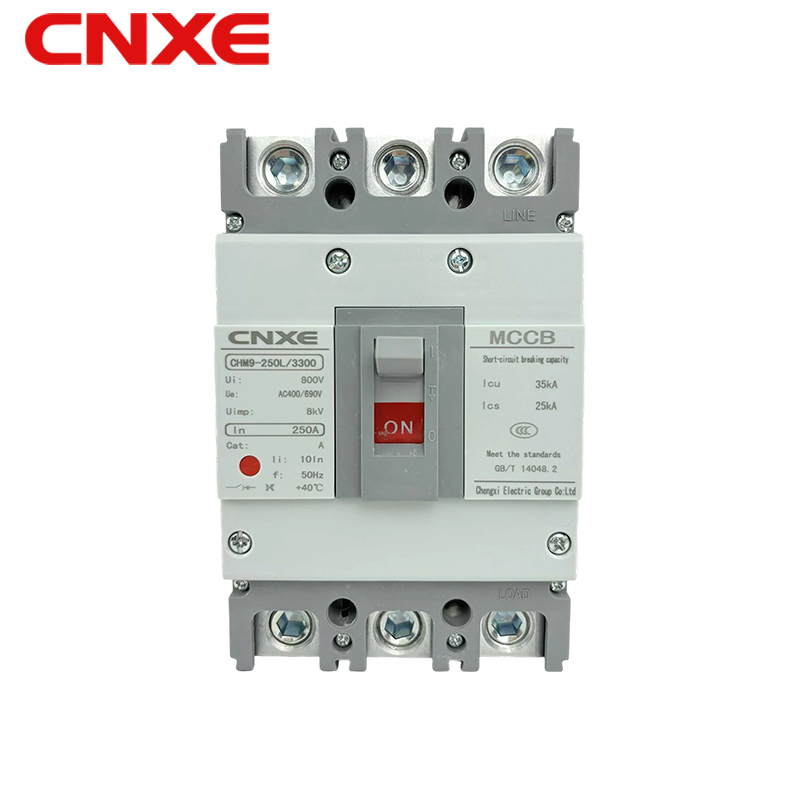
 The company is committed to providing high-quality electrical products and excellent customer service. We not only supply exquisite, top-tier products to meet your needs but also back them with a sincere and comprehensive after-sales service guarantee.
Contact Us
 +86-18067486879
 [email protected]
 281 Wei 15th Road, Yueqing Economic Development Zone, Zhejiang, China
Copyright © Chengxi Electric Group Co., Ltd. All Rights
Reserved

High Voltage Transformer & Electrical Circuit Breaker Factory




 English
  Français
  中文简体
中文简体  русский
  Español
  عربى
عربى