Date:2026-06-05
An AC Contactor may continue switching normally long after early damage has already started inside the device.
On many industrial panels, technicians first notice a faint burnt smell, slight discoloration near terminals, or a soft buzzing sound that becomes louder over time. In some cases, the equipment still operates for weeks before the real failure finally becomes obvious.
Inside electrical systems, heat is usually one of the earliest warning signs.
Actually, many contactor problems begin gradually from resistance buildup rather than sudden electrical overload.
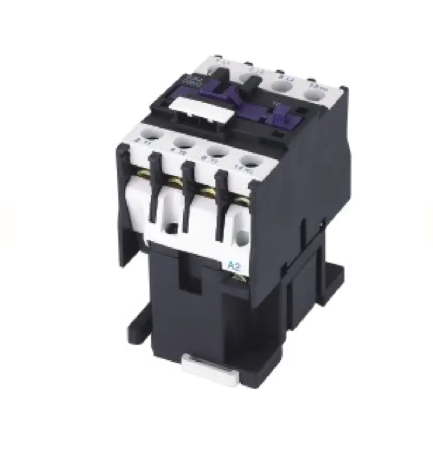
An AC Contactor depends on stable electrical contact pressure during repeated switching cycles.
When terminal screws loosen slightly because of vibration or thermal expansion, resistance increases at the connection point. Even small resistance changes can generate noticeable heat once current passes continuously through the circuit.
This becomes especially common in:
Actually, some overheated terminals still appear mechanically tight from the outside.
In real applications, not every AC Contactor operates under steady conditions.
Certain motors start and stop repeatedly throughout the day, forcing the contact surfaces to open and close under continuous electrical stress. Each switching action produces a small arc between the contacts. Over time, these arcs gradually erode the metal surface.
Technicians often notice:
Actually, contact wear usually develops much faster in systems with frequent cycling than in continuously running equipment.
Inside an AC Contactor, the electromagnetic coil generates heat naturally during operation.
If ventilation around the control cabinet becomes poor, the internal temperature may rise beyond normal working conditions. Once the coil remains hot for extended periods, insulation aging begins accelerating gradually.
This becomes more noticeable during:
summer operation
overloaded cabinets
dusty environments
high ambient temperatures
continuous-duty applications
Actually, some coils fail not because of voltage spikes, but because long-term heat slowly weakens the insulation layer year after year.
Industrial environments rarely stay clean for long periods.
Dust, oil mist, and metal particles may settle around an AC Contactor, especially inside workshops or machinery rooms with limited airflow. Once contamination builds near the contact area, arc behavior during switching can become less stable.
This may eventually lead to:
carbon buildup
irregular contact surfaces
stronger arcing
reduced conductivity
higher internal temperature
Actually, contamination sometimes affects switching reliability long before visible damage appears externally.
An AC Contactor is designed to operate within a specific voltage range.
When supply voltage fluctuates repeatedly, the electromagnetic force inside the contactor may become unstable. Under low-voltage conditions, the contacts sometimes fail to close fully, creating partial contact pressure and additional heat generation.
This often appears as:
Actually, slight voltage instability can shorten contactor lifespan even when the current load itself remains normal.
Inside crowded electrical panels, component spacing matters more than many people expect.
If an AC Contactor sits too close to inverters, breakers, or heat-generating equipment, the surrounding air temperature may remain elevated continuously. Over time, internal parts experience more thermal stress during every operating cycle.
Experienced panel builders often pay attention to:
Actually, poor cabinet layout sometimes causes overheating even when the contactor itself is correctly rated for the load.
To outside users, an AC Contactor mainly seems like a simple switching device hidden inside an electrical cabinet.
Inside industrial systems, however, long-term reliability depends heavily on contact resistance, switching frequency, temperature control, and electrical stability working together continuously. Most failures do not begin with dramatic sparks or sudden shutdowns.
They usually start with small amounts of extra heat developing quietly during everyday operation until the damage finally becomes impossible to ignore.
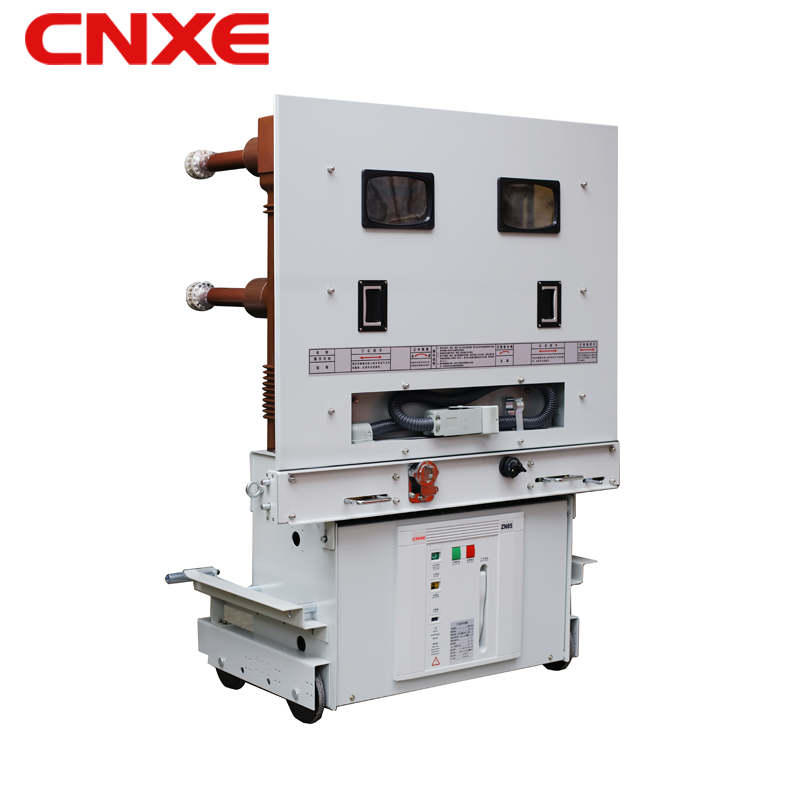
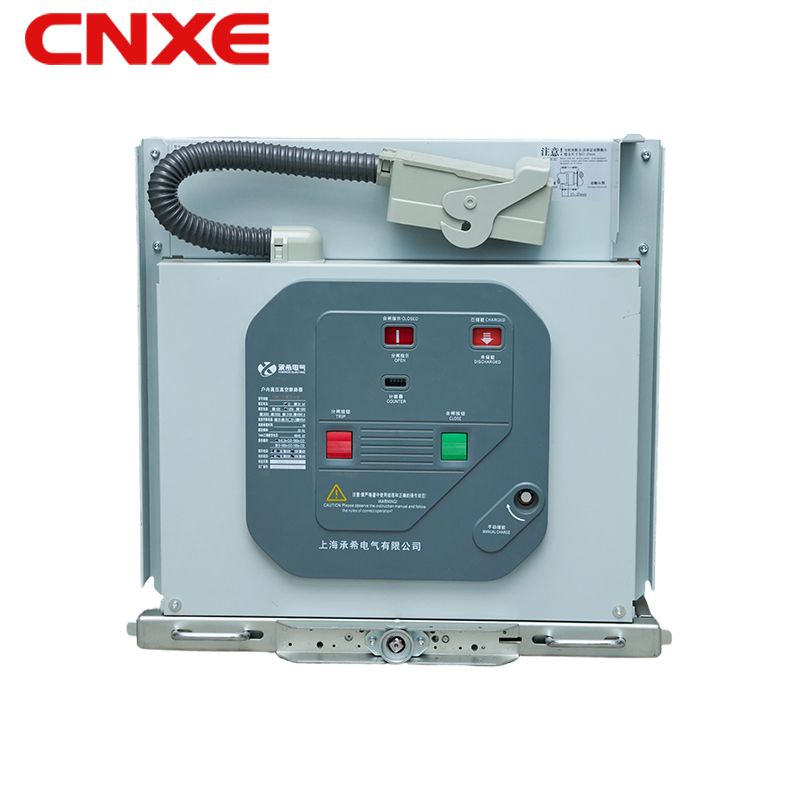
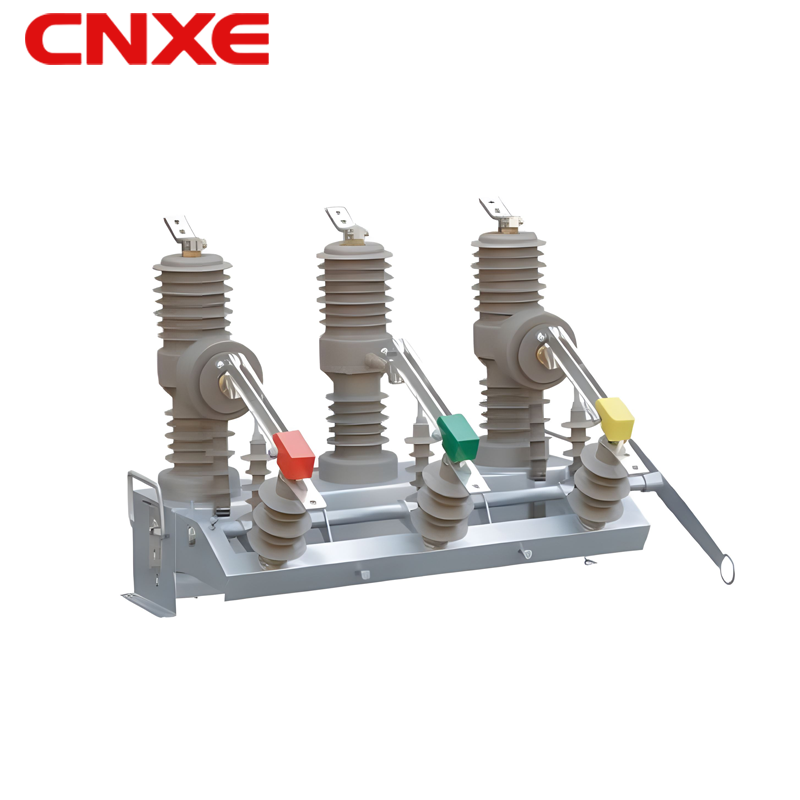
 The company is committed to providing high-quality electrical products and excellent customer service. We not only supply exquisite, top-tier products to meet your needs but also back them with a sincere and comprehensive after-sales service guarantee.
Contact Us
 +86-18067486879
 [email protected]
 281 Wei 15th Road, Yueqing Economic Development Zone, Zhejiang, China
Copyright © Chengxi Electric Group Co., Ltd. All Rights
Reserved

High Voltage Transformer & Electrical Circuit Breaker Factory




 English
  Français
  中文简体
中文简体  русский
  Español
  عربى
عربى