Date:2026-05-29
Unexpected tripping remains a common operational issue in photovoltaic and industrial power systems. In many projects, shutdowns are not caused by major equipment failure, but by small problems such as unstable protection coordination, wiring issues, or environmental stress affecting electrical components over time. As solar systems become larger and operate at higher DC voltage levels, these small issues can lead to more noticeable downtime and maintenance interruptions.
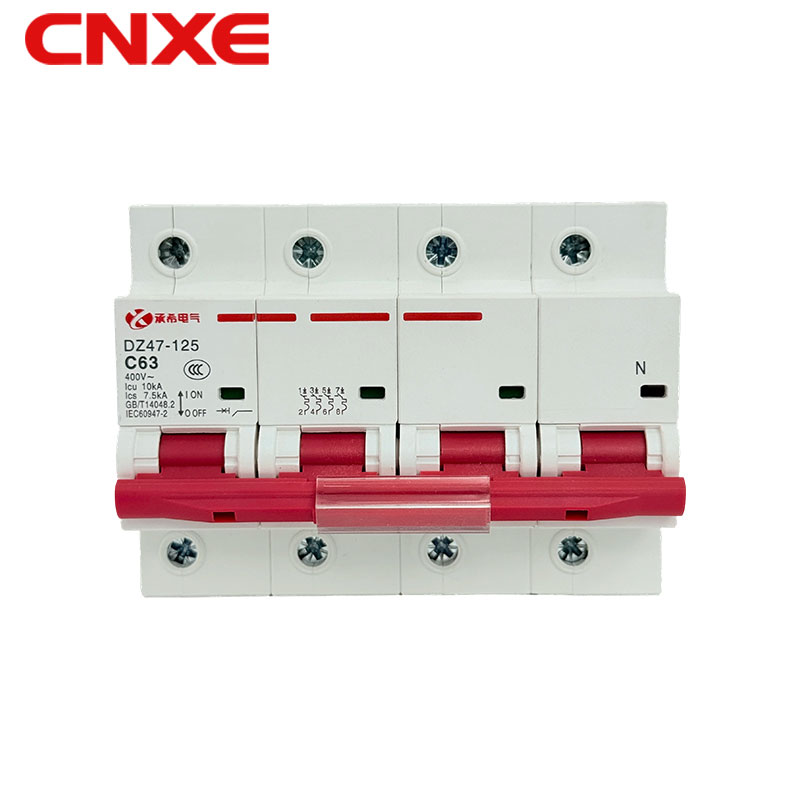
One of the most common causes of system tripping is improper coordination between protection devices. When multiple protection layers are installed without proper matching, the system may respond too sensitively to normal load changes.
Typical problems include:
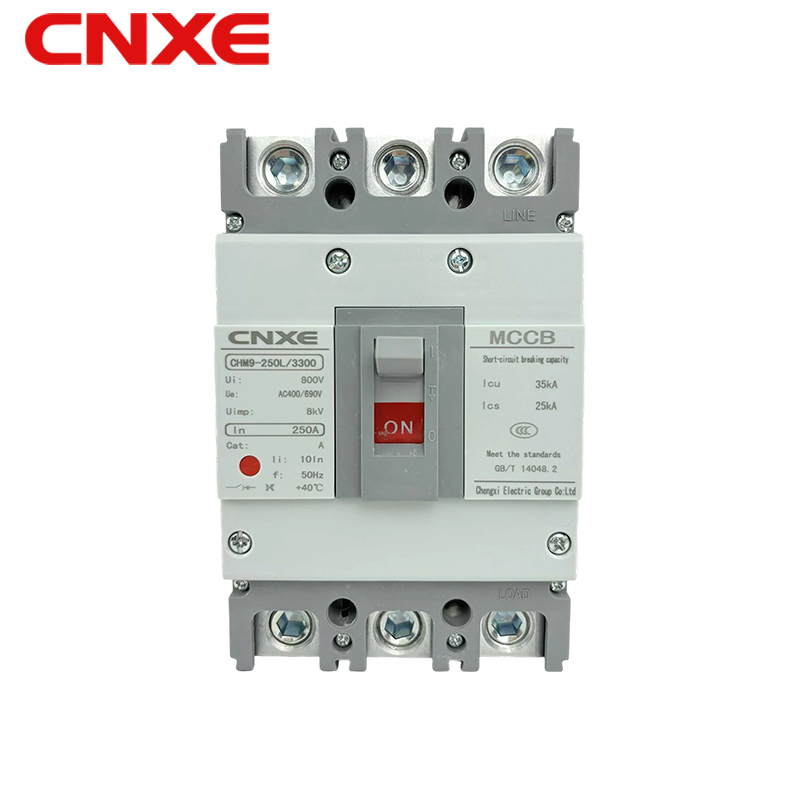
In photovoltaic applications, stable DC interruption performance is critical. This is why engineers often select a reliable Photovoltaic High-Voltage Molded Case Circuit Breaker to improve predictable switching behavior under high-voltage conditions.
Most photovoltaic systems operate outdoors for long periods, exposed to heat, humidity, dust, and UV radiation. These environmental conditions gradually affect electrical performance.
Common results include:
These issues may not appear immediately after installation, but often develop after months of operation, especially in large-scale solar farms.
DC current does not naturally cross zero like AC, making arc control more difficult during switching. If arc interruption is not stable, it can lead to false triggering or repeated tripping during operation.
In maintenance sections of photovoltaic systems, clear physical isolation is also important for safety. This is where devices like Fuse Type Knife Switch are commonly used, providing visible disconnection and improving maintenance control during servicing work.
Another frequent cause of system instability comes from internal wiring issues. Loose connections or poor crimping inside combiner boxes and control cabinets can create hidden resistance points.
Over time, this may lead to:
These issues are often difficult to detect during installation but become more noticeable after long-term operation.
Modern inverters include advanced protection features, but overly sensitive settings can sometimes cause unnecessary shutdowns. Small voltage fluctuations or load changes may trigger protective responses even when the system is operating normally.
This is especially common in hybrid systems where solar power and energy storage interact frequently. Proper system configuration during commissioning is essential to reduce avoidable interruptions.
Reducing unexpected tripping requires a balanced approach that includes protection coordination, wiring quality, and component selection. Engineers are now focusing more on stable DC switching performance, reliable isolation design, and consistent installation quality across all system parts.
Using stable protection devices such as a Photovoltaic High-Voltage Molded Case Circuit Breaker, combined with clear isolation tools like Fuse Type Knife Switch, helps improve operational reliability and reduces unnecessary downtime in photovoltaic systems.
Unexpected tripping in photovoltaic systems is usually not caused by a single factor but by a combination of protection sensitivity, environmental stress, and installation quality. As solar projects continue to expand, system stability and predictable electrical behavior are becoming more important than ever for long-term performance and maintenance efficiency.
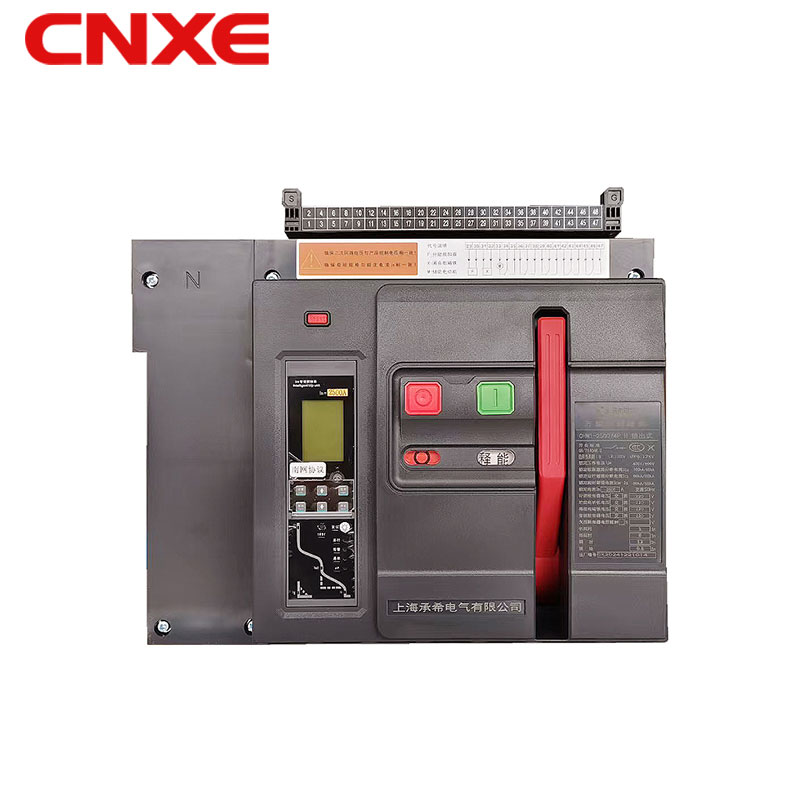
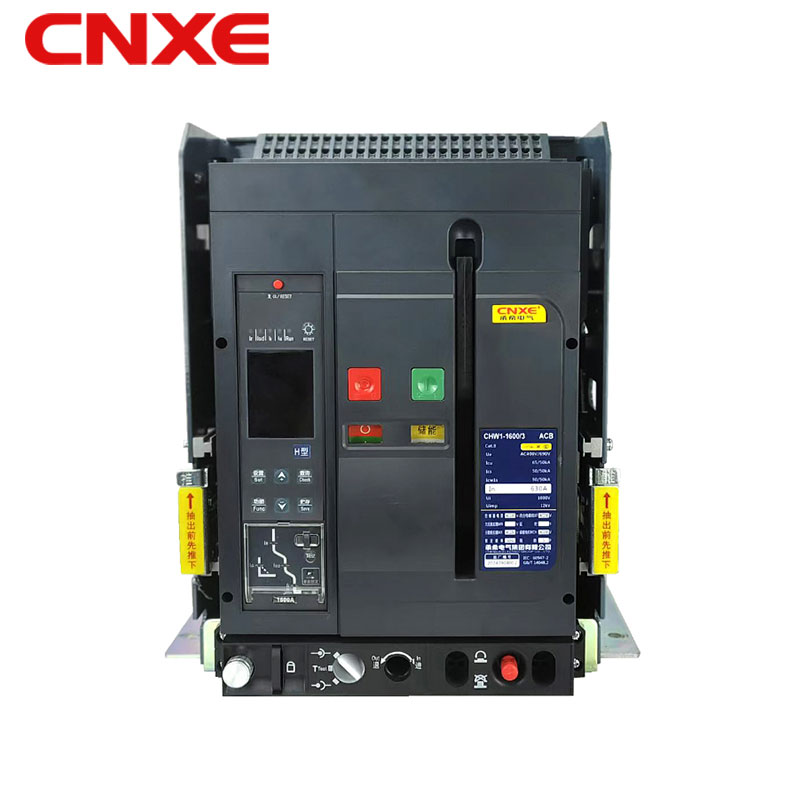
 The company is committed to providing high-quality electrical products and excellent customer service. We not only supply exquisite, top-tier products to meet your needs but also back them with a sincere and comprehensive after-sales service guarantee.
Contact Us
 +86-18067486879
 [email protected]
 281 Wei 15th Road, Yueqing Economic Development Zone, Zhejiang, China
Copyright © Chengxi Electric Group Co., Ltd. All Rights
Reserved

High Voltage Transformer & Electrical Circuit Breaker Factory




 English
  Français
  中文简体
中文简体  русский
  Español
  عربى
عربى