Date:2026-07-03
Dual power automatic transfer switch rarely becomes the most discussed item during the early stage of a construction project. Architects focus on layouts, structural engineers review load-bearing elements, and interior teams worry about finishes. Electrical drawings continue to evolve in the background, often receiving multiple revisions before procurement begins.
That sequence has become increasingly familiar to engineering offices. The switch itself may remain the same, but everything around it keeps changing.
One Revision Often Leads To Another
An electrical drawing is seldom completed in a single attempt.
A ventilation duct moves.
A maintenance corridor becomes narrower.
A wall shifts by a few hundred millimetres after another discipline updates its layout.
None of these adjustments is unusual. Yet each one can require another review of the electrical room.
Project teams often discover that relocating one cabinet leaves less maintenance space for another. Sometimes cable entries need to be redirected. Sometimes equipment doors can no longer open as originally planned.
When that happens, the location of a dual power automatic transfer switch may also be reviewed, even though its electrical function has not changed.
The Equipment Room Usually Tells The Real Story
Construction drawings never show the entire picture.
Only after contractors enter the equipment room do small details begin to appear. Existing pipework may occupy unused corners. Temporary supports installed years earlier are still in place. Access routes that looked straightforward on paper suddenly become much tighter.
None of these discoveries suggests poor planning.
They simply reflect the difference between drawings and real buildings.
Because of this, many design teams leave room for adjustment until the final installation stage rather than assuming every measurement collected months earlier will remain unchanged.
The same discussions frequently include power transfer systems, particularly when several electrical cabinets share the same room.
Installation Depends On More Than Electrical Ratings
Voltage, current and switching capacity remain essential specifications, but they are not always the topics occupying installers on site.
Another question appears surprisingly often.
Can the equipment actually be moved into position?
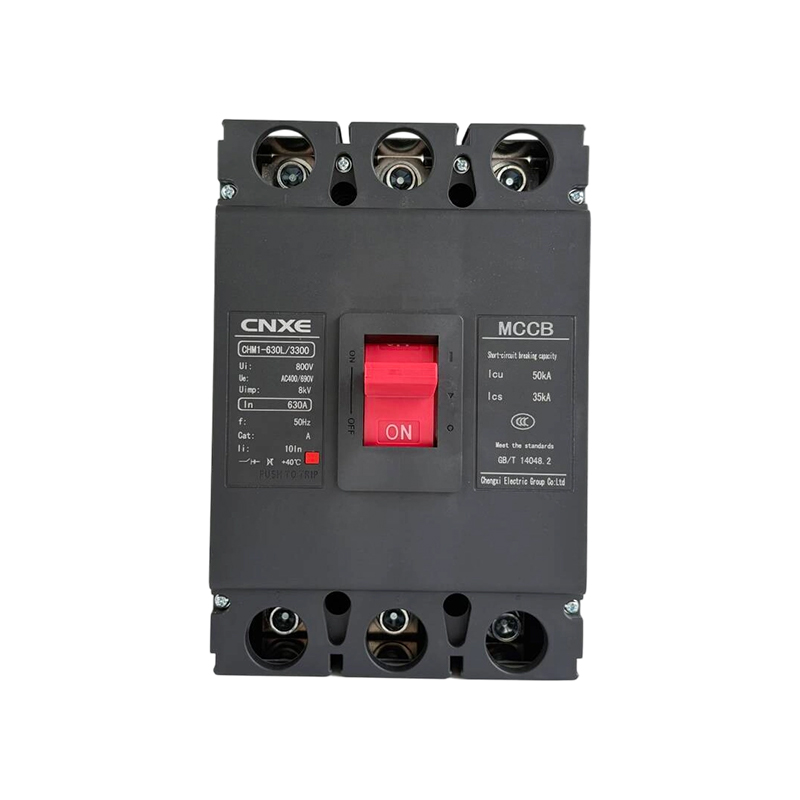
Large switchboards sometimes pass through loading bays, service elevators, temporary openings or unfinished corridors before reaching their final location. Moving equipment safely can require as much planning as connecting it.
Once everything reaches the electrical room, installation usually progresses much more smoothly.
For this reason, contractors often review the physical dimensions of a dual power automatic transfer switch long before discussing commissioning schedules.
Different Teams Read The Same Drawing Differently
A project drawing serves more than one purpose.
Design engineers check technical compliance.
Procurement teams confirm equipment schedules.
Site supervisors compare drawings with actual construction progress.
Maintenance personnel may study the same document months later to understand equipment access after the building has already been handed over.
Each group notices different details.
A clearance dimension that appears insignificant during design may become important during maintenance. Likewise, a cabinet position accepted during procurement may later affect inspection routes inside the completed electrical room.
That explains why revisions sometimes continue long after equipment has been selected.
Within those reviews, dual power automatic transfer switch layouts are often adjusted together with surrounding equipment instead of being treated independently.
The Quiet Work Happens Before Power Is Switched On
People walking through a completed building rarely think about the number of drawings produced before electrical equipment reached its final position.
Most of that work remains invisible.
Pages are revised.
Dimensions are checked again.
Labels are corrected.
Installation sequences are rearranged.
None of those tasks changes how the finished room looks, yet they reduce confusion once construction enters its busiest phase.
The same preparation also applies to power transfer systems, where coordination between equipment locations, cable routes and maintenance access can prevent unnecessary changes later in the project.
A Drawing Is Never Just A Drawing
Construction projects rarely move exactly as expected, and electrical documentation reflects that reality from beginning to end.
Every revision records a decision. Some are minor. Others reshape an entire equipment room.
Within that process, dual power automatic transfer switch planning is influenced not only by electrical calculations but also by the practical conditions that emerge as buildings take shape. The finished installation may appear straightforward, yet it is usually the result of dozens of small adjustments made long before the system is placed into service. For many engineering teams, those unseen revisions have become as familiar as the equipment itself, and dual power automatic transfer switch layouts continue to evolve until the final drawing truly matches the space where they will operate.
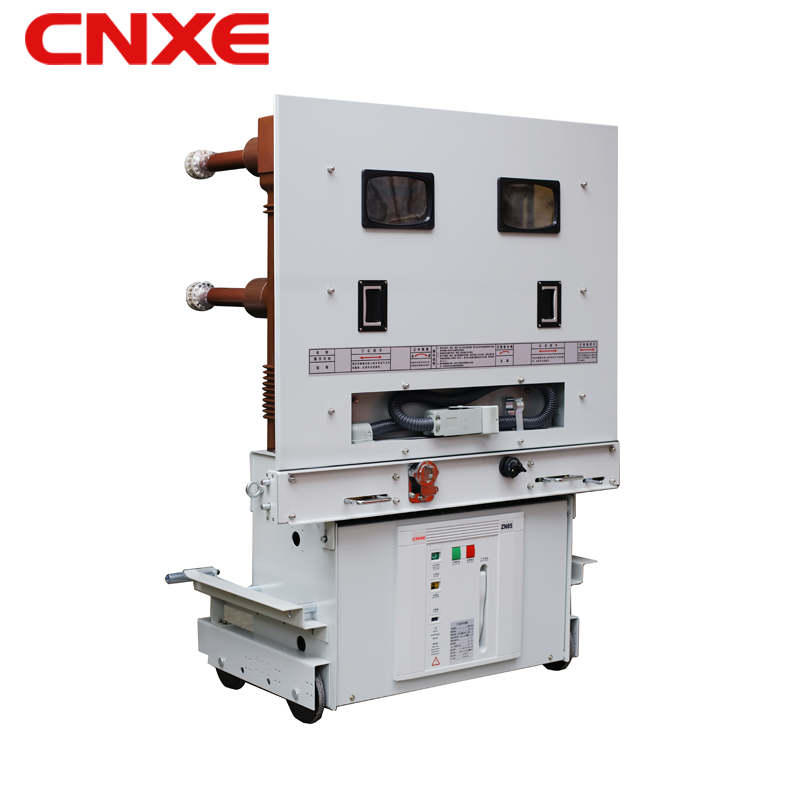
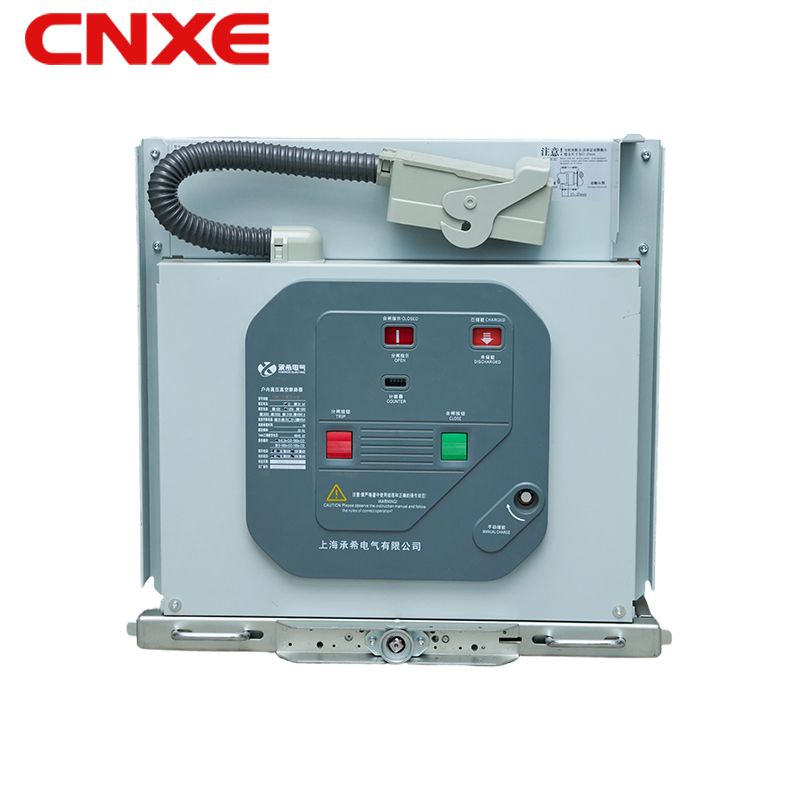
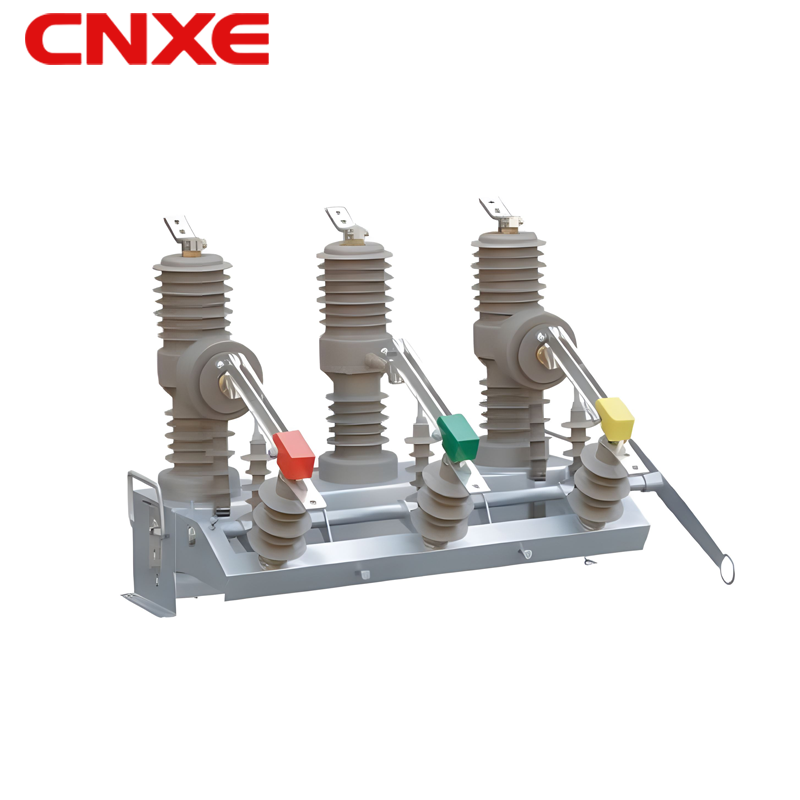
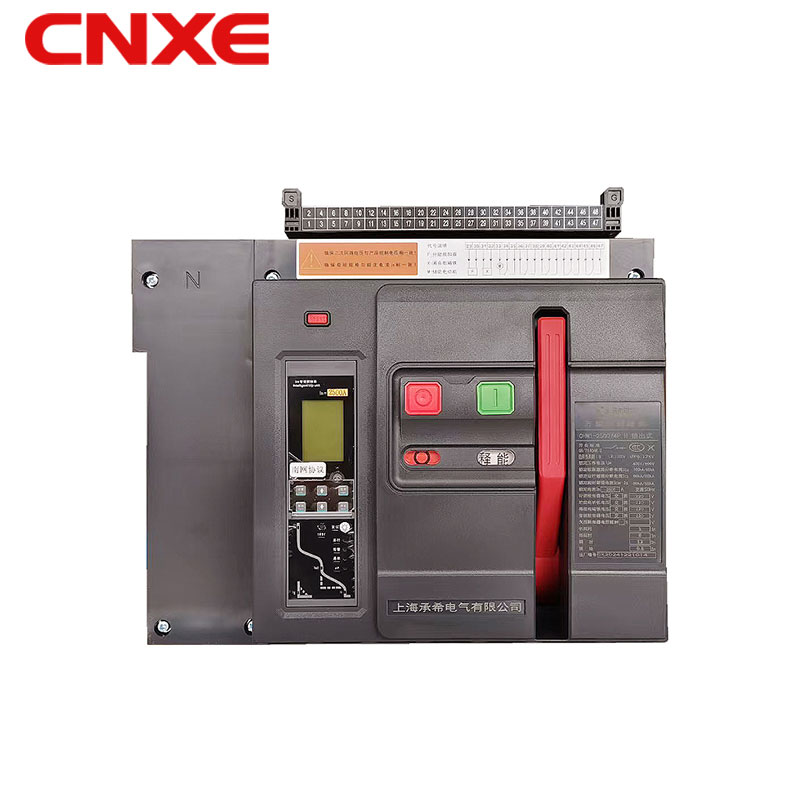
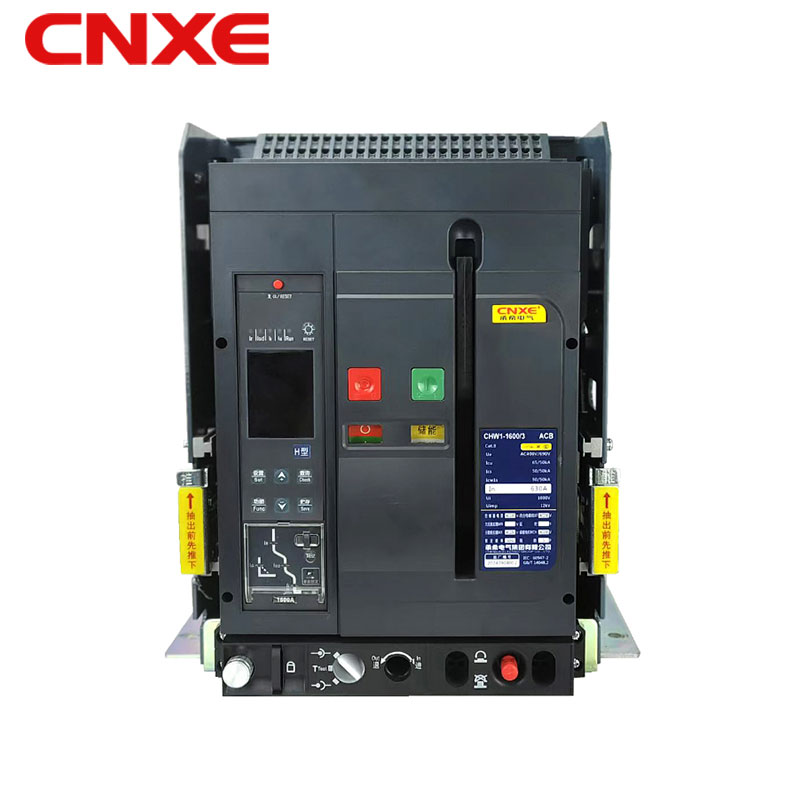
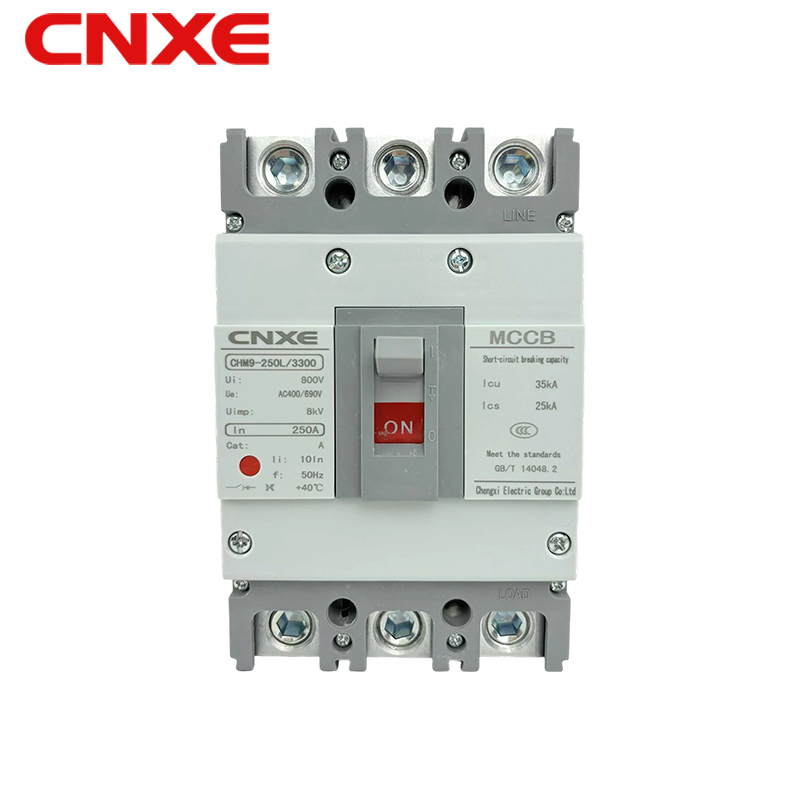
 The company is committed to providing high-quality electrical products and excellent customer service. We not only supply exquisite, top-tier products to meet your needs but also back them with a sincere and comprehensive after-sales service guarantee.
Contact Us
 +86-18067486879
 [email protected]
 281 Wei 15th Road, Yueqing Economic Development Zone, Zhejiang, China
Copyright © Chengxi Electric Group Co., Ltd. All Rights
Reserved

High Voltage Transformer & Electrical Circuit Breaker Factory




 English
  Français
  中文简体
中文简体  русский
  Español
  عربى
عربى