Date:2026-08-21
Grid conditions in different markets rarely behave the same way, which is part of why an over voltage and under voltage protective device ships in more than one reset configuration rather than a single universal design. Some installations need the device to restore power automatically once conditions normalize, while others specifically require a person to confirm the circuit is safe before power returns. Buyers who order this category of product without specifying reset behavior explicitly risk receiving a default configuration that doesn't match how their installation actually needs to respond after a trip event.
A manual reset type over voltage and under voltage protective device stays open after tripping until someone physically resets it, a design choice suited to installations where an unattended automatic restart could pose a safety risk if the underlying voltage problem hasn't actually resolved. An automatic version restores power on its own after voltage returns to a safe range and a preset delay elapses, which suits unattended residential or light commercial circuits where convenience outweighs the risk of an unsupervised restart. Combined units offering selectable operation between the two modes give buyers flexibility to match a single product line across installations with different requirements rather than stocking two separate product lines.
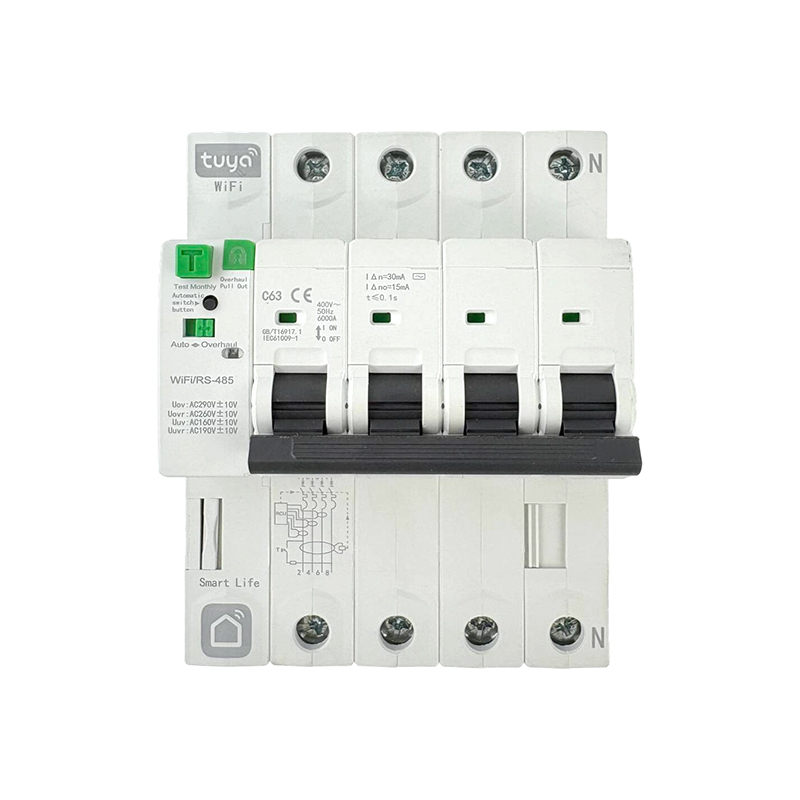
An over voltage and under voltage protective device built on electromagnetic principles operates through induction, offering solid resistance to electrical interference but comparatively limited precision in trip point accuracy. An electronic type protection mechanism relies on circuit-level detection instead, delivering higher accuracy and adjustable trip thresholds that buyers can tune to match specific grid conditions or sensitive downstream equipment. Buyers should confirm which operating principle a given model uses before assuming trip-point accuracy meets their application's requirements, since the two approaches genuinely differ in precision rather than offering interchangeable performance at different price points.
Application-specific models matter because a self-resetting mechanism rated for 220V residential distribution isn't interchangeable with a 380V industrial-rated over voltage and under voltage protective device even when both share similar physical dimensions and mounting style. Buyers should confirm rated voltage matches their actual supply configuration rather than assuming a device works across both residential and industrial voltage ranges without modification, since a mismatch between rated and supplied voltage undermines the protective function the device is meant to provide.
|
Reset Type |
Restoration Behavior |
Suited For |
|
Manual reset |
Requires physical reset action |
Installations where unsupervised restart carries risk |
|
Automatic reset |
Restores power after delay once voltage normalizes |
Unattended residential and light commercial circuits |
|
Combined manual/automatic |
Selectable mode |
Product lines serving mixed installation types |
DIN rail mounting compatibility lets an over voltage and under voltage protective device install directly into standard distribution boxes alongside other panel components, simplifying both new installations and retrofits into existing electrical enclosures. Buyers retrofitting protection into an older panel should confirm rail width and mounting depth compatibility before ordering, since panel space constraints in older installations sometimes don't accommodate a device sized for modern standard enclosures without modification. Requesting physical dimensions rather than relying on a general "DIN rail compatible" claim helps buyers confirm fit before a shipment arrives at a site with limited panel space to work with.
Buyers should distinguish between an over voltage and under voltage protective device offering only voltage protection and a multi-function version that also integrates overcurrent or residual-current protection into the same housing. A single-function unit costs less and suits installations where other protective devices already cover overcurrent conditions separately, while a multi-function unit consolidates protection into fewer components at a higher individual unit cost. Buyers should map their existing panel's protection scheme against a candidate device's actual function scope, since duplicating protection unnecessarily adds cost without improving safety, and gaps in coverage create the opposite problem. Confirming this fit before ordering a full batch of any over voltage and under voltage protective device model saves buyers from discovering a coverage gap only after installation is already underway across multiple sites.
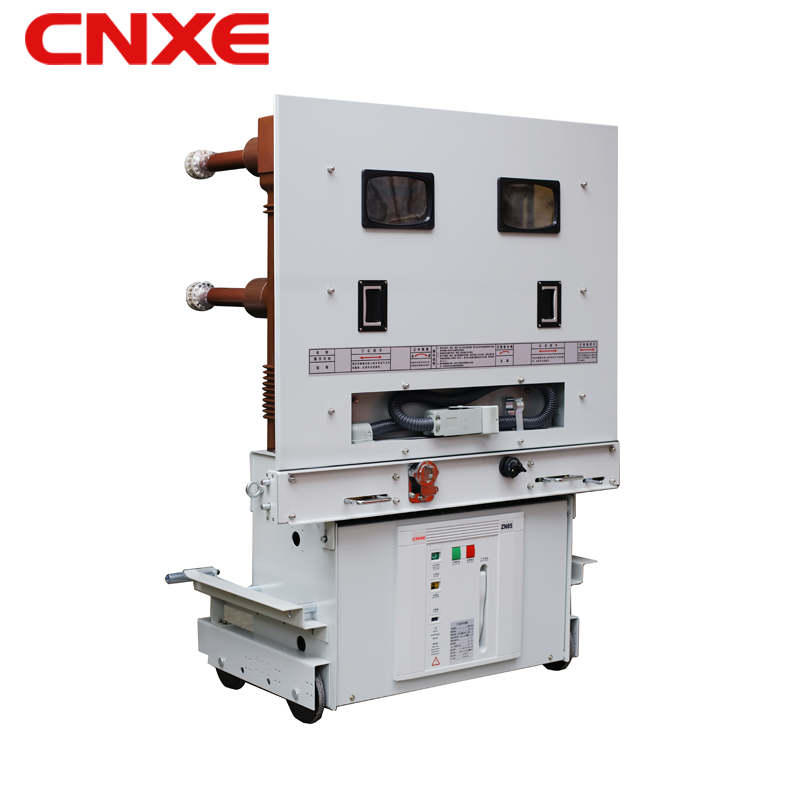
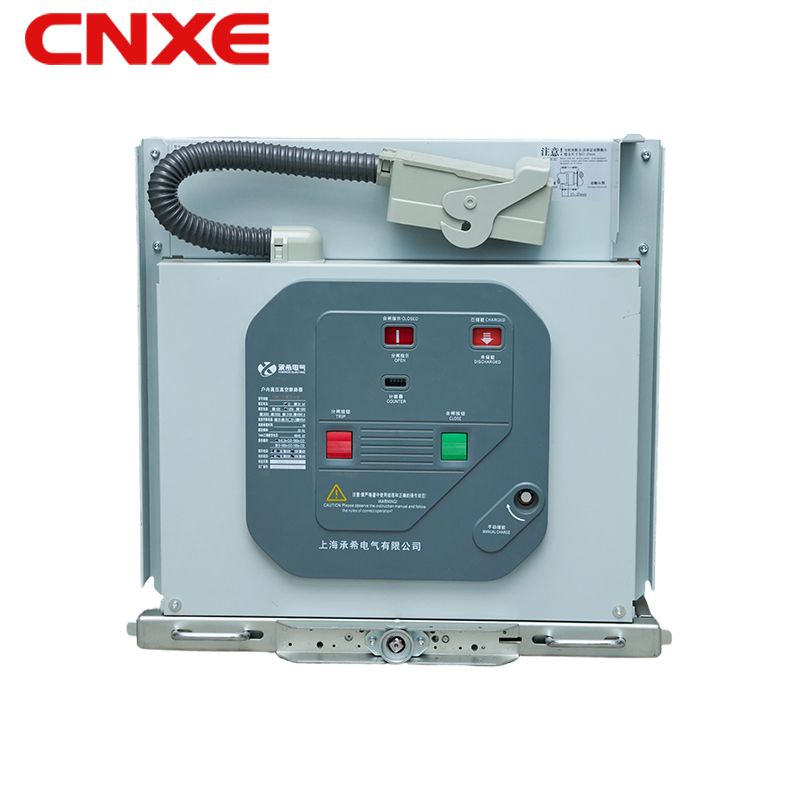
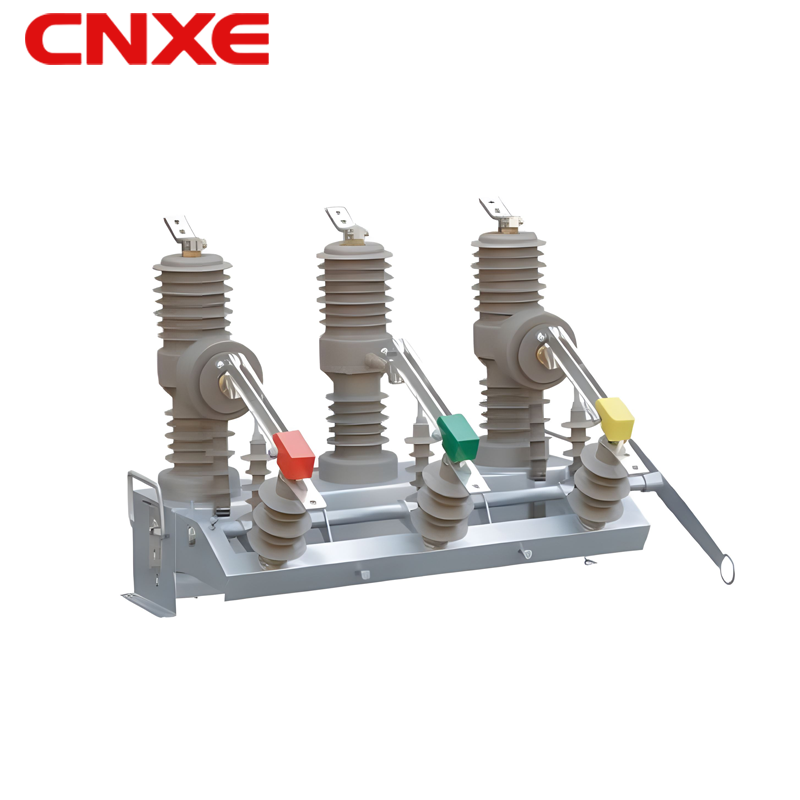
 The company is committed to providing high-quality electrical products and excellent customer service. We not only supply exquisite, top-tier products to meet your needs but also back them with a sincere and comprehensive after-sales service guarantee.
Contact Us
 +86-18067486879
 [email protected]
 281 Wei 15th Road, Yueqing Economic Development Zone, Zhejiang, China
Copyright © Chengxi Electric Group Co., Ltd. All Rights
Reserved

High Voltage Transformer & Electrical Circuit Breaker Factory




 English
  Français
  中文简体
中文简体  русский
  Español
  عربى
عربى