Date:2026-08-28
Older buildings in many markets wired their light switch boxes with only a live and a load wire, skipping the neutral connection many smart switches assume is available. A smart wifi switch no neutral design works around this gap by drawing the small standby current it needs directly through the connected light fixture rather than from a dedicated neutral line. Buyers unfamiliar with this design category sometimes specify a standard neutral-required switch for a retrofit project, only to discover during installation that a smart wifi switch no neutral model was actually the correct fit for the building's existing wiring.
A smart wifi switch no neutral design routes a small continuous current through the load itself, typically the connected light fixture, to keep its WiFi radio and control circuitry powered even while the switch shows as off. This differs fundamentally from a neutral-wired smart switch, which draws its standby power directly from the neutral conductor without needing to pass any current through the connected load at all. Buyers should understand this distinction clearly when specifying products for markets or building types where neutral wiring isn't reliably present at the switch location.
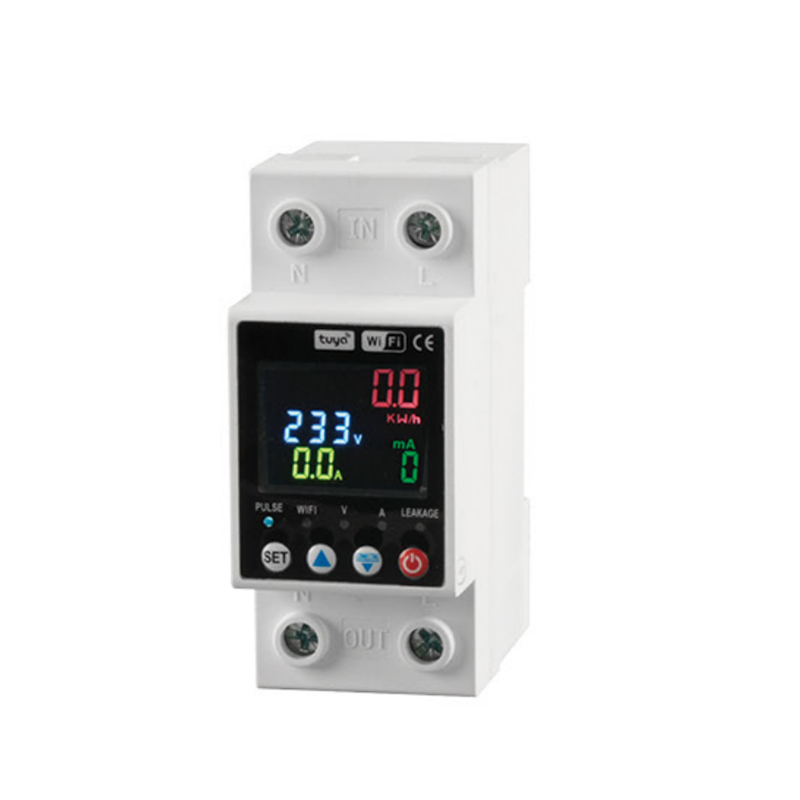
A minimum load requirement exists on the majority of no-neutral smart switch designs because the bypass current passing through the load needs a certain amount of resistance to dissipate properly, and modern LED bulbs draw far less current than the incandescent bulbs these switch designs were originally built around. Buyers specifying no-neutral switches for LED-heavy installations should confirm the switch's minimum load rating against the actual wattage of LED fixtures being installed, since an LED load below the switch's minimum threshold can cause visible flickering or a dim glow even when the switch shows as fully off.
A bypass circuit, sometimes shipped as a separate small capacitor module, gets installed in parallel with a low-wattage LED load specifically to add enough resistance for a smart wifi switch no neutral unit's standby current to pass through without causing flicker. This component addresses the exact scenario where LED wattage falls below a switch's minimum load threshold, giving buyers a workaround rather than requiring a complete switch redesign for LED-only installations. Buyers should confirm whether a bypass module ships included with the switch or needs to be sourced and specified separately, since assuming inclusion when it's actually a separate accessory can leave an installer without the part needed to resolve a flickering complaint in the field.
|
Factor |
No-Neutral Design |
Neutral-Wired Design |
|
Wiring requirement |
Live and load only |
Live, load, and neutral |
|
Standby power source |
Small current through the load |
Direct from neutral conductor |
|
LED compatibility risk |
Possible flicker below minimum load |
Generally unaffected by load wattage |
|
Typical retrofit fit |
Older buildings without neutral at switch box |
New construction or rewired installations |
Two-wire wiring compatibility is the core reason a smart wifi switch no neutral design exists at all, since it lets a retrofit installation add smart control without running new wiring back to a panel to bring a neutral conductor to every switch location. Buyers marketing this product category to retrofit and renovation channels should emphasize this wiring compatibility specifically, since it directly addresses the installation cost barrier that otherwise prevents older buildings from adopting smart switches at all.
Buyers distributing a smart wifi switch no neutral model should brief installers on minimum load requirements and bypass circuit availability before installation begins, rather than leaving installers to discover flickering issues on-site and troubleshoot without the necessary accessory in hand. A distributor who pairs every smart wifi switch no neutral order with clear guidance on LED compatibility limits reduces the volume of return and complaint calls that trace back to this specific, well-documented limitation rather than an actual product defect.
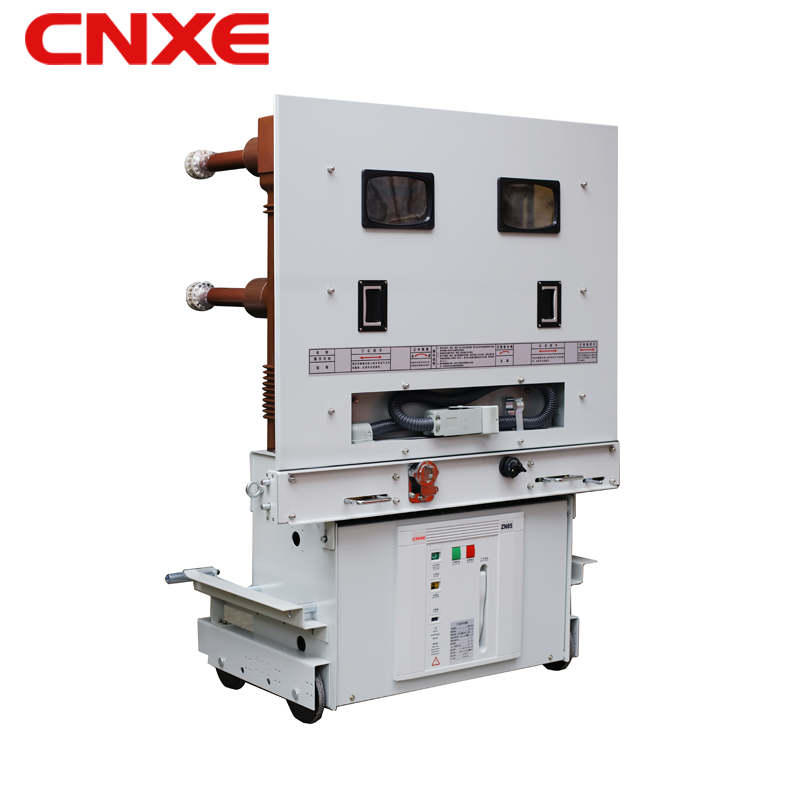
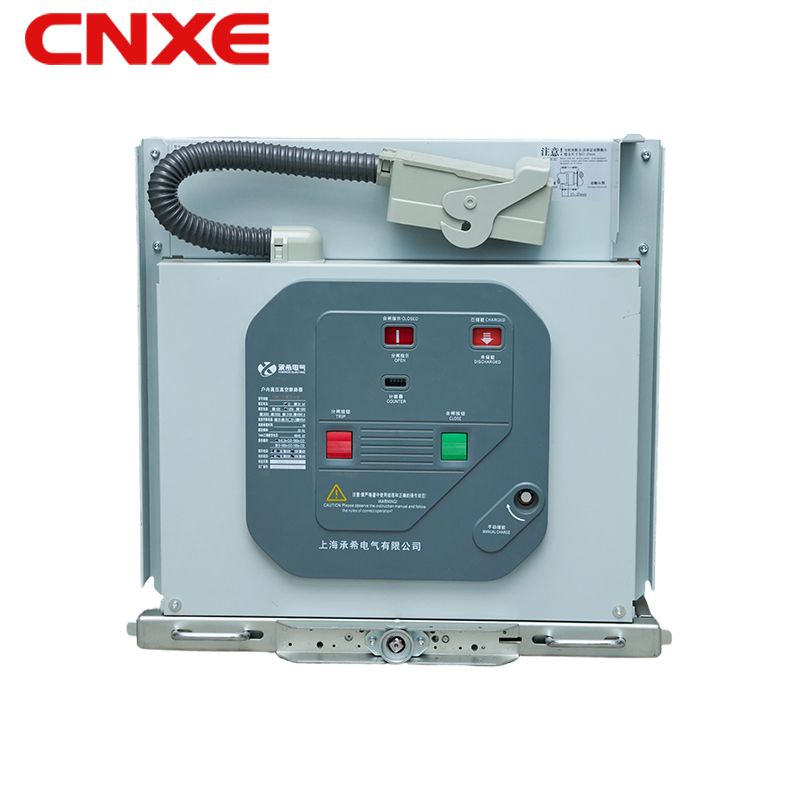
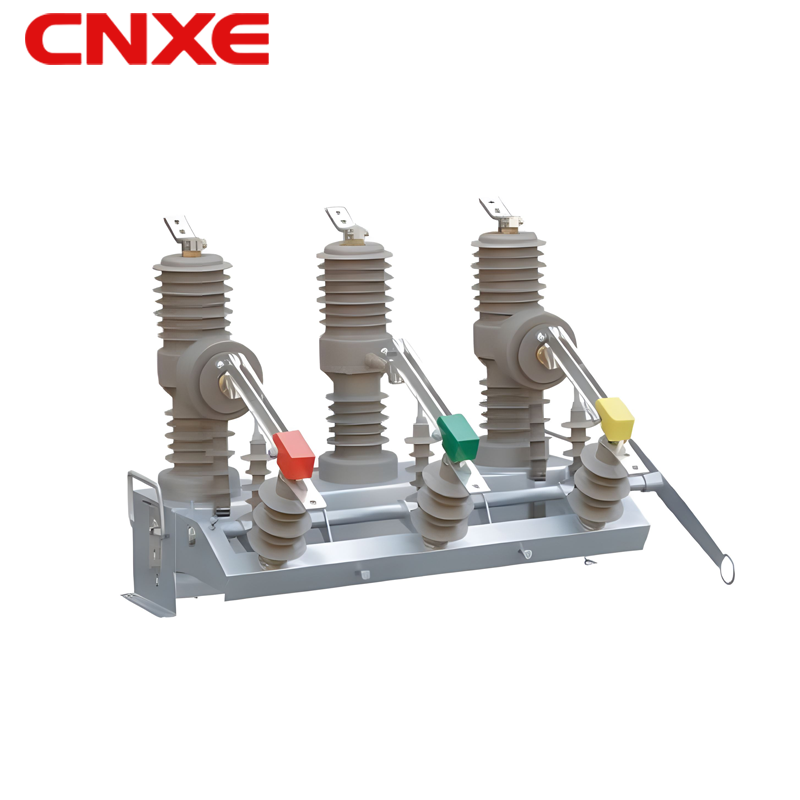
 The company is committed to providing high-quality electrical products and excellent customer service. We not only supply exquisite, top-tier products to meet your needs but also back them with a sincere and comprehensive after-sales service guarantee.
Contact Us
 +86-18067486879
 [email protected]
 281 Wei 15th Road, Yueqing Economic Development Zone, Zhejiang, China
Copyright © Chengxi Electric Group Co., Ltd. All Rights
Reserved

High Voltage Transformer & Electrical Circuit Breaker Factory




 English
  Français
  中文简体
中文简体  русский
  Español
  عربى
عربى