Date:2026-09-04
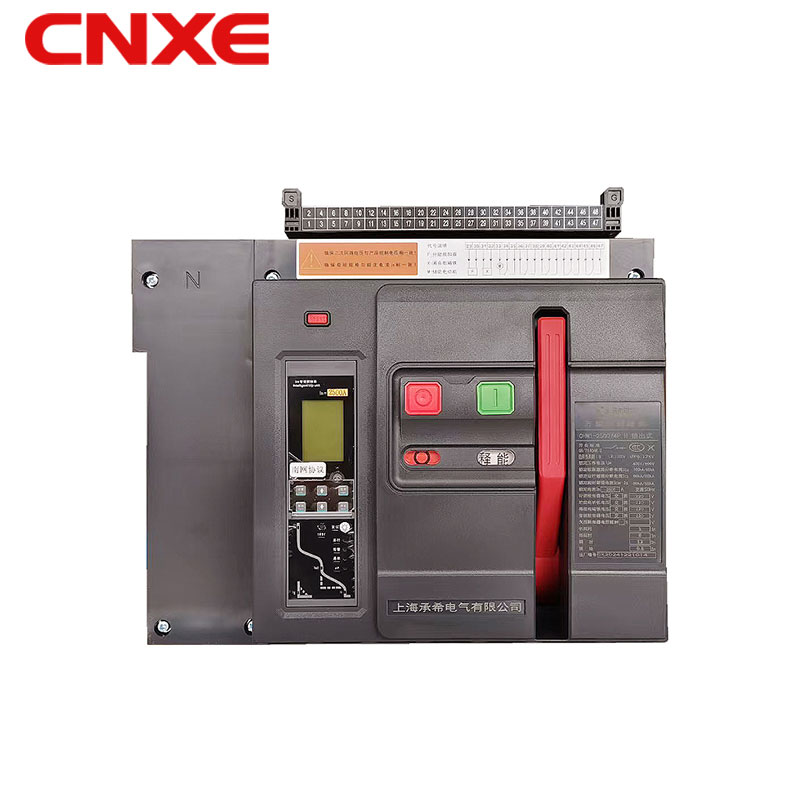
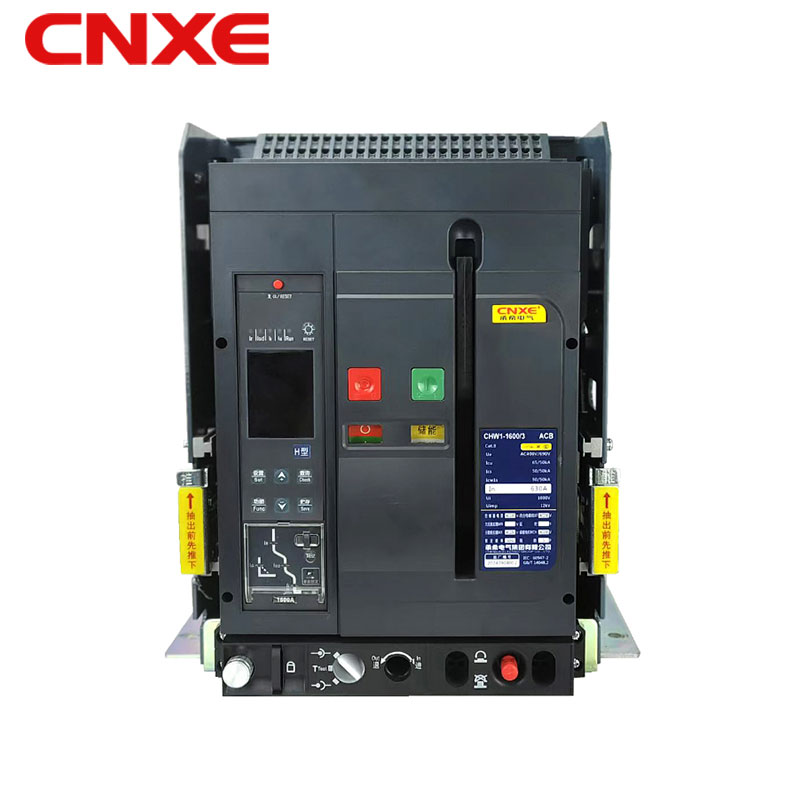
As electrical distribution systems become more automated, protection devices are taking on a broader role than simply disconnecting a circuit during a fault. The Intelligent Universal Circuit Breaker combines circuit protection with monitoring, adjustable protection functions, and communication capabilities, making it increasingly relevant to industrial and commercial distribution systems. Chengxi Electric Group’s CHW1 series covers rated operating currents from 400A to 6300A and supports both fixed and drawer-type configurations for 50/60Hz AC distribution networks.
A traditional circuit breaker primarily responds when electrical parameters exceed predetermined limits. Modern frame breakers are increasingly designed to provide more information and more flexible protection settings at the same time. This change is particularly noticeable in high-current distribution, where a single protective device may sit close to the main distribution side of an industrial electrical system.
The CHW1 series uses intelligent controllers with selective protection functions. Depending on the configuration, protection can address overload, undervoltage, short circuit, and ground faults. This allows the breaker to respond according to the characteristics of the electrical network rather than relying on a single fixed protection threshold.
For an Intelligent Universal Circuit Breaker, this shift is important because protection becomes part of the wider control strategy. The device can participate in system management while continuing to perform its fundamental circuit interruption function.
Large distribution networks place different demands on circuit protection than small branch circuits. The CHW1 series covers a rated operating current range of 400A to 6300A, with rated operating voltages from 400V to 690V. Both fixed and drawer-type versions are available.
The broad current range allows the Intelligent Universal Circuit Breaker category to serve different positions within a distribution system. Main incoming circuits, busbar connections, and high-load feeders may require substantially different current ratings and installation arrangements.
The drawer-type configuration can also change how maintenance and equipment replacement are handled within a distribution cabinet. Fixed and withdrawable arrangements therefore represent more than physical variations; they provide different approaches to integrating protection equipment into the overall electrical architecture.
One of the more significant developments in intelligent frame breakers is their ability to exchange information with external control systems. The CHW1 series 2H and 3H intelligent controllers include communication interfaces that can connect with fieldbus systems, supporting remote sensing, remote adjustment, remote control, and remote communication.
This capability changes how an Intelligent Universal Circuit Breaker can be used in an automated distribution environment. Instead of requiring every operating parameter to be checked locally, electrical information can become part of a centralized monitoring system.
For industrial users, this can be particularly useful where multiple distribution cabinets operate as part of one facility. Electrical status and protection-related information can be incorporated into a broader control architecture, allowing operators to understand system conditions without treating each breaker as an isolated device.
Intelligent protection does not mean that every installation uses the same settings. The appropriate protection characteristics depend on the electrical system, connected loads, coordination requirements, and expected operating conditions.
Selective protection is particularly relevant in larger networks. When several protective devices are installed at different levels, their settings need to work together so that an abnormal condition can be isolated within the appropriate section of the system. The CHW1 series is designed with precise selective protection functions for distribution networks where unnecessary power interruptions need to be reduced.
For buyers specifying an Intelligent Universal Circuit Breaker, this makes controller configuration an important part of product selection. Rated current and voltage remain fundamental, but protection functions, communication requirements, installation type, and system coordination also need to be considered.
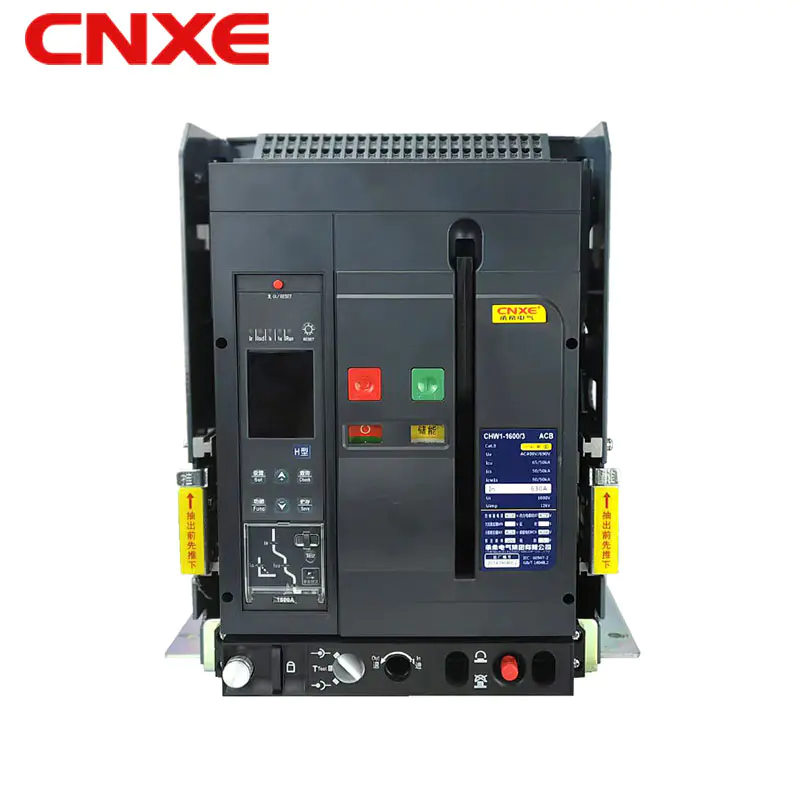
The CHW1 platform can also be configured with additional components for particular protection requirements. The product information lists leakage current transformers and zero-sequence transformers among the available accessories, while certain configurations support leakage protection through the corresponding intelligent controller.
For circuit breakers with rated operating current of 1000A or below, the documented application also includes protection of motors in 50Hz, 400V AC networks against overload, short circuit, undervoltage, and ground faults. Under normal conditions, these configurations can support infrequent motor starting.
Such flexibility shows why an Intelligent Universal Circuit Breaker can be selected according to the complete application rather than current rating alone. Different accessories and controller configurations can change how the breaker interacts with the surrounding electrical system.
The development of intelligent frame breakers reflects a broader change in low-voltage power distribution. Protection, measurement, communication, and remote control are increasingly being considered together rather than as separate functions.
For B2B equipment developers and electrical-system integrators, the Intelligent Universal Circuit Breaker therefore represents more than an upgraded interruption device. Its value lies in combining high-current distribution capability with configurable protection and communication functions. Chengxi Electric Group's CHW1 range, for example, offers multiple current ratings, fixed or drawer installation, intelligent controller options, and accessories for different protection requirements.
As distribution systems become more connected, the role of the frame circuit breaker is likely to continue expanding. The technical focus is gradually moving from simply interrupting abnormal current toward making protection equipment more configurable, observable, and compatible with automated electrical management.
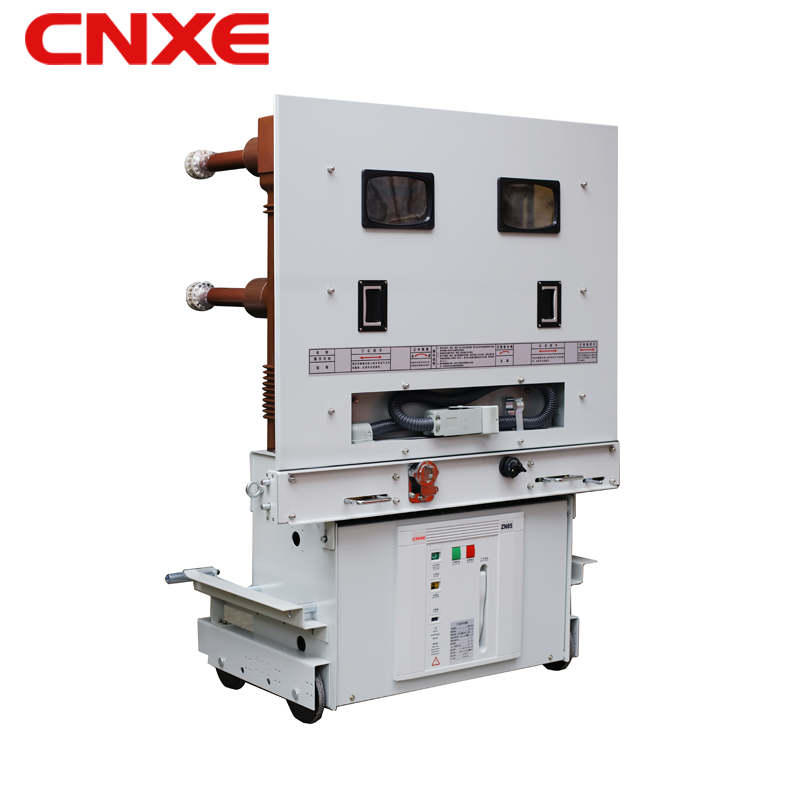
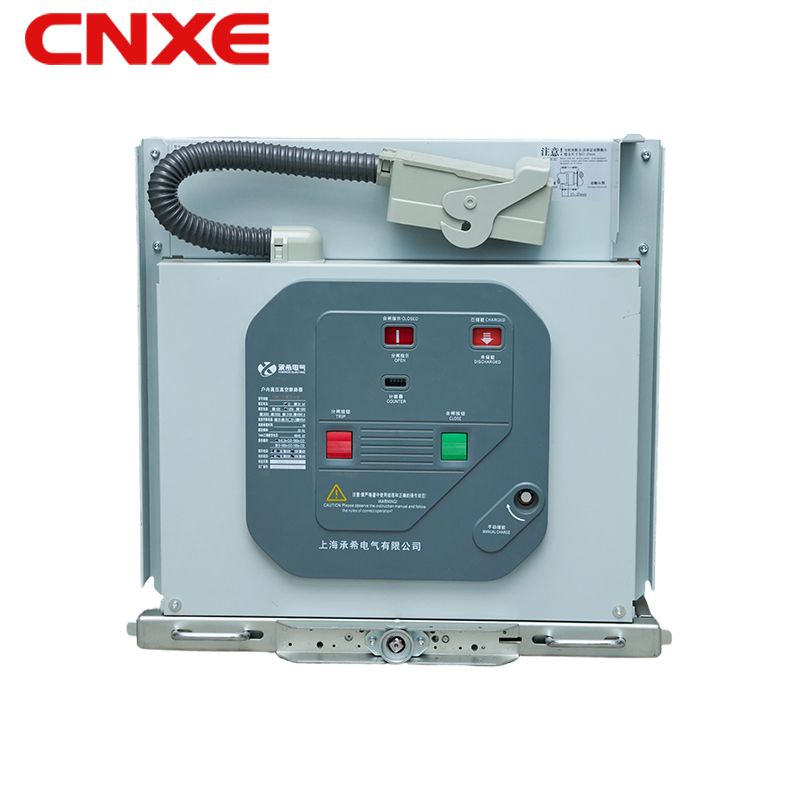
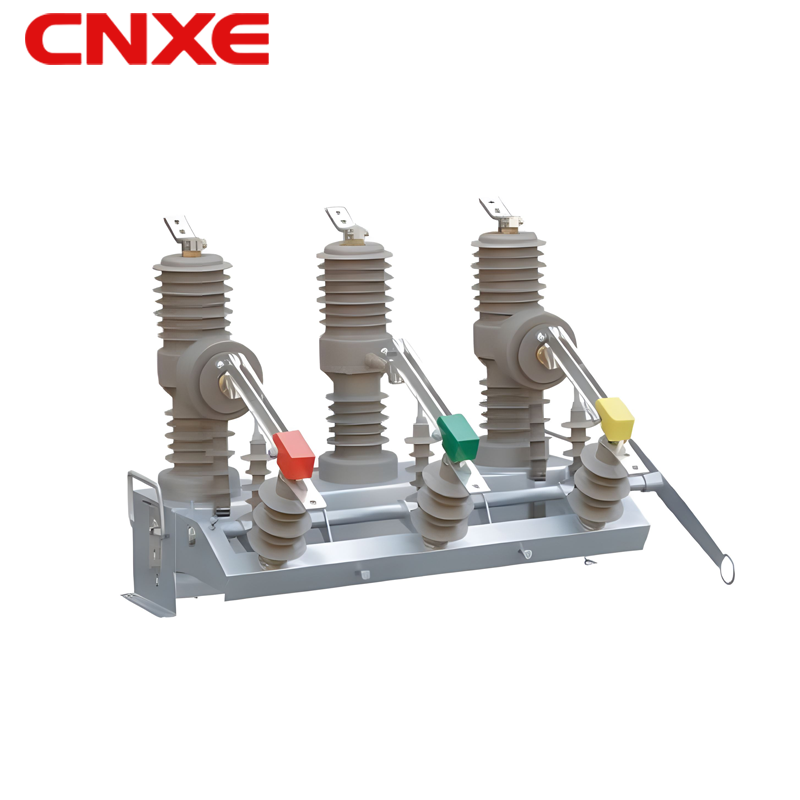
 The company is committed to providing high-quality electrical products and excellent customer service. We not only supply exquisite, top-tier products to meet your needs but also back them with a sincere and comprehensive after-sales service guarantee.
Contact Us
 +86-18067486879
 [email protected]
 281 Wei 15th Road, Yueqing Economic Development Zone, Zhejiang, China
Copyright © Chengxi Electric Group Co., Ltd. All Rights
Reserved

High Voltage Transformer & Electrical Circuit Breaker Factory




 English
  Français
  中文简体
中文简体  русский
  Español
  عربى
عربى