Date:2026-09-11
Electrical distribution systems depend on different switching devices to control, protect, and isolate circuits. A High And Low Voltage Isolation Switch serves a specific role within this structure: creating a physical separation between an energized power source and the section that needs to be isolated for inspection, maintenance, or other operations.
Unlike a circuit breaker, an isolation switch is primarily concerned with establishing an isolation condition rather than interrupting fault currents. This difference influences its mechanical construction, operating mechanism, insulation arrangement, and position within a distribution system.
The basic function of an isolation switch comes from separating electrical contacts. When the switch moves to the open position, the resulting separation provides the required isolation between the connected sections of the circuit.
For high-voltage applications, visible isolation can be especially valuable because operators can directly verify the open position on suitable equipment. In lower-voltage systems, isolation devices can also use mechanical position indication and defined contact separation to provide a verifiable isolated state.
The design of the contact system therefore becomes one of the central elements of a High And Low Voltage Isolation Switch.
High- and low-voltage systems do not place identical demands on switching equipment. Higher operating voltages require greater attention to insulation, electrical clearances, creepage distances, and dielectric performance.
Low-voltage isolation devices generally have more compact structures and are commonly integrated into distribution cabinets, control equipment, and other electrical assemblies. High-voltage isolators, by comparison, may use larger insulating supports and more visible mechanical arrangements.
The basic purpose remains similar, but the engineering requirements change with the electrical environment.
Contact separation alone does not define the complete isolation system. Insulating materials and supporting components maintain the required electrical separation between conductive parts and the surrounding structure.
In a High And Low Voltage Isolation Switch, the selection and arrangement of insulating components depend on the rated operating conditions and installation environment. Outdoor equipment may also need to account for moisture, dust, temperature changes, and other environmental influences.
This makes insulation design closely connected with the physical structure of the switch rather than an independent component choice.
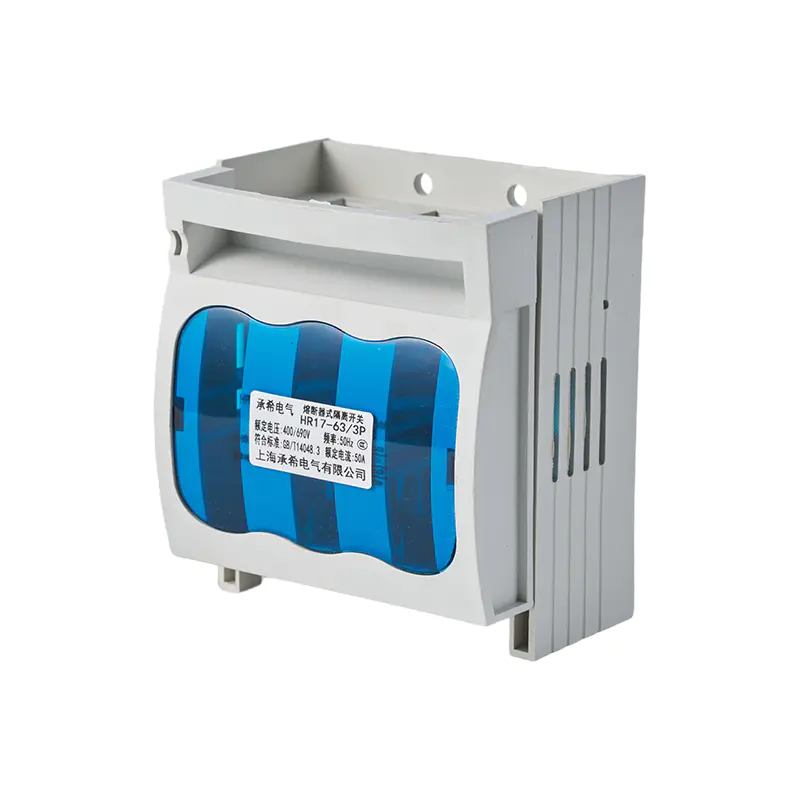
Isolation switches can use manual operating mechanisms, and some configurations can incorporate other forms of mechanical or electrical operation depending on the application.
The operating mechanism transfers movement to the switch contacts, so its accuracy affects whether the contacts reach their intended open or closed positions. Position indication can also be connected with the operating mechanism to provide a clearer representation of switch status.
For a High And Low Voltage Isolation Switch, this relationship between mechanical movement and electrical position is an important part of equipment design.
An isolation switch can experience repeated opening and closing cycles throughout its service life. The conductive contacts, moving blades, shafts, linkages, springs, and mounting structure therefore need to work as a coordinated mechanical assembly.
Contact pressure is another consideration. Sufficient pressure helps maintain electrical contact when the switch is closed, while the opening mechanism needs to create the intended separation when isolation is required.
Manufacturing accuracy becomes relevant at this stage because small differences in component alignment can influence the movement of the complete mechanism.
Power distribution equipment can be installed indoors, outdoors, in switchgear cabinets, substations, industrial facilities, and other electrical environments. The structure of the isolation device needs to correspond with its intended installation.
A compact low-voltage switch may be integrated into a distribution board, while high-voltage equipment can require larger insulating supports and a more open mechanical arrangement.
This range of applications gives manufacturers room to develop different structures while maintaining the same fundamental isolation function.
A High And Low Voltage Isolation Switch does not operate independently of other electrical equipment. In many systems, isolation devices work alongside circuit breakers, fuses, current transformers, and other switchgear.
Circuit breakers can provide protection and fault-current interruption, while the isolation switch establishes the physical separation needed for maintenance and other controlled operations. Keeping these functions distinct helps engineers determine the appropriate equipment for each position in a power distribution system.
The development of the High And Low Voltage Isolation Switch therefore involves more than designing a simple on-off mechanism. Contact construction, insulation, operating mechanisms, mechanical strength, and installation conditions all contribute to the finished device. As distribution systems become more varied, isolation equipment continues to evolve around the specific electrical and mechanical requirements of each application.
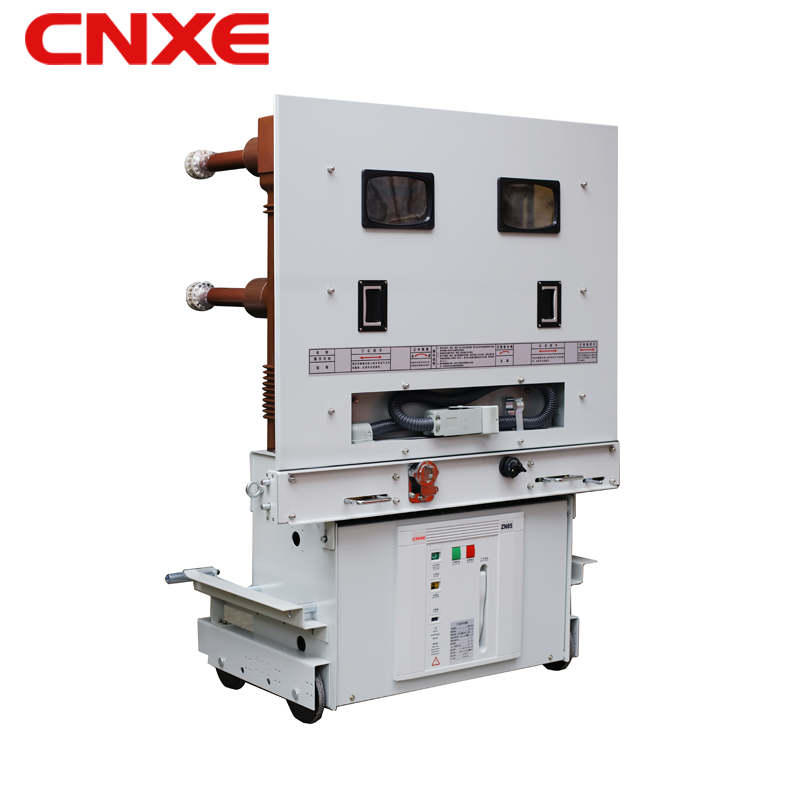
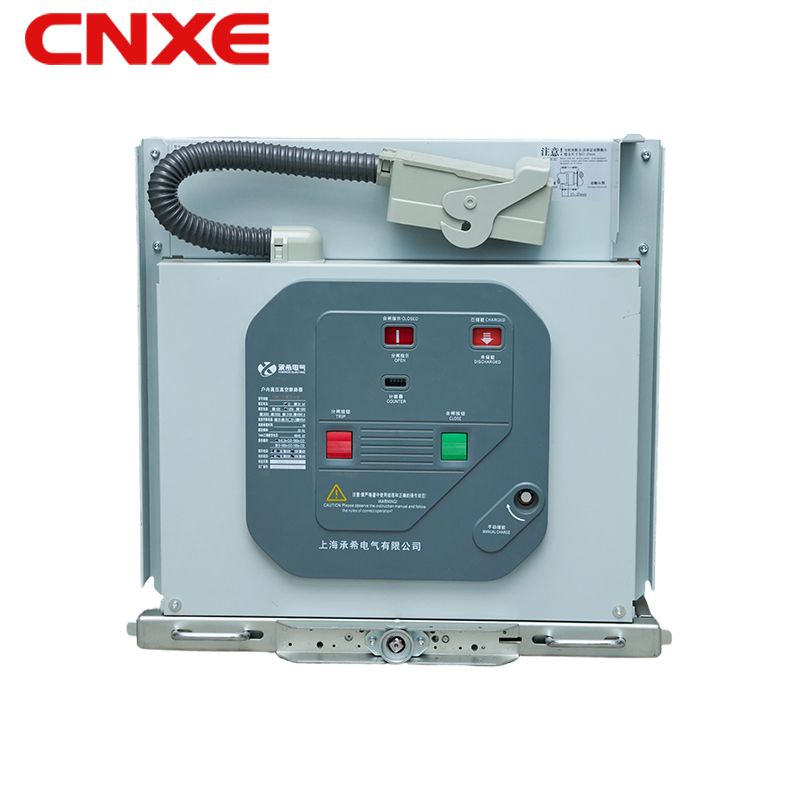
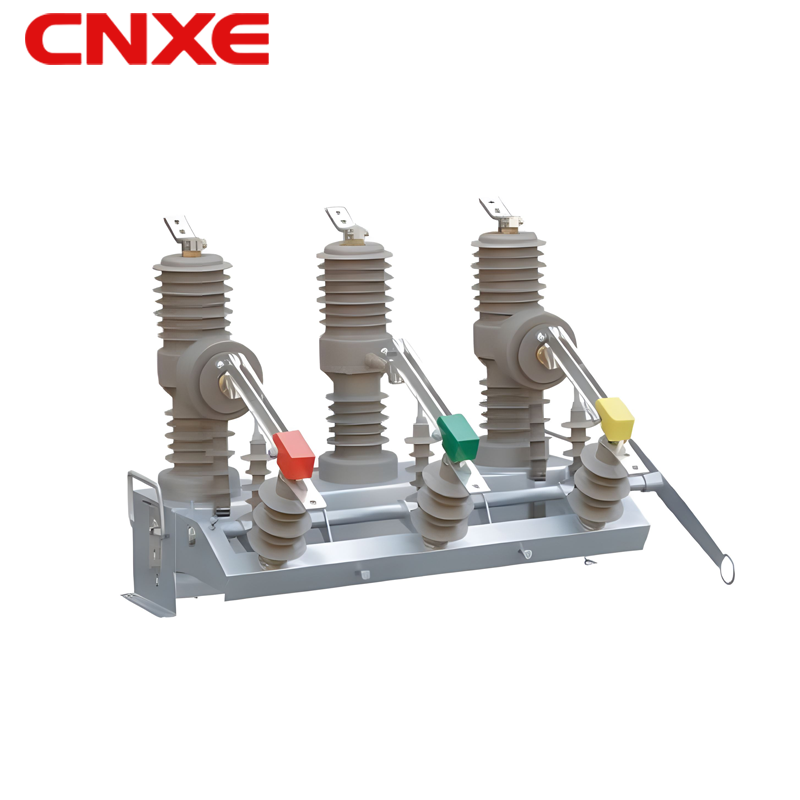
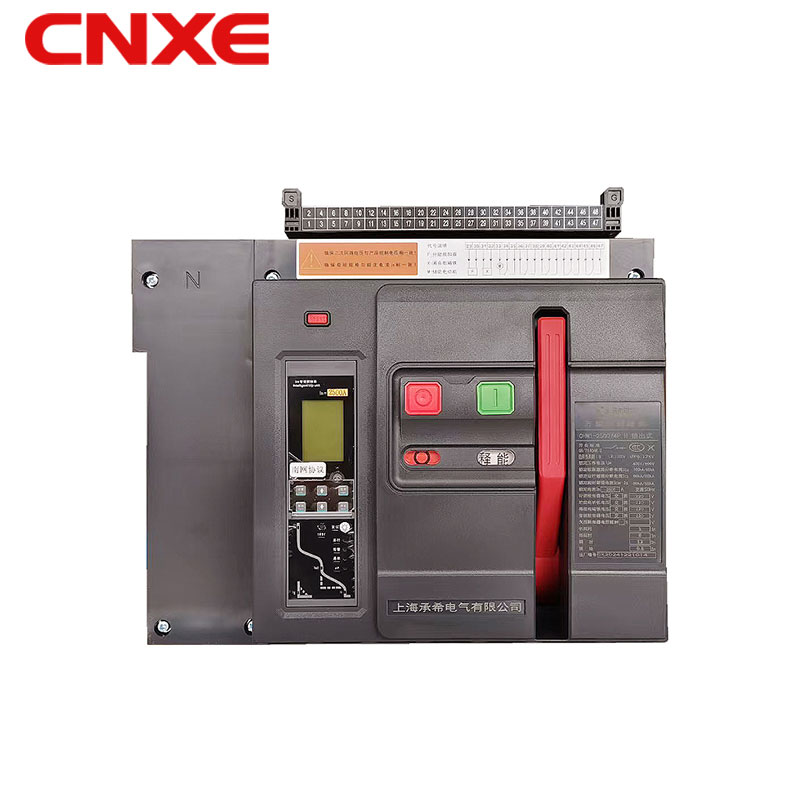
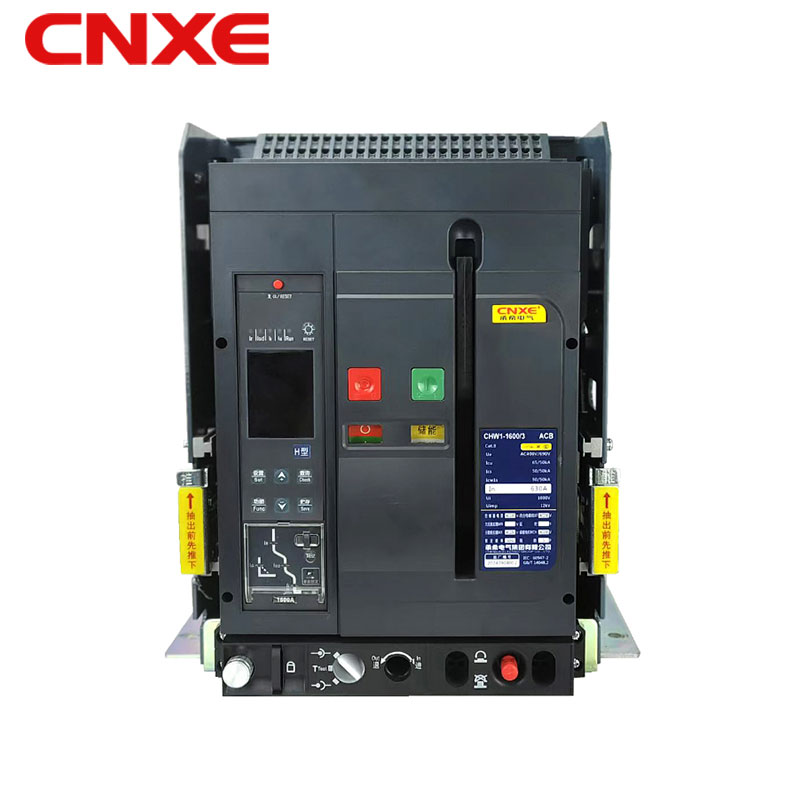
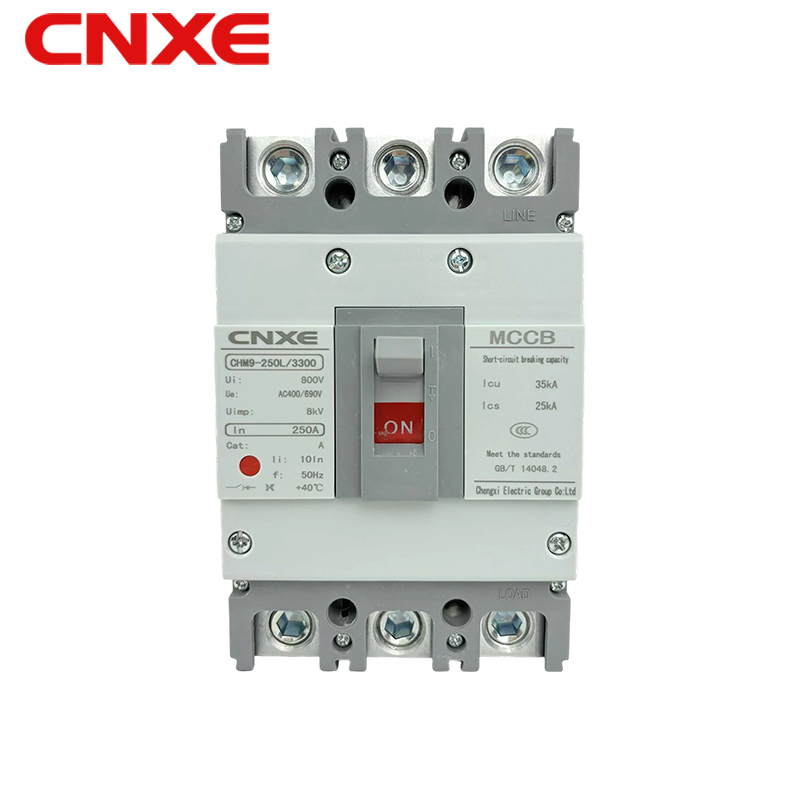
 The company is committed to providing high-quality electrical products and excellent customer service. We not only supply exquisite, top-tier products to meet your needs but also back them with a sincere and comprehensive after-sales service guarantee.
Contact Us
 +86-18067486879
 [email protected]
 281 Wei 15th Road, Yueqing Economic Development Zone, Zhejiang, China
Copyright © Chengxi Electric Group Co., Ltd. All Rights
Reserved

High Voltage Transformer & Electrical Circuit Breaker Factory




 English
  Français
  中文简体
中文简体  русский
  Español
  عربى
عربى