Date:2026-10-23
When a consultant marks up a panel drawing with "replace 3P ATS with 4P Automatic Transfer Switch", the panel builder usually has a day to find out why, and the answer comes down to a single conductor: the neutral. The question reaches distributors too, often before the order is placed. Phase conductors are easy to account for. The neutral is where two power sources can quietly interfere with each other, and the pole count on the nameplate decides whether the switch deals with it or leaves it to the installer.
A pole is one switched conductor. A 2P unit switches a phase and a neutral, which suits single-phase loads. A 4P unit switches three phases and a neutral, for three-phase four-wire systems. The CXQ2-100 on the product page is a dual power automatic transfer switch listed as 2P/4P, so both versions come from the same family. The difference that matters to a buyer is not size. A 3P unit leaves the neutral permanently connected to both sources, while a 4P Automatic Transfer Switch opens and closes the neutral together with the phases.
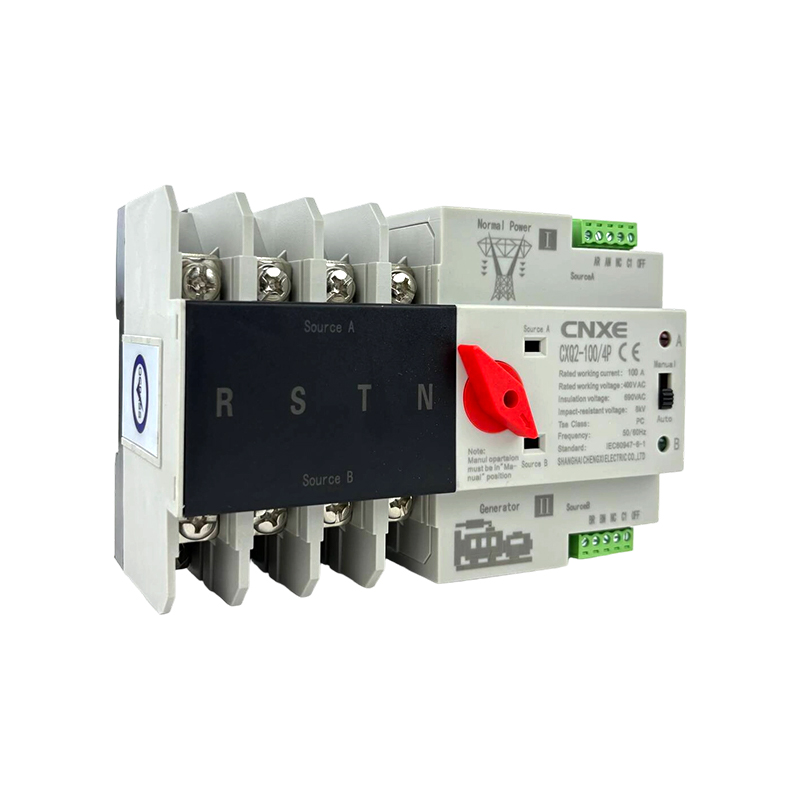
A building fed from the mains has a neutral that is bonded to earth at the transformer. A standby generator often has its own neutral, and in many installations that neutral is earthed at the generator as well. With a solid, unswitched neutral, both earth connections end up joined through the load. Part of the neutral current then finds its way back through the earth conductor, protective conductors carry current they were never meant to, and residual current devices can trip with no visible fault. A 4-pole automatic transfer switch breaks the neutral of the source that is not in use, so only one neutral-to-earth connection is live at a time. Whether it is required depends on the earthing system and on local wiring rules, so the final word belongs to the design engineer. It does explain why consultants ask for a 4P Automatic Transfer Switch by name whenever a generator has its own earth.
In Auto mode, the switch watches voltage and frequency on the normal supply. If that supply is lost, drops too low, or loses a phase, it moves the load to the standby supply, and when the mains return, it moves the load back. In Manual mode, a red knob selects normal supply A, standby supply B or Off. The Off position matters for maintenance, because with the knob there, neither source feeds the load and the circuit downstream can be worked on. Indicator lights show where the load sits, red for supply A and green for supply B, with a tower icon for the mains and a generator icon for the backup. Because phase loss is on the list of triggers, a 4P Automatic Transfer Switch moves a three-phase load away from a supply that has lost a phase, instead of leaving motors to run on two.
The product page sets minimum intervals: 30 seconds between automatic transfers and 10 seconds between manual ones. A flickering mains supply could otherwise send the switch back and forth, and every transfer puts a starting load on the generator and a mechanical cycle on the switch. At 30 seconds, the switch can make no more than two transfers in a minute, however unsteady the supply is. The page also asks for a quarterly test of the automatic function and a check of the wiring terminals, since a switch that has not moved for months deserves a trial run and loose terminals heat up under load. The unit must stay inside its marked voltage and current range. The number in the model name suggests a 100 A class, but the rating on the nameplate is what counts when a 4P Automatic Transfer Switch is selected for a feeder.
The page names firefighting equipment, elevators and medical facilities as typical uses, places where an outage is not acceptable. In those projects the pole question belongs to the electrical design from the start, because it touches the earthing scheme, the generator connection, and the RCD settings on the downstream boards. A distributor who can say in one sentence what a 4P ATS does with the neutral saves the consultant a round of questions, and a panel builder who knows it saves a drawing revision. Chengxi Electric Group, which makes the CXQ2 series, lists both 2P and 4P versions, so the choice of a 4P Automatic Transfer Switch or a 2P unit can follow the earthing decision instead of the other way round.
The pole count is cheap to change on a drawing and expensive to change after the cabinet is wired.
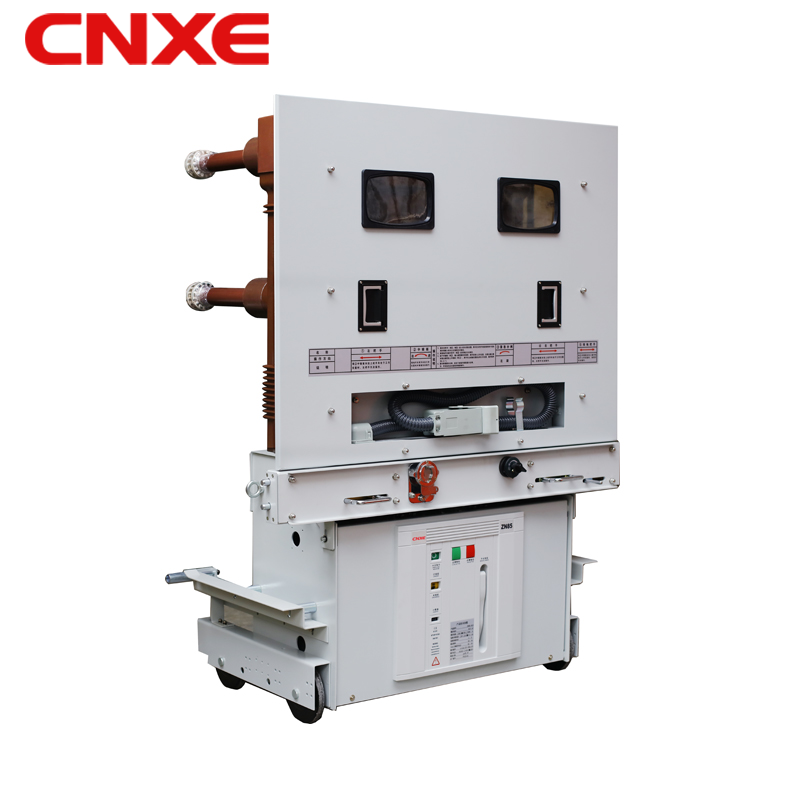
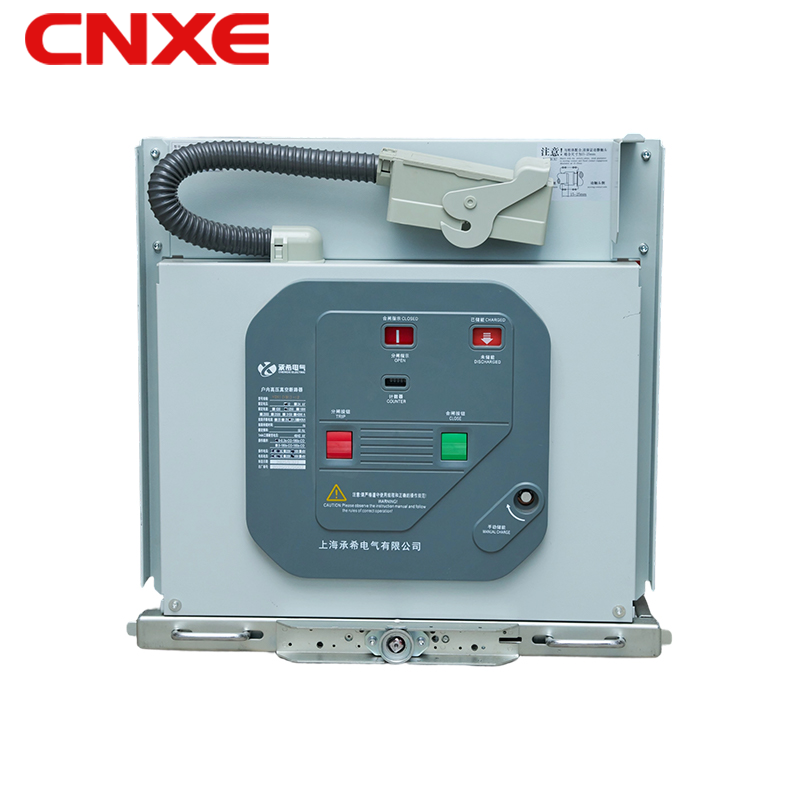
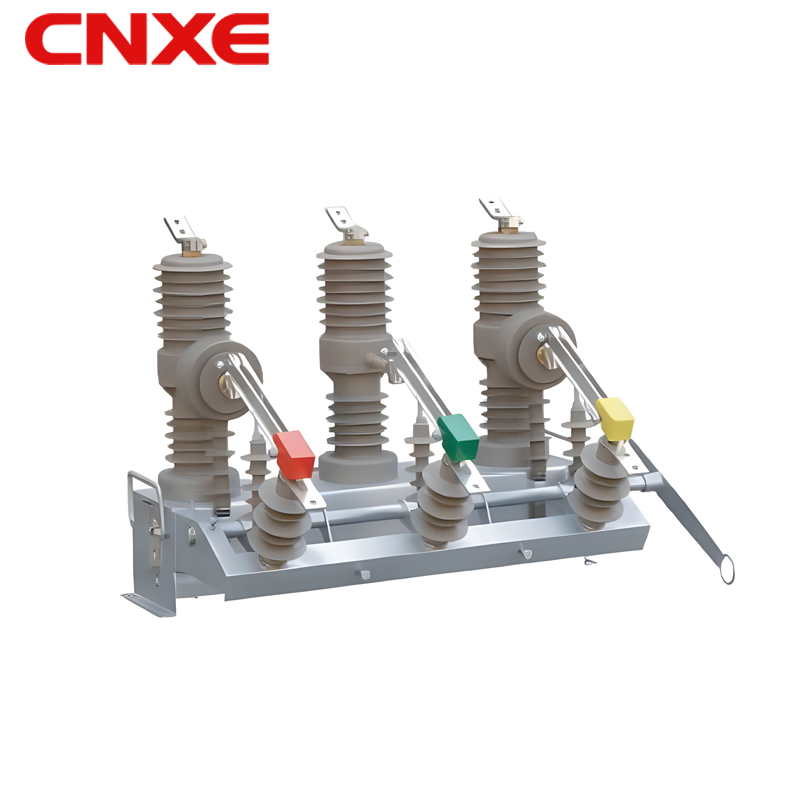
 The company is committed to providing high-quality electrical products and excellent customer service. We not only supply exquisite, top-tier products to meet your needs but also back them with a sincere and comprehensive after-sales service guarantee.
Contact Us
 +86-18067486879
 [email protected]
 281 Wei 15th Road, Yueqing Economic Development Zone, Zhejiang, China
Copyright © Chengxi Electric Group Co., Ltd. All Rights
Reserved

High Voltage Transformer & Electrical Circuit Breaker Factory




 English
 Français
 中文简体
 русский
 Español
 عربى