Date:2026-09-18
A knife switch that closes cleanly on a test bench still has to prove itself under a very different condition once installed: a fault current pushing well beyond normal load, arriving without warning at a moment when the blades are either fully engaged or fully open. A fuse type knife switch carries this responsibility by combining a visible, physical disconnect with a fuse element rated to interrupt exactly this kind of surge, and the clearance between the open blades has to hold up to that duty on whatever fault the switch happens to see, including the earliest one after installation.
A fuse type knife switch built with double- or multi-break contacts spaces the blades apart by a margin calculated against the standard clearance and creepage distances required for the switch's voltage rating, not by an arbitrary amount left over from the housing design. This spacing determines how reliably the switch prevents arc restrike or flashover across the open contacts once the blades separate, particularly in a distribution circuit carrying high short-circuit current and a low power factor. Chengxi Electric Group Co., Ltd. holds this clearance to the specific tolerance called for at each voltage rating across its HH15, HR5, HR6, and HR17 series, rather than applying one blanket spacing standard across every current rating in the lineup.
A visible isolation gap confirms to a maintenance technician, without relying on any indicator light or electronic signal, that a circuit is physically de-energized before work begins, which is the foundation of lockout/tagout procedure on equipment protected by a fuse type knife switch. This visible confirmation matters because it does not depend on any component that could itself fail or give a false reading, unlike a status light that draws its own power from the circuit it is meant to represent. The blade position is either open to the eye or it is not, and that physical fact is what a technician relies on before touching downstream equipment.
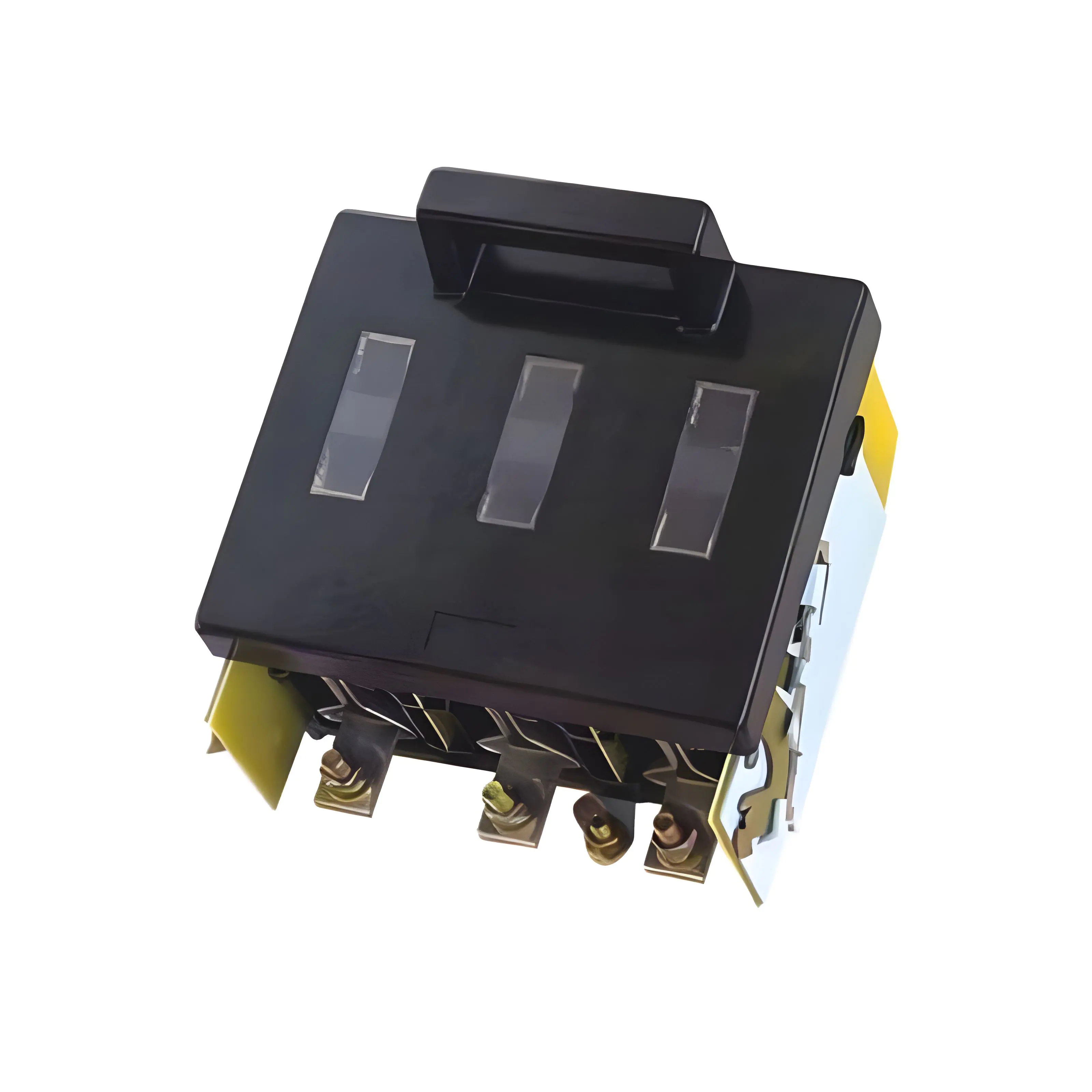
Integrated fuse protection built into a fuse type knife switch means the fuse element and the isolating blades are engineered as one coordinated assembly rather than a switch and a separately purchased fuse holder bolted together after the fact. This coordination matters because the switch has to remain mechanically sound and safely spaced even as the fuse clears a fault, since a switch that flexes or shifts position during a fault event undermines the very isolation function it was installed to provide. Chengxi Electric Group Co., Ltd. designs the blade mounting and the fuse holder within the HR17B series and related lines as a single mechanical system rather than treating the two functions independently during development.
A fuse type knife switch rated for up to 3,000 mechanical operations gives a buyer a concrete figure to plan around for a switch used as a main or general disconnect, a role where the switch operates far less frequently than a device handling routine daily switching. This lower operating frequency is part of why a knife switch can rely on a simpler mechanism than a more automated breaker, since the design only needs to remain reliable across a modest number of manual operations spread over a long service life rather than thousands of automated cycles per year. Production testing at Chengxi Electric Group Co., Ltd. verifies contact conductivity and insulation performance against this operational life expectation before a unit ships.
Buyers specifying a fuse type knife switch for industrial, commercial, or utility distribution equipment should confirm the specific current rating, pole configuration, and voltage class match the application's actual short-circuit and power-factor conditions rather than selecting based on physical size alone. Chengxi Electric Group Co., Ltd. supports these specifications across a wide current range and multiple pole configurations, and buyers placing volume orders for switchgear assembly should confirm production capacity and testing documentation for the specific series and rating combination their project requires.
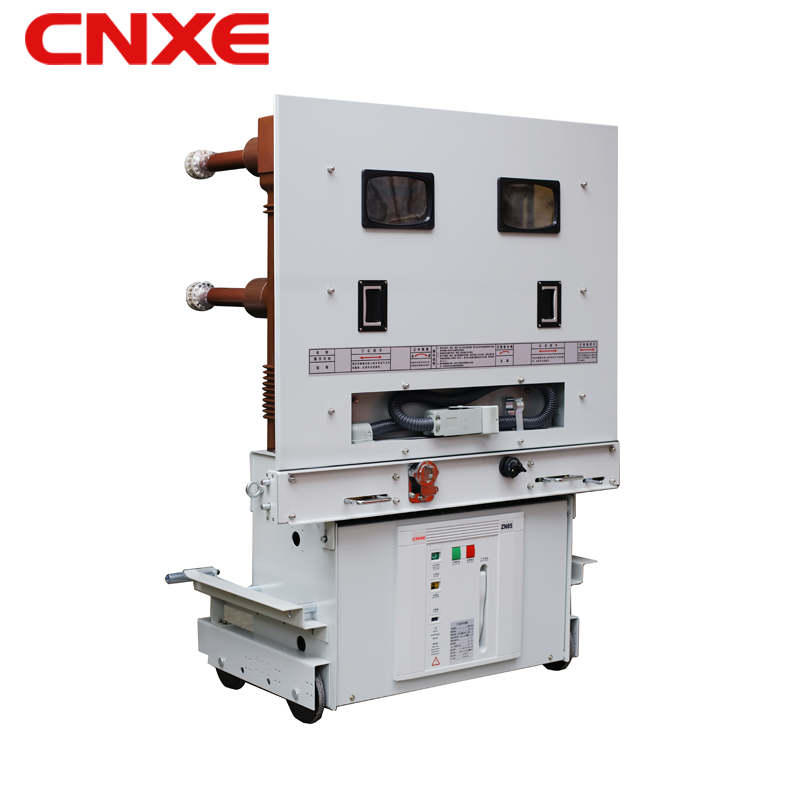
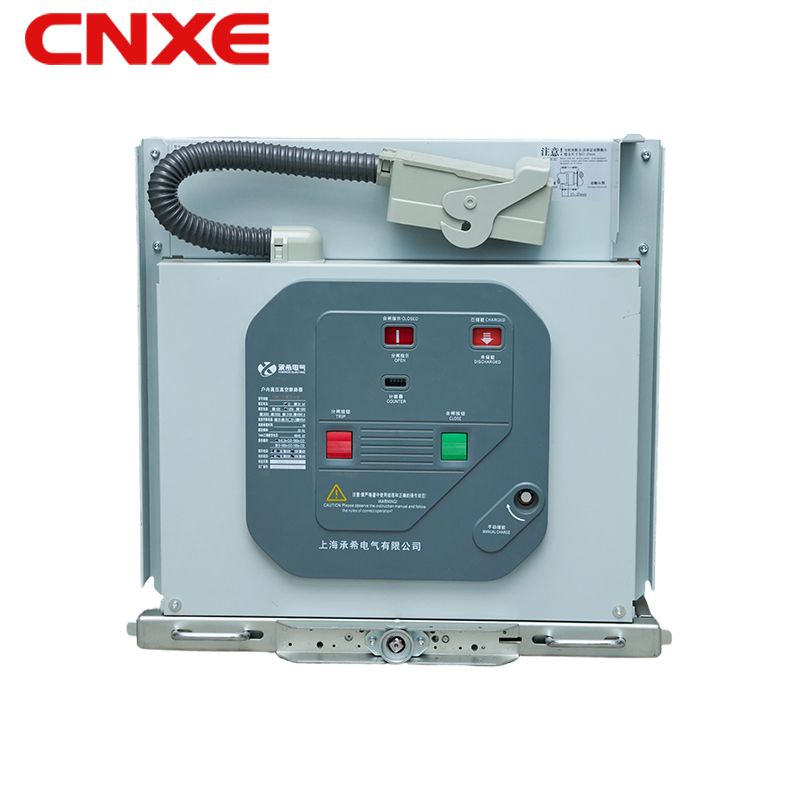
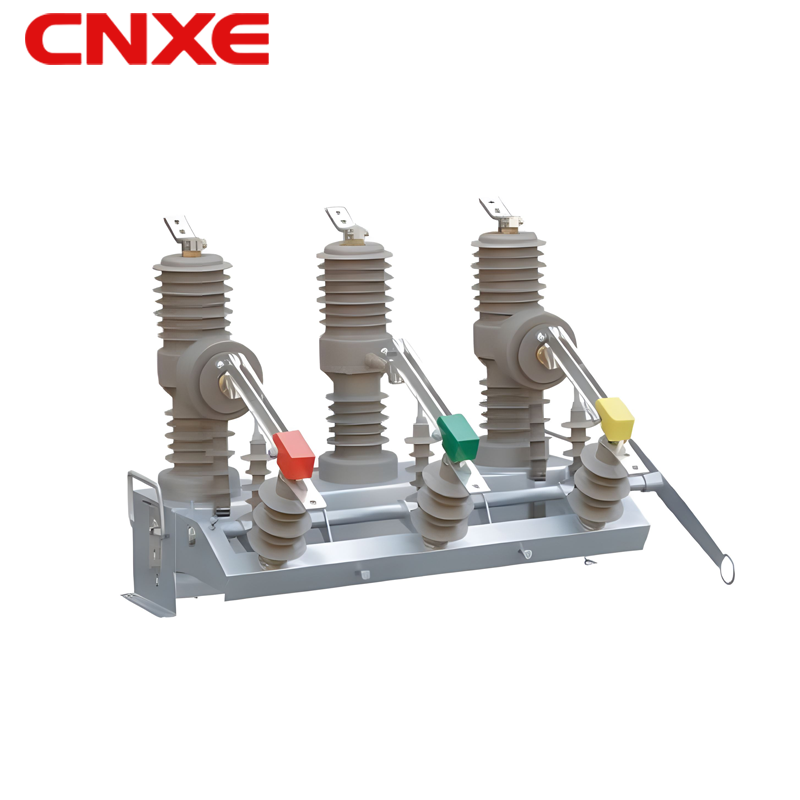
 The company is committed to providing high-quality electrical products and excellent customer service. We not only supply exquisite, top-tier products to meet your needs but also back them with a sincere and comprehensive after-sales service guarantee.
Contact Us
 +86-18067486879
 [email protected]
 281 Wei 15th Road, Yueqing Economic Development Zone, Zhejiang, China
Copyright © Chengxi Electric Group Co., Ltd. All Rights
Reserved

High Voltage Transformer & Electrical Circuit Breaker Factory




 English
  Français
  中文简体
中文简体  русский
  Español
  عربى
عربى