Date:2026-09-25
Every circuit breaker has to solve the same basic problem the moment its contacts separate under load: an electric arc forms across the gap, and something has to extinguish that arc quickly and safely before it damages the equipment or the breaker itself. A low voltage air circuit breaker solves this using atmospheric air as the medium that cools and interrupts the arc, a fundamentally different approach from the oil, gas, or vacuum environments other breaker types rely on for the same purpose.
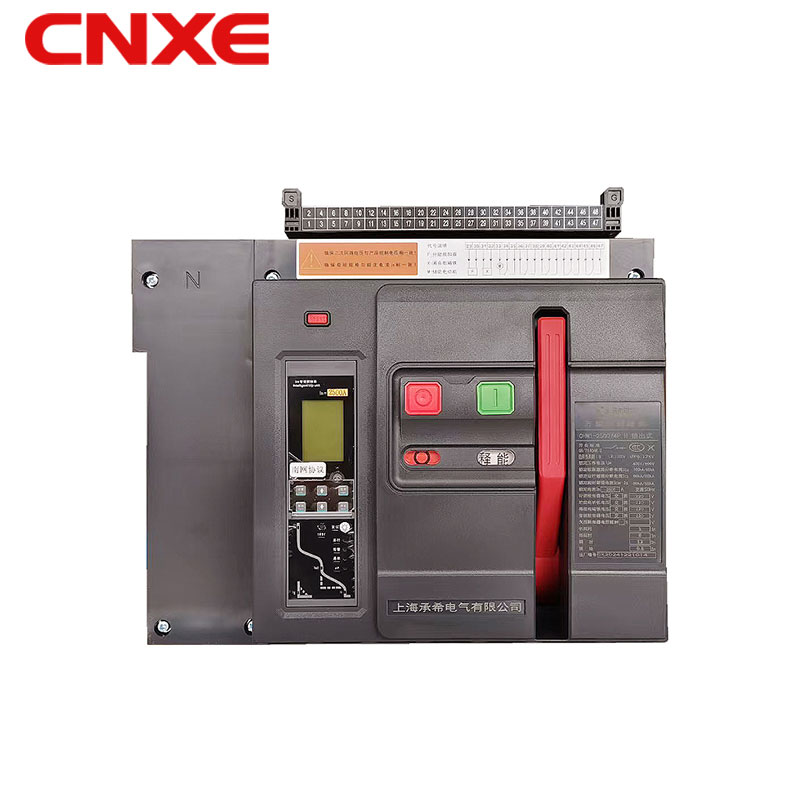
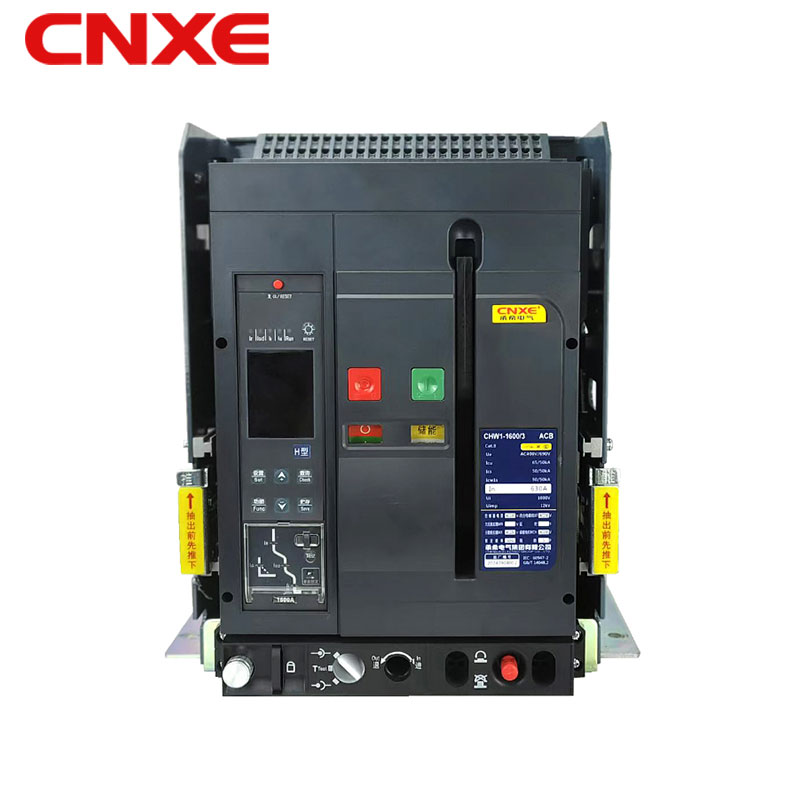
The arc chute quenching mechanism inside a low voltage air circuit breaker channels the arc that forms as the contacts open into a series of metal plates or fins, which cool the arc and divide it into smaller sections that extinguish far more readily than one continuous arc would on its own. This design lets the breaker interrupt substantial fault currents without the sealed chamber a vacuum breaker requires or the specialized insulating gas a gas-insulated breaker uses, keeping the mechanism simpler to inspect and maintain over the equipment's service life. Chengxi Electric Group Co., Ltd. builds this arc chute geometry into its CHW1 series frame breakers across a current range spanning 200A to 6,300A, sizing the chute to the breaker's rated interrupting capacity at each frame size.
A low voltage air circuit breaker using atmospheric air avoids the sealed enclosures and specialized handling procedures that come with a vacuum interrupter or an SF6 gas chamber, since technicians can inspect the arc chute and contacts directly without the risk of breaching a sealed environment or handling a regulated insulating gas. This accessibility matters directly for routine maintenance schedules, where cleaning, contact inspection, and mechanical linkage checks happen more readily on a design that opens for direct visual and physical access rather than one built around a sealed interrupting chamber.

Low voltage switchgear protection built around this air-interruption principle covers operating voltages from 400V to 690V and current ratings extending up to 6,300A in Chengxi Electric Group Co., Ltd.'s CHW1 lineup, giving the same fundamental arc-quenching approach room to scale from mid-size commercial installations up to large industrial and utility distribution systems. A low voltage air circuit breaker at the higher end of this range still relies on the same air-cooling and arc-division principle used at lower ratings, scaled up through a larger chute and heavier contact structure rather than a different interrupting technology altogether.
Whether installed as a fixed unit or a withdrawable drawout breaker, a low voltage air circuit breaker carries the same arc chute and contact assembly regardless of mounting configuration, since the interrupting mechanism itself does not change based on how the breaker connects to the switchgear cabinet. The drawout format adds a racking mechanism that lets the breaker be withdrawn for maintenance without disturbing the rest of the panel, a practical advantage for facilities that need to service one circuit without shutting down an entire distribution board, but this convenience sits on top of the same underlying arc-interruption design used in a fixed-mount unit.
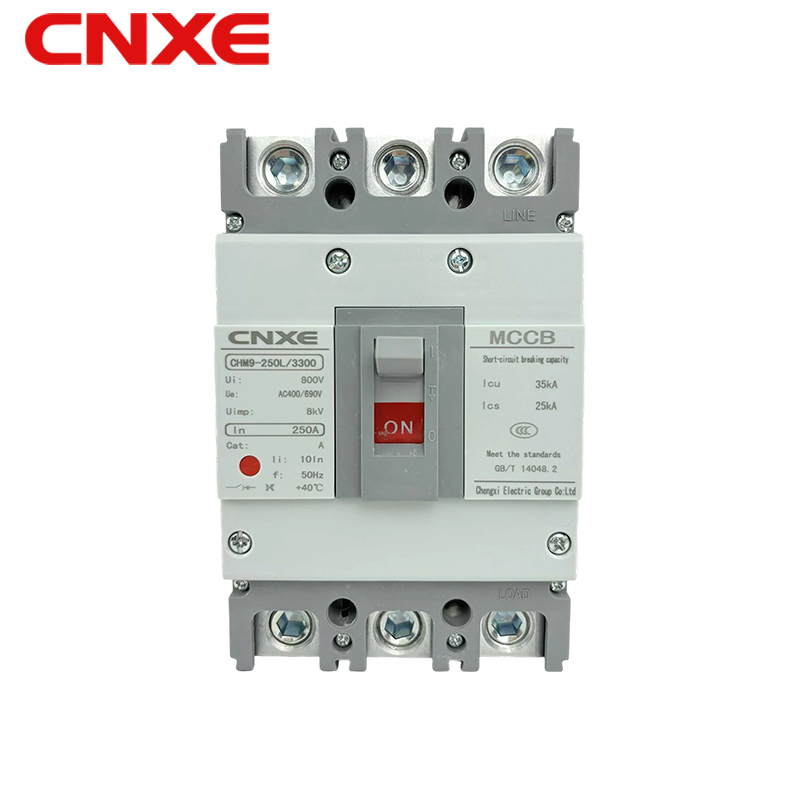
Buyers specifying a low voltage air circuit breaker for a new distribution project should confirm compliance with IEC 60947-2 and the corresponding GB/T 14048.2 standard, along with the specific ambient temperature, altitude, and pollution degree ratings relevant to the installation environment, since these environmental factors affect how the breaker's rated performance holds up in practice. Chengxi Electric Group Co., Ltd. tests its breaker lines against these standards across the full current and voltage range it manufactures, and buyers placing volume orders for a multi-panel installation should confirm production capacity and delivery scheduling against the project's actual installation timeline before finalizing a purchase order.
 The company is committed to providing high-quality electrical products and excellent customer service. We not only supply exquisite, top-tier products to meet your needs but also back them with a sincere and comprehensive after-sales service guarantee.
Contact Us
 +86-18067486879
 [email protected]
 281 Wei 15th Road, Yueqing Economic Development Zone, Zhejiang, China
Copyright © Chengxi Electric Group Co., Ltd. All Rights
Reserved

High Voltage Transformer & Electrical Circuit Breaker Factory




 English
  Français
  中文简体
中文简体  русский
  Español
  عربى
عربى