Date:2026-11-06
A Draw-Out Vacuum Circuit Breaker sits on a wheeled chassis and slides in and out of its switchgear panel. That one design choice changes what maintenance looks like in a substation or a plant distribution room, because the breaker can be moved out of its cubicle without taking the cubicle apart. Chengxi Electric Group Co., Ltd., based in the Yueqing Economic Development Zone in Zhejiang, supplies this type of breaker as a complete primary unit for indoor medium-voltage switchgear.
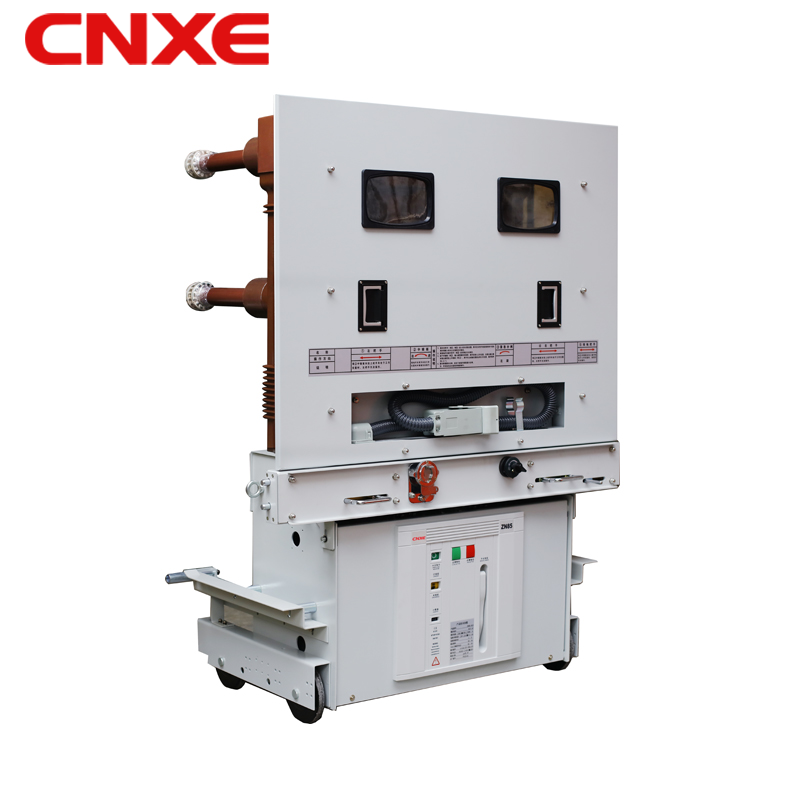
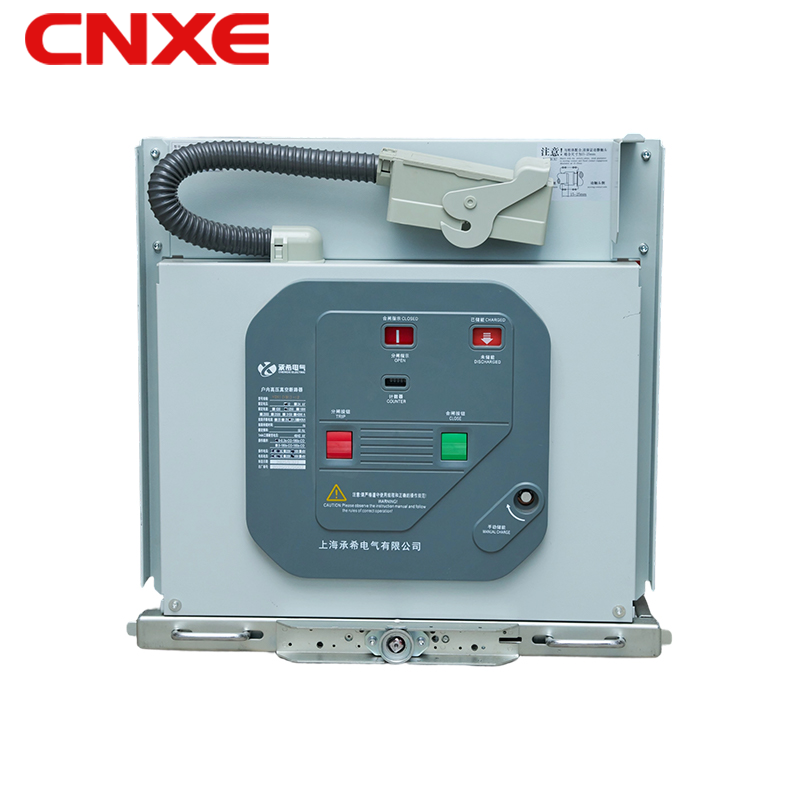
The unit has three solid-sealed poles, each containing a vacuum interrupter, and a front panel with push-button control and a status display. A draw-out chassis, often called a handcart, carries the whole assembly into a metal-clad panel. In industry practice, a draw-out breaker moves between three stations: connected to the main circuit, a test position where the breaker is isolated but its controls can be checked, and a fully withdrawn position outside the panel.
The middle station is worth a closer look. With the breaker racked to test, a technician can close and open it to confirm the mechanism and the control circuit, while the busbars and cable terminals in the panel stay isolated from the breaker. A Draw-Out Vacuum Circuit Breaker therefore supports routine checks that a fixed breaker allows just with the circuit de-energized around it.
A spring-stored-energy operating mechanism provides closing and opening. A spring is charged beforehand, either by hand or by a motor, and released when the close command arrives. Because the energy is already stored, the breaker does not depend on the supply at the moment of operation, which matters in a fault when voltage may be depressed.
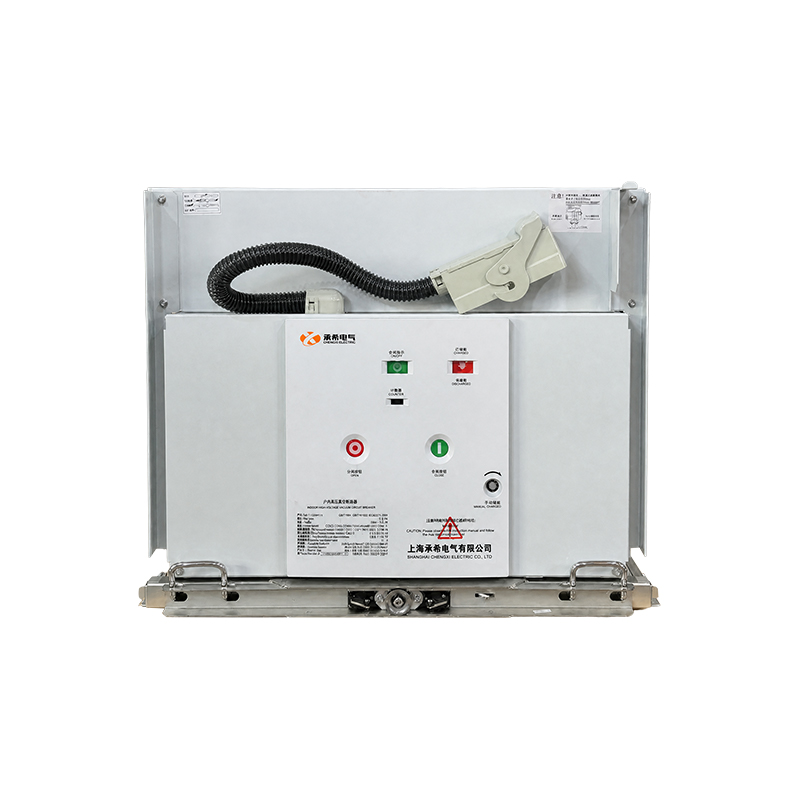
Vacuum interrupters suit this arrangement. Contacts inside a sealed vacuum bottle travel a short distance, so the mechanism works with a compact stroke. The interrupter needs no gas or oil handling, and a sealed pole leaves no arc-quenching medium to refill. For a plant maintenance team, the work on a Draw-Out Vacuum Circuit Breaker centers on the mechanism, the contacts' wear and the control circuit.
Industrial plants often face the same trade-off: a breaker needs inspection, but the process it feeds cannot stop for long. A Draw-Out Vacuum Circuit Breaker shortens that gap. The breaker is racked out, a spare unit of the same rating is racked in, and the feeder returns to service while the removed breaker is serviced on the bench.
Chengxi's drawer-type Draw-Out Vacuum Circuit Breaker models are made for this routine, with the chassis and the panel engaging as a matched pair. They are offered in the VCX1 range at 12 kV, with rated currents of 2500 A, 3150 A and 4000 A and short-circuit breaking currents of 25 kA and 31.5 kA. Fixed-mounted versions at 3150 A and 4000 A serve panels where withdrawal is not needed.
Metal-clad switchgear for draw-out breakers commonly includes shutters over the live contacts when the breaker is withdrawn, and interlocks that stop a closed breaker from being moved. These belong to the panel design, and the breaker is fitted into that system by the switchgear manufacturer. The breaker within it carries out three duties: switching load current in normal operation, clearing short-circuit faults to protect cables, transformers and switchgear, and isolating circuits for safe inspection.
The third duty is the one that gives the draw-out form its value. When a breaker clears a short circuit, the contacts have carried a heavy duty, and an inspection afterward is routine practice. With a handcart, that inspection begins by rolling the breaker out, and a spare can take its place so the feeder is not left dark. A Draw-Out Vacuum Circuit Breaker makes that exchange a matter of rolling one unit out and another in.
The same logic holds for planned shutdowns. In a petrochemical plant, a feeder serving a compressor motor can be racked out during a scheduled stop. Chengxi counts electric power, nuclear power, national defense, petrochemicals, metallurgy, coal and railways among the sectors it supplies, where continuity of supply carries weight, and a Draw-Out Vacuum Circuit Breaker supports that need.
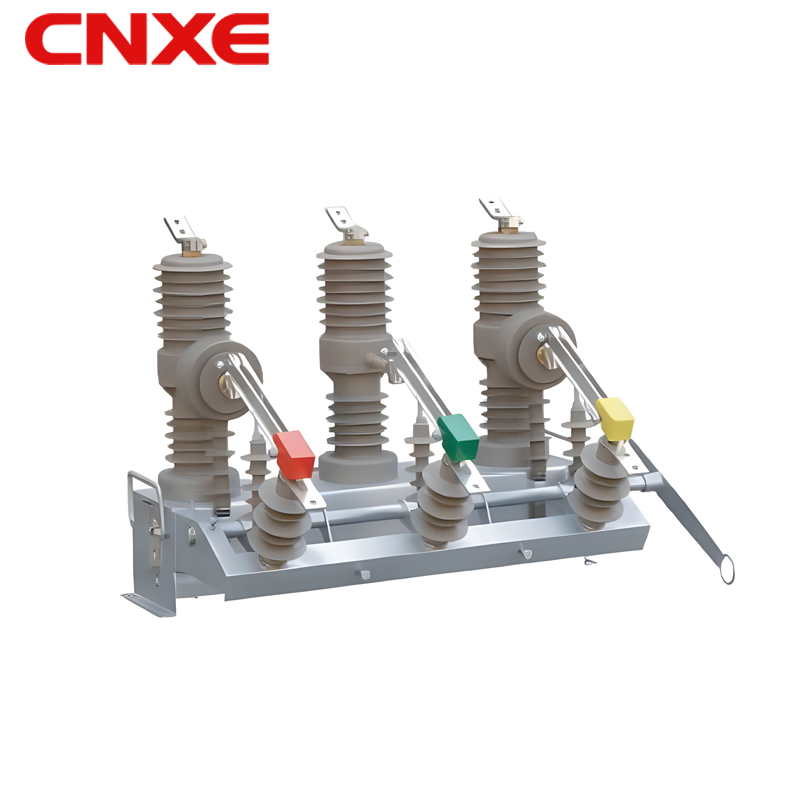
A fixed breaker sits bolted in the cubicle, while a Draw-Out Vacuum Circuit Breaker adds the chassis and the extra stations. Chengxi's range carries both mountings at 12 kV, so the choice rests with the panel design and the maintenance plan of the site.
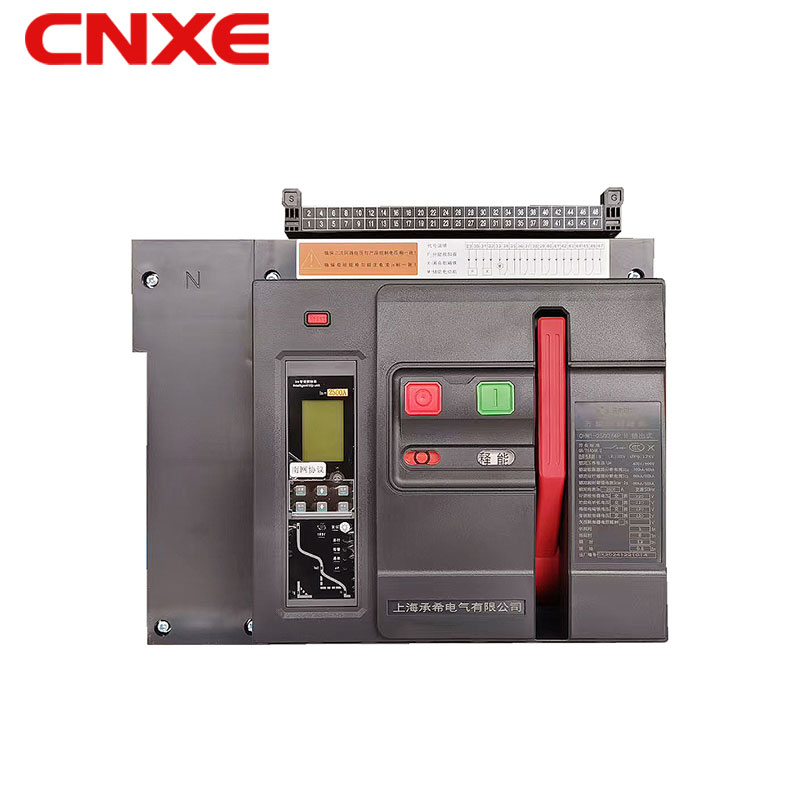
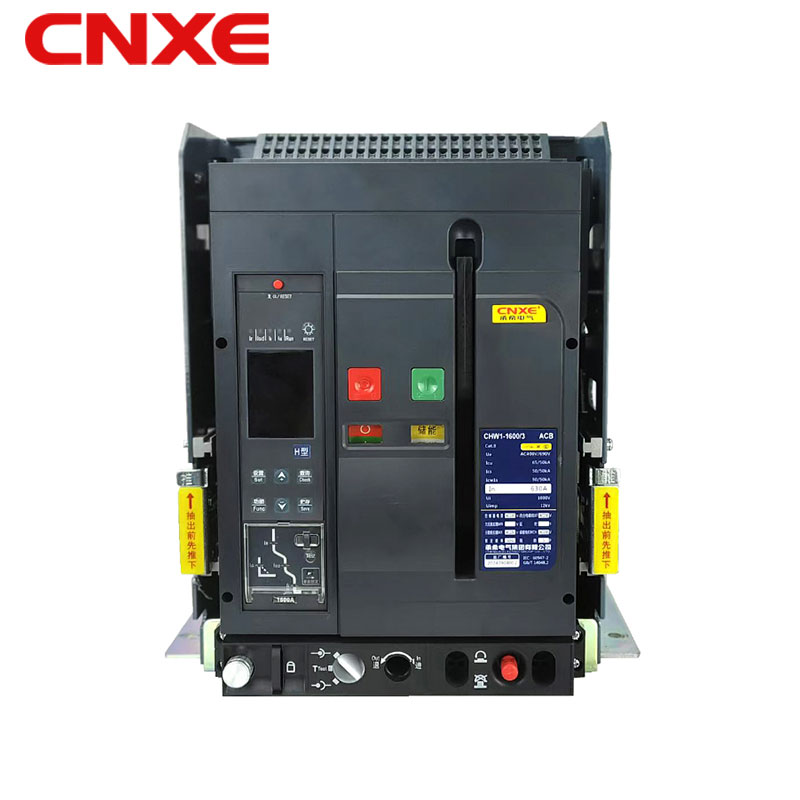
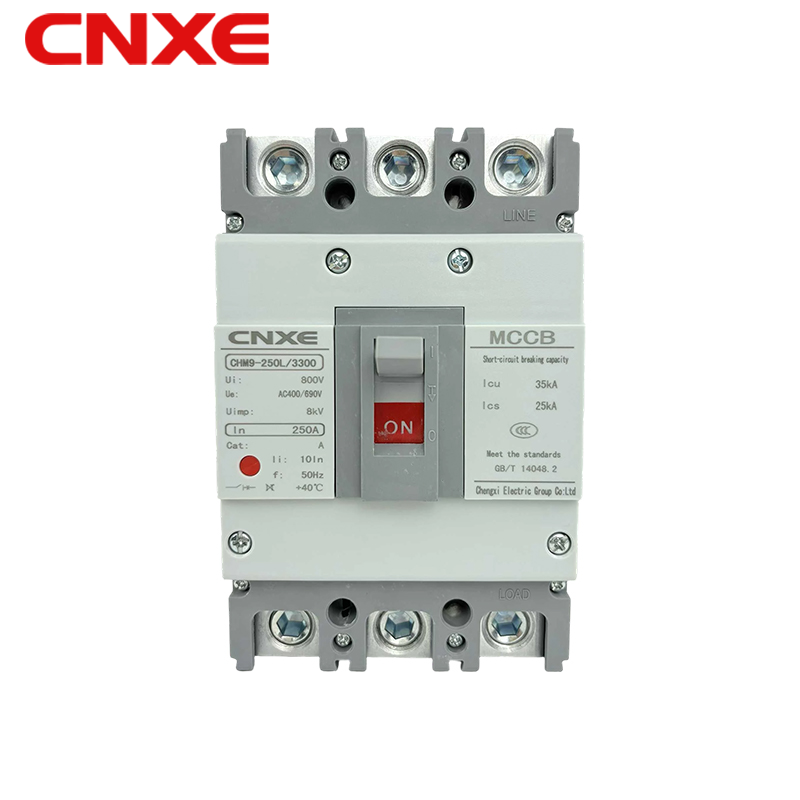
 The company is committed to providing high-quality electrical products and excellent customer service. We not only supply exquisite, top-tier products to meet your needs but also back them with a sincere and comprehensive after-sales service guarantee.
Contact Us
 +86-18067486879
 [email protected]
 281 Wei 15th Road, Yueqing Economic Development Zone, Zhejiang, China
Copyright © Chengxi Electric Group Co., Ltd. All Rights
Reserved

High Voltage Transformer & Electrical Circuit Breaker Factory




 English
 Français
 中文简体
 русский
 Español
 عربى