Date:2026-11-13
Reactive current loads cables and transformers without doing useful work, and an Intelligent Low Voltage Power Capacitor is the unit in the distribution room that offsets it at the point of use. Chengxi Electric Group Co., Ltd. builds this unit as a factory-assembled module that joins a self-healing capacitor element, a switching device and a control module with an LCD display in a single enclosure.
Motors, compressors, welders and lighting circuits draw reactive current in different amounts as a shift changes, so the power factor at the incoming feeder keeps moving. A fixed capacitor bank sized for full load over-compensates when the plant is quiet, and one sized for light load leaves the feeder under-compensated at peak. Switched compensation handles the swing, and an Intelligent Low Voltage Power Capacitor does it with a control module that watches the feeder, connects capacity when the power factor drops and releases it when the power factor recovers. Lower line losses and a steadier power factor reading at the meter follow from that steady correction.
Each Intelligent Low Voltage Power Capacitor in the CHZNS/450 range divides its capacity into two capacitor groups inside the one enclosure, with splits running from 5+5 on the smallest module to 30+30 on the largest. Two groups let the unit connect one group or both, which gives a cabinet finer correction steps than a single block of the same size. Several modules stacked in an APFC cabinet therefore follow the load in small increments.
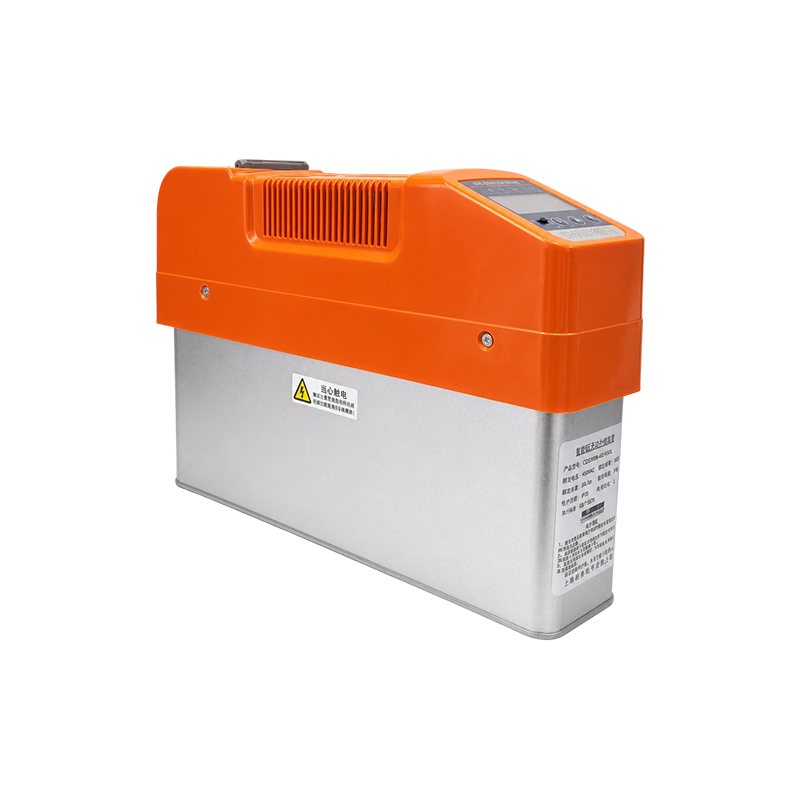
Every switching operation sends an inrush current into the capacitor, and years of switching and voltage disturbances stress the dielectric at its weak spots. The self-healing element answers that stress. When a breakdown occurs at a weak point, the thin metal layer around it vaporizes, the spot is isolated and the element keeps working with only a small loss of capacity. Because the Intelligent Low Voltage Power Capacitor is assembled at the factory as one unit, the capacitor and its switching device reach the site already paired, instead of being chosen separately in the field.
In a conventional capacitor cabinet, each branch is a capacitor, a contactor, the wiring between them and an input from a separate controller, and a fault means tracing across all of those parts. In the Intelligent Low Voltage Power Capacitor, the same functions share one mounting footprint and one set of terminals, so a branch becomes a single item to isolate, remove and replace. The LCD display sits on the module itself, so an electrician reads it at the cabinet before opening anything else.
Commissioning an Intelligent Low Voltage Power Capacitor follows the same logic. One module is wired and set up once, where separate parts would each need their own wiring, checks and settings. For a panel builder working through a batch of cabinets, fewer connections per branch also means fewer places for a loose terminal or a mislabeled wire to hide.
A cabinet full of separate capacitors, contactors and controllers needs room for every part and for the cable runs between them. Distribution rooms often have a fixed cabinet footprint, and an Intelligent Low Voltage Power Capacitor that replaces three separate parts lets the same cabinet carry more compensation branches. When the load grows and more correction is needed, the expansion adds modules in the same mounting style rather than a redesign of the cabinet layout.
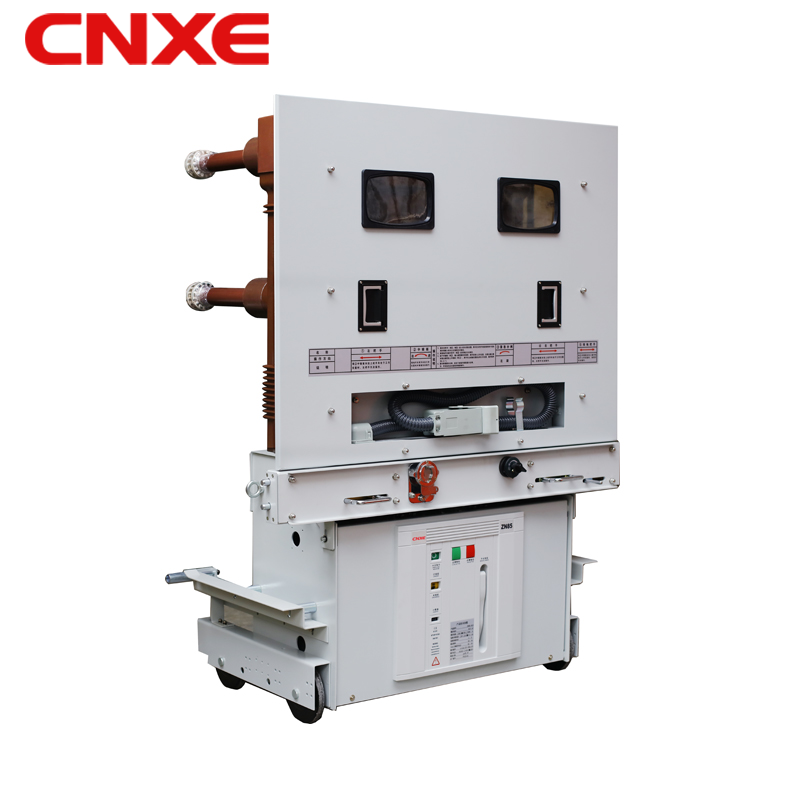
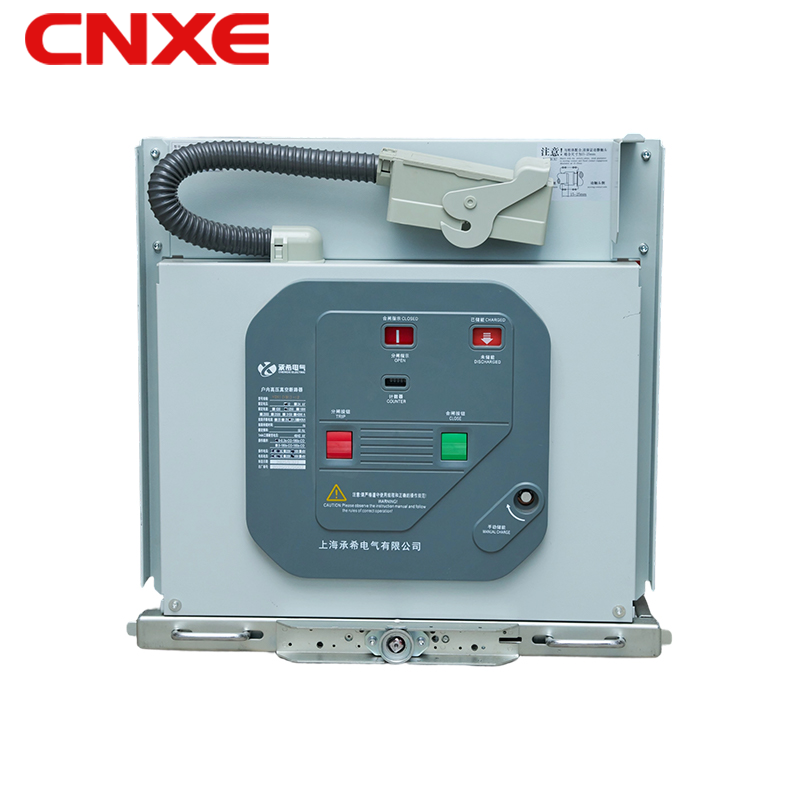
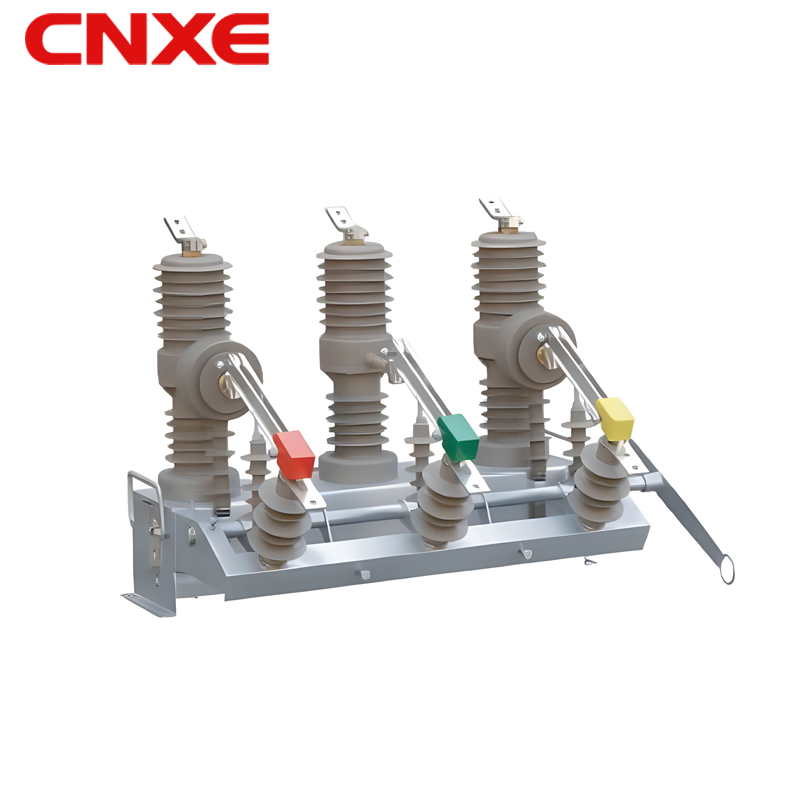
 The company is committed to providing high-quality electrical products and excellent customer service. We not only supply exquisite, top-tier products to meet your needs but also back them with a sincere and comprehensive after-sales service guarantee.
Contact Us
 +86-18067486879
 [email protected]
 281 Wei 15th Road, Yueqing Economic Development Zone, Zhejiang, China
Copyright © Chengxi Electric Group Co., Ltd. All Rights
Reserved

High Voltage Transformer & Electrical Circuit Breaker Factory




 English
 Français
 中文简体
 русский
 Español
 عربى