Date:2026-05-22
For industrial facilities, photovoltaic power stations, and commercial energy systems, unexpected electrical downtime is becoming one of the most expensive operational risks. Across overseas engineering forums and renewable energy discussions, project operators are increasingly focused on one common issue: how to improve electrical system reliability while reducing maintenance interruptions. As modern power systems become more interconnected and operate under higher voltage conditions, traditional protection strategies are no longer sufficient for many demanding applications.
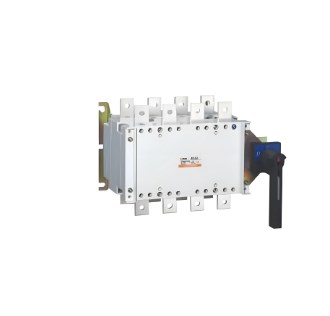
This challenge is driving stronger demand for advanced protection and isolation equipment designed specifically for renewable energy and industrial power distribution environments.
Today’s electrical infrastructure is far more complex than it was a decade ago. Solar energy integration, battery storage systems, industrial automation, and smart grid applications are all increasing the load variability and operational demands placed on low-voltage protection equipment.
Unlike conventional power systems, photovoltaic installations often operate continuously in outdoor environments exposed to heat, humidity, dust, and fluctuating electrical loads. In these conditions, unstable protection equipment can increase the risk of overheating, arc faults, and maintenance shutdowns.
As energy systems continue expanding globally, project operators are placing greater emphasis on long-term operational stability rather than only initial installation cost.
Many conventional protection devices were originally developed for stable AC industrial systems rather than modern DC photovoltaic environments. Under high-voltage solar operating conditions, older protection solutions may experience slower interruption response, increased wear, or unstable thermal performance over time.
This creates practical concerns for EPC contractors and maintenance engineers. Frequent maintenance interruptions can affect power generation efficiency and increase operational workload, especially in large-scale commercial or utility solar projects.
As a result, international buyers are increasingly prioritizing products specifically designed for renewable energy operating conditions.
One noticeable trend in global energy infrastructure projects is the shift toward more application-focused electrical protection systems. Buyers are now looking for products capable of supporting:
This reflects the broader industry movement toward smarter and more resilient electrical system design.
In many international projects, protection equipment selection is now considered part of overall energy system optimization rather than a simple accessory purchase.
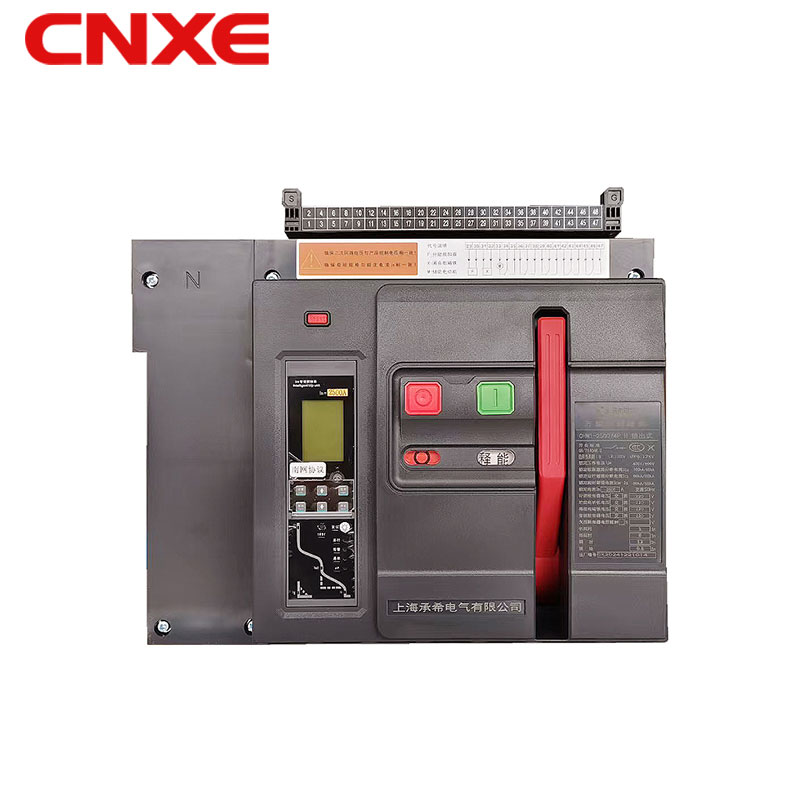
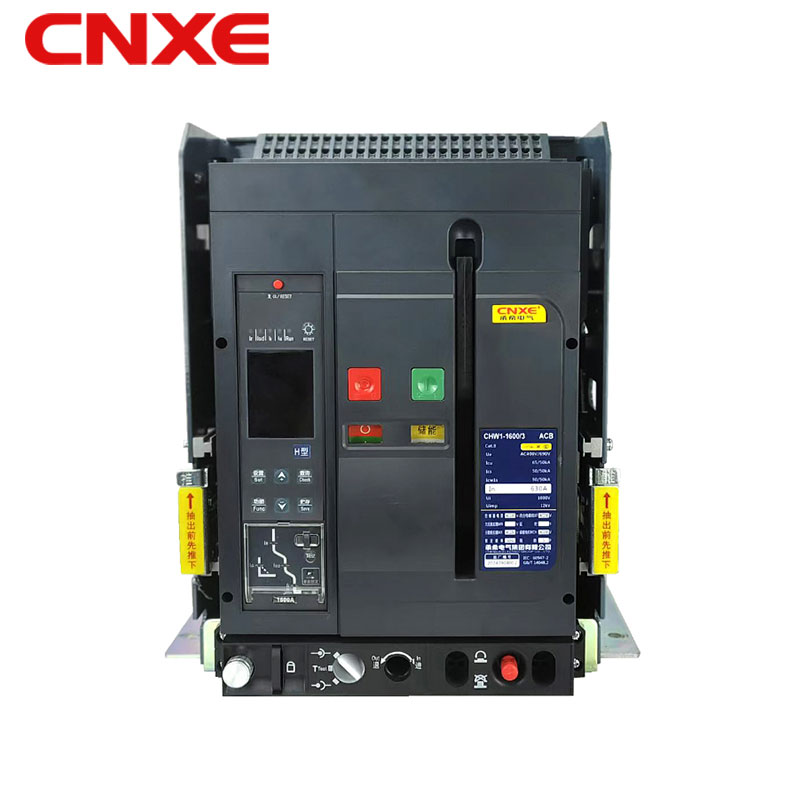
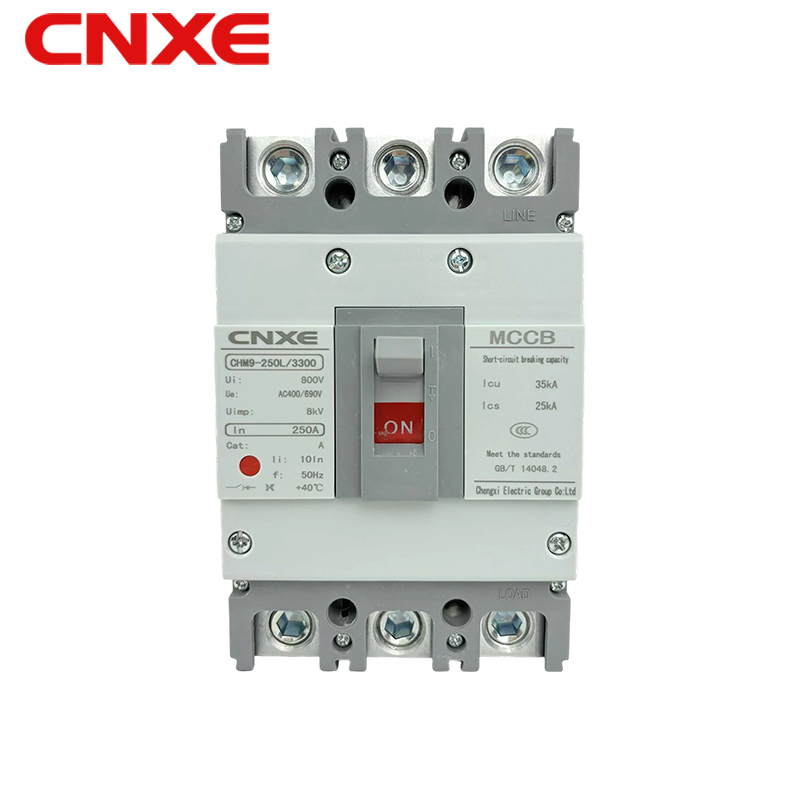
The Photovoltaic High-Voltage Molded Case Circuit Breaker is increasingly used in photovoltaic combiner systems, industrial solar installations, and energy storage applications where stable protection performance is essential.
Compared with traditional circuit protection equipment, products designed for photovoltaic environments are better adapted to higher DC voltage conditions and continuous outdoor operation. Improved structural design and reliable interruption capability help reduce electrical risks while supporting smoother system operation.
For engineering teams, choosing suitable circuit protection equipment can directly influence maintenance efficiency and long-term project reliability.
Even as electrical systems become more intelligent, manual isolation equipment continues playing a critical role in industrial safety management. The Fuse Type Knife Switch remains widely used for visible isolation, maintenance shutdown procedures, and emergency disconnection across industrial and renewable energy applications.
Its practical structure allows maintenance personnel to confirm isolation status more directly during servicing operations. This remains especially important in photovoltaic distribution systems and industrial control environments where operational safety procedures are strictly managed.
Simple but reliable isolation design still holds strong value in modern power systems.
As photovoltaic infrastructure and smart energy systems continue expanding worldwide, electrical protection equipment will face even higher technical expectations. Stability, safety, and long-term operational reliability are becoming key priorities for project developers and industrial users alike.
A dependable Photovoltaic High-Voltage Molded Case Circuit Breaker helps improve protection performance in demanding renewable energy systems, while a reliable Fuse Type Knife Switch continues supporting safe maintenance and operational control across industrial power environments. Together, they reflect the growing importance of smarter and more durable electrical protection strategies for the future energy industry.
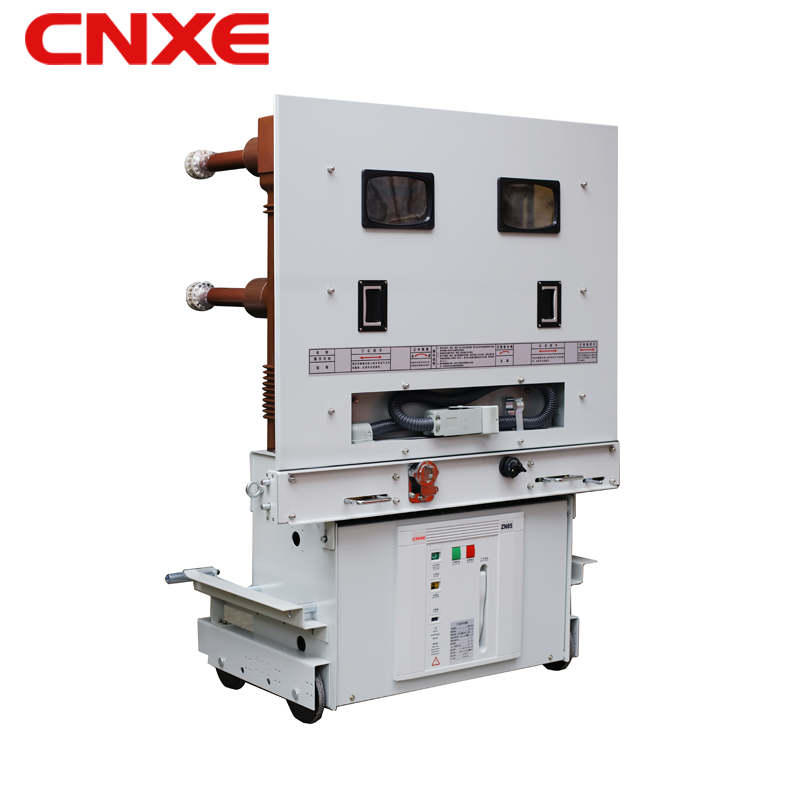
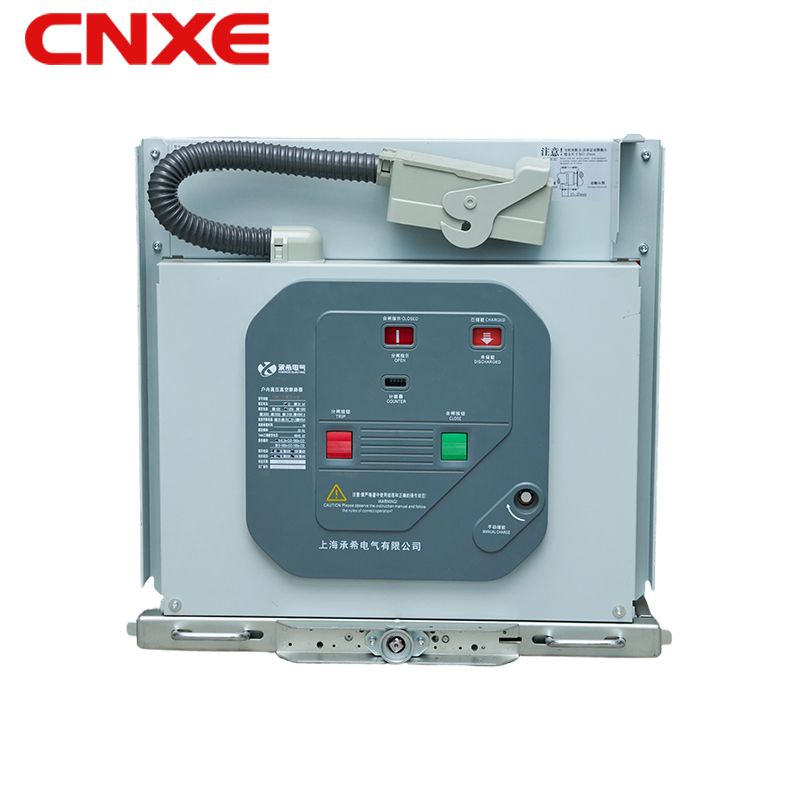
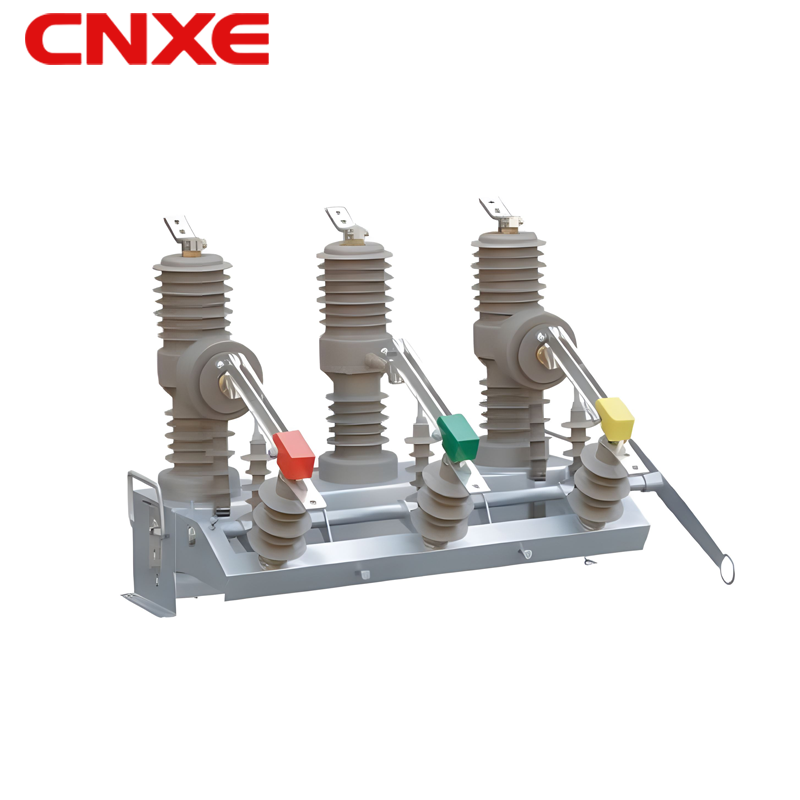
 The company is committed to providing high-quality electrical products and excellent customer service. We not only supply exquisite, top-tier products to meet your needs but also back them with a sincere and comprehensive after-sales service guarantee.
Contact Us
 +86-18067486879
 [email protected]
 281 Wei 15th Road, Yueqing Economic Development Zone, Zhejiang, China
Copyright © Chengxi Electric Group Co., Ltd. All Rights
Reserved

High Voltage Transformer & Electrical Circuit Breaker Factory




 English
  Français
  中文简体
中文简体  русский
  Español
  عربى
عربى