Date:2026-05-01
As power systems expand in scale and complexity, the margin for error becomes increasingly narrow. In many industrial and infrastructure projects, circuit protection is no longer a background component—it is a core element of operational reliability. Solutions such as the Intelligent Universal Circuit Breaker are gaining attention because they offer both protection and system visibility. For project engineers and procurement managers, the question is no longer whether to upgrade, but when advanced technologies should be integrated into existing and new electrical systems.
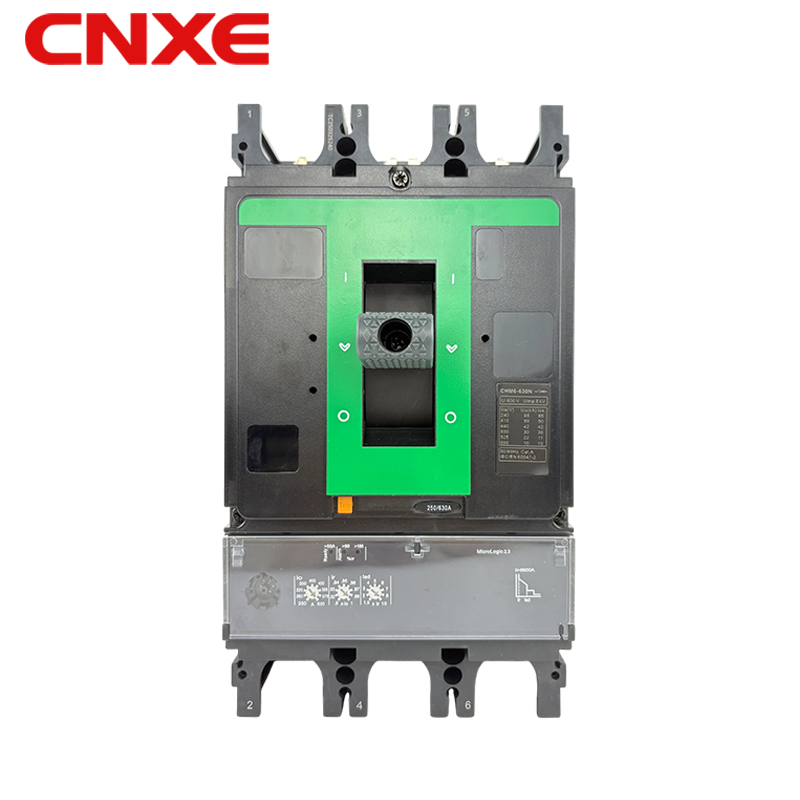
Modern electrical networks are no longer linear or predictable. With the integration of distributed energy resources, electric vehicle charging infrastructure, and automated production systems, load patterns have become more dynamic.
This evolution introduces challenges such as:
In such environments, traditional circuit breakers may not provide sufficient adaptability. Intelligent solutions offer more precise control and better system awareness.
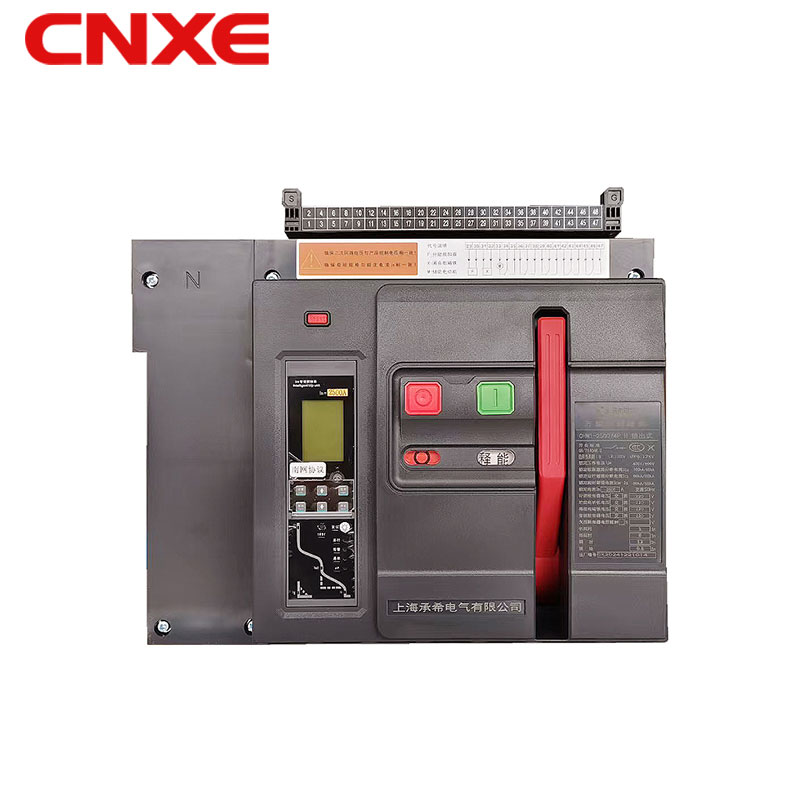
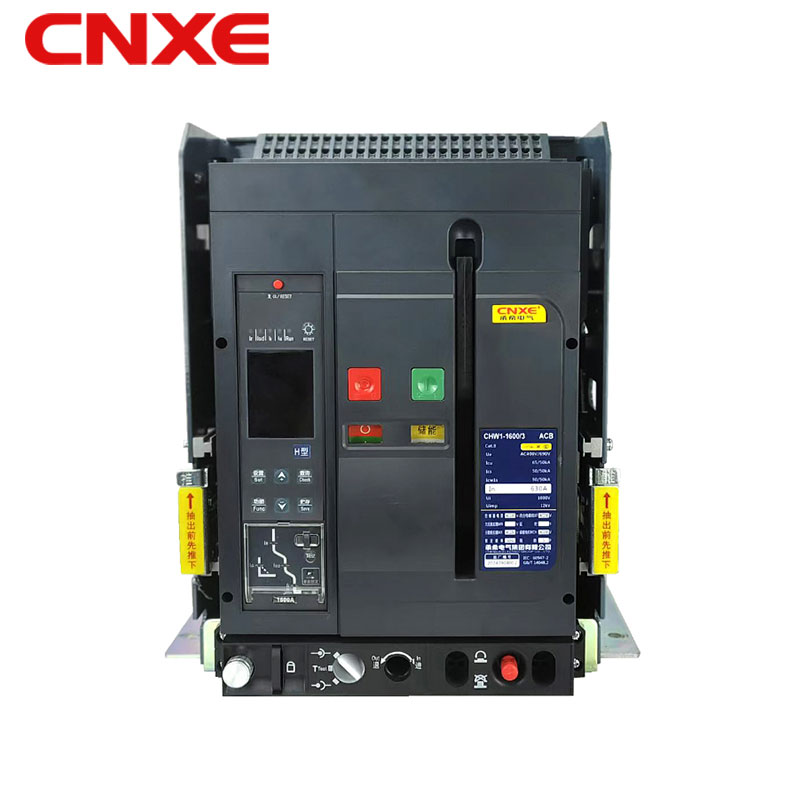
The Intelligent Universal Circuit Breaker is designed to address these challenges by combining protection functions with monitoring and communication capabilities. It enables operators to make informed decisions based on real-time data rather than relying solely on manual inspections.
In practical applications, this translates to:
Faster fault detection and response
Improved load management through adjustable settings
Enhanced visibility into system performance
For facilities operating continuously, such as manufacturing plants or data centers, these features contribute to more stable and predictable operations.
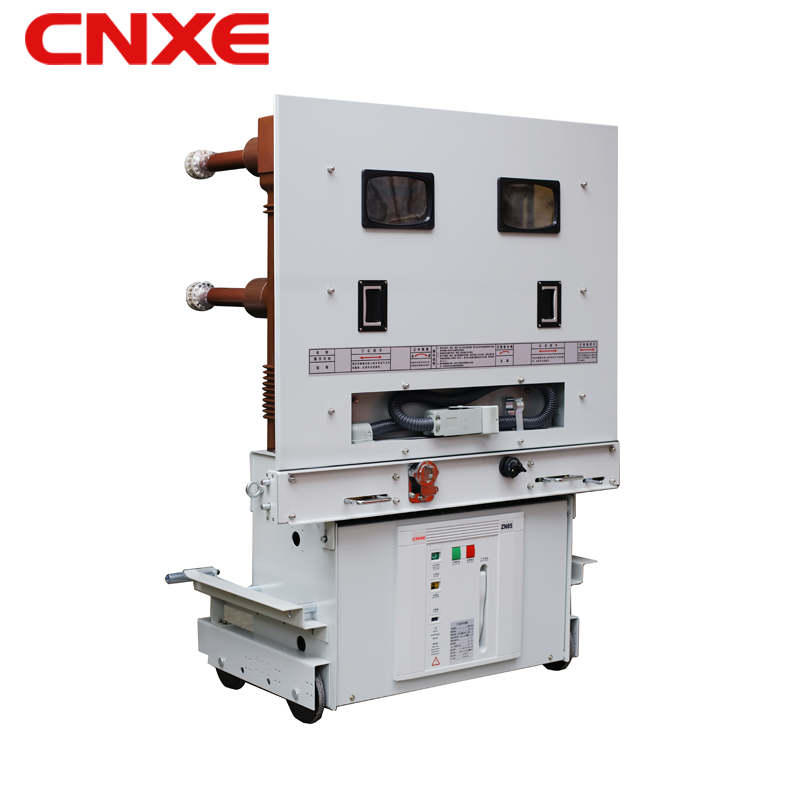
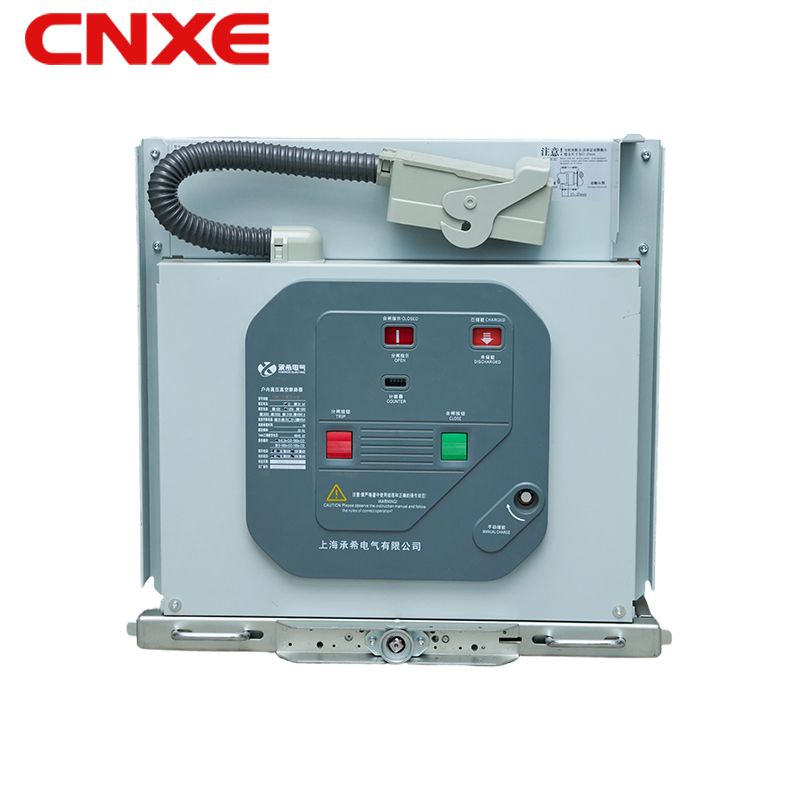
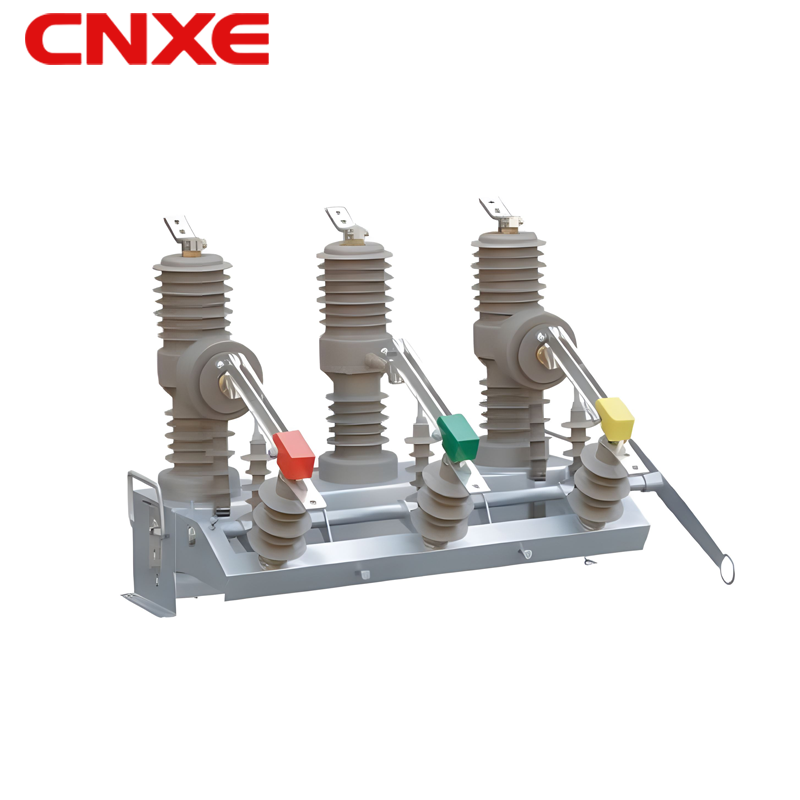
While intelligent breakers enhance low-voltage systems, medium-voltage networks require equally reliable solutions. Vacuum circuit breakers are widely adopted due to their stable arc control and long service life.
They are commonly used in:
Their design minimizes maintenance needs while maintaining consistent performance, making them suitable for both indoor and outdoor installations.
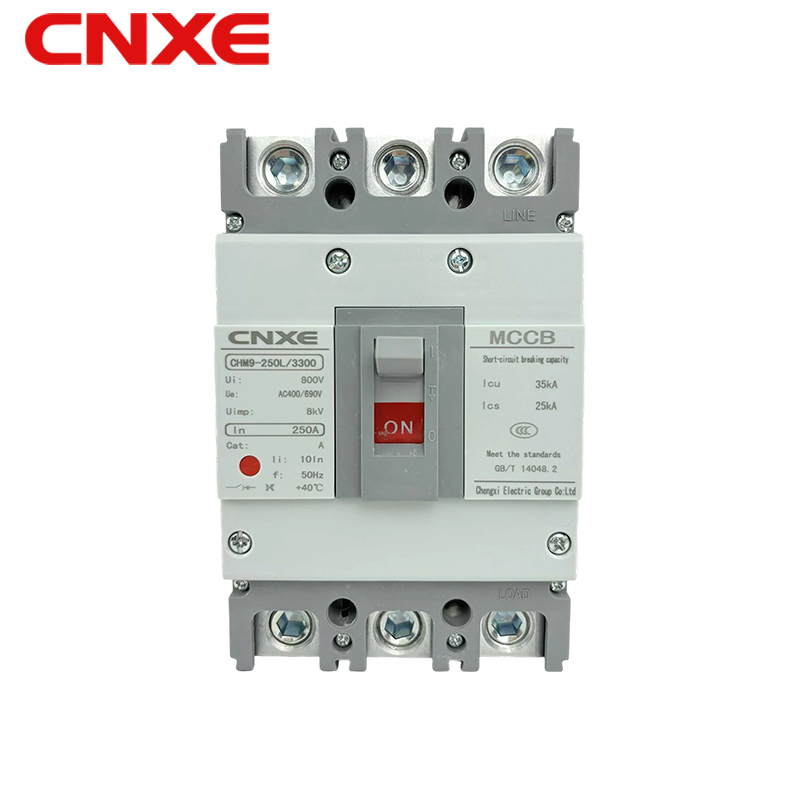
Choosing the right circuit breaker involves balancing technical requirements with operational goals. Buyers should consider:
Electrical ratings that match system demands
Mechanical durability for frequent switching
Environmental resistance for specific installation conditions
Integration capability with monitoring or automation systems
A well-matched solution reduces operational risks and ensures long-term reliability.
From a manufacturer’s standpoint, delivering reliable circuit breakers requires a combination of design expertise and strict production control. This includes:
By focusing on these aspects, manufacturers can provide products that meet the evolving needs of global markets.
Proper installation and ongoing maintenance are essential to maximize the value of circuit breaker systems. Recommended practices include:
Verifying system compatibility before installation
Conducting routine inspections to detect early issues
Keeping operating environments clean and within specified conditions
Training personnel on correct usage and safety procedures
These steps help extend equipment lifespan and reduce unexpected interruptions.
As industries continue to adopt automation and digital monitoring, the demand for advanced protection systems will continue to grow. The transition toward intelligent circuit breakers is not only about adopting new technology—it is about improving overall system resilience.
For global buyers planning infrastructure upgrades or new projects, integrating solutions such as the Intelligent Universal Circuit Breaker alongside dependable medium-voltage equipment like the 35kV indoor and outdoor vacuum circuit breaker provides a balanced approach to performance, safety, and scalability in modern power distribution systems.
 The company is committed to providing high-quality electrical products and excellent customer service. We not only supply exquisite, top-tier products to meet your needs but also back them with a sincere and comprehensive after-sales service guarantee.
Contact Us
 +86-18067486879
 [email protected]
 281 Wei 15th Road, Yueqing Economic Development Zone, Zhejiang, China
Copyright © Chengxi Electric Group Co., Ltd. All Rights
Reserved

High Voltage Transformer & Electrical Circuit Breaker Factory




 English
  Français
  中文简体
中文简体  русский
  Español
  عربى
عربى