Date:2026-04-24
As global energy systems shift toward decentralization and digitalization, the need for advanced protection equipment is becoming increasingly evident. Technologies such as the Intelligent Universal Circuit Breaker are now central to modern power infrastructure, enabling real-time monitoring, adaptive protection, and improved operational control. For utilities, EPC contractors, and industrial buyers, selecting the right circuit breaker solutions is no longer just about safety—it is about building resilient and future-ready electrical networks.
The integration of renewable energy sources such as solar and wind is reshaping how electricity is generated and distributed. Unlike traditional centralized systems, these new energy structures introduce variability and complexity.
This shift places higher demands on protection devices. Circuit breakers must now respond not only to faults but also to dynamic load changes and bidirectional power flows. Intelligent systems provide the flexibility needed to manage these conditions effectively, supporting stable grid operation even under fluctuating energy inputs.
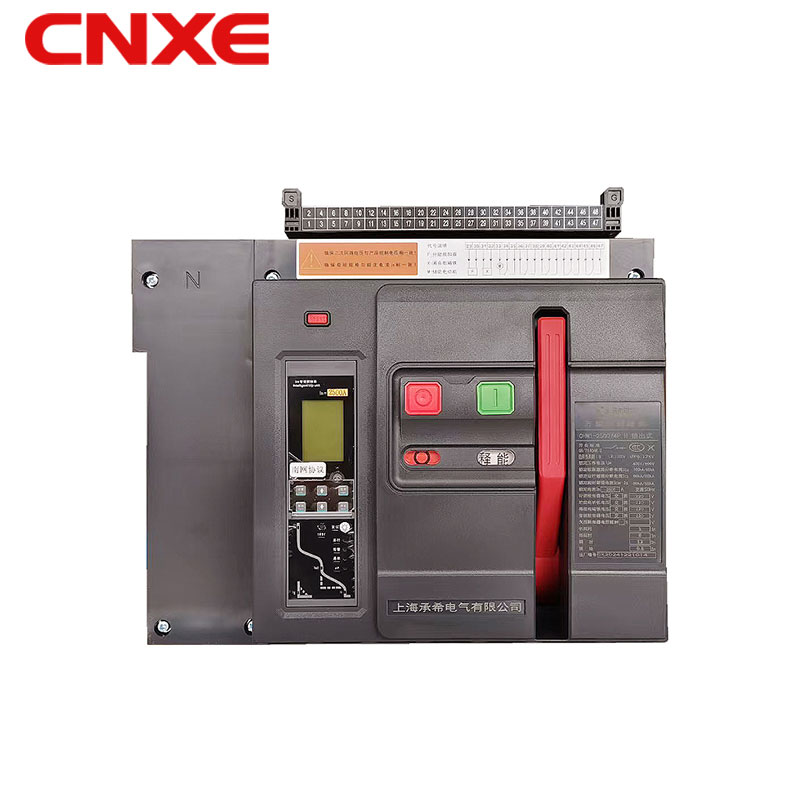
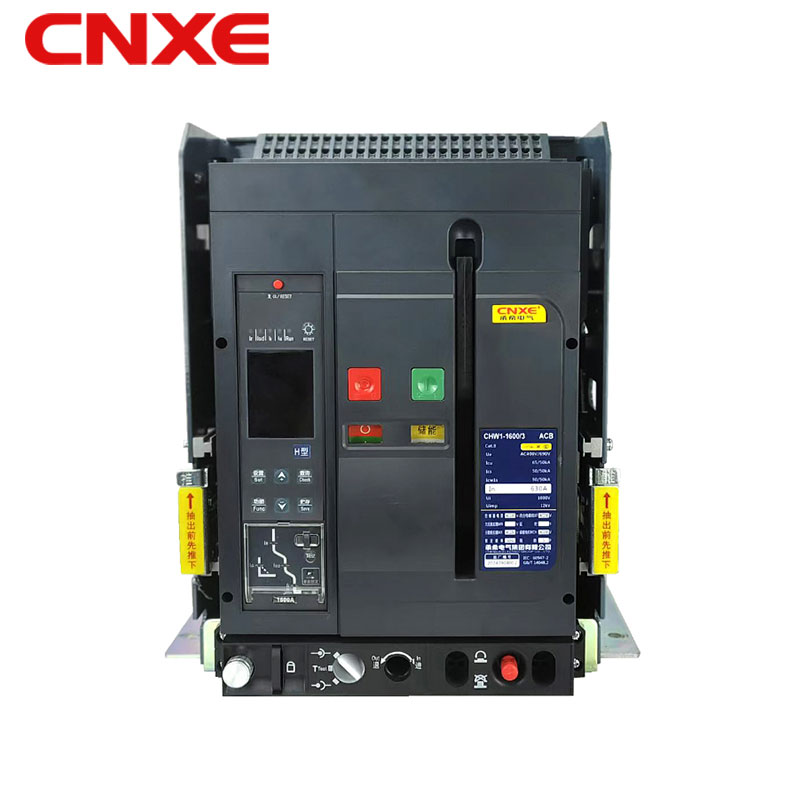
The Intelligent Universal Circuit Breaker represents a new generation of low-voltage protection devices designed for connected environments. It combines traditional interruption capabilities with digital features that enhance system visibility.
Key functional advantages include:
These capabilities help operators reduce downtime, improve energy efficiency, and optimize system management.
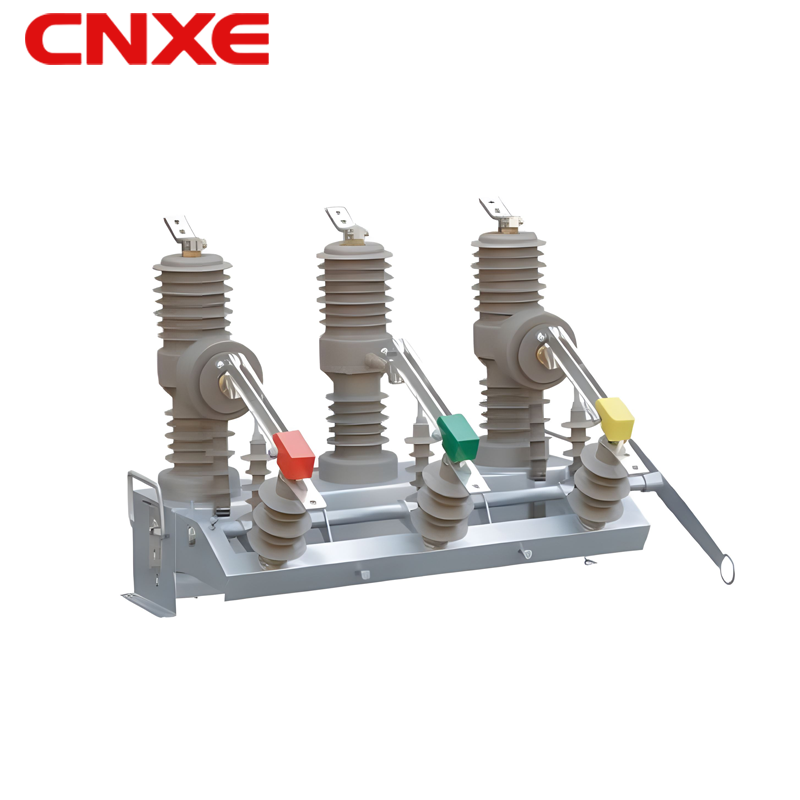
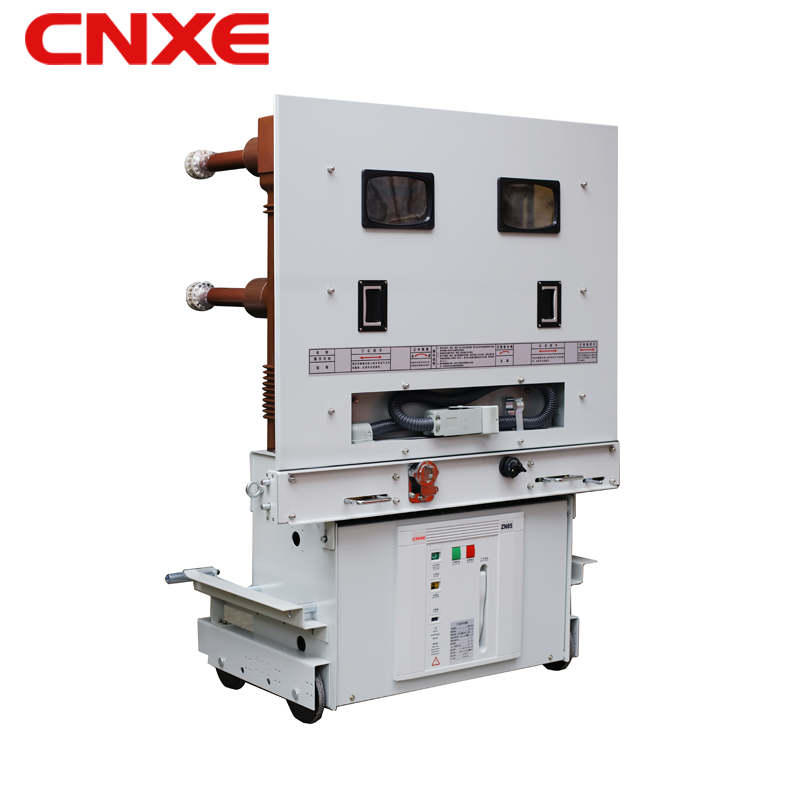
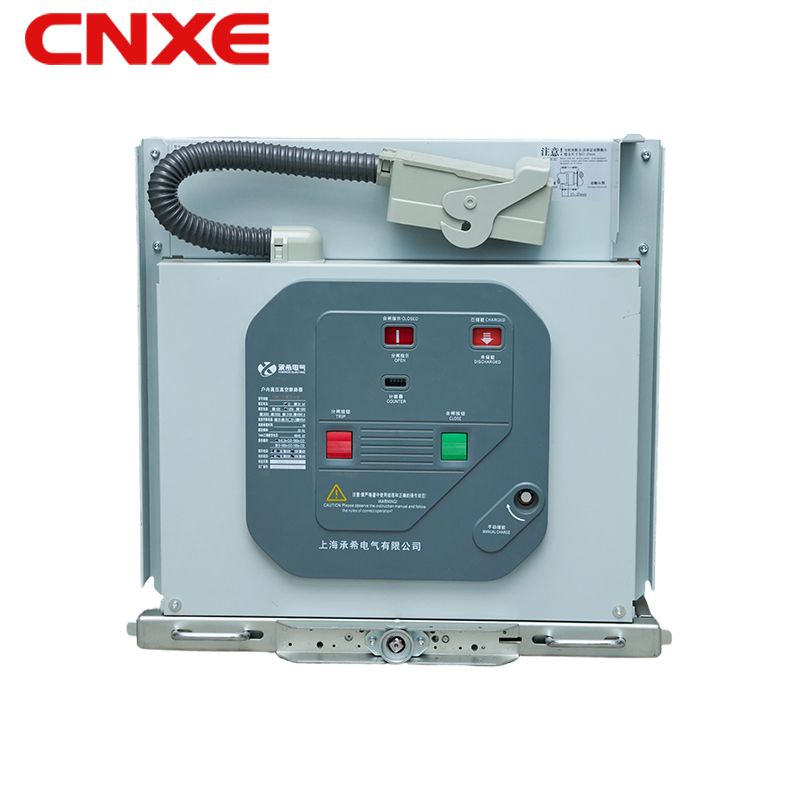
While low-voltage systems benefit from intelligent control, medium-voltage networks rely on robust interruption technologies. Vacuum circuit breakers are widely used due to their consistent performance and environmental adaptability.
They are particularly suitable for:
Power distribution substations
Industrial plants with heavy electrical loads
Infrastructure projects requiring reliable medium-voltage switching
Their ability to extinguish arcs in a vacuum environment contributes to stable operation and reduced maintenance needs, making them a practical choice for long-term use.
For engineering teams and procurement specialists, selecting the right circuit breaker involves evaluating multiple technical parameters:
Careful assessment of these factors ensures that the selected equipment performs reliably under real operating conditions.
Working with a manufacturer that offers both low- and medium-voltage solutions provides a strategic advantage. It allows buyers to streamline sourcing and ensure compatibility across different system levels.
From a manufacturing perspective, this approach supports:
Unified quality control across product lines
Better coordination in design and engineering
Flexible customization based on project specifications
Stable supply for large-scale infrastructure developments
Such integration is increasingly valued in international projects where consistency and reliability are critical.
Even advanced equipment requires proper handling to achieve optimal performance. Recommended practices include:
These measures help extend service life and maintain system stability over time.
As power systems continue to evolve, the role of circuit breakers will expand beyond protection into active system management. Integration with digital platforms, IoT-based monitoring, and smart grid technologies will become standard features.
For global buyers aiming to stay competitive in energy and infrastructure projects, adopting advanced solutions is a forward-looking investment. Combining intelligent low-voltage devices like the Intelligent Universal Circuit Breaker with reliable medium-voltage equipment such as the 35kV indoor and outdoor vacuum circuit breaker ensures a comprehensive approach to safety, efficiency, and adaptability in modern power systems.
 The company is committed to providing high-quality electrical products and excellent customer service. We not only supply exquisite, top-tier products to meet your needs but also back them with a sincere and comprehensive after-sales service guarantee.
Contact Us
 +86-18067486879
 [email protected]
 281 Wei 15th Road, Yueqing Economic Development Zone, Zhejiang, China
Copyright © Chengxi Electric Group Co., Ltd. All Rights
Reserved

High Voltage Transformer & Electrical Circuit Breaker Factory




 English
  Français
  中文简体
中文简体  русский
  Español
  عربى
عربى