Date:2026-05-08
As renewable energy projects continue expanding worldwide, the demand for reliable electrical protection equipment is rising rapidly across photovoltaic power stations, industrial distribution systems, and energy storage applications. Modern engineers and project contractors are placing greater focus on system safety, stable power management, and long-term operational efficiency. In this environment, Photovoltaic High-Voltage Molded Case Circuit Breaker products are becoming increasingly important for protecting solar energy infrastructure from overload, short circuits, and unstable current conditions. Meanwhile, industrial switching devices continue evolving to meet the growing need for safer maintenance operations and more efficient power isolation systems.
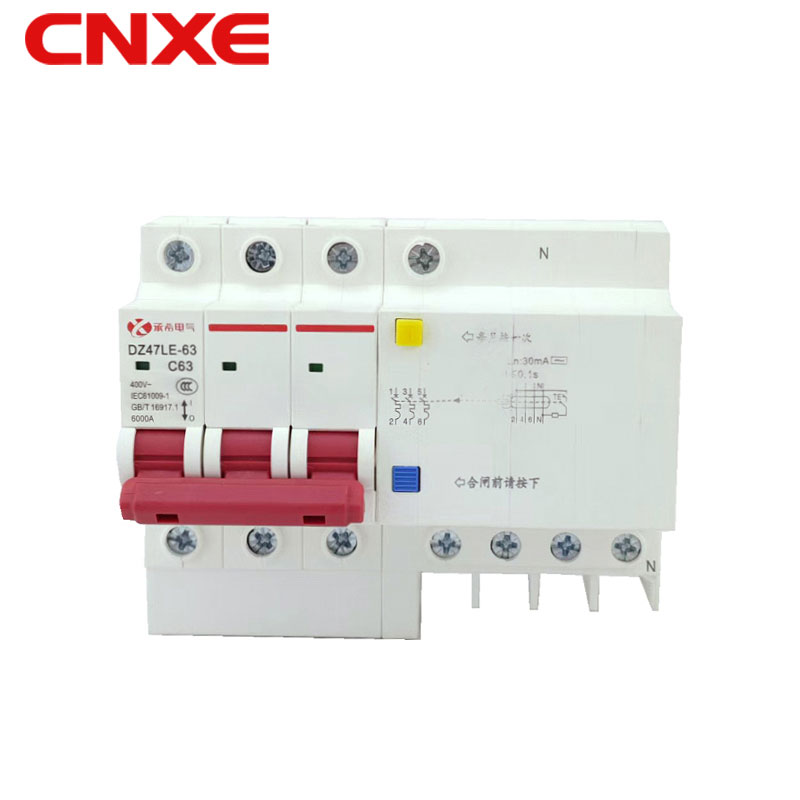
The global transition toward clean energy has accelerated the construction of rooftop solar systems, commercial photovoltaic projects, and utility-scale energy storage facilities. As operating voltages and power loads continue to increase, electrical safety requirements are becoming more demanding than ever before.
Modern photovoltaic systems often operate under harsh outdoor environments involving heat, humidity, dust, and continuous load fluctuations. This creates higher requirements for circuit breakers and electrical switching equipment capable of maintaining stable protection performance over long operating cycles.
As a result, buyers are increasingly prioritizing electrical components specifically designed for renewable energy applications rather than conventional low-voltage products.
Modern molded case circuit breakers are engineered to deliver reliable overload and short-circuit protection while supporting stable electrical distribution performance.
Key technical advantages commonly include:
These characteristics help improve system safety while reducing the risk of unexpected equipment shutdowns in industrial and renewable energy environments.
Advanced electrical protection products are now widely used across multiple sectors, including:
With increasing investment in industrial electrification and clean energy infrastructure, contractors are seeking products that combine operational reliability with easier installation and maintenance efficiency.
In industrial electrical systems, visible circuit isolation remains essential for equipment servicing and emergency shutdown procedures. Fuse-protected knife switches continue to play an important role in industrial distribution systems because they provide both circuit protection and manual isolation functionality.
Practical advantages include:
These features are especially valuable in factories, renewable energy projects, and industrial control environments where operational safety remains a top priority.
ChengXi Electric Co., Ltd. has been engaged in technological development and manufacturing management within the electrical industry for many years. The company focuses on low-voltage electrical products including circuit breakers, ATS systems, and AC contactors designed for industrial and energy applications.
Modern manufacturing processes generally include:
Strict quality management systems help ensure stable product performance across different installation environments and operating conditions.
To maintain stable operation and extend equipment lifespan, engineers are generally advised to:
Preventive maintenance is increasingly important as electrical systems become more integrated and continuously operational.
The electrical industry is moving toward smarter monitoring systems, higher energy efficiency, and renewable-energy-focused protection solutions. Buyers are increasingly interested in products compatible with intelligent power management systems and modern industrial automation environments.
At the same time, the growth of photovoltaic infrastructure and industrial electrification is creating new opportunities for customized electrical protection solutions tailored to specific operating conditions.
In conclusion, modern power systems require durable and efficient protection devices capable of supporting both operational safety and renewable energy development. As global infrastructure investment continues to expand, reliable Fuse Type Knife Switch systems and high-performance Photovoltaic High-Voltage Molded Case Circuit Breaker solutions are expected to remain essential components in industrial and solar power distribution projects worldwide.
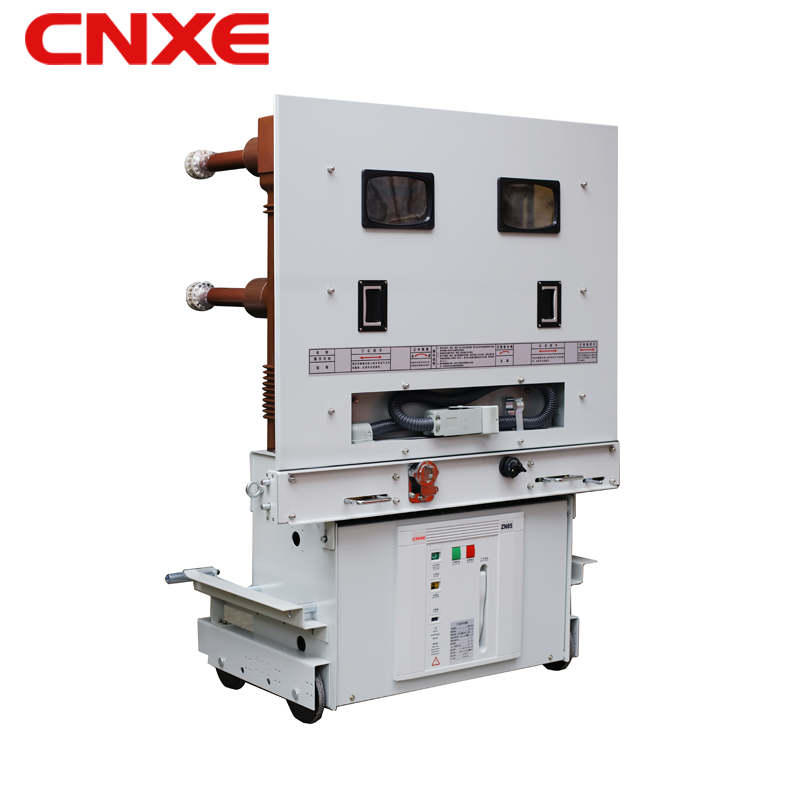
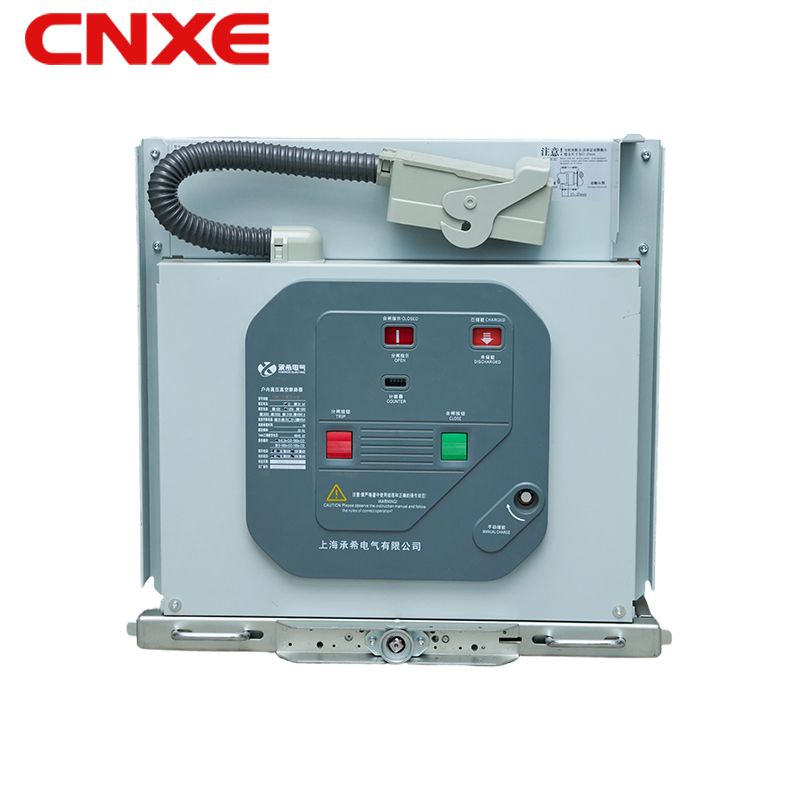
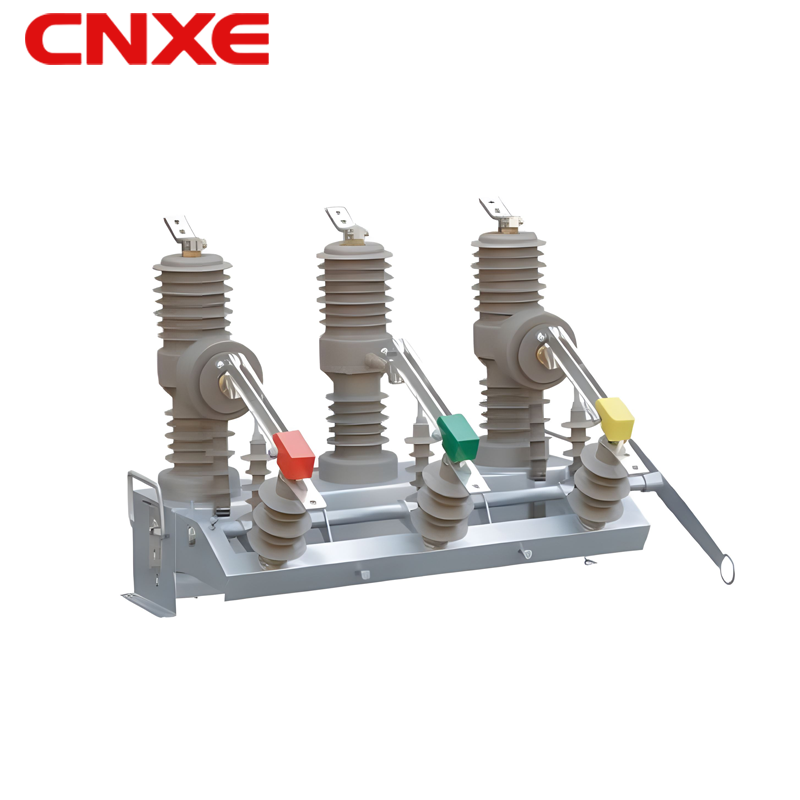
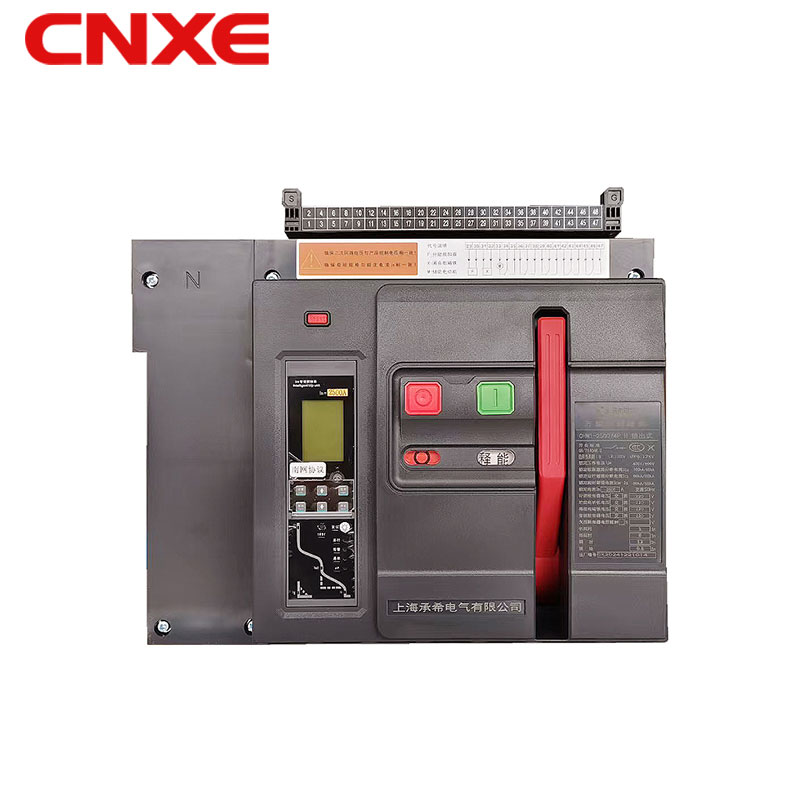
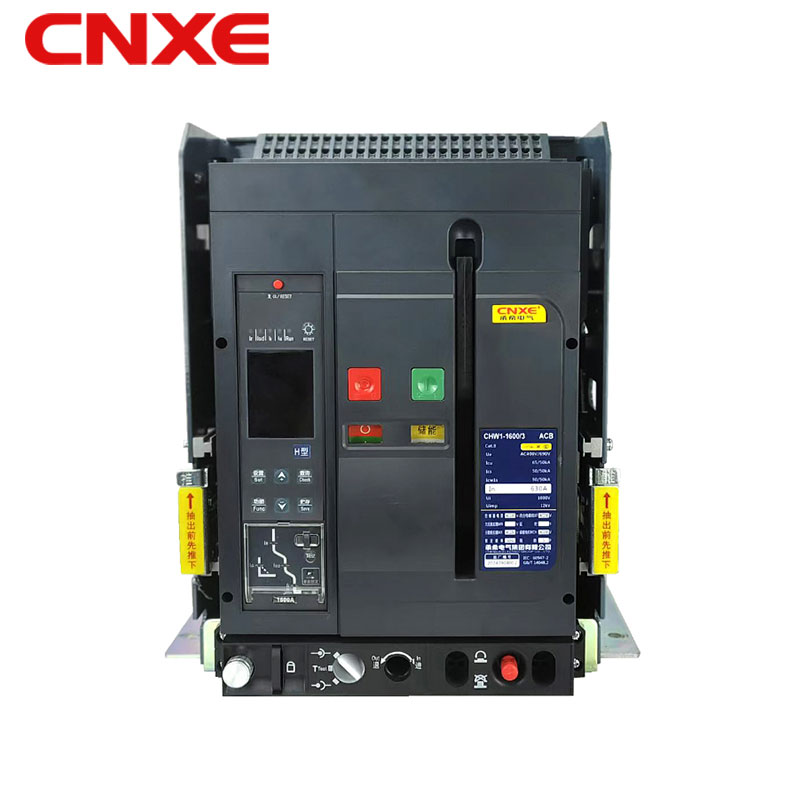
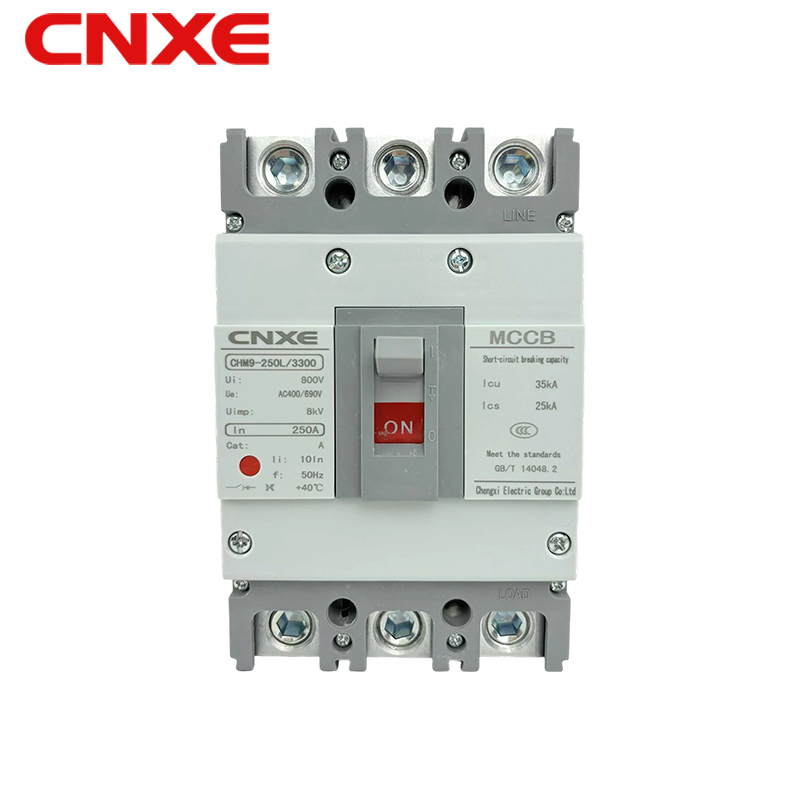
 The company is committed to providing high-quality electrical products and excellent customer service. We not only supply exquisite, top-tier products to meet your needs but also back them with a sincere and comprehensive after-sales service guarantee.
Contact Us
 +86-18067486879
 [email protected]
 281 Wei 15th Road, Yueqing Economic Development Zone, Zhejiang, China
Copyright © Chengxi Electric Group Co., Ltd. All Rights
Reserved

High Voltage Transformer & Electrical Circuit Breaker Factory




 English
  Français
  中文简体
中文简体  русский
  Español
  عربى
عربى