Date:2026-09-24
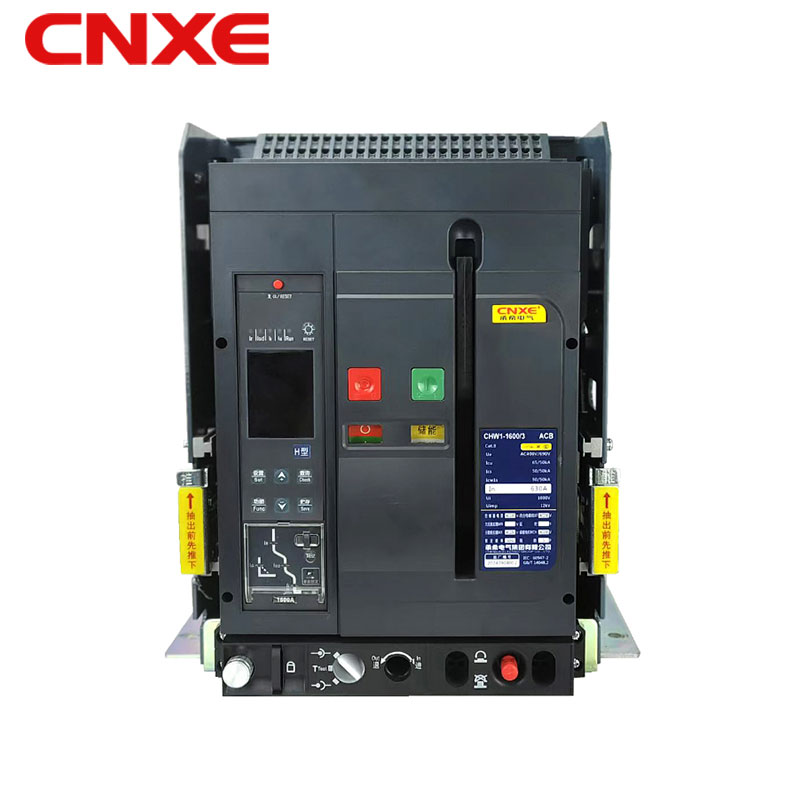
An Air Circuit Breaker (ACB) can carry heavy current for long periods, making the temperature of its contacts and connections an important part of final inspection. At ChengXi Electric Group Co., Ltd., temperature rise testing is carried out on ACB before shipment. Our dedicated test system allows technicians to monitor temperature at multiple points while the breaker operates under sustained load, helping identify abnormal heating before the unit leaves the factory.
Each ACB is placed on the test rig and connected pole by pole into the test circuit. The setup is arranged to reproduce the current-carrying path of the breaker in service. Before the test begins, technicians install temperature sensors at key points where heat can develop during continuous operation, including the main contacts, terminal connections, and busbar joints.
The sensor leads are connected to the control cabinet, where temperature readings from the monitored points can be displayed and recorded at the same time. This gives the production team a more complete view of the ACB's thermal performance than checking a single location with a handheld thermometer.
After the ACB is correctly connected, the test is started under the specified test current and maintained for a sustained period. The purpose is to allow heat generated at contacts and electrical connections to develop under load and reach the required stable condition.
During the test, the control system continuously records the temperature at each monitored point. Technicians can therefore follow the temperature changes throughout the test instead of relying only on a reading taken at the beginning or end.
If a monitored point exceeds the applicable temperature rise limit, the ACB is not released for shipment. The unit is identified for further inspection, and the relevant connection, contact, or assembly condition can be checked before a final decision is made.
Temperature rise testing is only useful when the measurement system itself can provide consistent readings. For this reason, the sensors and measurement equipment used in our test system are checked against known reference values.
This allows temperature measurements from different production batches to be compared more consistently. It also gives our technicians a defined basis for reviewing test results rather than relying on informal temperature checks during production.
For ChengXi Electric, the test is part of the internal quality-control process for ACB . The objective is not simply to record a temperature value, but to identify abnormal thermal behavior before the breaker moves to the next stage.
Temperature rise testing is one part of the final inspection sequence for our CHW1 series frame breakers. It is carried out alongside other checks covering mechanical operation, dielectric withstand, and trip characteristics.
A breaker must complete the required inspection steps before it reaches packing. Temperature performance is therefore checked as part of the same production process used to verify whether the ACB has been assembled and is operating as expected.
By carrying out the Air Circuit Breaker (ACB) temperature rise test on our own production line, ChengXi Electric can identify potential issues while the breaker is still inside the factory. This gives the production and quality teams an opportunity to inspect and correct a unit before shipment, rather than relying only on checks after the product has left the plant.
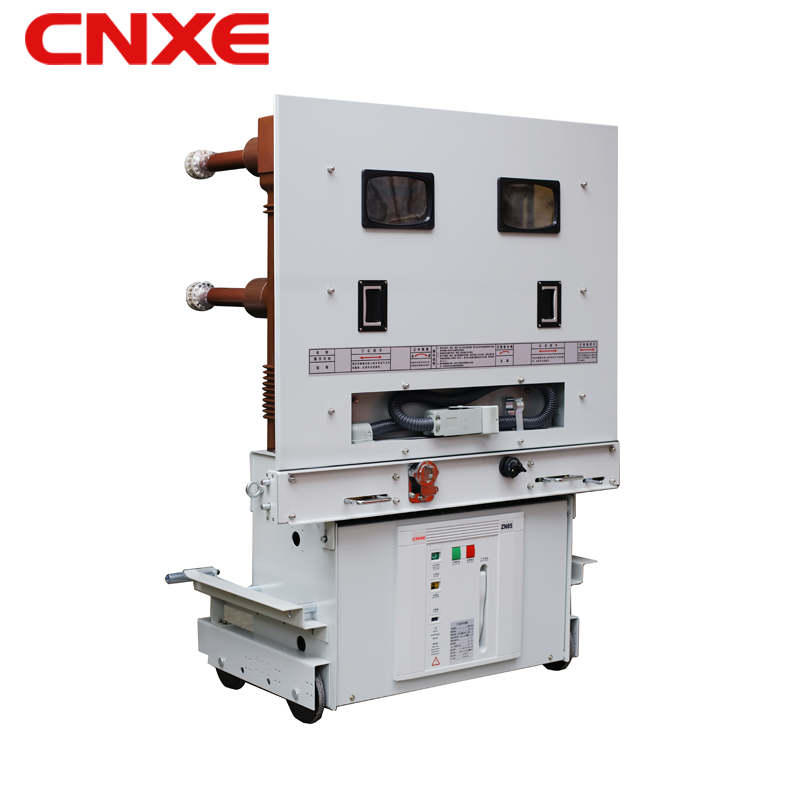
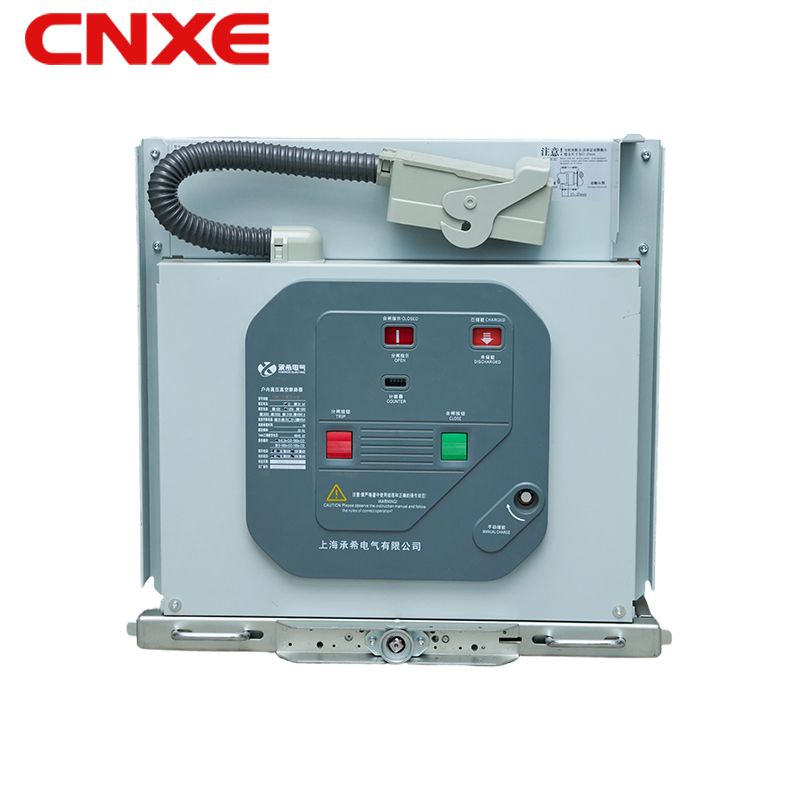
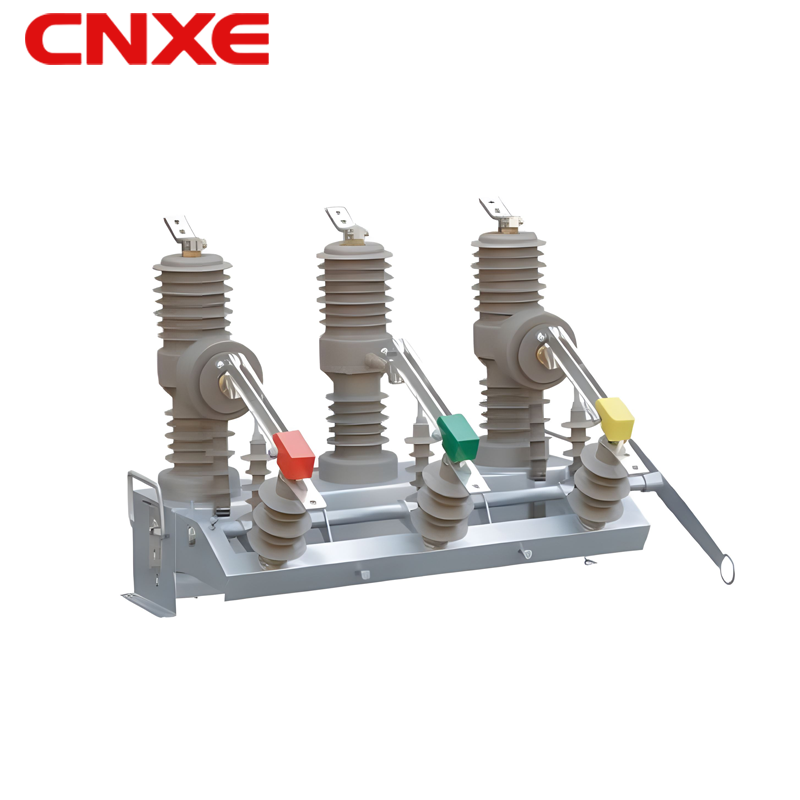
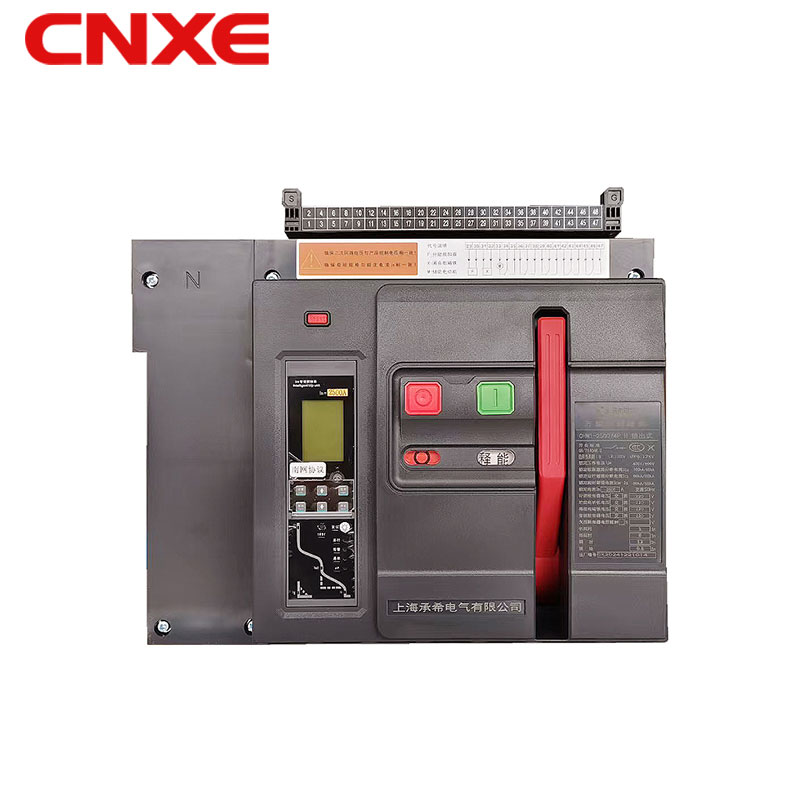
 The company is committed to providing high-quality electrical products and excellent customer service. We not only supply exquisite, top-tier products to meet your needs but also back them with a sincere and comprehensive after-sales service guarantee.
Contact Us
 +86-18067486879
 [email protected]
 281 Wei 15th Road, Yueqing Economic Development Zone, Zhejiang, China
Copyright © Chengxi Electric Group Co., Ltd. All Rights
Reserved

High Voltage Transformer & Electrical Circuit Breaker Factory




 English
  Français
  中文简体
中文简体  русский
  Español
  عربى
عربى