Date:2026-09-17
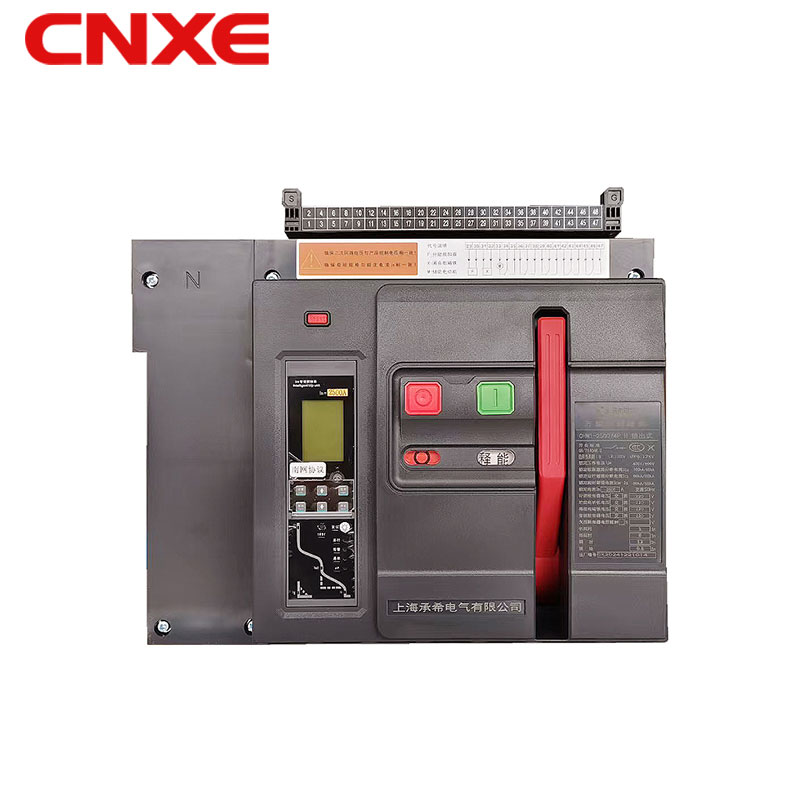
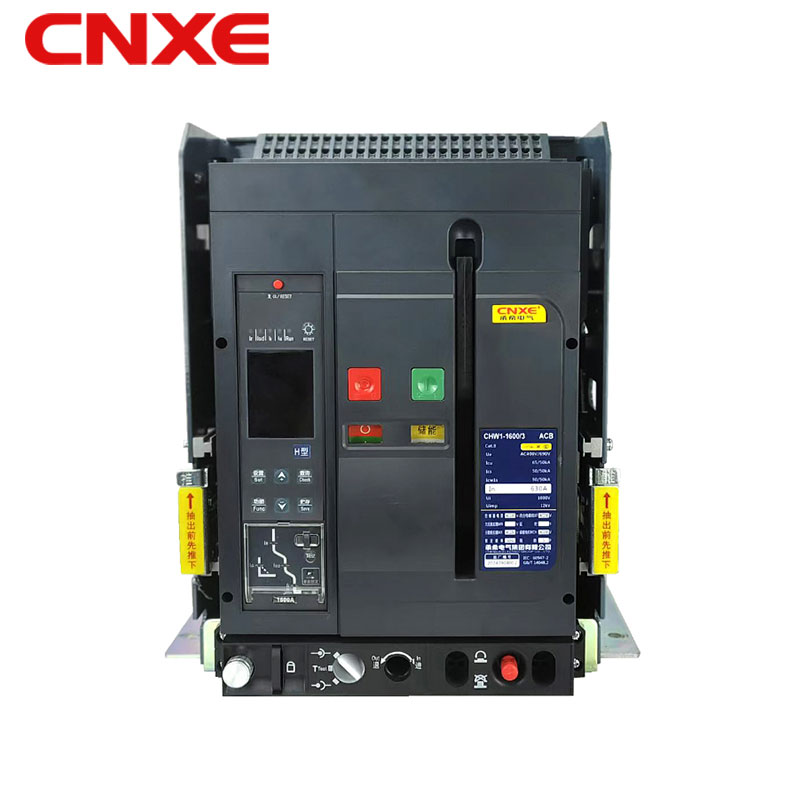
Air Circuit Breakers (ACB) are used in low-voltage distribution systems to control and protect electrical circuits. As current flows through a breaker, heat is generated — and how well that heat is controlled is a direct reflection of manufacturing quality. At Chengxi Electric Group Co., Ltd., temperature rise testing is one of the required inspection steps carried out after production is complete and before the product leaves the factory. The test examines the breaker's temperature performance under specified operating conditions — not simply whether it can complete its basic switching function.
ACB temperature rise testing is typically carried out in accordance with IEC 60947-2 (the corresponding Chinese national standard is GB/T 14048.2). Under this standard, a breaker's main circuit — including any associated overcurrent releases — must carry its rated current (In) without the temperature rise exceeding the limits specified in the standard's reference tables. The components under examination include the contacts, the current-carrying path, and the terminal connections.
Terminal temperature rise limits vary depending on the terminal material and plating — silver-plated terminals and bare copper terminals, for example, are held to different allowable limits. This is why the plating process and the torque applied when tightening cable terminations show up directly in the final temperature rise readings. The test is run on the fully assembled breaker rather than on individual components, so the result reflects actual finished-product behavior rather than a theoretical calculation.
Because the test is performed on the assembled unit, it measures how the breaker actually heats up under real wiring and assembly conditions — not a calculated estimate. That has a few practical implications:
For that reason, temperature rise testing isn't just a pass/fail checkpoint — the data itself can be traced back to a specific point in the assembly process, which helps pinpoint where a problem originated.
When sourcing ACBs, it's worth checking not just whether a temperature rise test report exists, but which standard version it was tested against (GB/T 14048.2 or IEC 60947-2), whether the test current used was the rated current In, and whether testing was performed on the fully assembled product. These details determine how much the report actually tells you.
For buyers placing repeat orders, having temperature rise records available batch by batch makes it easier to spot differences between production runs and confirm the product continues to meet the required specifications.
Chengxi Electric schedules temperature rise testing after production is complete so that assembly quality can be checked against the finished product's actual measured performance — rather than relying solely on a one-time release inspection. To learn more about the company's ACB manufacturing and quality control practices, feel free to get in touch.
 The company is committed to providing high-quality electrical products and excellent customer service. We not only supply exquisite, top-tier products to meet your needs but also back them with a sincere and comprehensive after-sales service guarantee.
Contact Us
 +86-18067486879
 [email protected]
 281 Wei 15th Road, Yueqing Economic Development Zone, Zhejiang, China
Copyright © Chengxi Electric Group Co., Ltd. All Rights
Reserved

High Voltage Transformer & Electrical Circuit Breaker Factory




 English
  Français
  中文简体
中文简体  русский
  Español
  عربى
عربى