Date:2026-11-23
In an automatic power factor correction cabinet, capacitor banks are switched in and out according to the compensation demand of the electrical system. The switching process deserves particular attention because capacitors can draw a high transient current when energized. Selecting a suitable Low Voltage Capacitor Switching Device therefore involves more than matching the rated voltage and current. The switching method and the electrical characteristics of the capacitor branch also matter.
Chengxi Electric Group Co., Ltd. manufactures the FK Series Composite Switch for capacitor branches in low-voltage power factor correction cabinets. Its composite structure combines semiconductor switching with mechanical contacts, bringing together controlled switching and continuous current conduction in one device.
A capacitor bank does not behave like an ordinary resistive load during connection. When a capacitor is energized, the voltage difference between the supply and the capacitor can produce an inrush current. Repeated switching under unsuitable conditions may place additional stress on switching contacts and other circuit components.
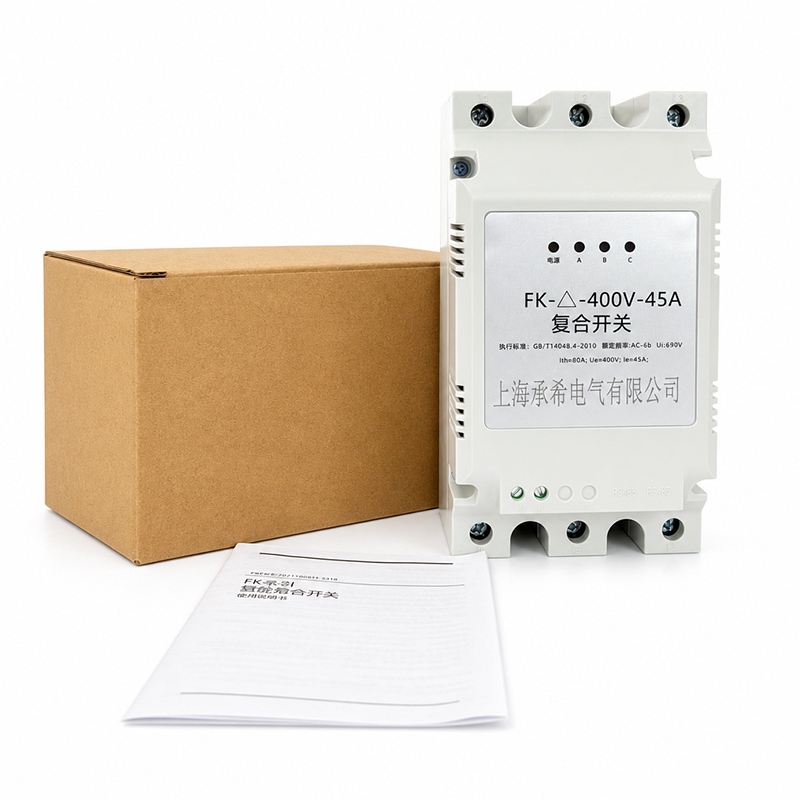
This is why capacitor switching has its own utilization category. The FK Series Composite Switch carries an AC-6b rating, a category specifically associated with capacitor switching. For panel builders, this classification is an important point when distinguishing a capacitor switching device from a general-purpose contactor.
A Low Voltage Capacitor Switching Device should be selected according to the capacitor branch and the compensation arrangement. The rated current alone does not establish whether a switching component is suitable for a particular installation.
The FK Series Composite Switch combines two switching elements. Its semiconductor stage performs the making and breaking operation at the voltage zero crossing, while the mechanical contact carries the continuous operating current after switching.
This arrangement separates the switching action from the task of carrying current during normal operation. The semiconductor stage handles the transient switching process, and the mechanical contact provides the current path during steady operation. The structure is intended to reduce the impact of capacitor switching on the contacts compared with using a conventional contactor alone.
For engineers comparing switching methods, this distinction is central to understanding the FK Series Composite Switch. It is not simply a mechanical contactor with a different name; its semiconductor and mechanical elements perform different roles within the same switching assembly.
The FK-△-400V-45A model is the delta-connected version for three-phase common compensation. Its operational voltage is 400 V and its operational current is 45 A. The device also has a conventional thermal current rating of Ith 80 A and a rated insulation voltage of Ui 690 V.
|
Parameter |
FK-△-400V-45A |
|
Product type |
Composite capacitor switch |
|
Utilization category |
AC-6b |
|
Connection type |
Delta connection |
|
Compensation arrangement |
Three-phase common compensation |
|
Operational voltage (Ue) |
400 V |
|
Operational current (Ie) |
45 A |
|
Conventional thermal current (Ith) |
80 A |
|
Rated insulation voltage (Ui) |
690 V |
These values describe different electrical characteristics and should not be treated as interchangeable. Ue and Ie are the operational voltage and current ratings, while Ith refers to conventional thermal current and Ui refers to insulation voltage. Panel designers should use the correct rating for each part of the electrical specification.
Monitoring and control connections are also relevant when integrating capacitor switching devices into an automatic compensation cabinet. The FK Series Composite Switch has four LED indicators: one for power and three for the A, B and C phase status. These indicators provide local operating information.
Two RS485 communication ports support connection and addressing through the compensation controller. Control connections use terminals K1 to K3, while the main circuit connects through the upper and lower poles. These connection details are useful during panel wiring and control-system integration.
When specifying a Low Voltage Capacitor Switching Device, buyers should consider both its main circuit ratings and its control interface. The required communication arrangement, controller compatibility and cabinet wiring should be checked as part of the complete system specification.
The correct model depends on the electrical system and the capacitor branch being controlled. Before selecting a Low Voltage Capacitor Switching Device, panel builders should identify the system voltage, capacitor branch rating and whether the compensation arrangement is three-phase common or per-phase.
The FK-△-400V-45A model is intended for three-phase common compensation with a 400 V operational voltage and 45 A operational current. Other applications should not be assumed to share the same selection requirements. The connection method and electrical ratings need to match the actual cabinet configuration.
Chengxi Electric Group Co., Ltd. focuses on low-voltage electrical equipment, including circuit breakers, automatic transfer switches, AC contactors and shunt power capacitors. The FK Series Composite Switch adds a dedicated capacitor-branch switching option to this product range.
A Low Voltage Capacitor Switching Device forms part of the switching arrangement within a power factor correction cabinet. Its role is to connect or disconnect capacitor branches in response to commands from the compensation controller. The device must therefore be compatible with the branch rating, control connections and overall cabinet arrangement.
For panel manufacturers and electrical equipment buyers, the FK Series Composite Switch brings together AC-6b capacitor switching, a semiconductor-mechanical composite structure, status indication and RS485 communication. Checking these features alongside the electrical ratings helps establish whether the FK model matches the intended compensation system.
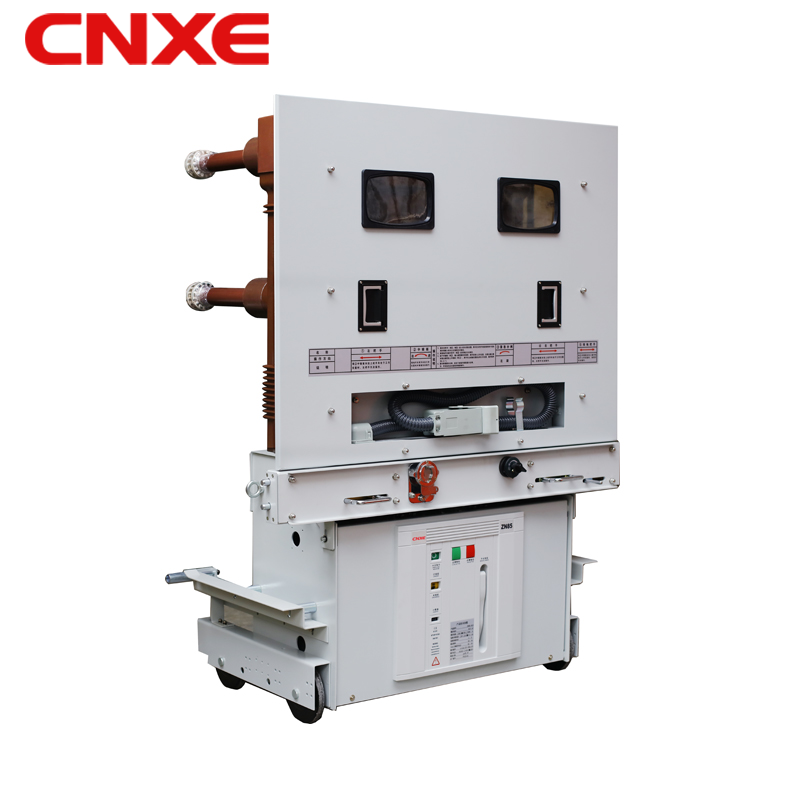
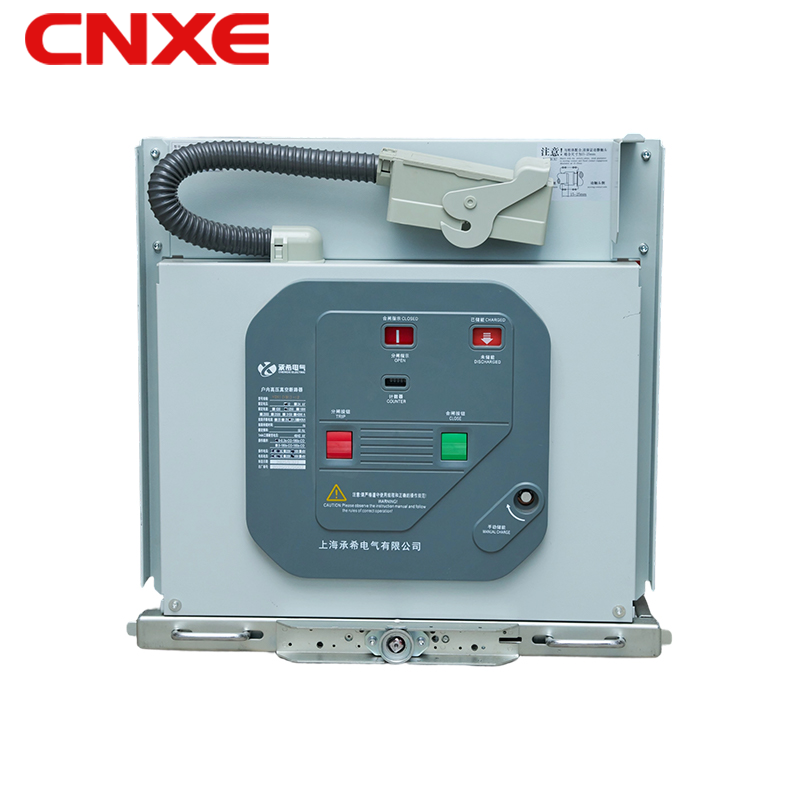
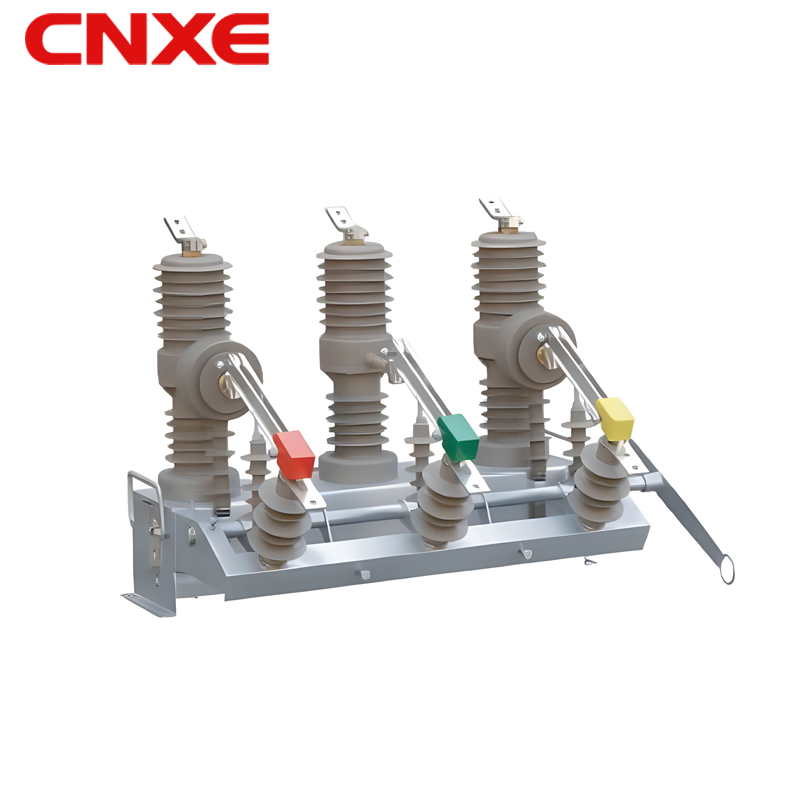
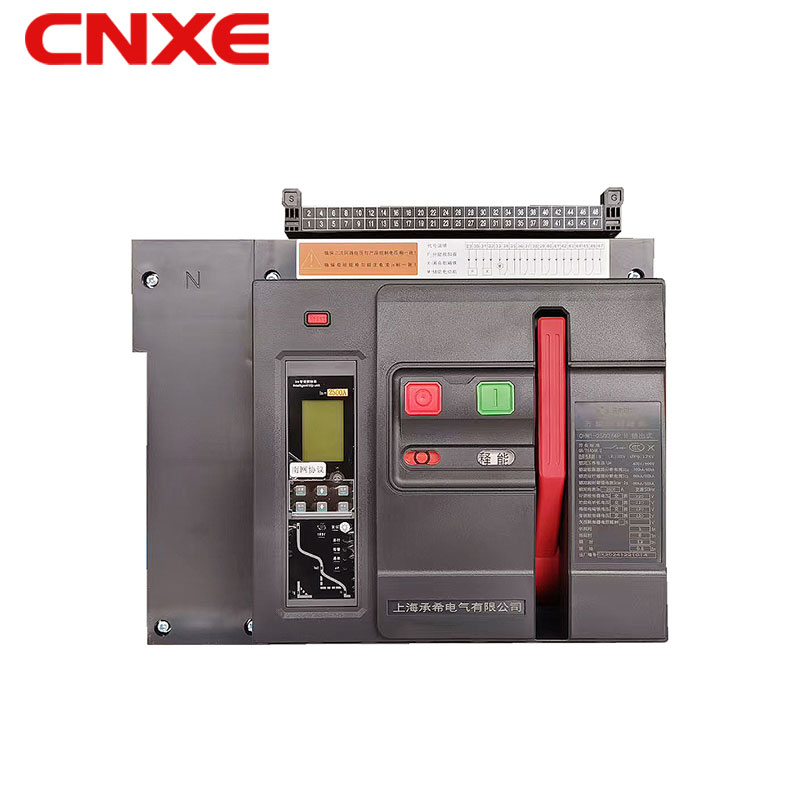
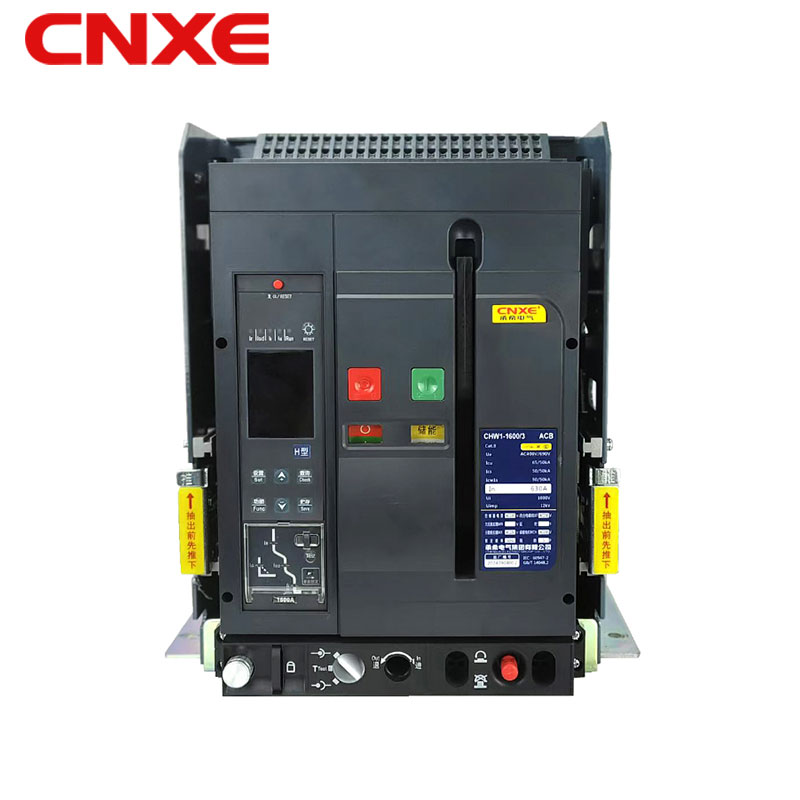
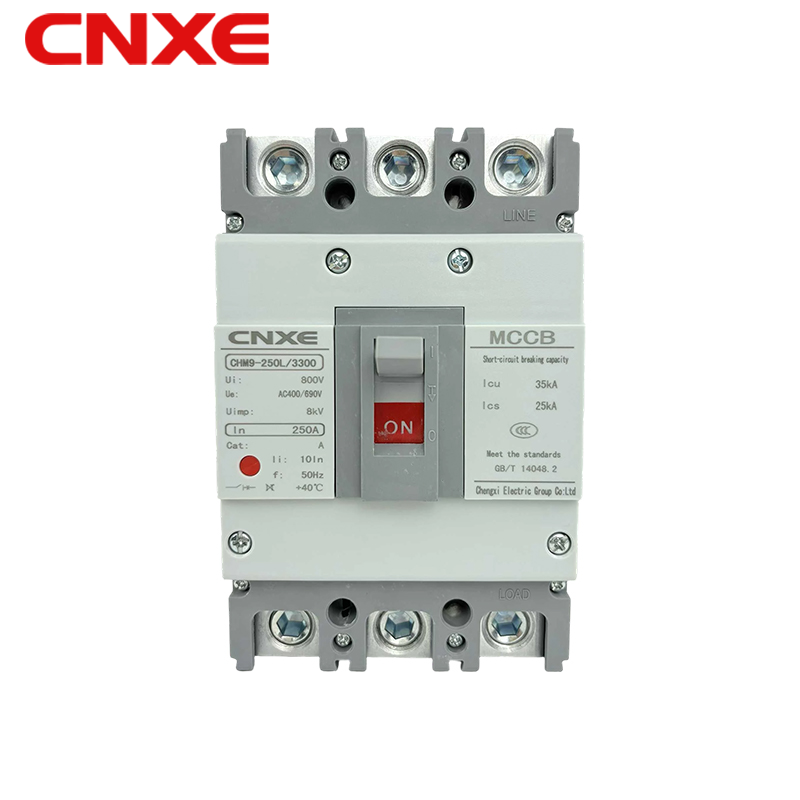
 The company is committed to providing high-quality electrical products and excellent customer service. We not only supply exquisite, top-tier products to meet your needs but also back them with a sincere and comprehensive after-sales service guarantee.
Contact Us
 +86-18067486879
 [email protected]
 281 Wei 15th Road, Yueqing Economic Development Zone, Zhejiang, China
Copyright © Chengxi Electric Group Co., Ltd. All Rights
Reserved

High Voltage Transformer & Electrical Circuit Breaker Factory




 English
 Français
 中文简体
 русский
 Español
 عربى