Date:2026-01-23
Are Dual Power and Isolation Switches the Future of Reliable Electrical Systems?
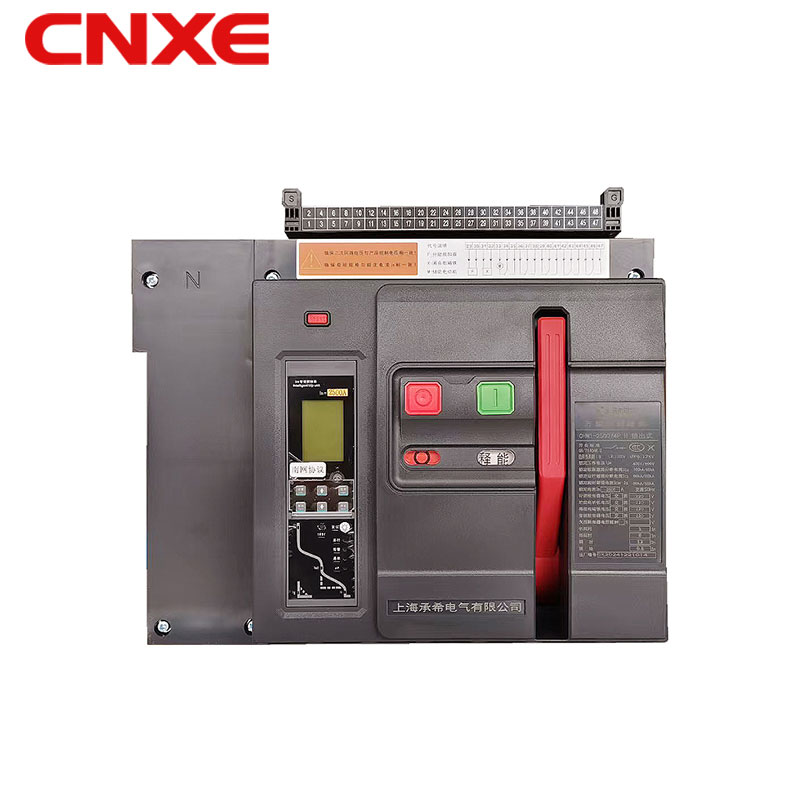
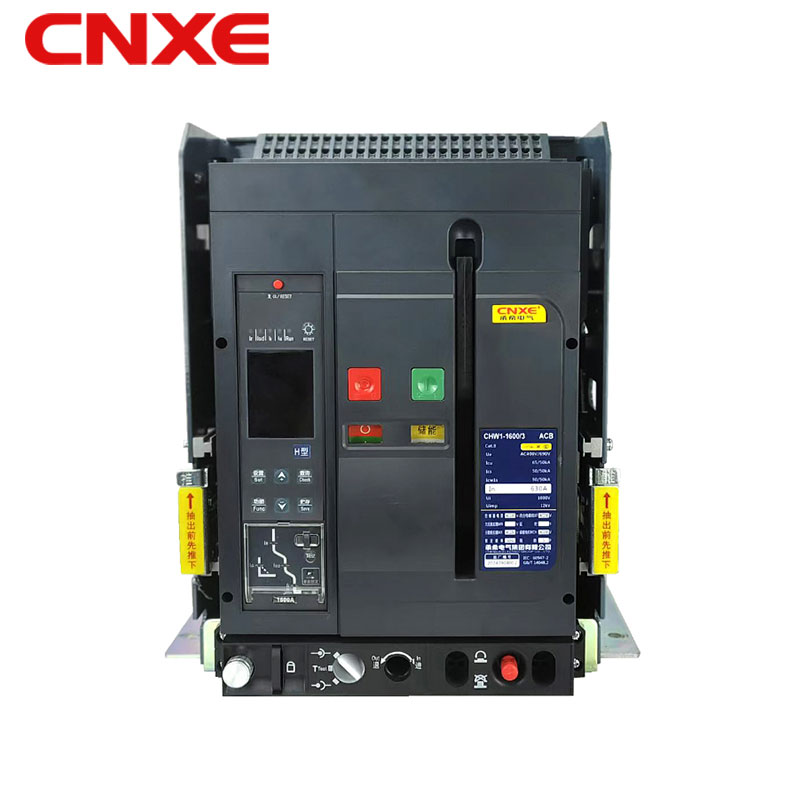
As industries around the world face growing demands for continuous power and enhanced safety, discussions in overseas technical communities increasingly highlight the importance of advanced switching solutions. The Dual Power Automatic Transfer Switch is frequently cited for its ability to ensure uninterrupted electricity, while the integration of isolation strategies is gaining attention for protecting personnel and equipment. These components are no longer viewed as optional—they are essential for modern, resilient power systems.
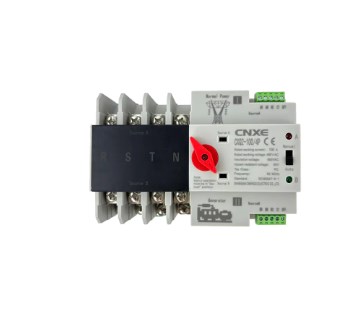
Overseas buyers and system integrators often emphasize continuity in industrial, commercial, and critical infrastructure applications. Even brief outages can disrupt operations, compromise safety, or cause financial losses.
Automatic transfer switches address these concerns by monitoring the primary source and instantly transferring the load to a backup supply when necessary. This automation reduces human intervention and ensures systems remain operational, a feature that is increasingly valued in data centers, hospitals, and manufacturing plants.
Safety remains a top priority in global electrical installations. Systems handling both high and low voltage circuits require reliable separation mechanisms to prevent accidents during maintenance or unexpected faults.
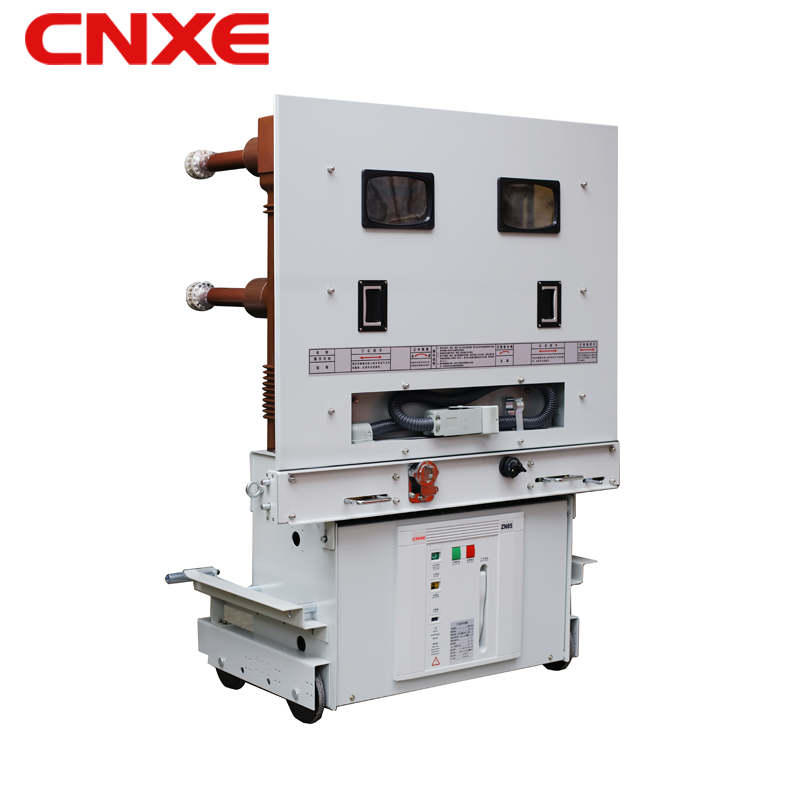
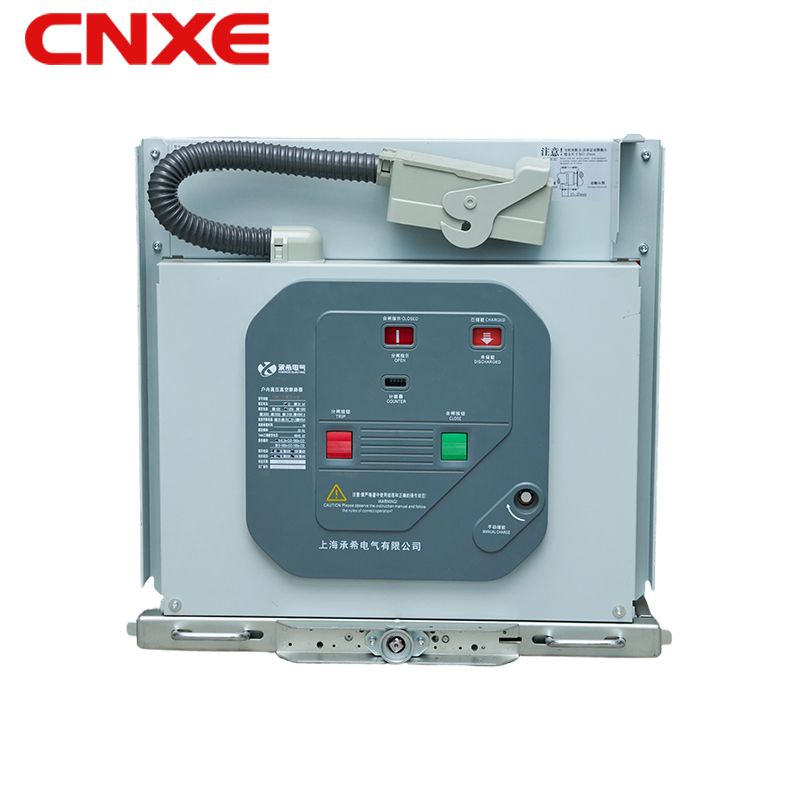
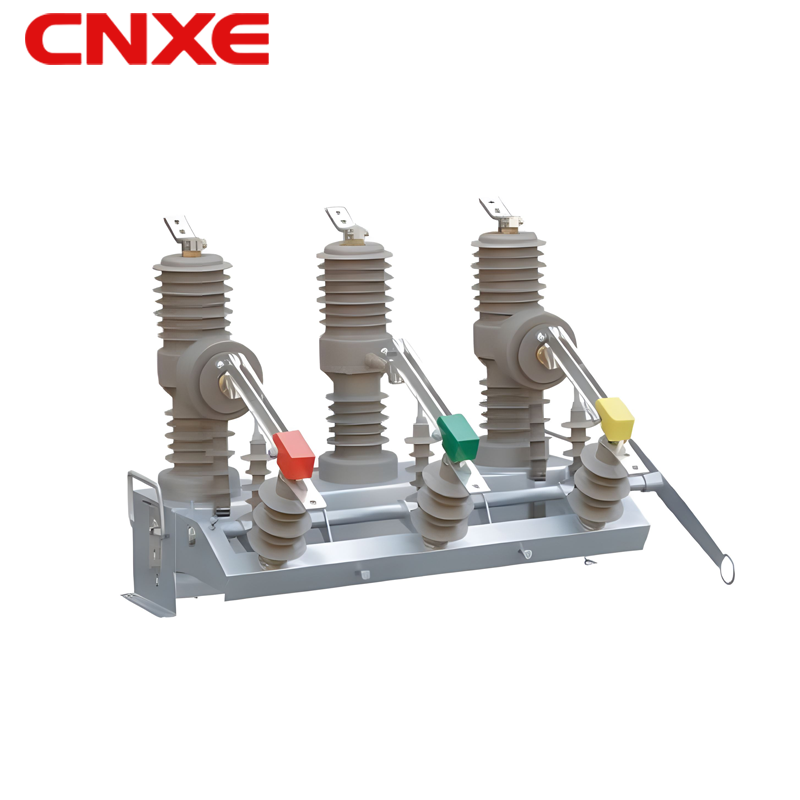
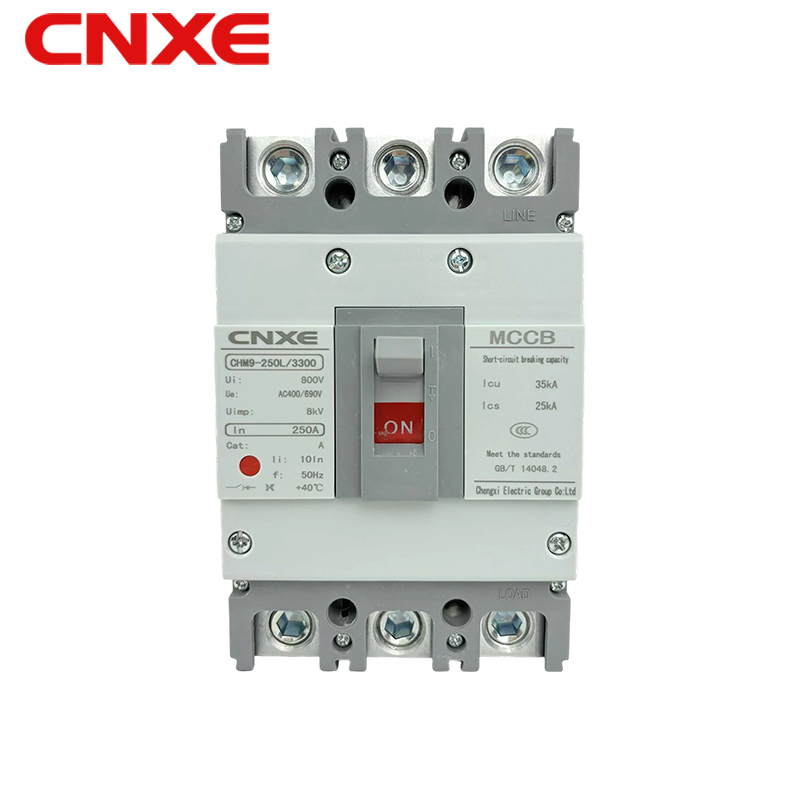
High and low voltage isolation switches allow sections of a system to be safely disconnected, protecting both personnel and equipment. In international procurement discussions, these switches are praised for their role in achieving compliance with global safety standards while simplifying maintenance procedures.
Modern switching solutions must adapt to various environments and operational requirements. Dual power automatic transfer switches and isolation switches are widely used in:
Their adaptability allows overseas buyers to implement consistent solutions across diverse projects, reducing complexity and supporting long-term reliability.
Ease of installation and maintenance is a frequent discussion point on overseas platforms. Buyers prefer components with clear labeling, modular design, and accessible terminals, which simplify assembly and routine inspections.
Such features help reduce labor time, minimize installation errors, and support faster project completion, making these switches attractive for international projects with demanding schedules or remote locations.
Consistent quality and long-term performance are critical for global customers. Buyers often prioritize suppliers who maintain strict quality control, stable production processes, and transparent technical documentation.
Reliable switches reduce the frequency of maintenance, minimize system downtime, and enhance operational safety, providing measurable long-term value over initial procurement cost considerations.
With the expansion of smart grids, renewable energy integration, and energy-efficient infrastructure, advanced switching solutions are becoming even more important. Automatic transfer switches ensure continuity in dynamic supply conditions, while isolation switches provide critical protection during maintenance or system reconfiguration.
This combination supports safer, more resilient, and environmentally conscious electrical networks—trends that resonate strongly with overseas industrial, commercial, and infrastructure buyers.
As the global demand for secure, efficient, and versatile electrical systems grows, modern switching solutions are taking center stage. The Dual Power Automatic Transfer Switch ensures seamless source transition, while the High And Low Voltage Isolation Switch provides essential safety and operational control. Together, they form a robust foundation for reliable, high-performance power systems in diverse applications worldwide.
 The company is committed to providing high-quality electrical products and excellent customer service. We not only supply exquisite, top-tier products to meet your needs but also back them with a sincere and comprehensive after-sales service guarantee.
Contact Us
 +86-18067486879
 [email protected]
 281 Wei 15th Road, Yueqing Economic Development Zone, Zhejiang, China
Copyright © Chengxi Electric Group Co., Ltd. All Rights
Reserved

High Voltage Transformer & Electrical Circuit Breaker Factory




 English
  Français
  中文简体
中文简体  русский
  Español
  عربى
عربى