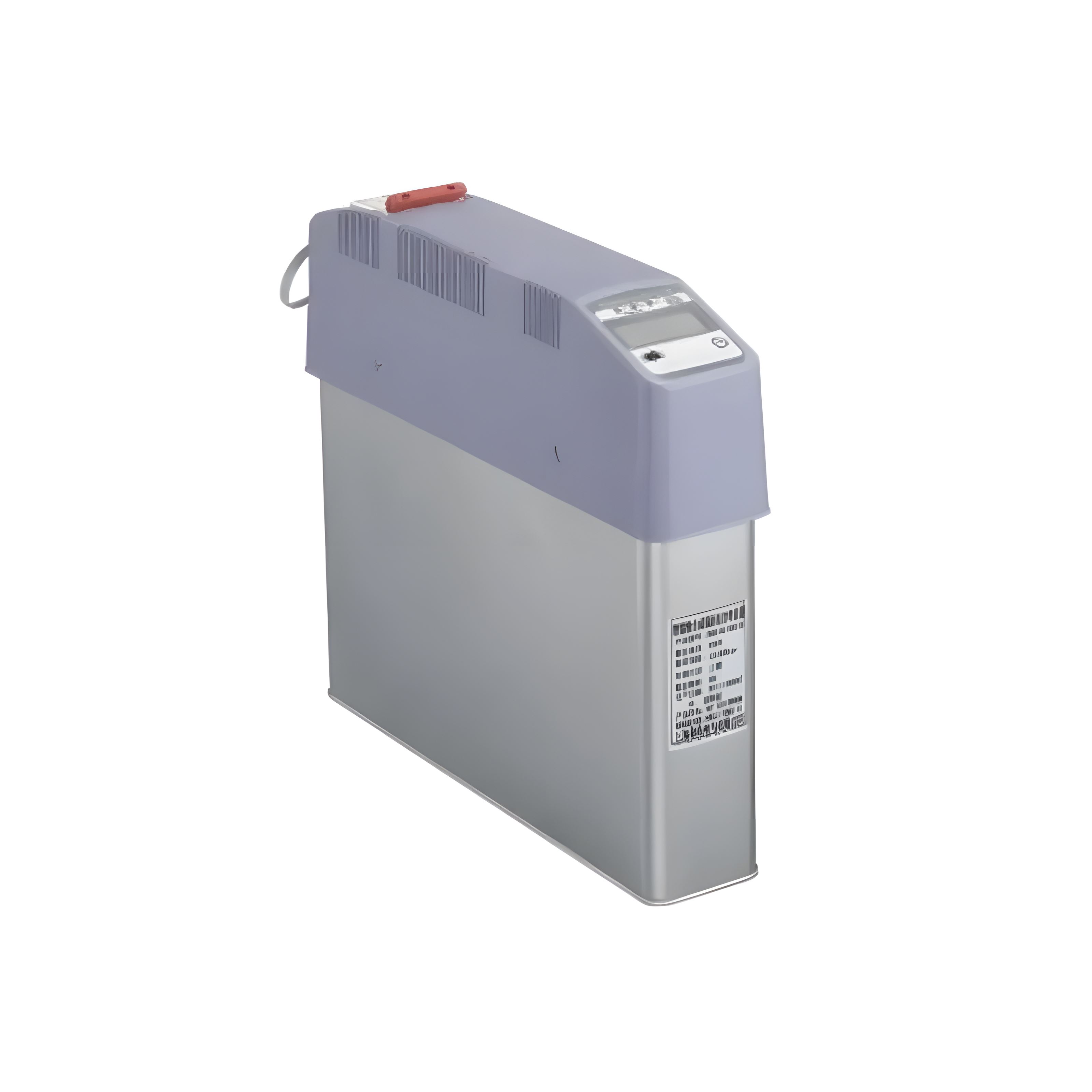
 Quick View
CXZNS/CXZNF Automatic Switching Intelligent Capacitor Compensation (Liquid Crystal)
The CXZNS/CXZNF smart capacitor is an advanced power compensation device featuring an LCD display that intuitively displays operating status and parameters.
It utilizes automatic switching technology to flexibly adjust to the grid's reactive power demand, achieving precise reactive power compensation, thereby improving power quality and reducing energy consumption. The capacitor's compact design and easy installation make it suitable for a variety of industrial and commercial power systems. Its intelligent control algorithm monitors grid conditions in real time and automatically adjusts compensation strategies to ensure stable power system operation.
It also features multiple protection features, including overvoltage and overcurrent protection, ensuring safe and reliable operation. Overall, this smart capacitor is an ideal choice for improving power system efficiency and stability.
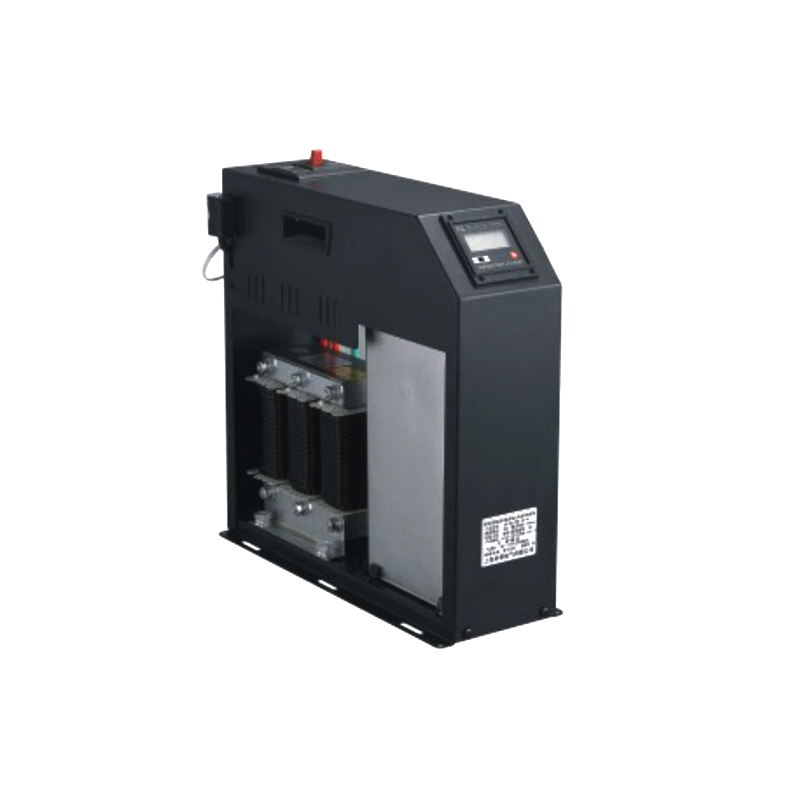 Quick View
CXZKS Anti-Harmonic Intelligent Capacitors (Liquid Crystal)
The CXZKS harmonic mitigation smart capacitor is a device used in power systems, primarily to improve power quality, stability, and efficiency.
Features:
1. Harmonic mitigation: Effectively suppresses harmonics in the power system, reducing their impact on equipment and extending its lifespan.
2. Intelligent Control: A built-in intelligent control system automatically monitors and adjusts the capacitor's operating status to suit varying loads and grid conditions.
3. LCD Display: Equipped with an LCD screen, it displays real-time information such as the device's operating status and parameter settings, facilitating user monitoring and maintenance.
4. Compensation Function: Compensation (compensation capacitor) functionality provides additional reactive power support when needed, improving the system's power factor.
5. Modular Design: A modular design facilitates installation, maintenance, and expansion.
The CXZKS harmonic mitigation smart capacitor is widely used in industrial and commercial applications to optimize power quality and reduce energy consumption. It effectively reduces grid harmonic pollution and improves the power factor, thereby enhancing the stability and economic benefits of the power system.
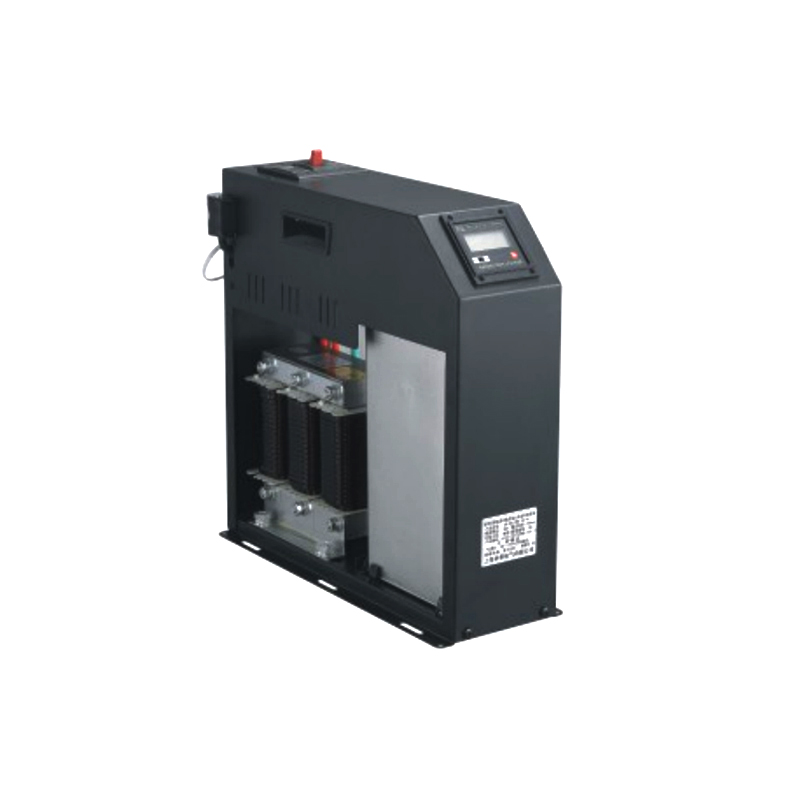 Quick View
CXZKF Anti-Harmonic Intelligent Capacitor Compensation (Liquid Crystal)
The primary difference between the CXZKF anti-harmonic smart capacitor split-compensation product and the CXZKS common-compensation product lies in their adaptability and compensation effectiveness.
1. The CXZKF anti-harmonic smart capacitor split-compensation product is specifically designed for three-phase unbalanced circuits, providing independent reactive power compensation for each phase and offering greater adaptability.
2. Compared to common-compensation products, split-compensation products offer superior compensation effectiveness in three-phase unbalanced circuits, more accurately eliminating reactive power imbalances and improving grid stability and power quality.
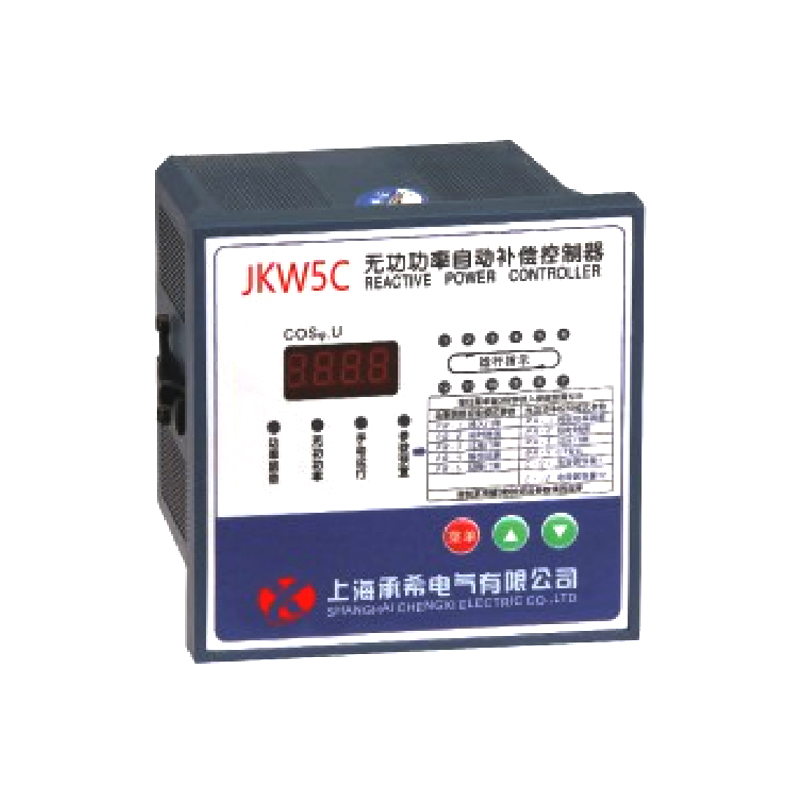 Quick View
JK/RPCF Series Reactive Power Automatic Compensation Controller
The JK/RPCF series reactive power automatic compensation controller is a device used in power systems, primarily to improve power quality and reduce energy losses. It automatically monitors reactive power in the grid and automatically compensates for it by adjusting the switching of shunt capacitors.
Its compact design, easy operation, high accuracy, and reliability make it suitable for a variety of industrial and commercial applications. Furthermore, it features overvoltage, undervoltage, and overcurrent protection functions to ensure safe and stable system operation.
The JK/RPCF series controller effectively improves the grid's power factor, reduces line losses, and increases power supply efficiency, making it an indispensable component in modern power systems.
 Quick View
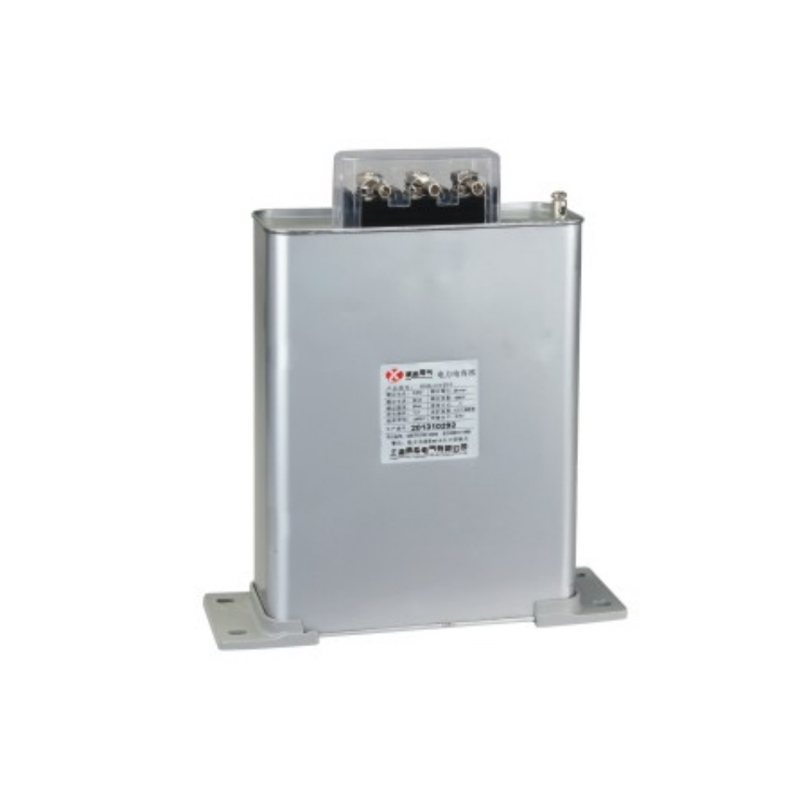
BSMJ Series Self-Healing Low-Voltage Shunt Capacitors
The BSMJ series of self-healing low-voltage shunt capacitors are designed for industrial enterprises, substations, and distribution networks to compensate for reactive power, improve power factor, reduce line losses, and enhance voltage quality. Their unique self-healing technology automatically repairs internal faults, extending their service life. With their compact design, easy maintenance, and stable operation in diverse environments, these capacitors are an ideal choice for enhancing power system efficiency and reliability.
 Quick View
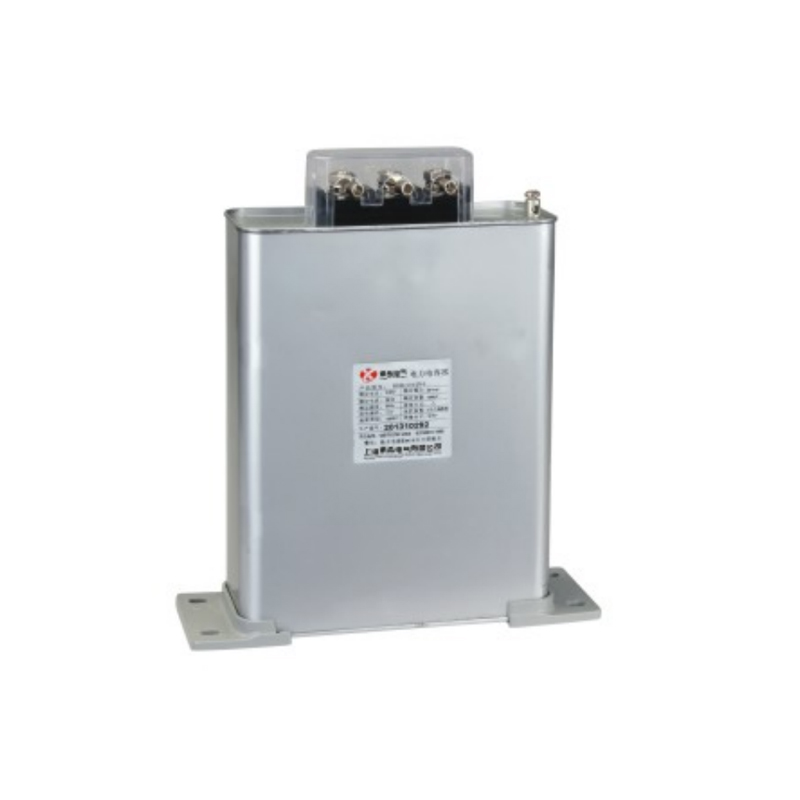
BSMJ Series Phase-Splitting Compensation Capacitors with Automatic Healing Functions
The BSMJ series is a smart capacitor specifically designed for low-voltage reactive power compensation. Utilizing split-phase compensation technology, it provides precise reactive power regulation for unbalanced three-phase systems, effectively improving power factor and reducing line losses.
The core advantage lies in its self-healing design. When a local dielectric breakdown occurs, the metallized film automatically repairs itself, ensuring continuous and stable capacitor operation and significantly extending its service life. The product features multiple built-in protection mechanisms for overvoltage, overcurrent, and temperature, ensuring safety and reliability. It supports automatic switching and works in conjunction with an intelligent controller for dynamic compensation. It is suitable for industrial plants, commercial power distribution, and new energy applications.
This series of capacitors features compact size, low loss, and is maintenance-free. Its dry-type construction offers excellent explosion-proof performance and flexible installation options (fixed or modular). It is an ideal choice for improving grid efficiency and optimizing power quality.
Capacitors are key devices in power systems used for reactive power compensation and improving power quality. Chengxi's CXZNS/CXZNF intelligent capacitors and BSMJ series self-healing shunt capacitors are widely applied in industrial enterprises, substations, and distribution networks. By compensating reactive power, they enhance power factor, reduce line losses, and improve voltage quality.
The products offer significant advantages: the intelligent CXZNS series features LCD displays and automatic switching functions, allowing flexible adjustment based on reactive power needs for precise compensation; the self-healing BSMJ series can automatically repair dielectric breakdowns, extending service life; and the split compensation CXZNF series is designed for three-phase unbalanced circuits, providing superior compensation effects.
Supporting both common and split compensation modes, these capacitors adapt to various load characteristics. They are easy to install and maintain, operate reliably over a wide temperature range, and comply with international standards for reactive power compensation. The manufacturing process emphasizes high-quality dielectric materials and sealing technology to ensure low losses and high stability, delivering energy-saving solutions for efficient power system operation.
With renewable energy deployment accelerating globally, particularly in solar an...
View MoreFrom North America’s expanding solar corridors to emerging utility-scale project...
View MoreAcross international energy forums and professional engineering communities, dis...
View MoreAs global renewable energy installations continue to expand, grid stability and ...
View MoreAs power systems become increasingly complex and digitally monitored, operators ...
View MoreImagine your electrical system is a beer glass. The beer itself is the "Real Power" (kW)—the useful work that powers your motors, lights, and machinery. The foam on top is "Reactive Power" (kVAR)—a necessary but useless byproduct of creating magnetic fields in inductive equipment like motors and transformers. The total content of the glass, beer and foam combined, is the "Apparent Power" (kVA).
A low power factor is like having a glass that's half foam. You're paying for the entire glass (kVA), but you only get to drink the beer (kW). The utility company often charges penalties for this inefficient use of their system.
This is where the shunt power capacitor comes in. It acts like a dedicated "foam destroyer."
Inductive loads (like motors) cause the current to "lag" behind the voltage. Capacitors, by their nature, have the opposite effect; they cause the current to "lead" the voltage. When you connect a shunt capacitor in parallel (shunt) with an inductive load, the capacitor's leading reactive power cancels out the load's lagging reactive power.
Think of it like a seesaw. On one side, you have the inductive load generating lagging reactive power, pushing down. The shunt capacitor on the other side generates leading reactive power, pushing up. When balanced correctly, the two forces neutralize each other. The result is that the current wave comes back into alignment with the voltage wave.
This reduction in reactive power means the total apparent power (kVA) demanded from the utility drops significantly. Since your real power (kW) requirement for doing work remains the same, your power factor—the ratio of kW to kVA—improves dramatically. You get a fuller glass of beer and eliminate the penalty for the foam, reduced electricity bills, increased system capacity, and improved voltage stability.
Low-voltage shunt capacitors are the workhorses of power factor correction in everyday commercial and industrial settings, typically at voltages like 400V or 480V. Their primary use is clear, but the benefits ripple throughout the entire electrical installation. Let's explore their key applications.
The critical use is Power Factor Correction (PFC). They are deployed in electrical distribution panels, such as Main LV Switchboards (MLVS) or Motor Control Centers (MCCs), to counteract the lagging current drawn by countless inductive devices. This directly translates into avoiding costly power factor penalty charges from the utility provider, which can amount to a significant portion of an industrial electricity bill.
Beyond just avoiding penalties, they increase the available capacity of the electrical system. By reducing the reactive power component, the total current flowing through transformers, cables, and switchgear is lowered. This means an existing transformer can support more productive load without needing an expensive upgrade. It effectively "frees up" capacity that was previously wasted on reactive power, allowing for the connection of new machinery without overloading the system.
The reduction in current flow resulting from PFC also reduces voltage drops across the cables. This a more stable and higher voltage at the point of use, ensuring that sensitive equipment and motors operate at their rated voltage. This improves motor performance, reduces heat generation, and extends the lifespan of electrical assets.
By reducing the overall current, these capacitors help in lowering energy losses (I²R losses) in the distribution network. Less current means less power is wasted as heat in the cables and transformers, contributing to overall energy savings and a cooler, more efficient operation of the entire electrical infrastructure.
Traditional capacitors can be vulnerable to modern electrical environments filled with non-linear loads like variable frequency drives (VFDs) and LED drivers, which create harmonic distortion. Anti-harmonic intelligent capacitors are the advanced solution, integrating multiple functions into a single, smart device. Their functions go far beyond basic power factor correction.
Advanced Power Factor Correction: At their core, they automatically switch capacitor steps in and out to maintain a target power factor (e.g., 0.95 to 1.0). They do this intelligently using built-in controllers that monitor the grid in real-time, ensuring precise and dynamic compensation.
Passive Harmonic Filtering: This is a key differentiator. These units are built with detuned reactors—a choke—connected in series with the capacitor. This reactor-and-capacitor combination is designed to form a "detuned filter" that blocks harmful harmonic currents (particularly the 5th and 7th order) from flowing into the capacitors. This protects the capacitors from overheating and failing due to harmonic overload.
Protection and Safety Features: They come with a suite of built-in protections. This includes overload protection, over-temperature protection, and over-voltage protection. If the device detects conditions that could damage (like excessive harmonics or temperature), it will safely disconnect itself from the network, preventing catastrophic failure.
System Monitoring and Communication: True to their "intelligent" name, these capacitors often feature digital displays and communication ports (like RS485). They can provide real-time data on power factor, voltage, current, harmonic levels, and temperature. This data can be communicated to a central Building Management System (BMS) or SCADA system for remote monitoring, analysis, and historical trending of the electrical system's health.
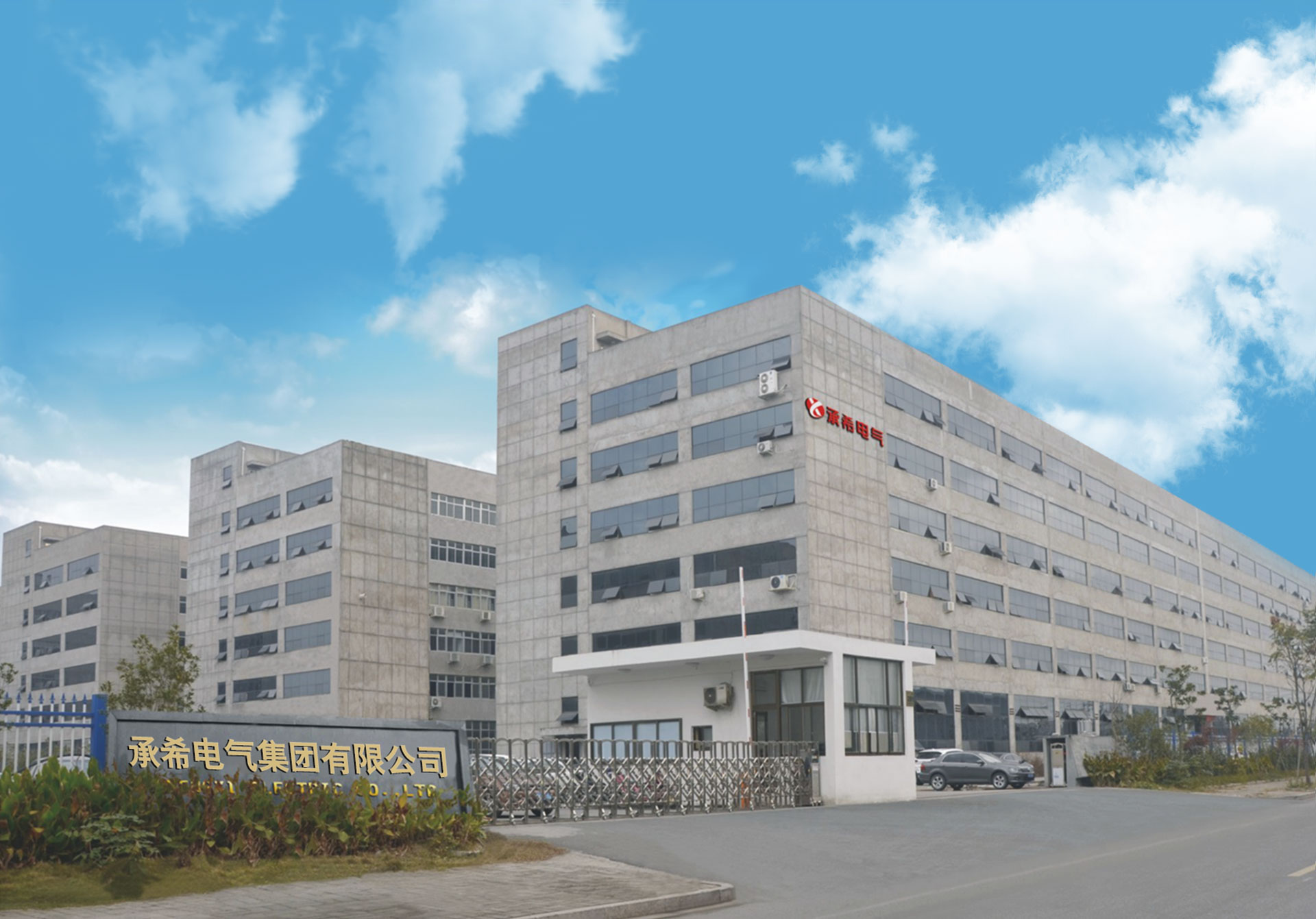
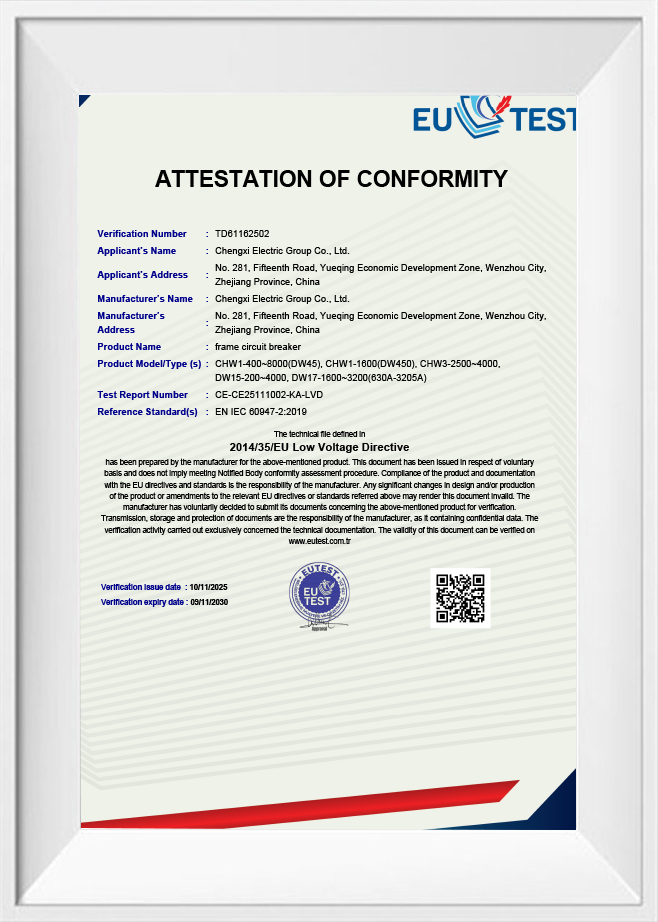
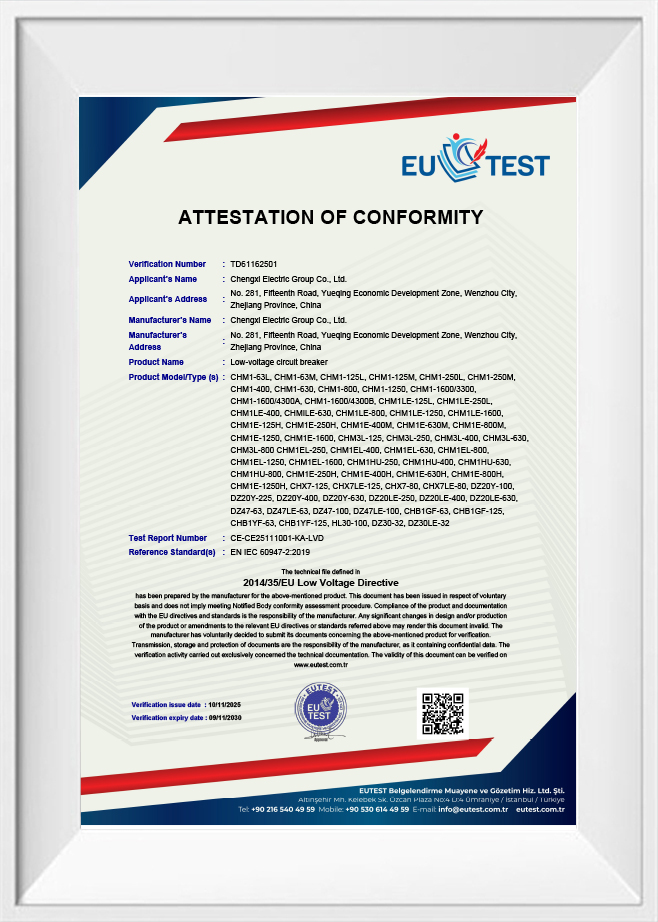
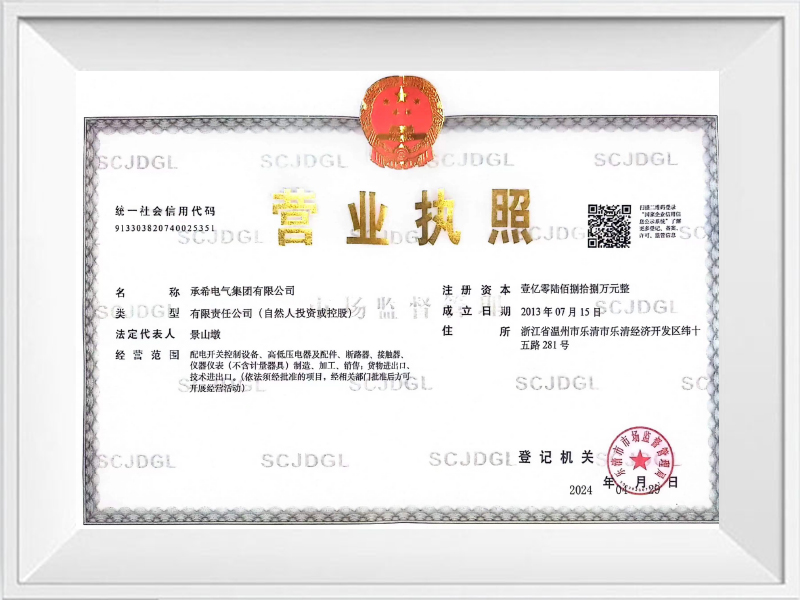
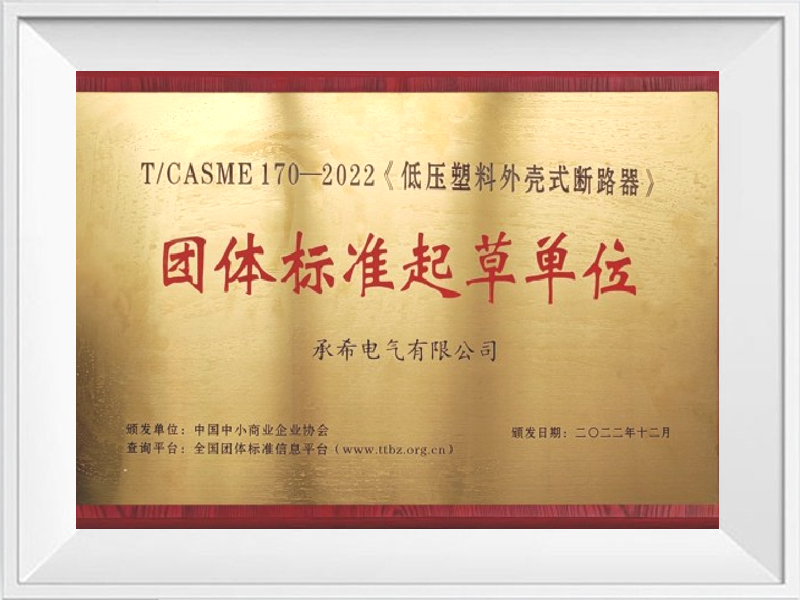
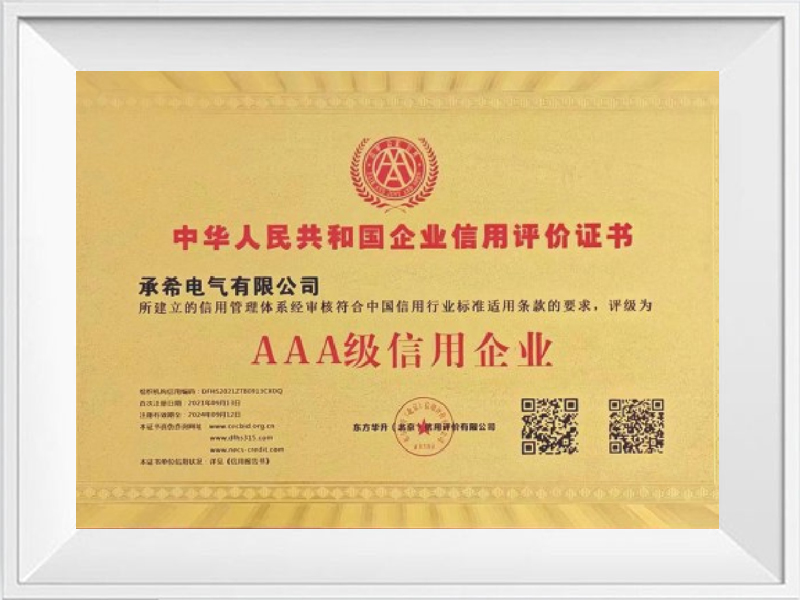
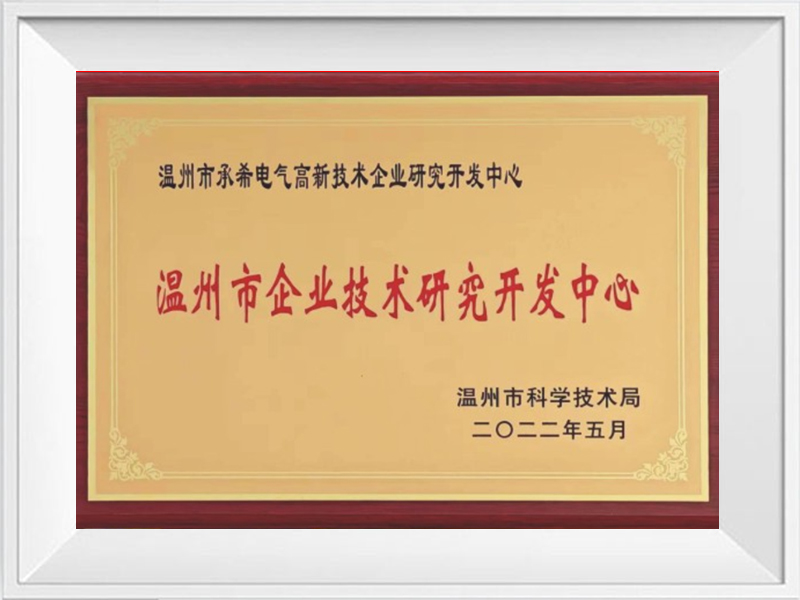
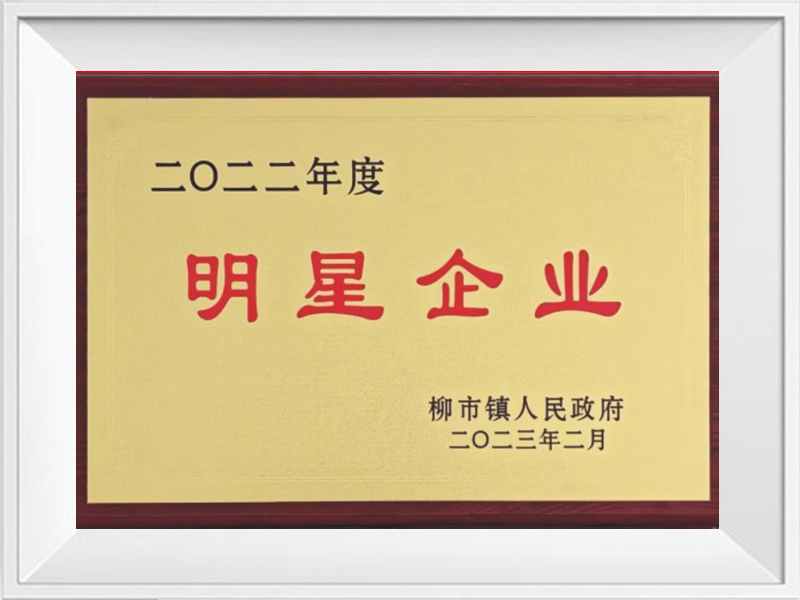
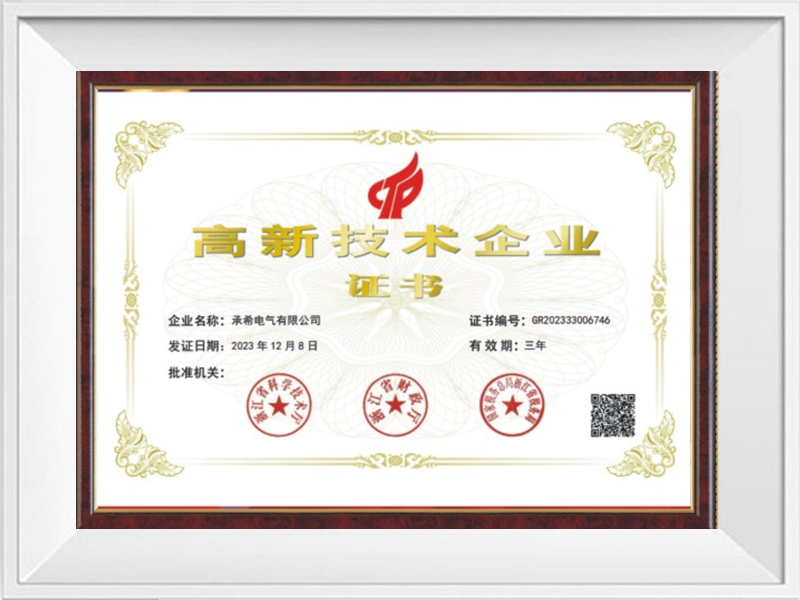
 The company is committed to providing high-quality electrical products and excellent customer service. We not only supply exquisite, top-tier products to meet your needs but also back them with a sincere and comprehensive after-sales service guarantee.
Contact Us
 +86-18067486879
 [email protected]
 281 Wei 15th Road, Yueqing Economic Development Zone, Zhejiang, China
Copyright © Chengxi Electric Group Co., Ltd. All Rights
Reserved

China Shunt Power Capacitor




 English
  Français
  中文简体
中文简体  русский
  Español
  عربى
عربى