Date:2026-01-09
As energy systems grow more complex and power stability becomes a universal concern, overseas discussions are increasingly focused on how critical infrastructure ensures uninterrupted electricity. From data centers shared on LinkedIn to facility management forums and renewable energy communities, the Dual Power Automatic Transfer Switch is frequently mentioned as a key component for maintaining continuity during power fluctuations or source changes. At the same time, growing attention is being paid to how safe separation is achieved through well-designed switching devices, especially in systems that combine different voltage levels.
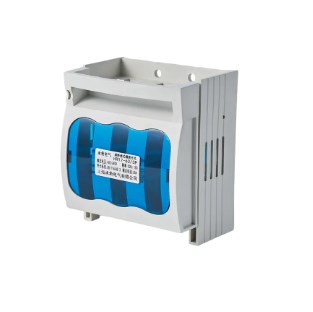
Across global markets, power interruptions are no longer seen as minor inconveniences. In industrial production, commercial buildings, and public facilities, even short disruptions can affect operations, safety, and customer experience.
This awareness has driven stronger interest in automatic switching solutions that can manage transitions between power sources smoothly. Rather than relying on manual intervention, modern systems increasingly favor automated designs that support stable and predictable operation under changing conditions.
In many overseas projects, power systems now integrate multiple sources such as utility grids, backup generators, and renewable energy inputs. Managing these sources efficiently has become a frequent topic on professional platforms.
Automatic transfer switches are valued for their ability to detect changes and respond quickly, helping systems maintain continuity without complex manual processes. This capability aligns with the global trend toward automation and reduced operational risk, particularly in mission-critical environments.
While continuity is essential, safety remains a central concern in electrical system design. Engineers and inspectors often emphasize the importance of clear isolation when dealing with different voltage levels or maintenance scenarios.
Isolation switches support safe separation between circuits, allowing technicians to work with confidence while minimizing exposure risks. In systems that involve both high and low voltage sections, proper isolation plays a vital role in protecting equipment and personnel alike.
From industrial plants and commercial complexes to energy storage systems and infrastructure projects, switching solutions must adapt to varied working environments. Each application brings unique expectations related to load behavior, switching frequency, and environmental conditions.
Products designed with flexibility in mind are often favored by overseas buyers. The ability to integrate seamlessly into different system architectures supports broader application coverage and simplifies project planning.
On international construction sites and retrofit projects, installation efficiency is a frequent point of discussion. Components that are easy to integrate and maintain can significantly reduce labor time and long-term operational costs.
Clear structure, logical layout, and accessible terminals all contribute to smoother installation and inspection. These practical considerations are increasingly highlighted by global buyers who balance performance requirements with real-world usability.
Beyond functional design, manufacturing consistency is a recurring theme in overseas sourcing conversations. Buyers want assurance that switching devices perform reliably over extended periods and under varying conditions.
Manufacturers that emphasize stable production processes, thorough inspection, and clear technical communication tend to earn stronger trust. This focus on reliability aligns with the global shift toward long-term partnerships rather than short-term sourcing decisions.
As renewable integration, smart grids, and distributed energy systems continue to expand, the role of intelligent switching becomes more prominent. Power systems are no longer static; they must adapt dynamically to changing supply and demand patterns.
Switching solutions that support both automation and safe isolation help bridge traditional infrastructure with modern energy concepts. This adaptability makes them increasingly relevant in global discussions about future-ready power systems.
International buyers are placing greater emphasis on overall system value rather than isolated component pricing. Reliable switching solutions can help reduce downtime, simplify maintenance planning, and support safer operations over time.
This value-oriented mindset encourages careful evaluation of design quality, application compatibility, and manufacturer support, rather than focusing solely on initial procurement considerations.
As global energy systems continue to evolve, dependable switching solutions are becoming central to discussions about power stability and safety. Thoughtfully designed components help ensure smooth transitions, protect equipment, and support diverse applications worldwide. While the Dual Power Automatic Transfer Switch plays a critical role in maintaining continuity across multiple power sources, the High And Low Voltage Isolation Switch remains essential for safe operation and maintenance in complex electrical environments. Together, they represent a practical foundation for building resilient and future-ready power systems across international markets.
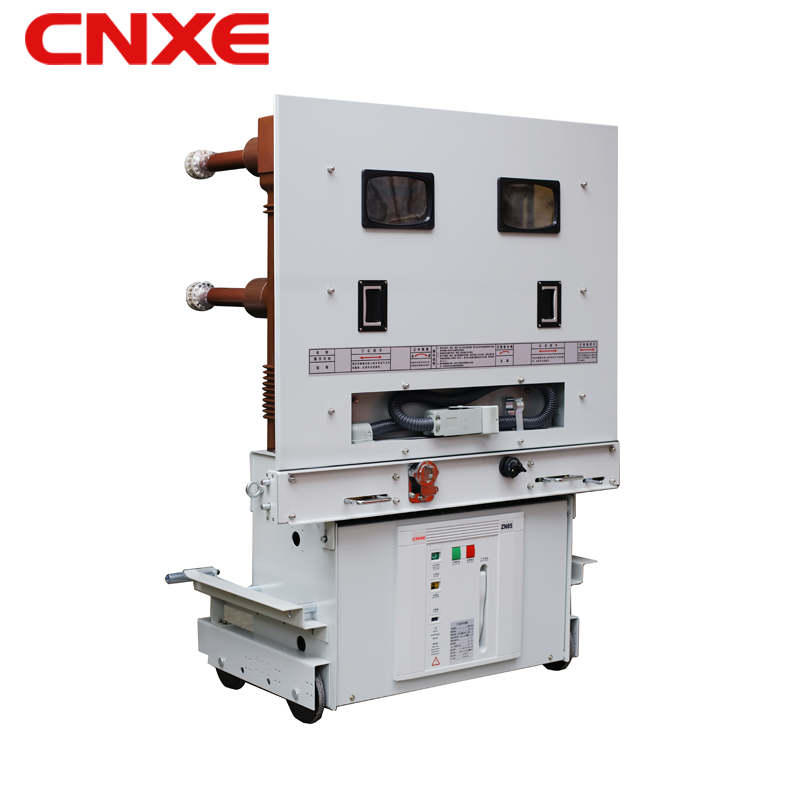
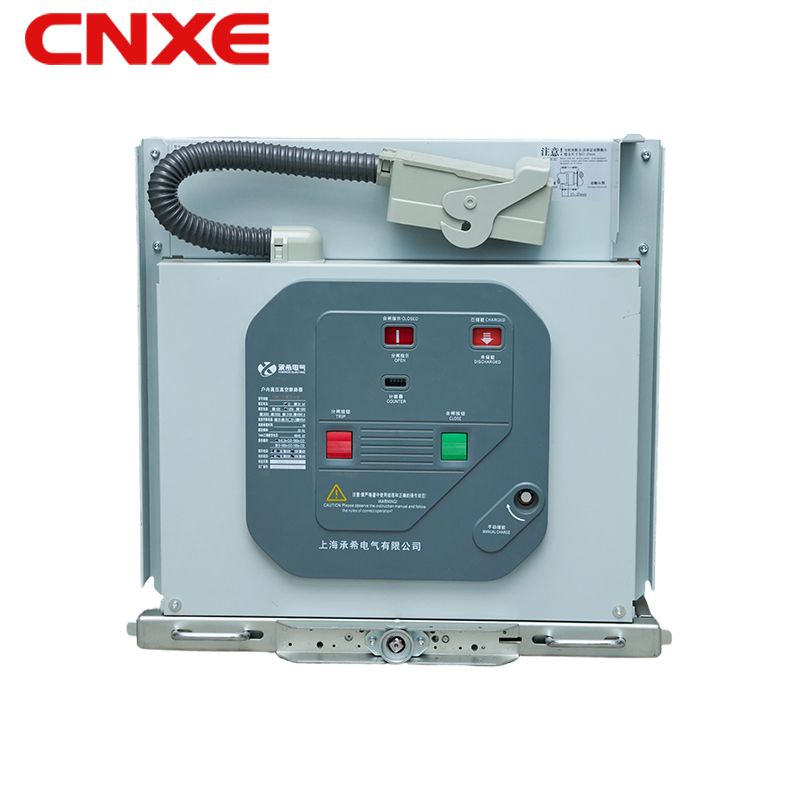
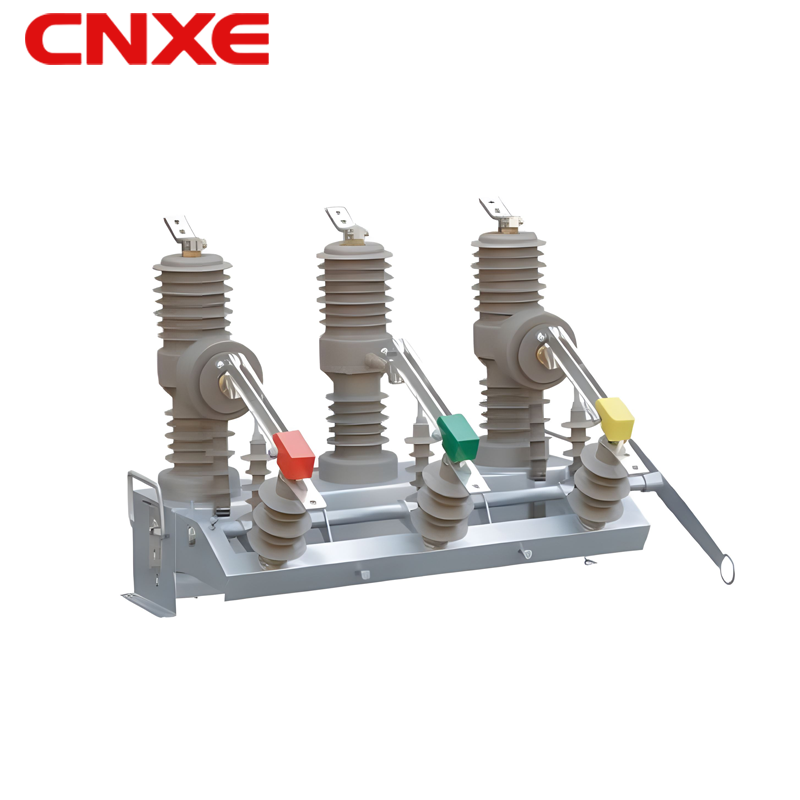
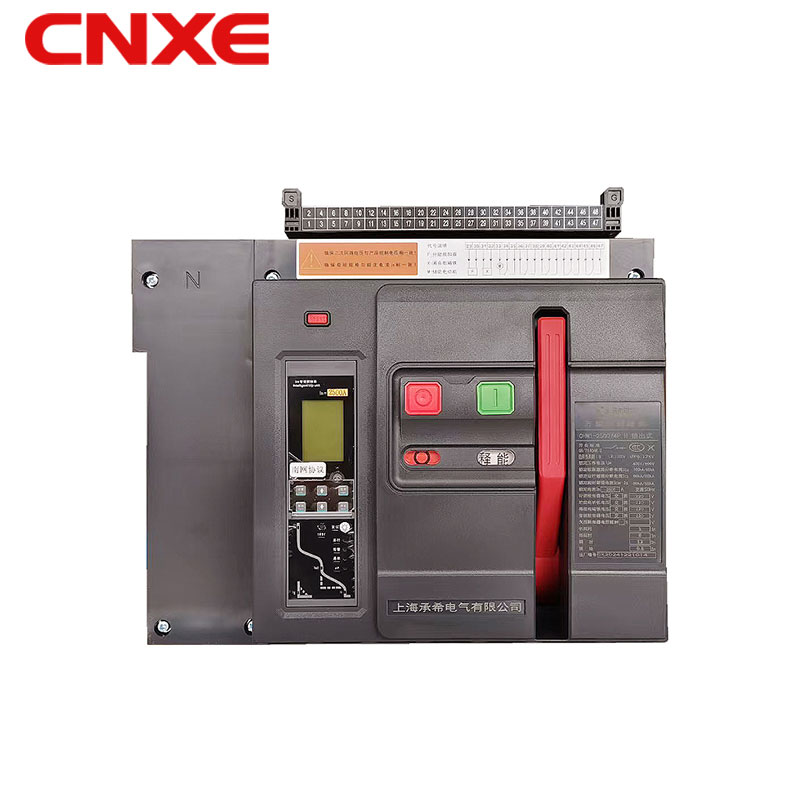
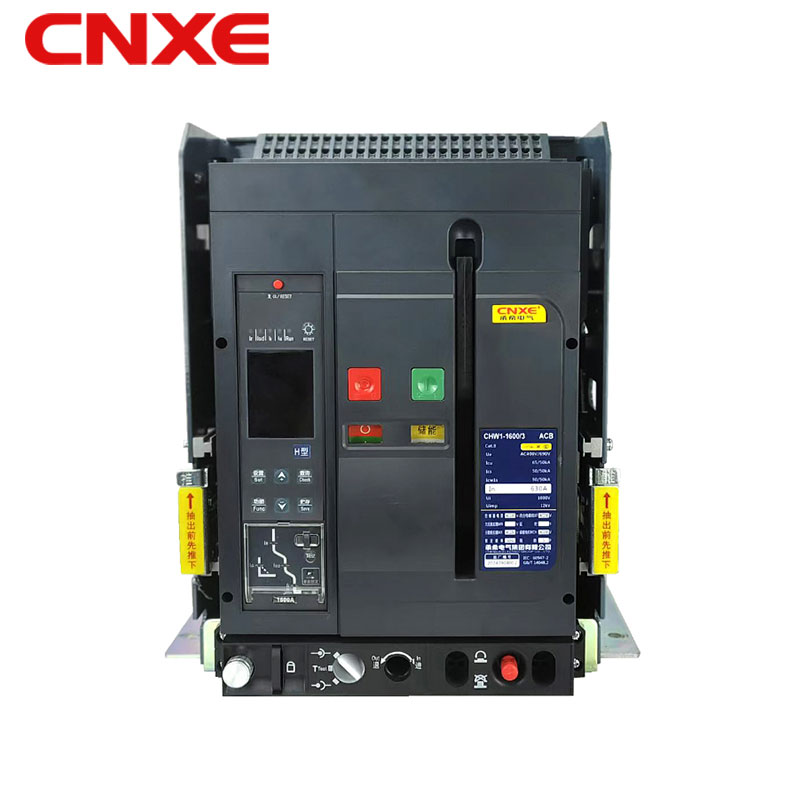
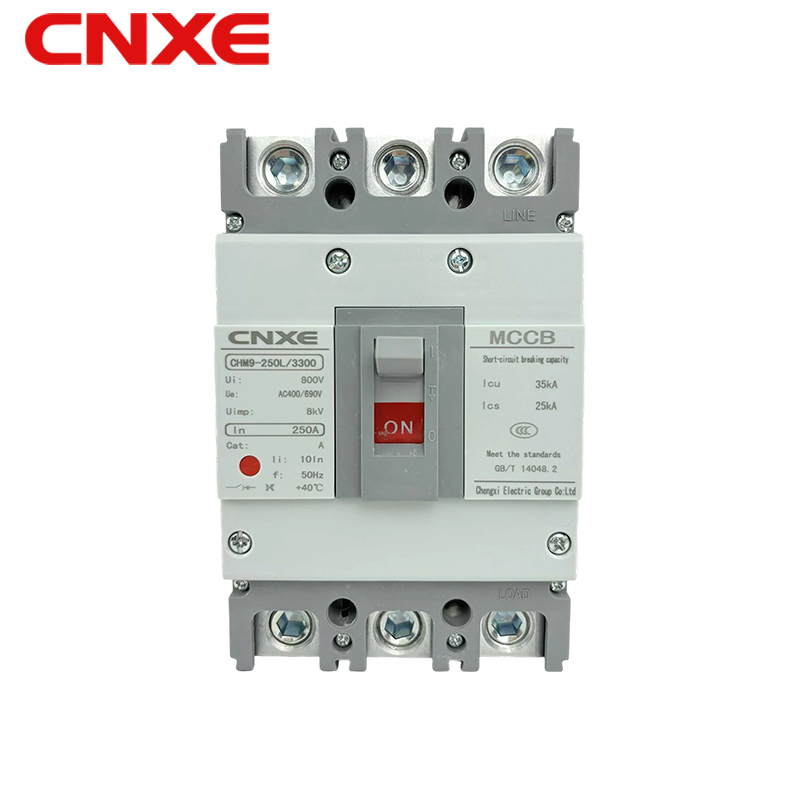
 The company is committed to providing high-quality electrical products and excellent customer service. We not only supply exquisite, top-tier products to meet your needs but also back them with a sincere and comprehensive after-sales service guarantee.
Contact Us
 +86-18067486879
 [email protected]
 281 Wei 15th Road, Yueqing Economic Development Zone, Zhejiang, China
Copyright © Chengxi Electric Group Co., Ltd. All Rights
Reserved

High Voltage Transformer & Electrical Circuit Breaker Factory




 English
  Français
  中文简体
中文简体  русский
  Español
  عربى
عربى