 Quick View
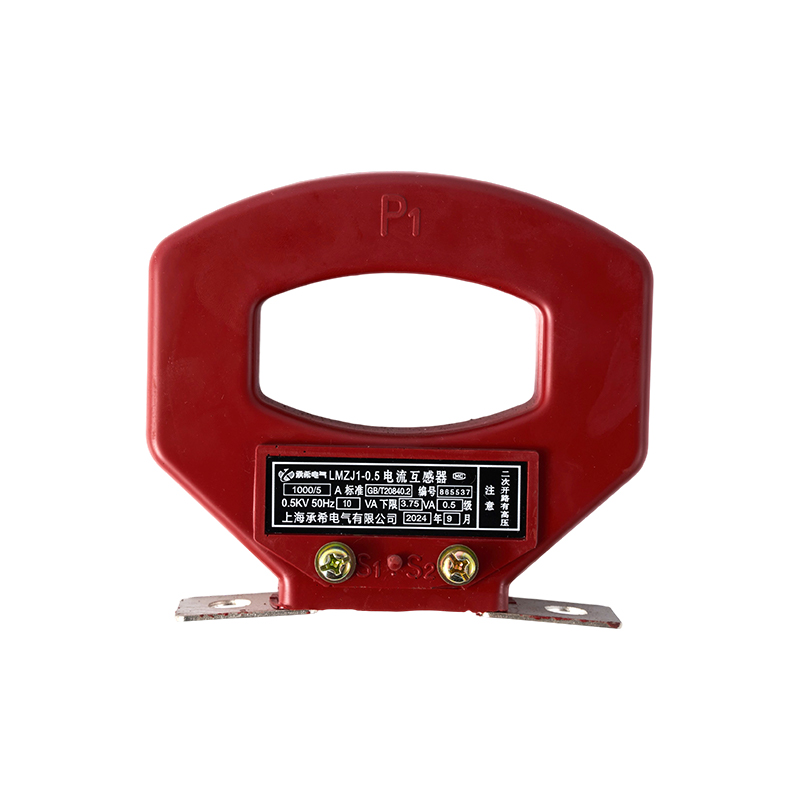
LMZJ1 Series Transformers Are Used In Low Voltage Power Distribution Systems
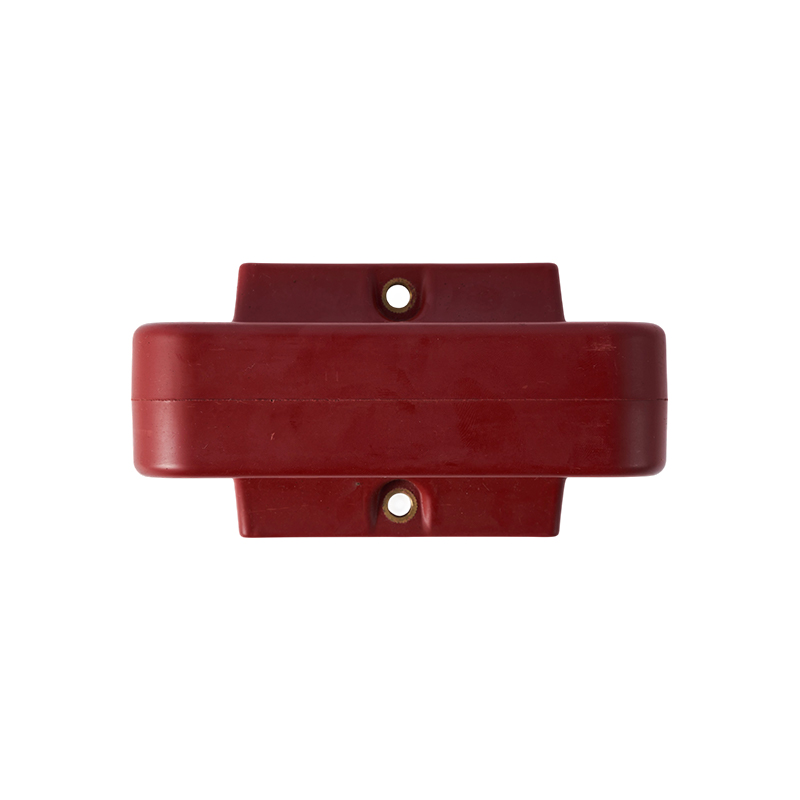
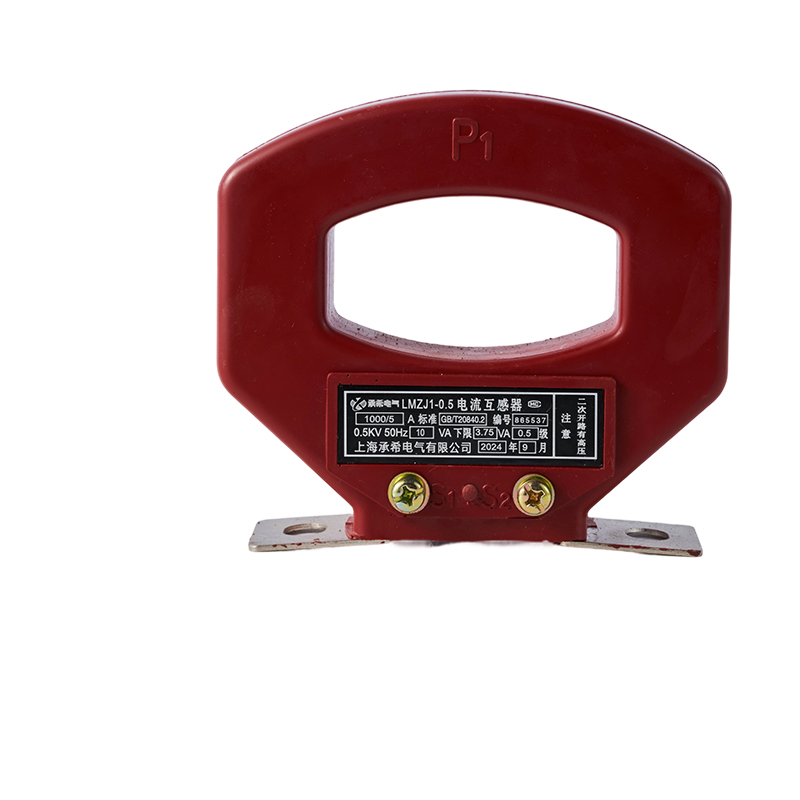
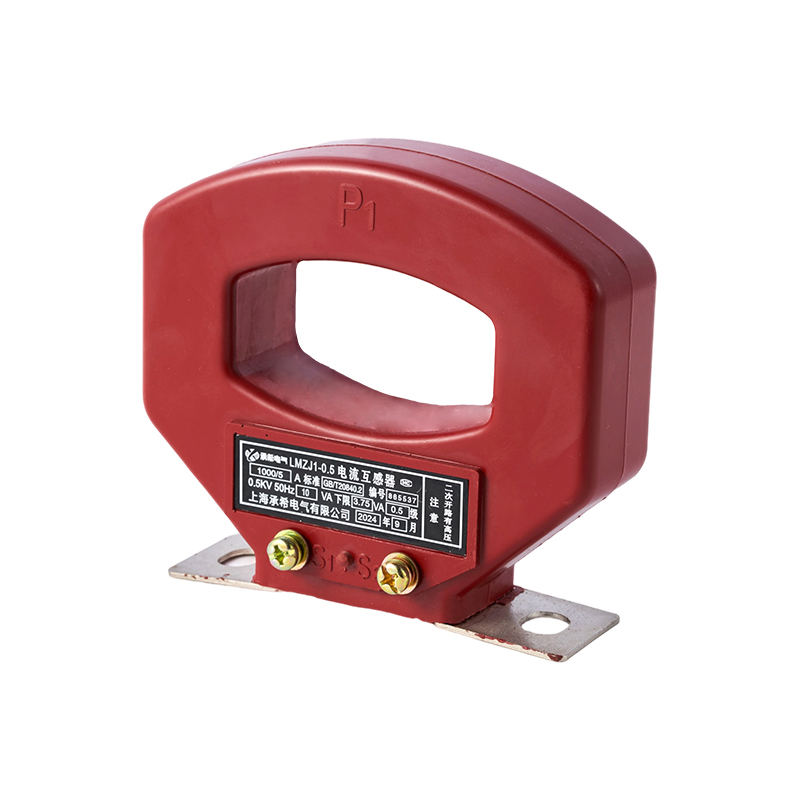
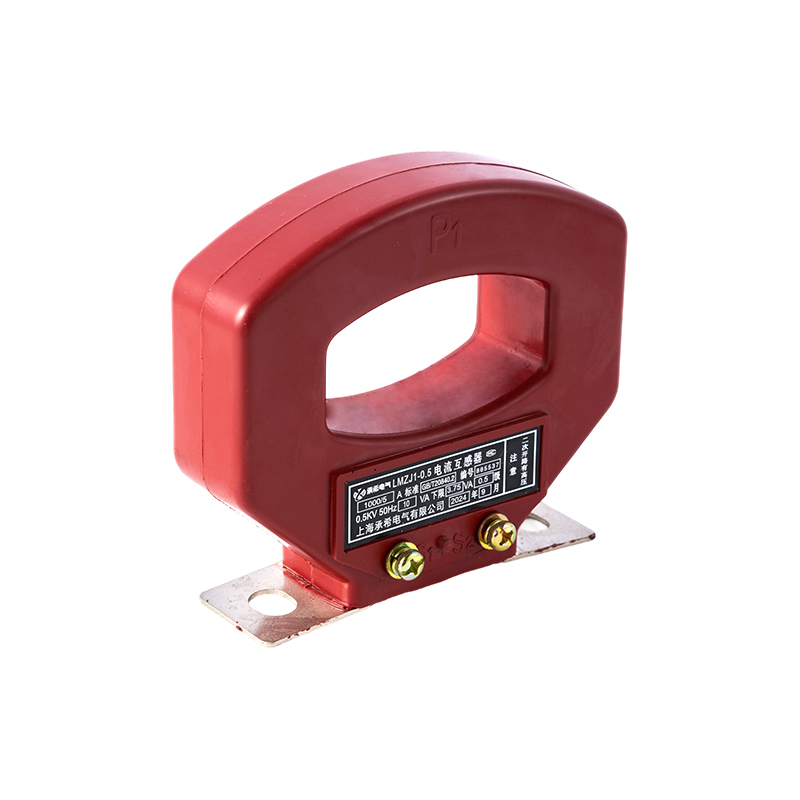
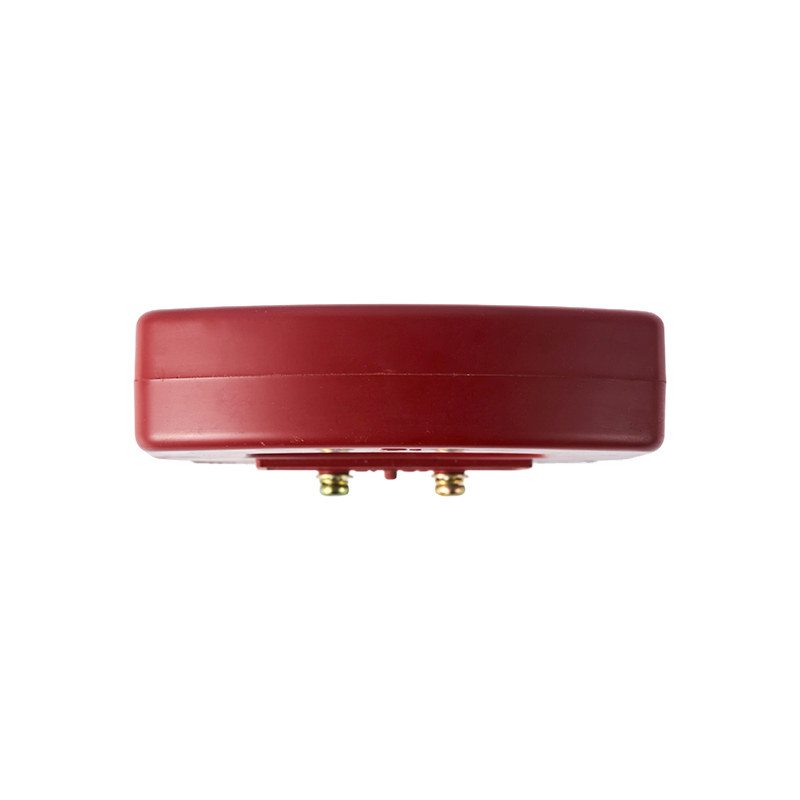
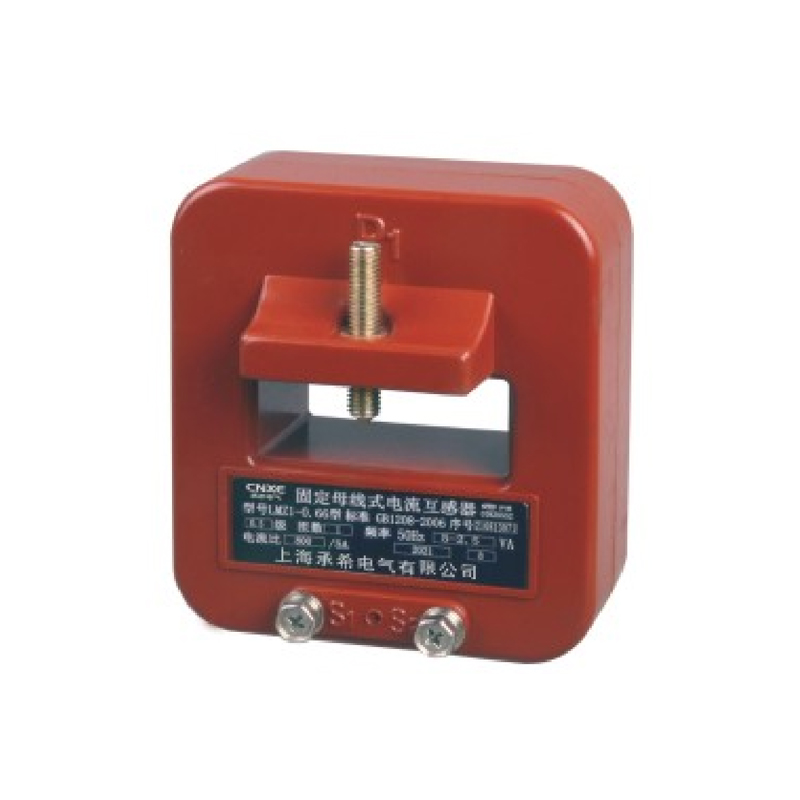
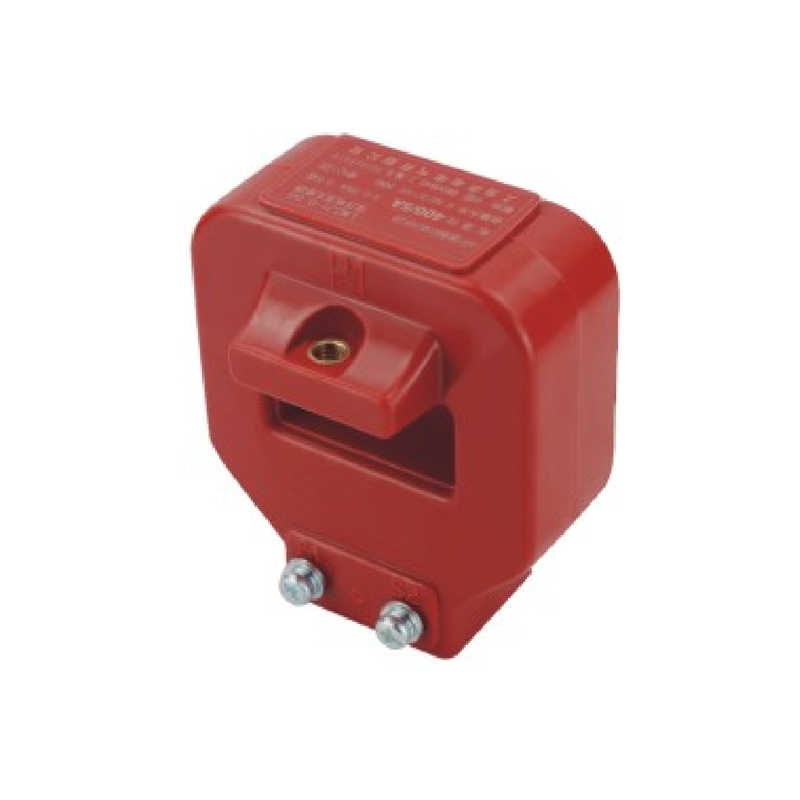
The LMZJ1 series instrument transformers are renowned for their compact design and practicality, making them particularly suitable for space-constrained power system environments. Their sophisticated design facilitates installation and maintenance, allowing them to be easily fixed to distribution boards and accommodate various mounting configurations, whether vertical or horizontal.
The heat-resistant red housing not only enhances reliability in high-temperature environments but also helps protect the equipment from environmental hazards. Furthermore, the LMZJ1 series instrument transformers' precise measurement capabilities are crucial for power system monitoring, providing accurate current data and ensuring safe operation.
The safety and compatibility of these instrument transformers have also been meticulously designed to ensure seamless integration with existing power systems and equipment, eliminating the need for major retrofits. With its high efficiency, low cost, and environmental adaptability, the LMZJ1 series instrument transformers are an ideal choice for power system measurement and protection.
 Quick View
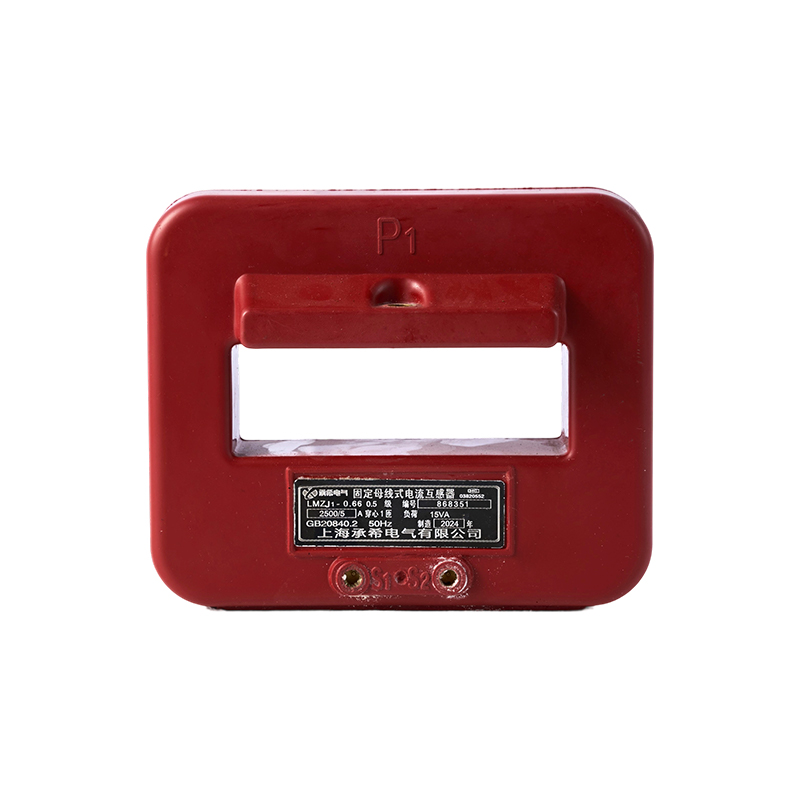
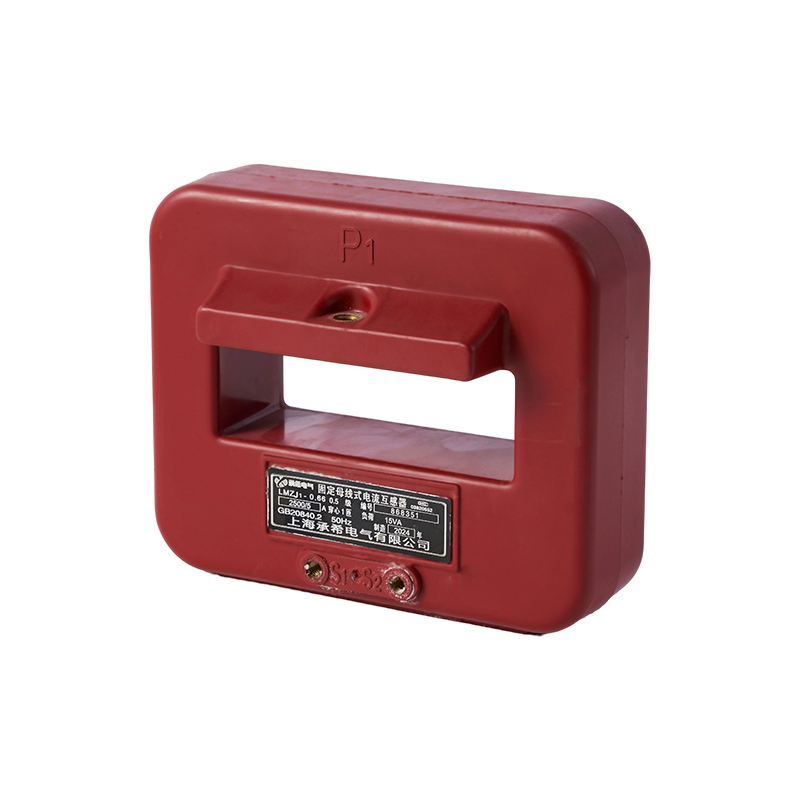
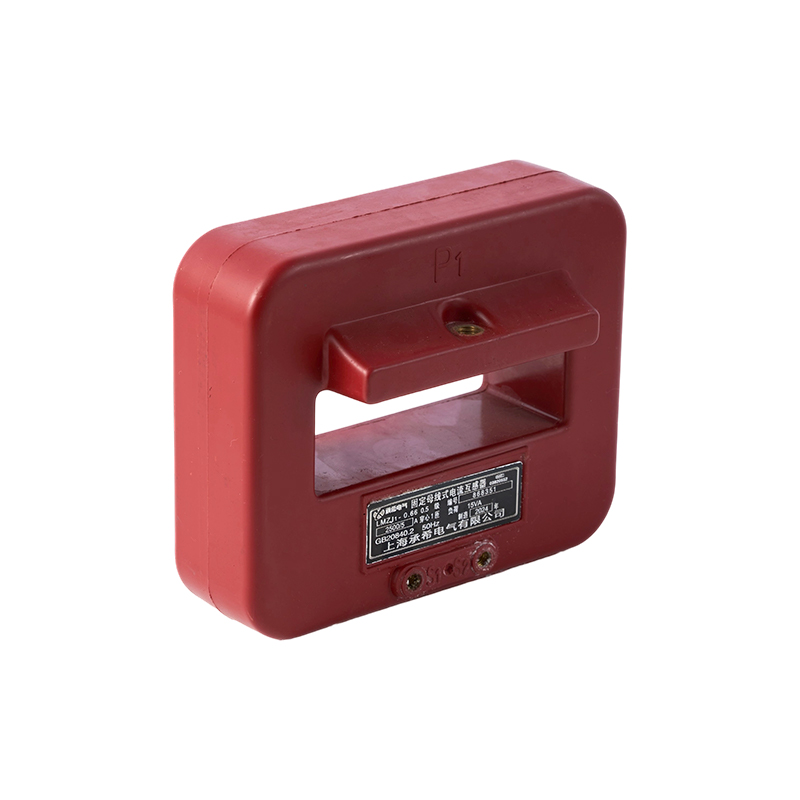
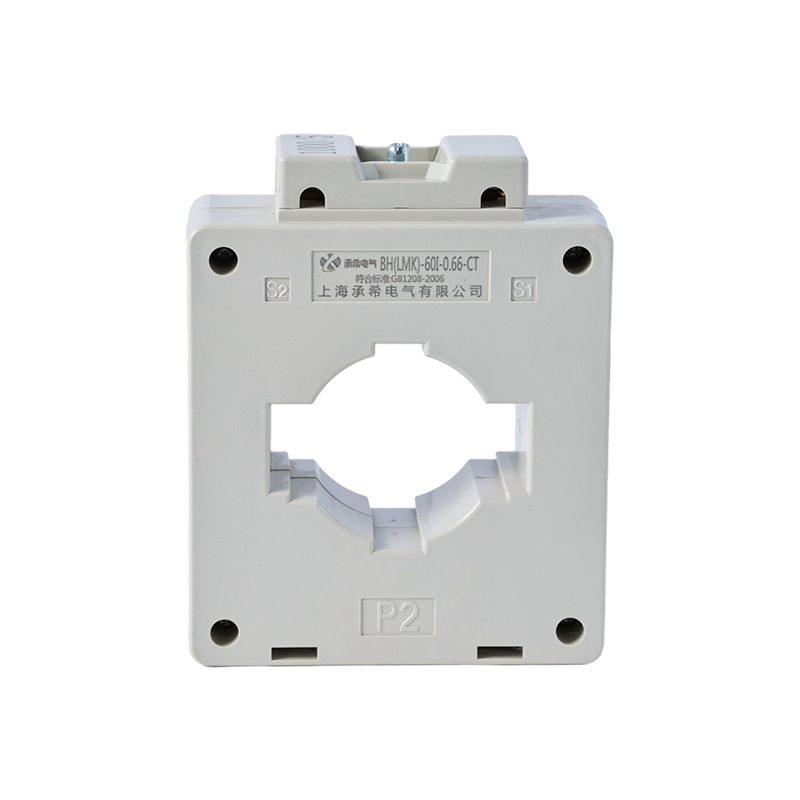
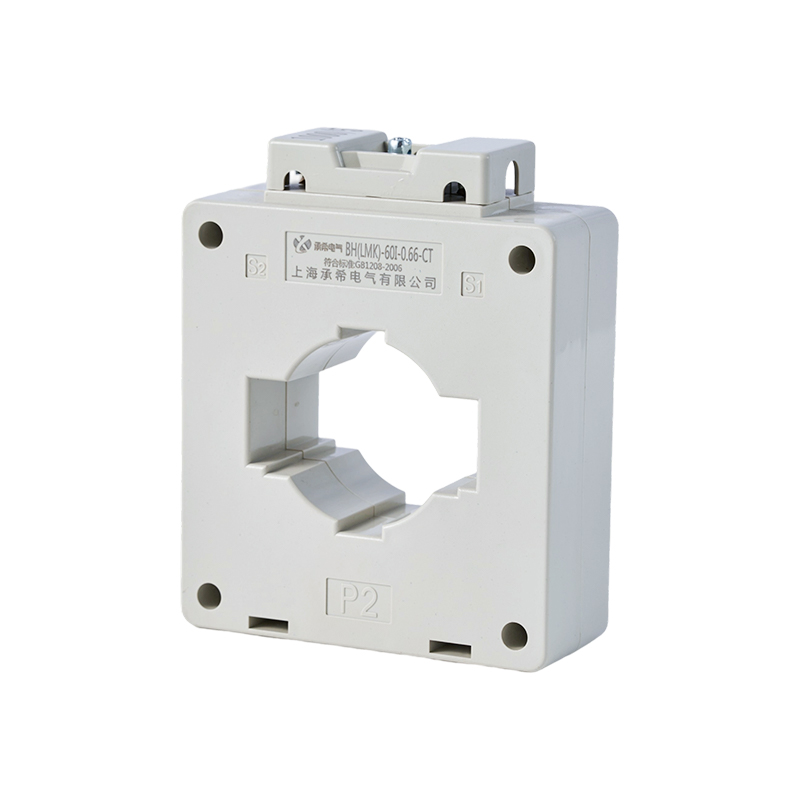
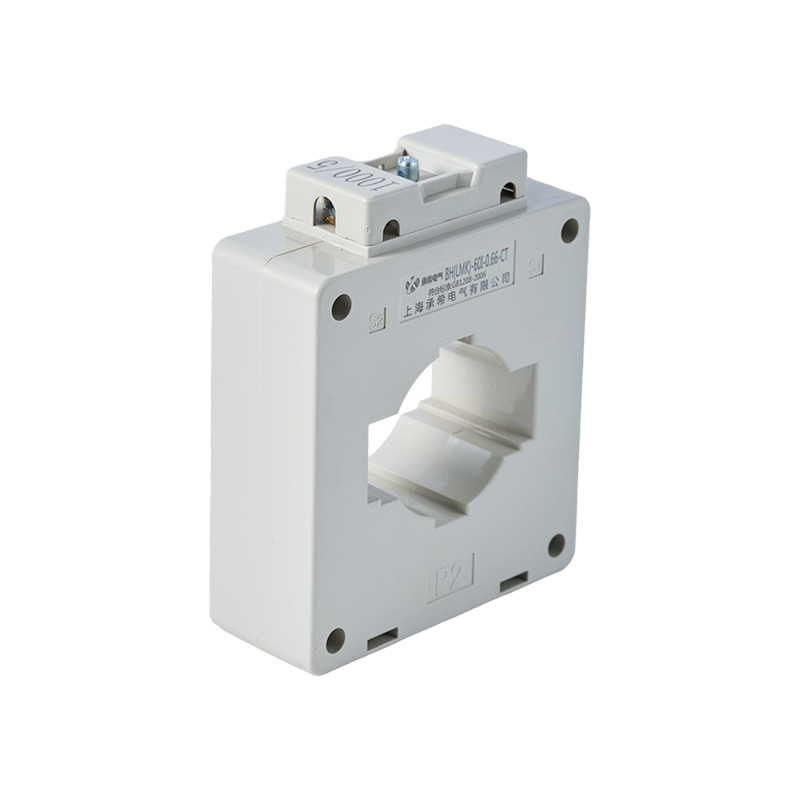
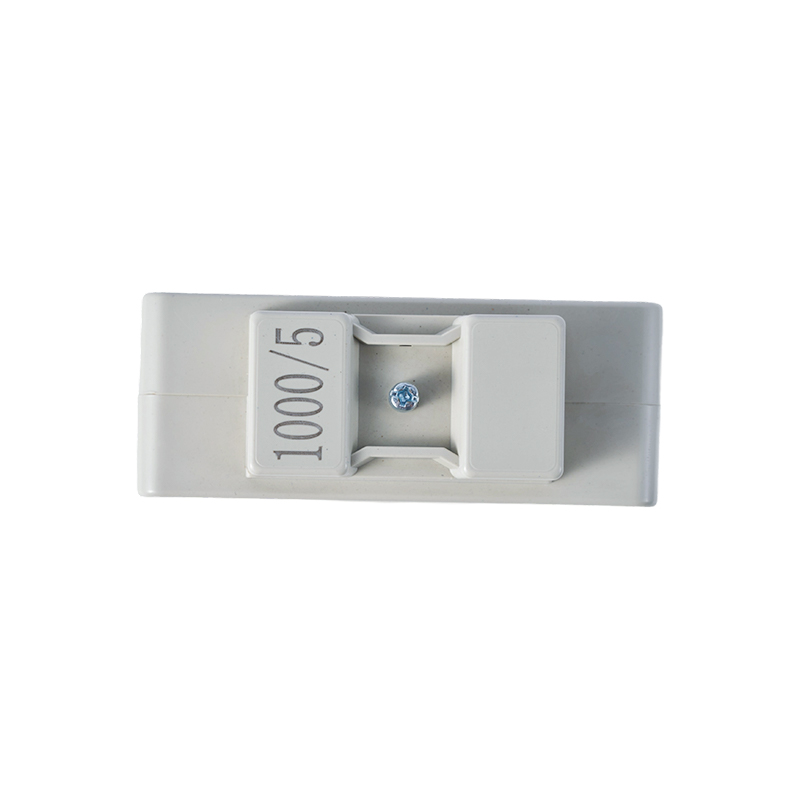
BH Series Transformers Are Used For Industrial Metering Substation Monitoring
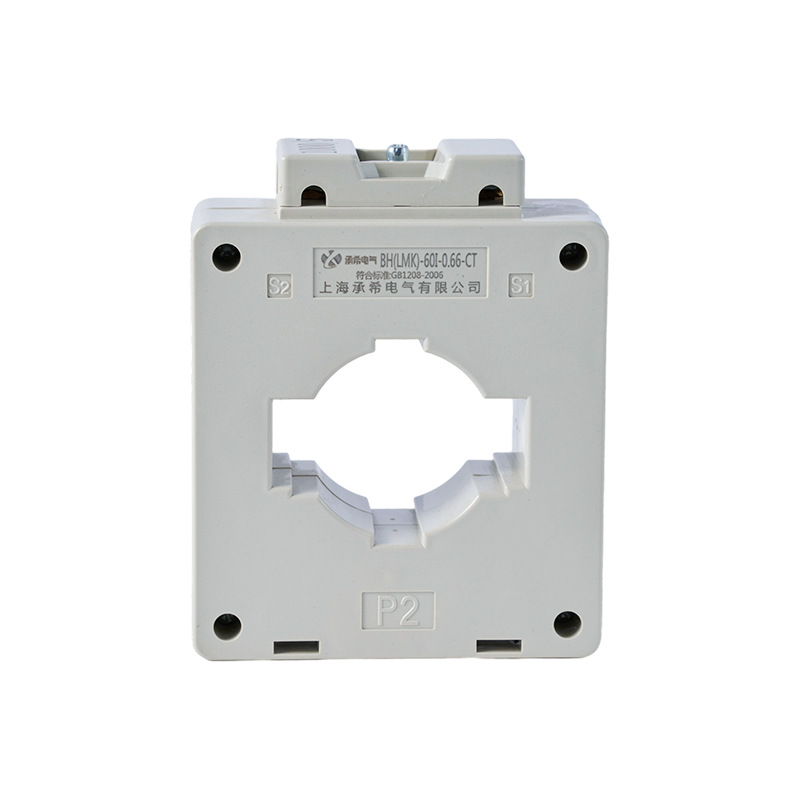
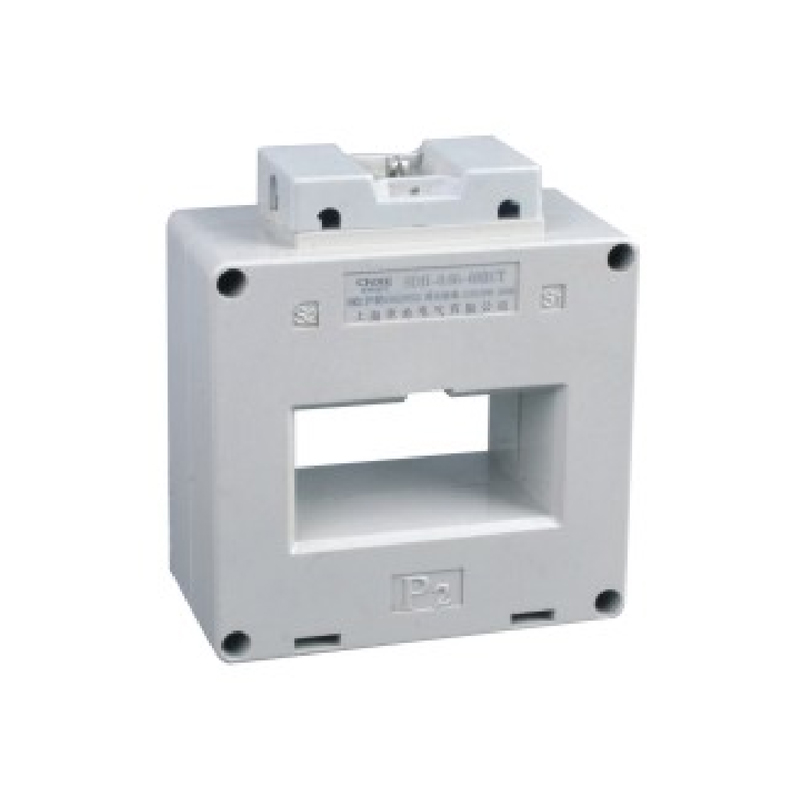
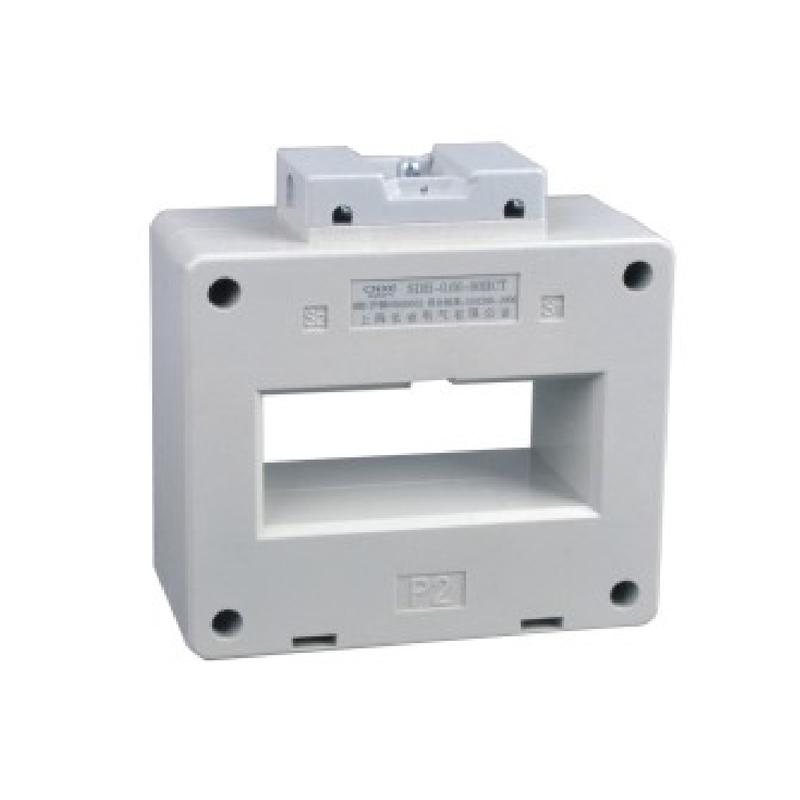
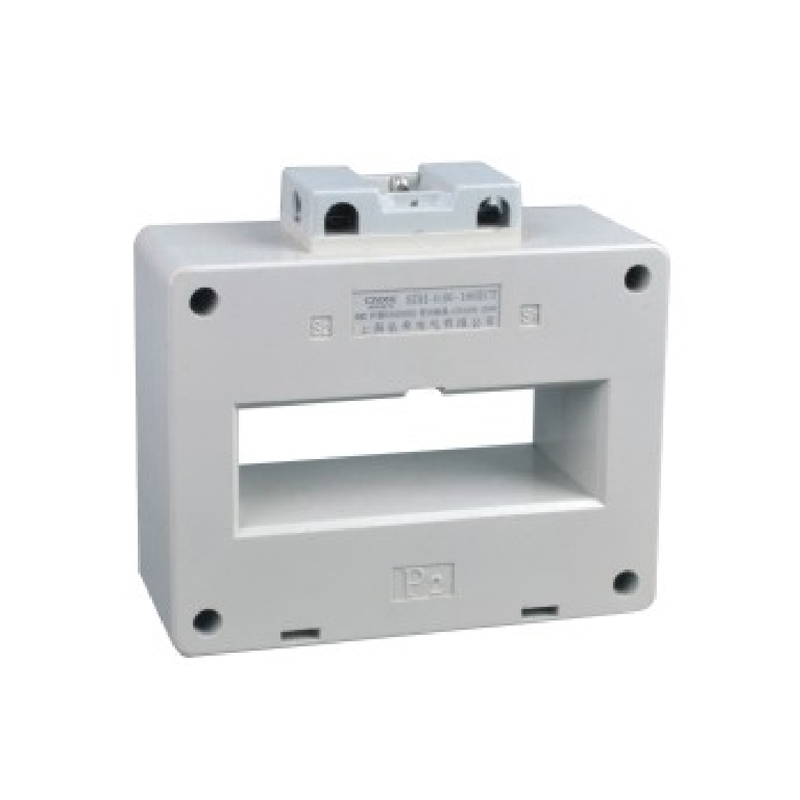
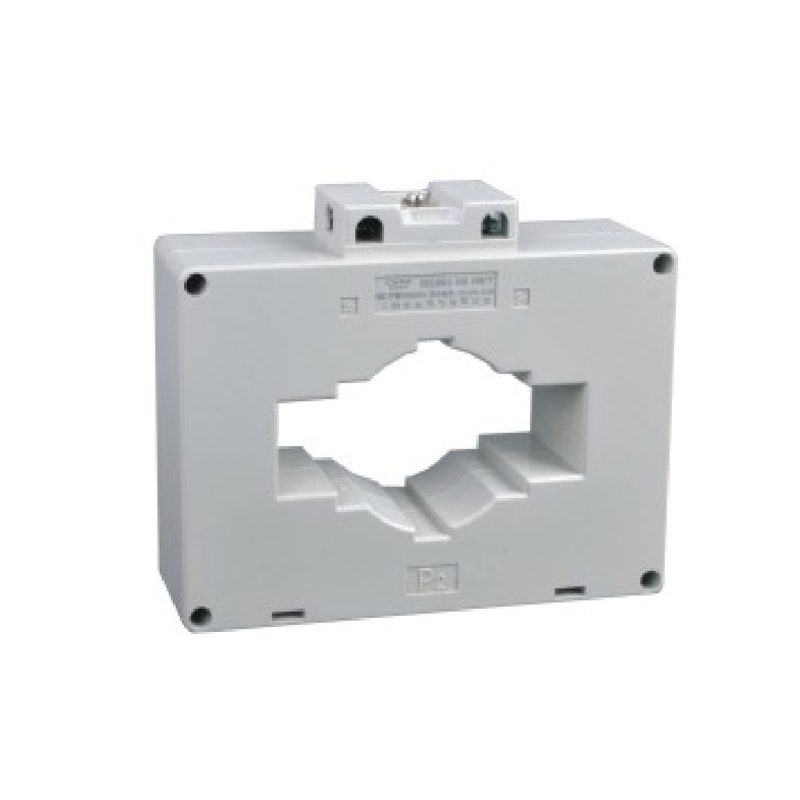
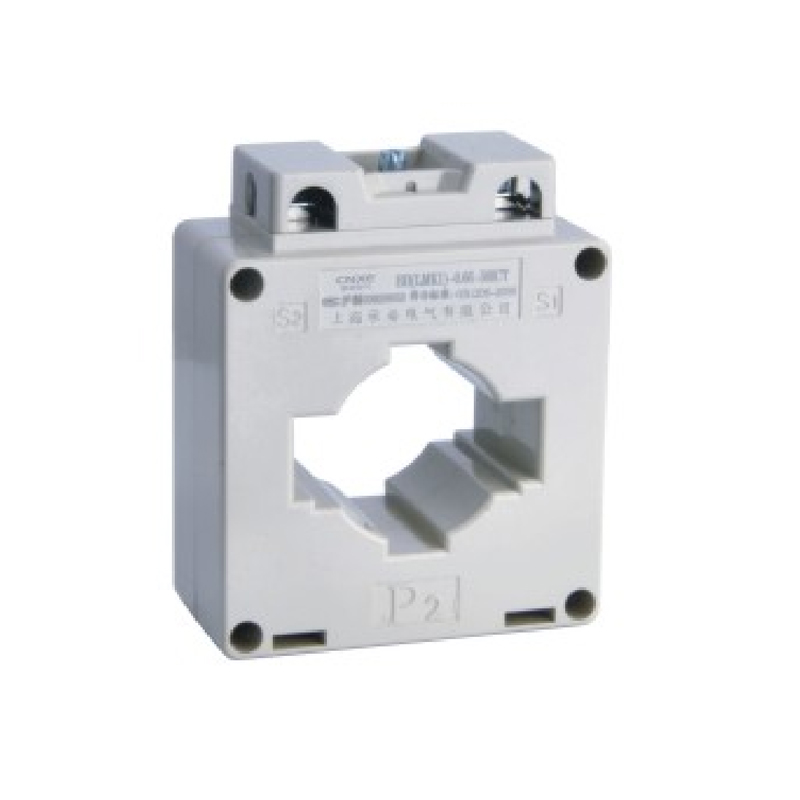
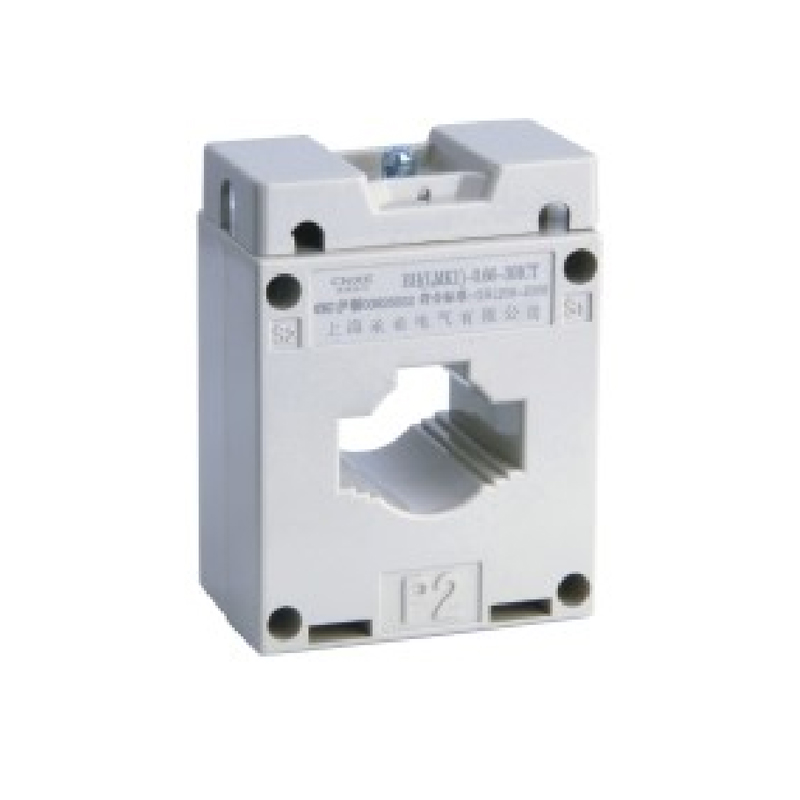
The BH series instrument transformer is a device used in power systems, primarily for measuring and monitoring current and voltage.
It typically features a square or rectangular housing, which may be made of metal, offering excellent electromagnetic shielding and mechanical strength.
Terminals are located on one or both sides of the instrument transformer for connecting the power supply and measuring equipment. These terminals are typically designed for easy installation and maintenance.
The BH series instrument transformer is widely used in industrial metering, substation monitoring, and residential distribution meters, accurately measuring current and voltage to ensure the safe and stable operation of power systems.
The BH series instrument transformer is a compact, stable, and easy-to-install power measurement device suitable for monitoring and metering in various power systems.
 Quick View
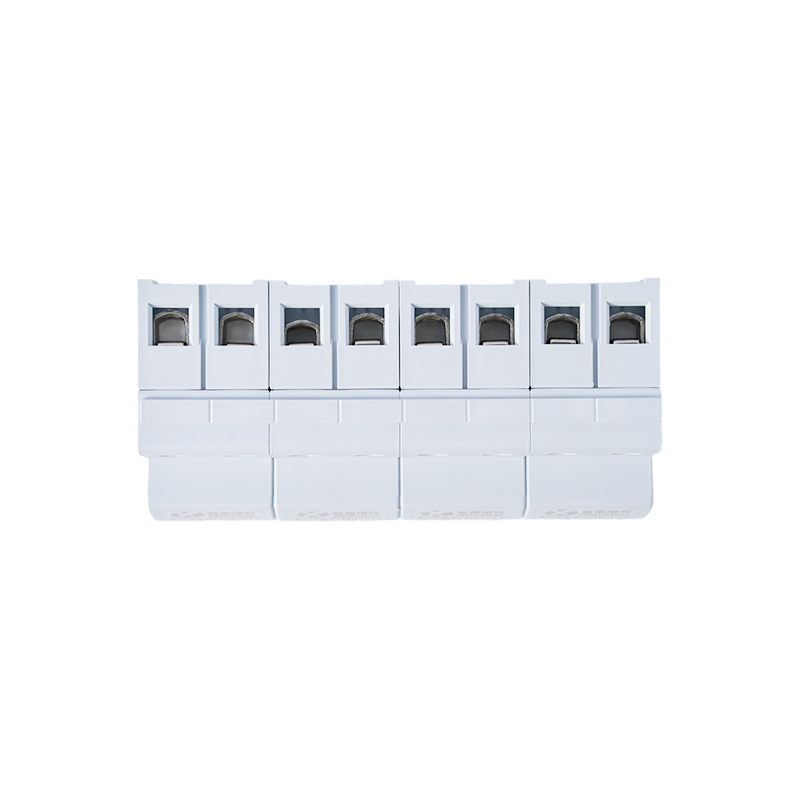
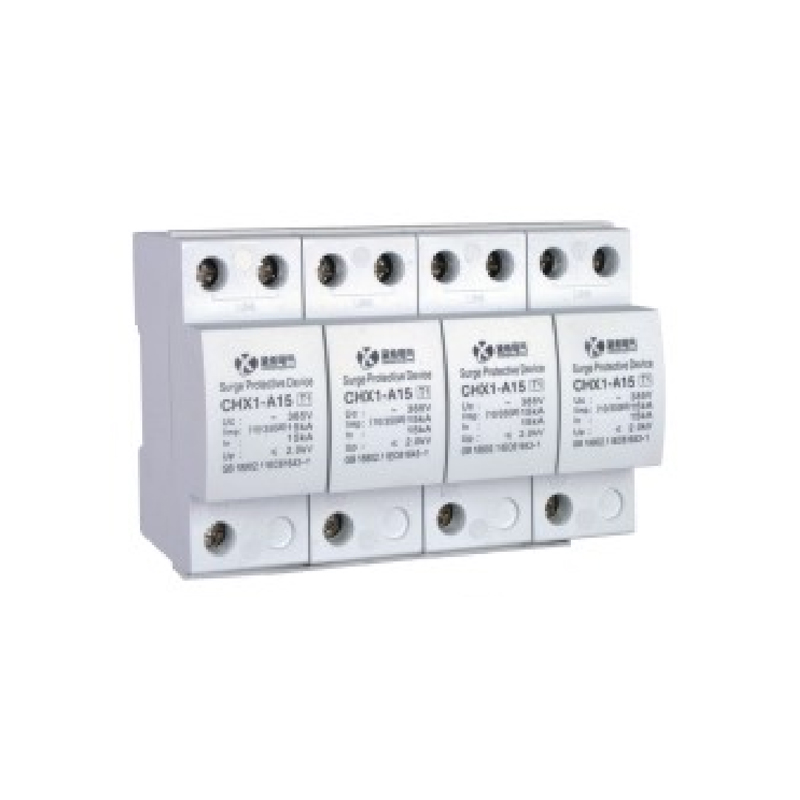
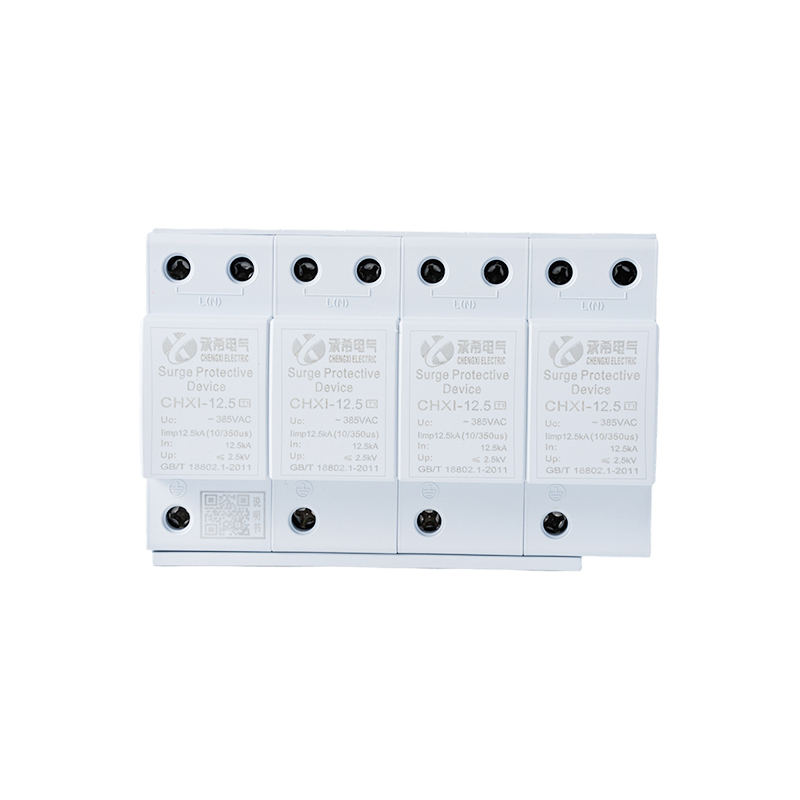
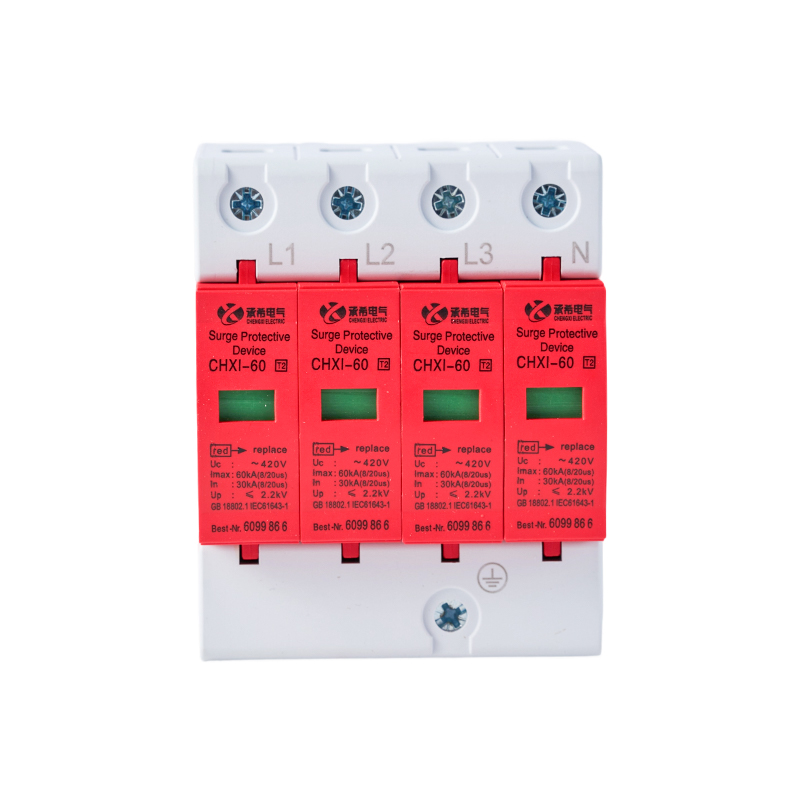
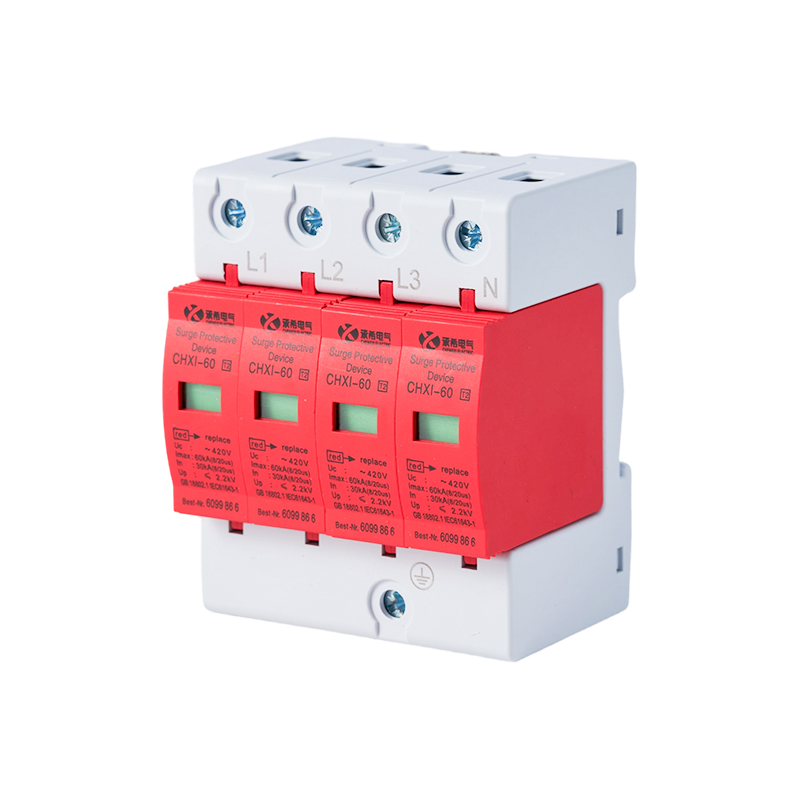
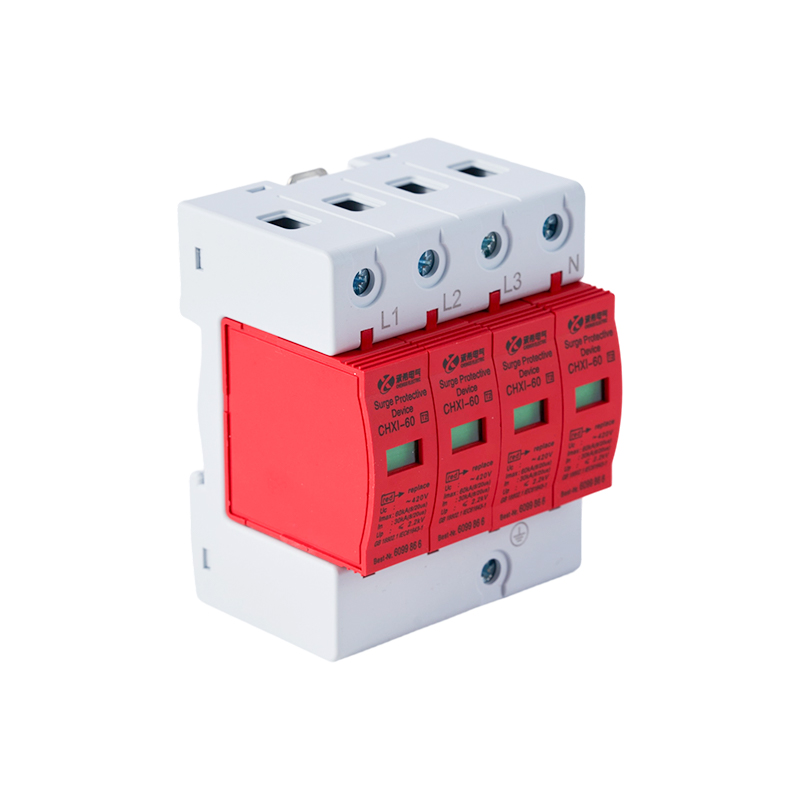
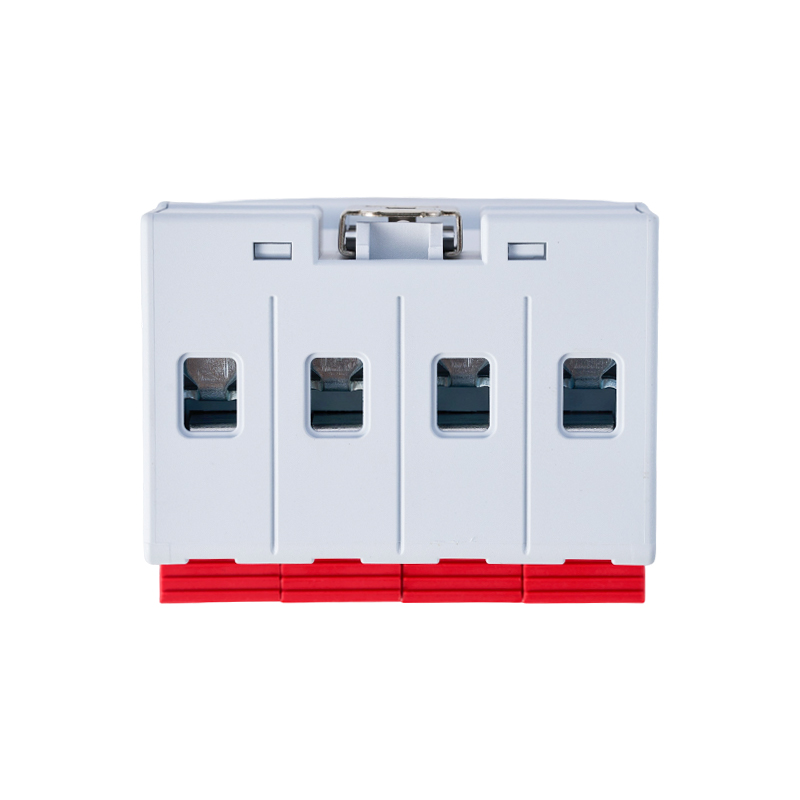
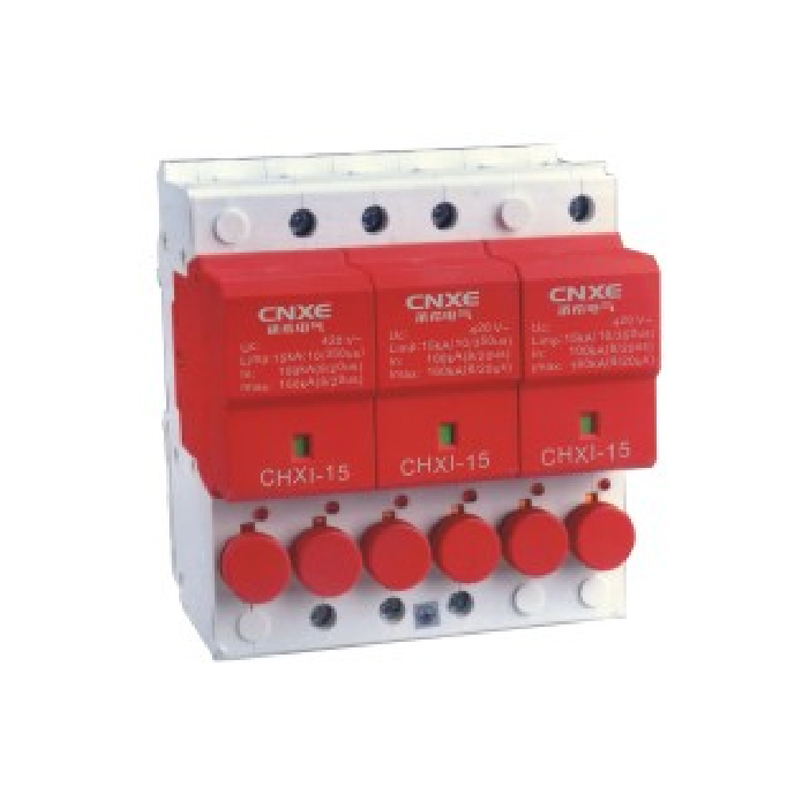
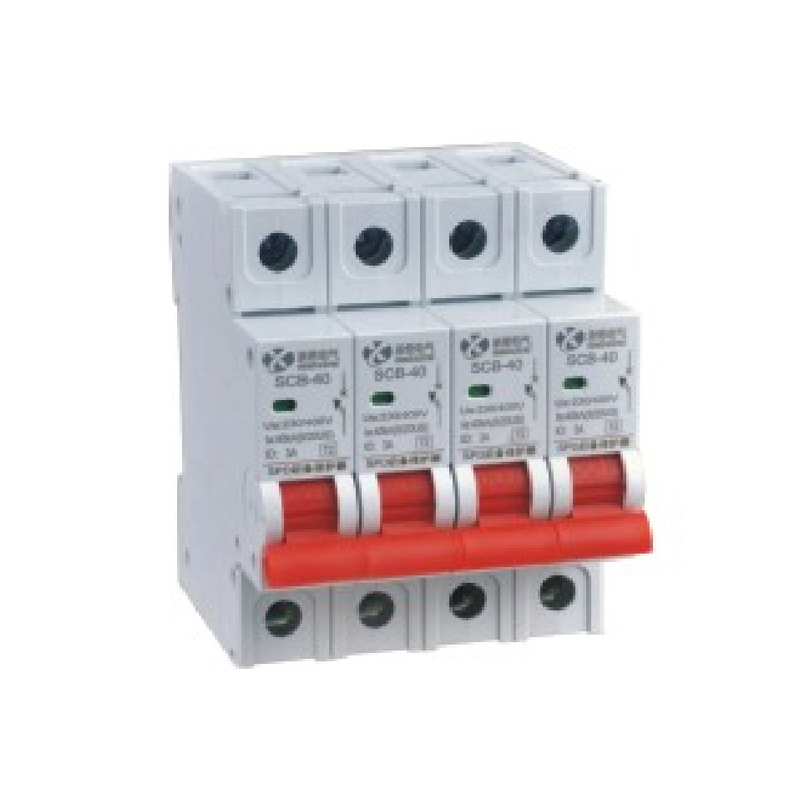
CHX1 Series Surge Protector Can Absorb Lightning Surges
Applications and Features
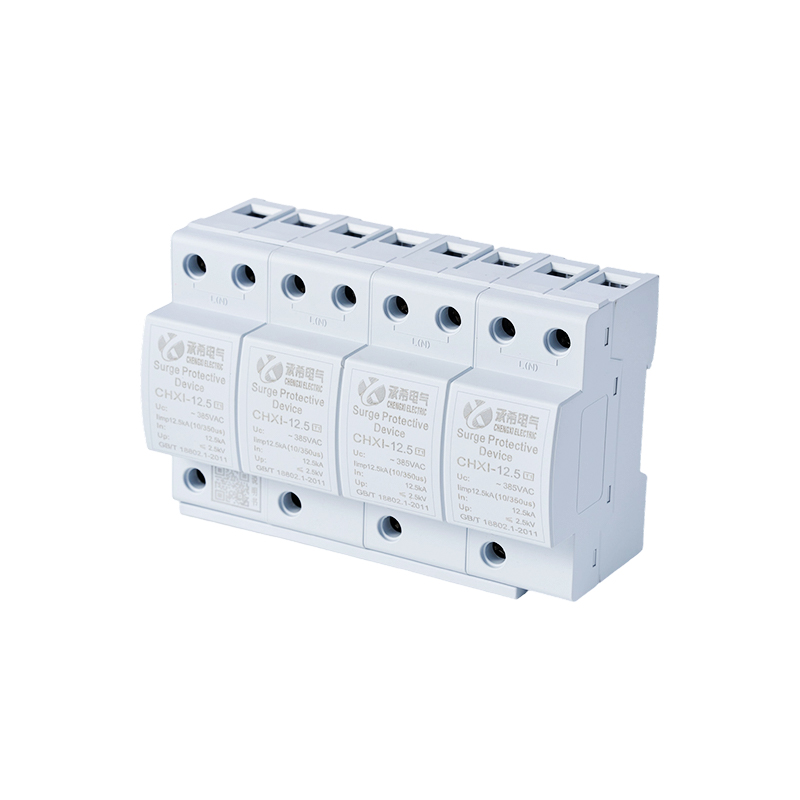
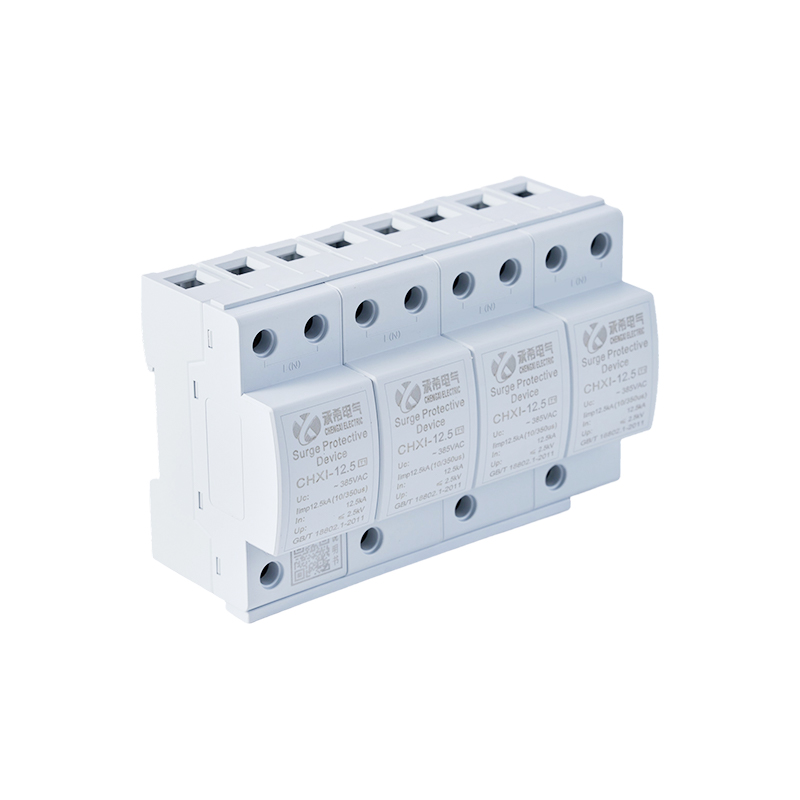
These surge protectors are suitable for IT, TT, TT-C, TT-S, and TT-C-S power supply systems operating at 50/60 Hz and rated up to 440 V. They provide surge protection against indirect lightning, direct lightning, and other transient overvoltages.
These surge protectors offer high protection levels, fast response, strong reliability, and easy installation and maintenance. They are adaptable to various environments and comply with international standards. They are essential safety components in power systems, ensuring stable operation by providing overvoltage protection and protecting critical equipment from natural disasters such as lightning.
 Quick View
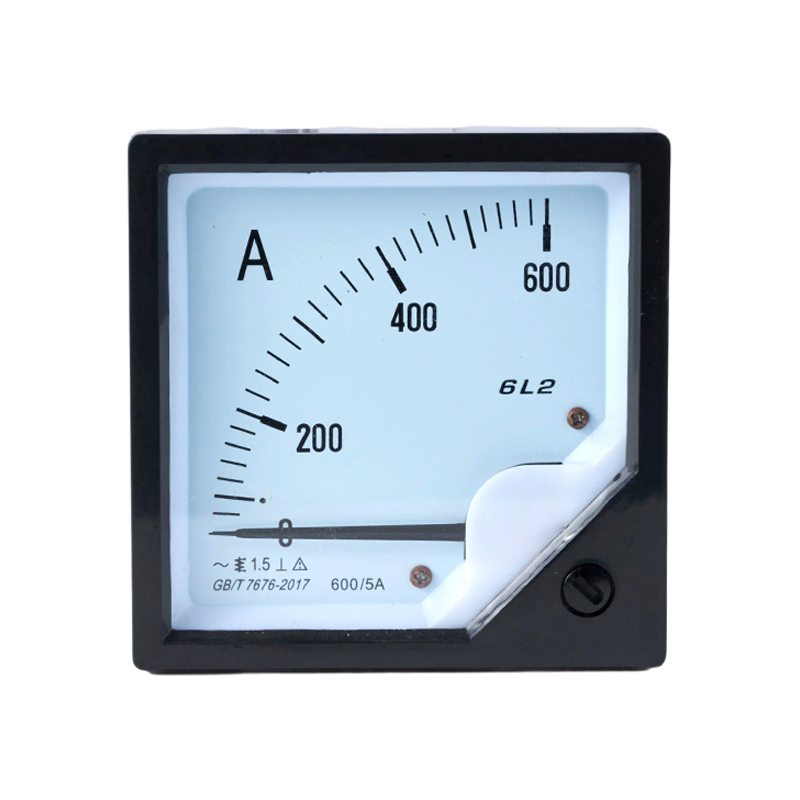
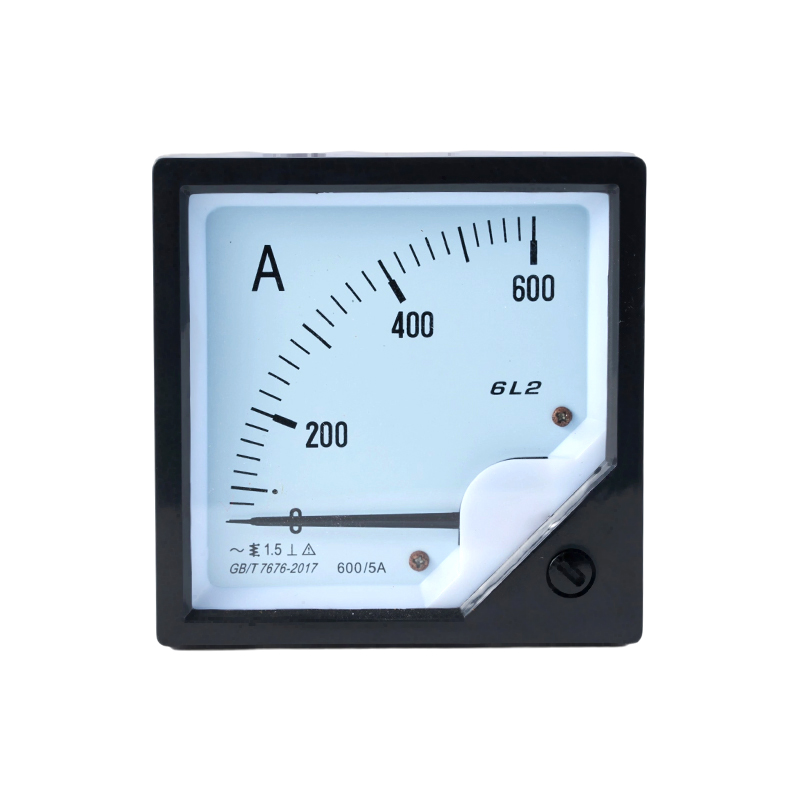
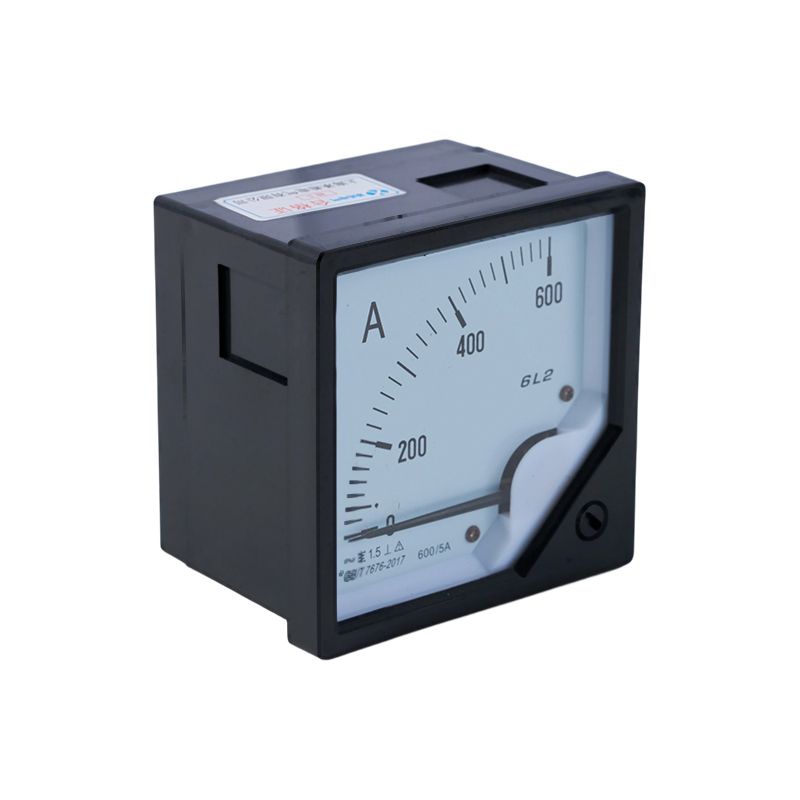
Used To Monitor The Display Device Current And Voltage ammeters
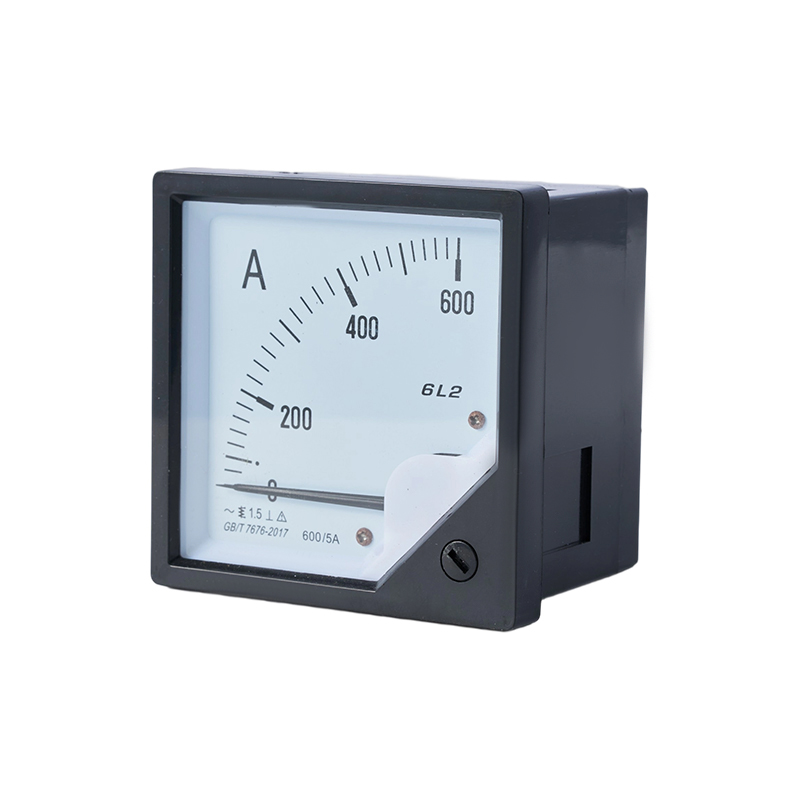
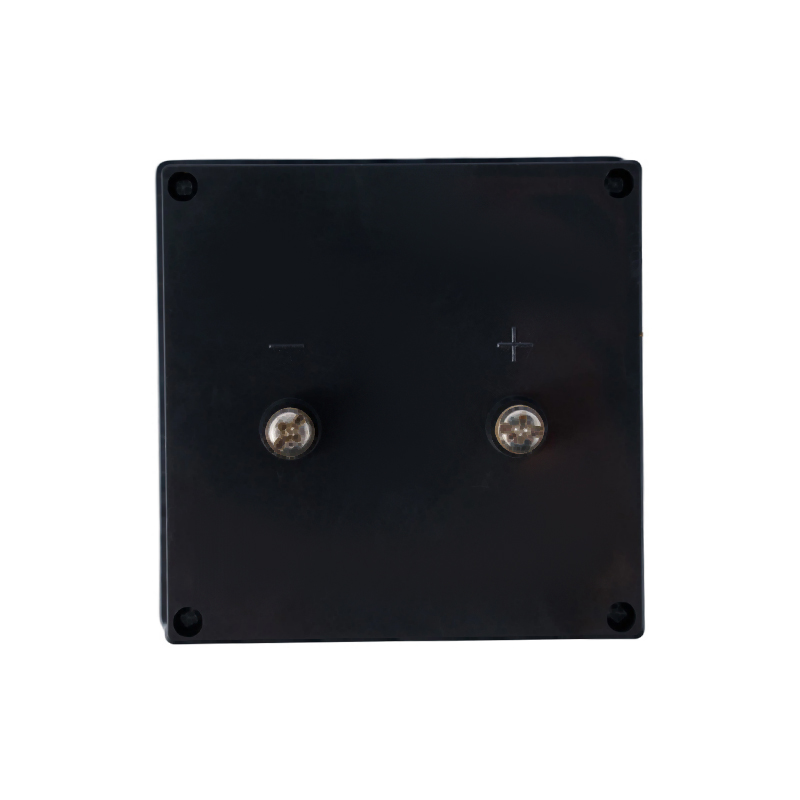
Analog Meters are intuitive display devices used in electrical systems for real-time monitoring of current and voltage. Chengxi's analog ammeters and voltmeters are widely applied in control cabinets, instrument panels, and distribution boards, providing operators with immediate feedback on circuit operating status.
Key advantages include their electromagnetic operation requiring no external power supply, ensuring high reliability and resistance to vibration, dust, and other harsh industrial conditions. The clear pointer indication covers a wide measurement range, with customizable scales and accuracies to meet diverse requirements. The casing is made from flame-retardant materials, and the mounting design is compatible with standard panel cutouts, allowing seamless cabinet integration.
Manufacturing focuses on high dial sensitivity and strong interference resistance to guarantee accurate and stable readings, offering a simple and reliable visualization tool for electrical system operation monitoring.
 Quick View
CXZNS/CXZNF Automatic Switching Intelligent Capacitor Compensation (Liquid Crystal)
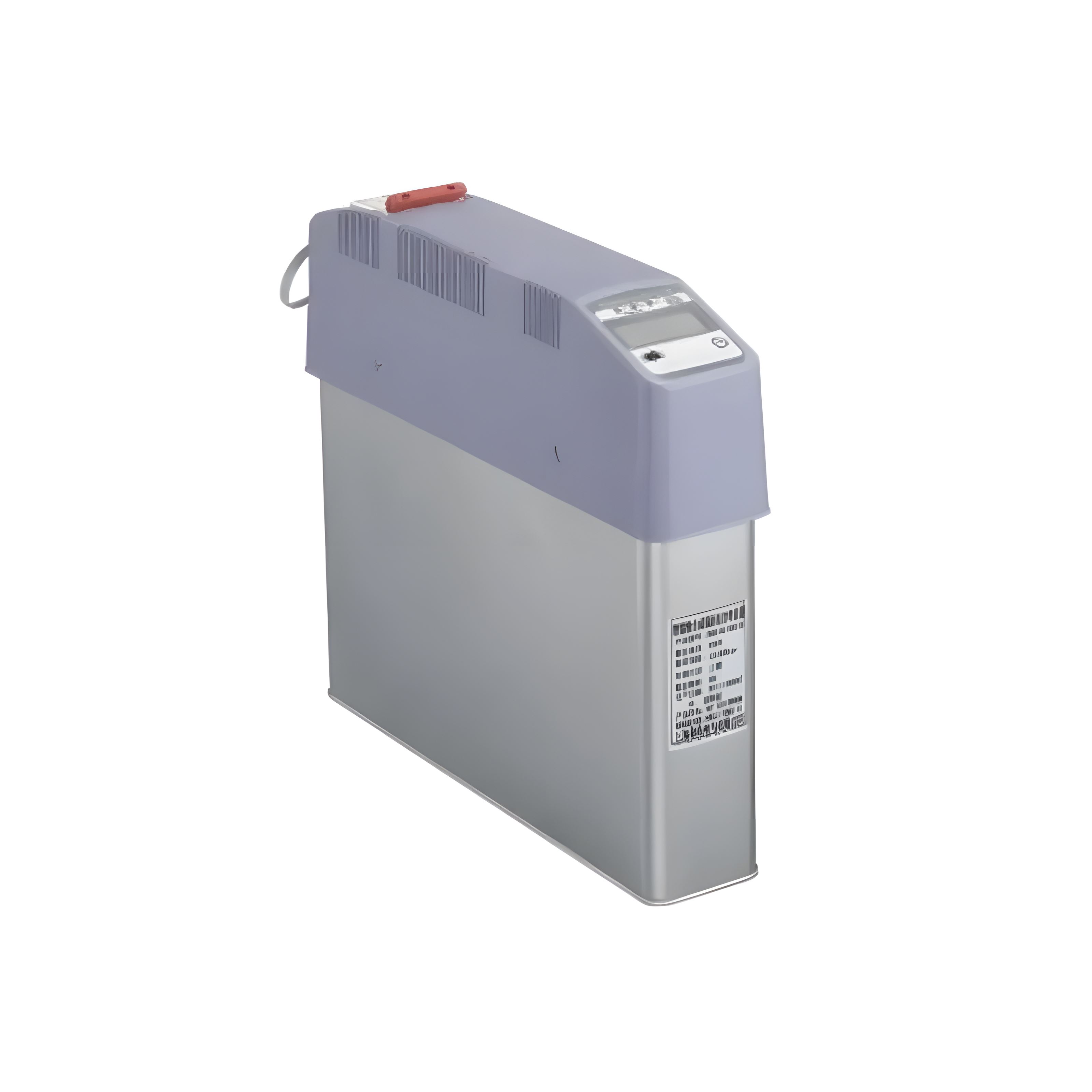
The CXZNS/CXZNF smart capacitor is an advanced power compensation device featuring an LCD display that intuitively displays operating status and parameters.
It utilizes automatic switching technology to flexibly adjust to the grid's reactive power demand, achieving precise reactive power compensation, thereby improving power quality and reducing energy consumption. The capacitor's compact design and easy installation make it suitable for a variety of industrial and commercial power systems. Its intelligent control algorithm monitors grid conditions in real time and automatically adjusts compensation strategies to ensure stable power system operation.
It also features multiple protection features, including overvoltage and overcurrent protection, ensuring safe and reliable operation. Overall, this smart capacitor is an ideal choice for improving power system efficiency and stability.
 Quick View
CXZKS Anti-Harmonic Intelligent Capacitors (Liquid Crystal)
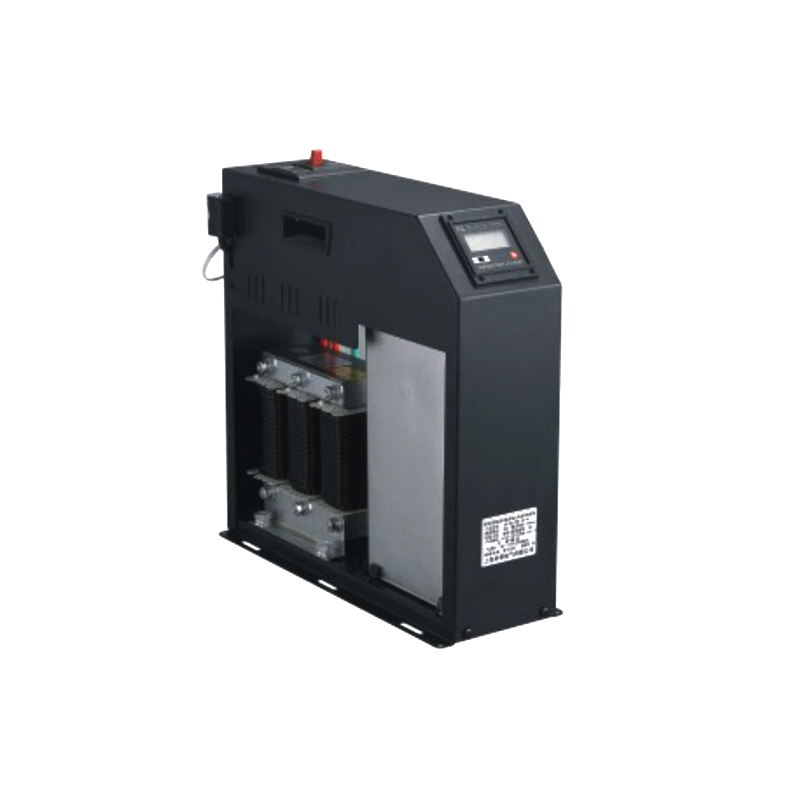
The CXZKS harmonic mitigation smart capacitor is a device used in power systems, primarily to improve power quality, stability, and efficiency.
Features:
1. Harmonic mitigation: Effectively suppresses harmonics in the power system, reducing their impact on equipment and extending its lifespan.
2. Intelligent Control: A built-in intelligent control system automatically monitors and adjusts the capacitor's operating status to suit varying loads and grid conditions.
3. LCD Display: Equipped with an LCD screen, it displays real-time information such as the device's operating status and parameter settings, facilitating user monitoring and maintenance.
4. Compensation Function: Compensation (compensation capacitor) functionality provides additional reactive power support when needed, improving the system's power factor.
5. Modular Design: A modular design facilitates installation, maintenance, and expansion.
The CXZKS harmonic mitigation smart capacitor is widely used in industrial and commercial applications to optimize power quality and reduce energy consumption. It effectively reduces grid harmonic pollution and improves the power factor, thereby enhancing the stability and economic benefits of the power system.
 Quick View
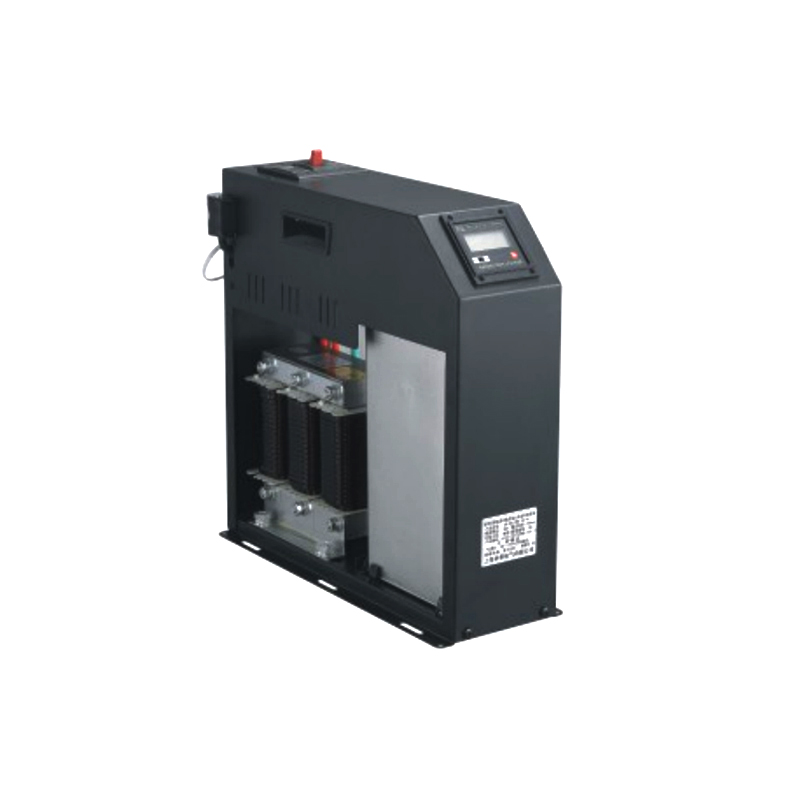
CXZKF Anti-Harmonic Intelligent Capacitor Compensation (Liquid Crystal)
The primary difference between the CXZKF anti-harmonic smart capacitor split-compensation product and the CXZKS common-compensation product lies in their adaptability and compensation effectiveness.
1. The CXZKF anti-harmonic smart capacitor split-compensation product is specifically designed for three-phase unbalanced circuits, providing independent reactive power compensation for each phase and offering greater adaptability.
2. Compared to common-compensation products, split-compensation products offer superior compensation effectiveness in three-phase unbalanced circuits, more accurately eliminating reactive power imbalances and improving grid stability and power quality.
 Quick View
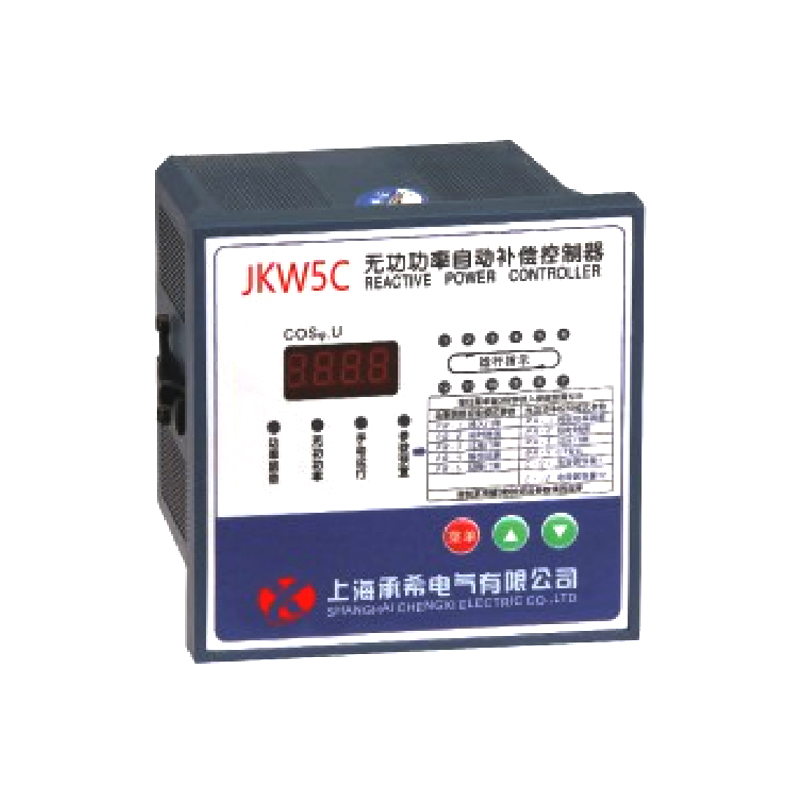
JK/RPCF Series Reactive Power Automatic Compensation Controller
The JK/RPCF series reactive power automatic compensation controller is a device used in power systems, primarily to improve power quality and reduce energy losses. It automatically monitors reactive power in the grid and automatically compensates for it by adjusting the switching of shunt capacitors.
Its compact design, easy operation, high accuracy, and reliability make it suitable for a variety of industrial and commercial applications. Furthermore, it features overvoltage, undervoltage, and overcurrent protection functions to ensure safe and stable system operation.
The JK/RPCF series controller effectively improves the grid's power factor, reduces line losses, and increases power supply efficiency, making it an indispensable component in modern power systems.
 Quick View
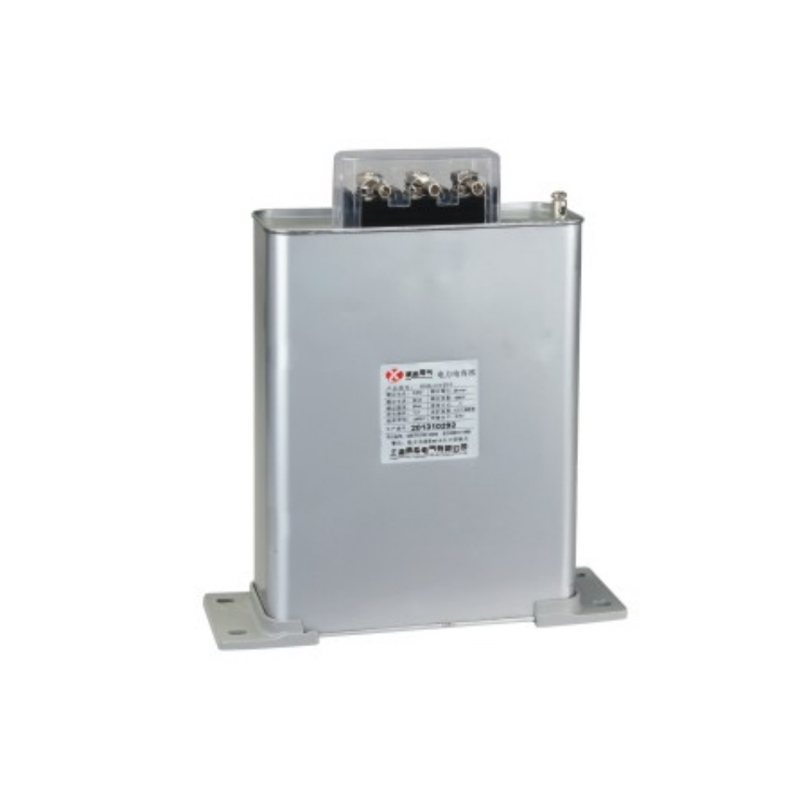
BSMJ Series Self-Healing Low-Voltage Shunt Capacitors
The BSMJ series of self-healing low-voltage shunt capacitors are designed for industrial enterprises, substations, and distribution networks to compensate for reactive power, improve power factor, reduce line losses, and enhance voltage quality. Their unique self-healing technology automatically repairs internal faults, extending their service life. With their compact design, easy maintenance, and stable operation in diverse environments, these capacitors are an ideal choice for enhancing power system efficiency and reliability.
 Quick View
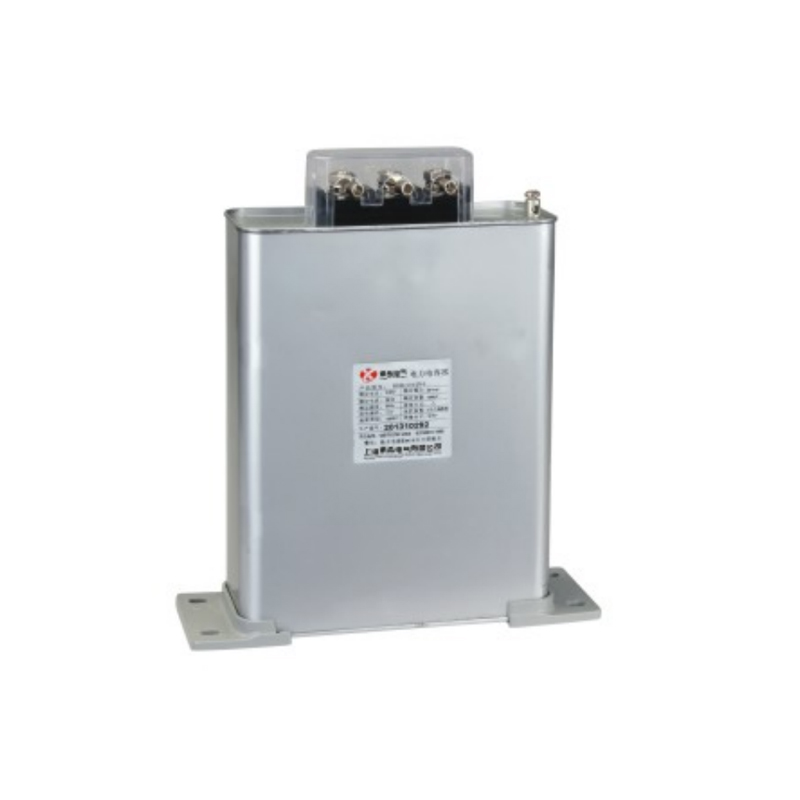
BSMJ Series Phase-Splitting Compensation Capacitors with Automatic Healing Functions
The BSMJ series is a smart capacitor specifically designed for low-voltage reactive power compensation. Utilizing split-phase compensation technology, it provides precise reactive power regulation for unbalanced three-phase systems, effectively improving power factor and reducing line losses.
The core advantage lies in its self-healing design. When a local dielectric breakdown occurs, the metallized film automatically repairs itself, ensuring continuous and stable capacitor operation and significantly extending its service life. The product features multiple built-in protection mechanisms for overvoltage, overcurrent, and temperature, ensuring safety and reliability. It supports automatic switching and works in conjunction with an intelligent controller for dynamic compensation. It is suitable for industrial plants, commercial power distribution, and new energy applications.
This series of capacitors features compact size, low loss, and is maintenance-free. Its dry-type construction offers excellent explosion-proof performance and flexible installation options (fixed or modular). It is an ideal choice for improving grid efficiency and optimizing power quality.
 Quick View
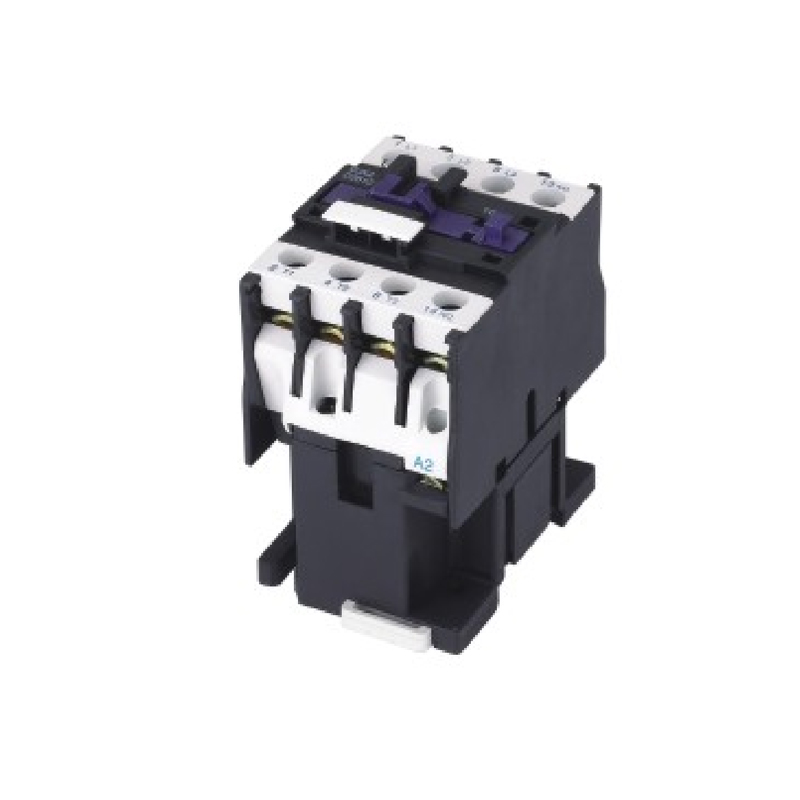
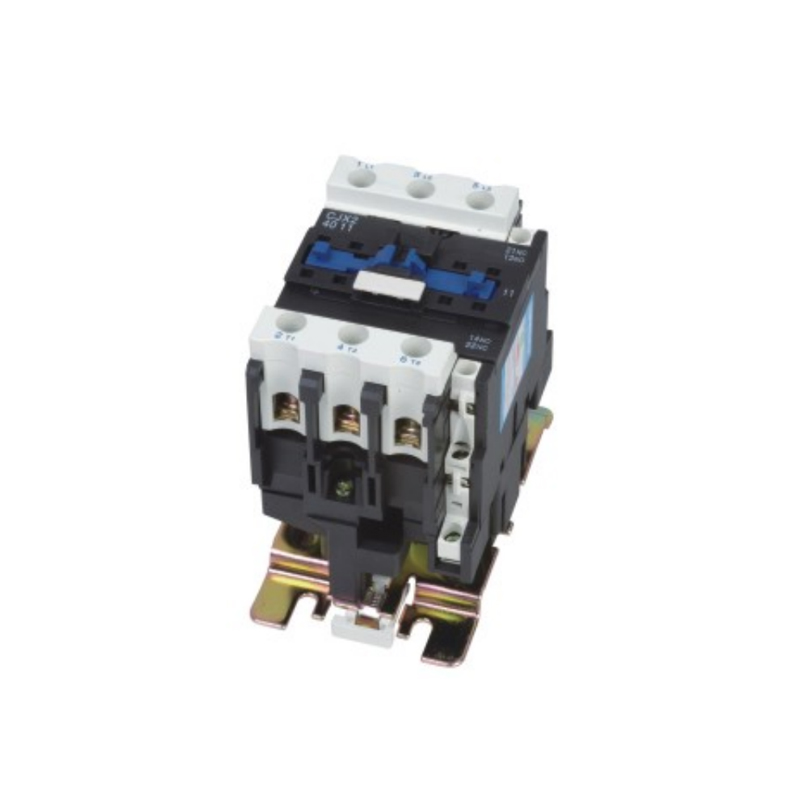
CJX2 Series Remote Switch Control AC Contactors
The CJX2 series is a high-performance remote-controlled AC contactor designed for remote start/stop control of AC motors. It is also suitable for the frequent operation found in various power systems and automation equipment. Utilizing a high-quality electromagnetic system and silver alloy contacts, it features reliable operation, long life, and strong shock resistance. It operates stably within the AC-3 usage category, with a rated operating voltage up to 660V and a current range from 9A to 95A, meeting the control requirements of motors of varying power.
The product's compact, modular design facilitates installation and maintenance, and includes optional mechanical and electrical interlocks for secure interlocking of multiple devices. The coil's low-power design allows for reliable engagement across a wide voltage range, while also providing surge suppression to effectively protect control circuits.
The CJX2 series contactors are suitable for industrial equipment such as machine tools, fans, pumps, and conveyors, as well as applications such as building automation and lighting control. Their long mechanical life and low noise levels significantly enhance system stability. With an IP20 protection rating, some models offer expandable auxiliary contact sets to further meet complex control requirements, making them an ideal choice for automated power distribution.
 Quick View
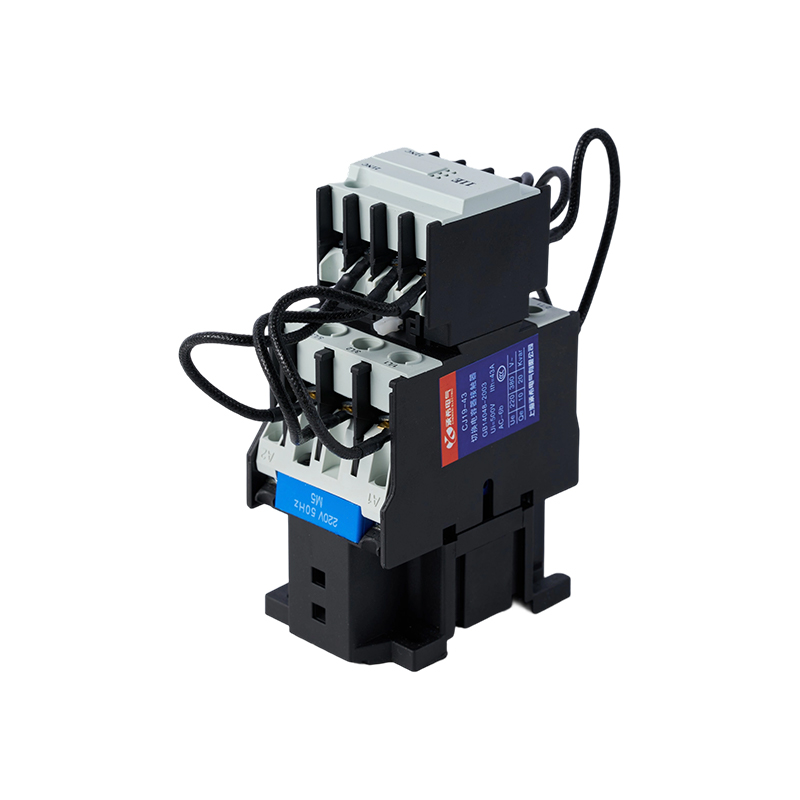
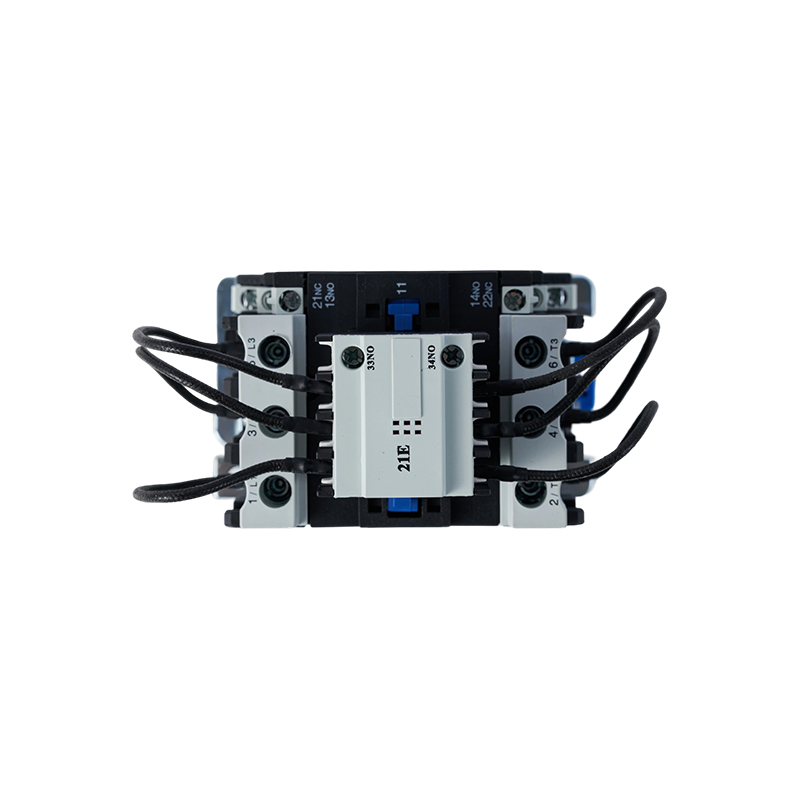
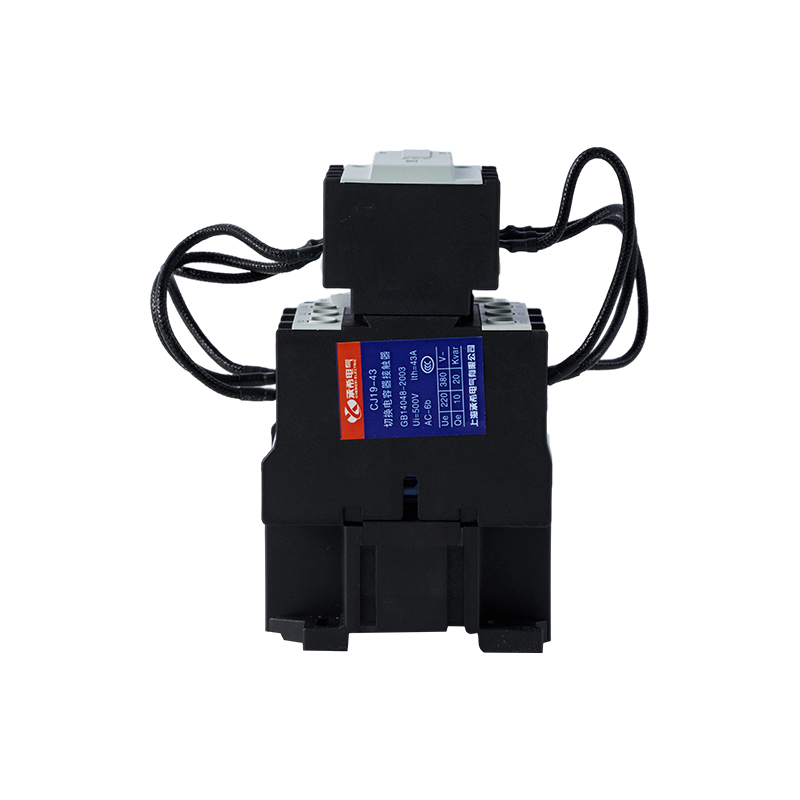
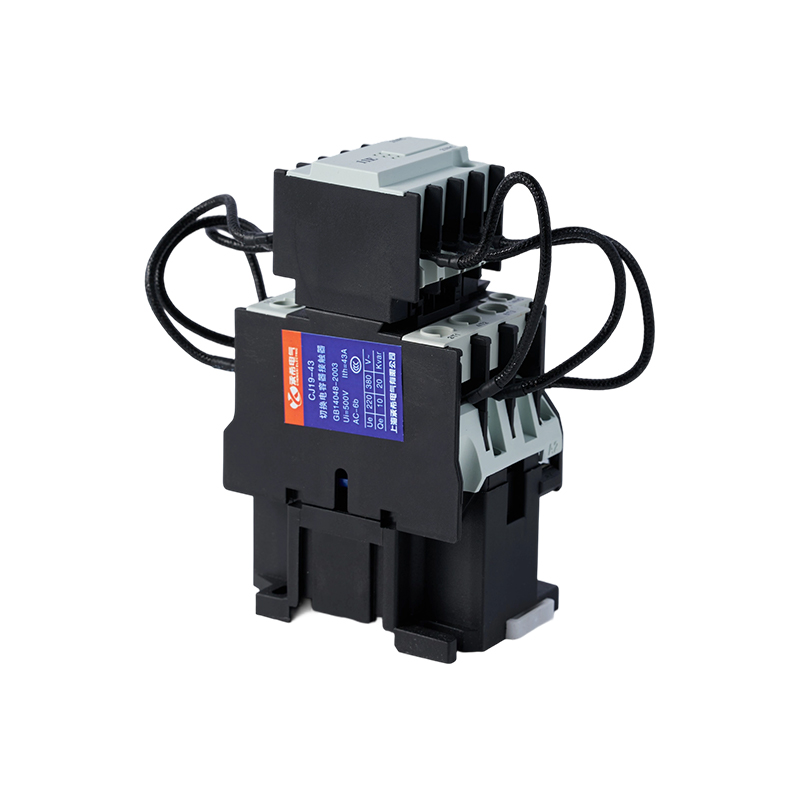
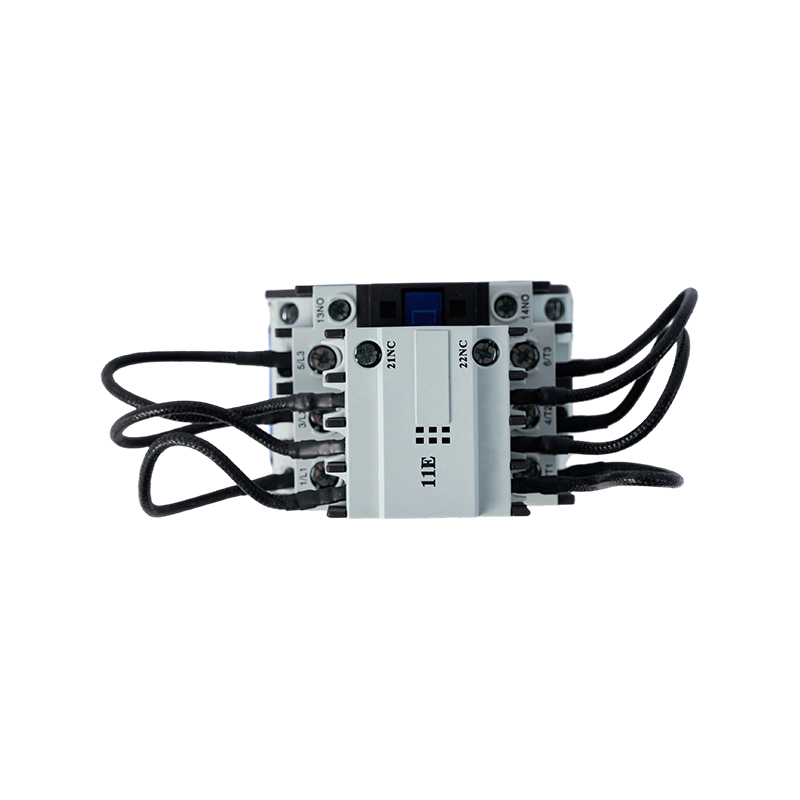
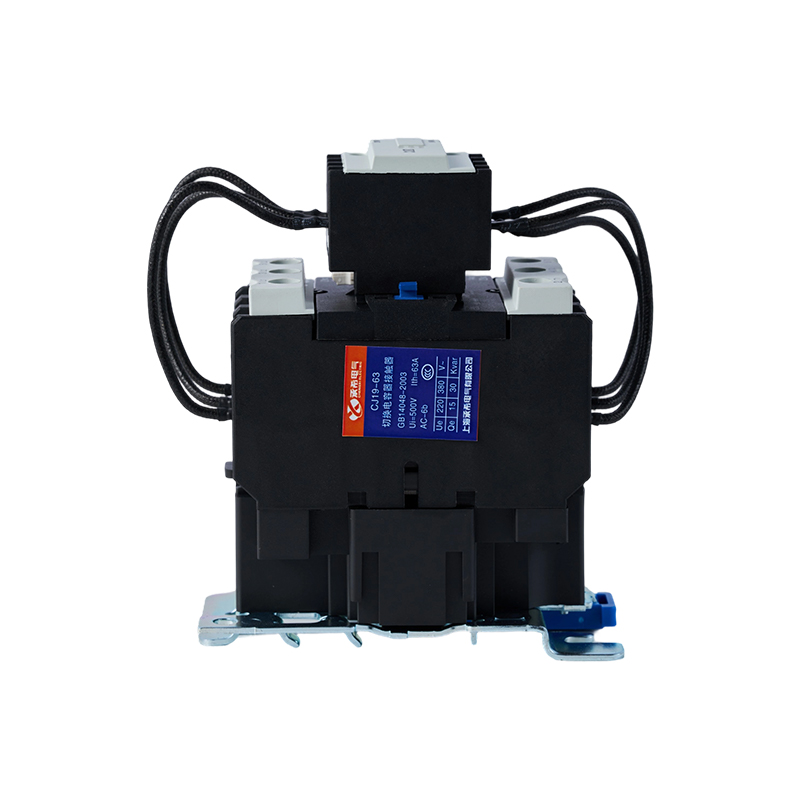
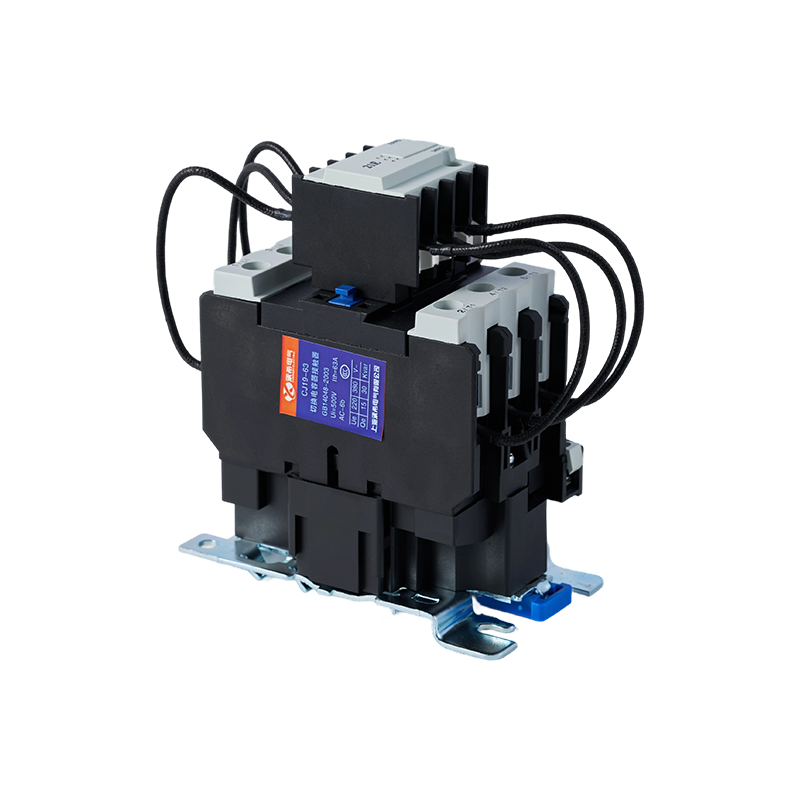
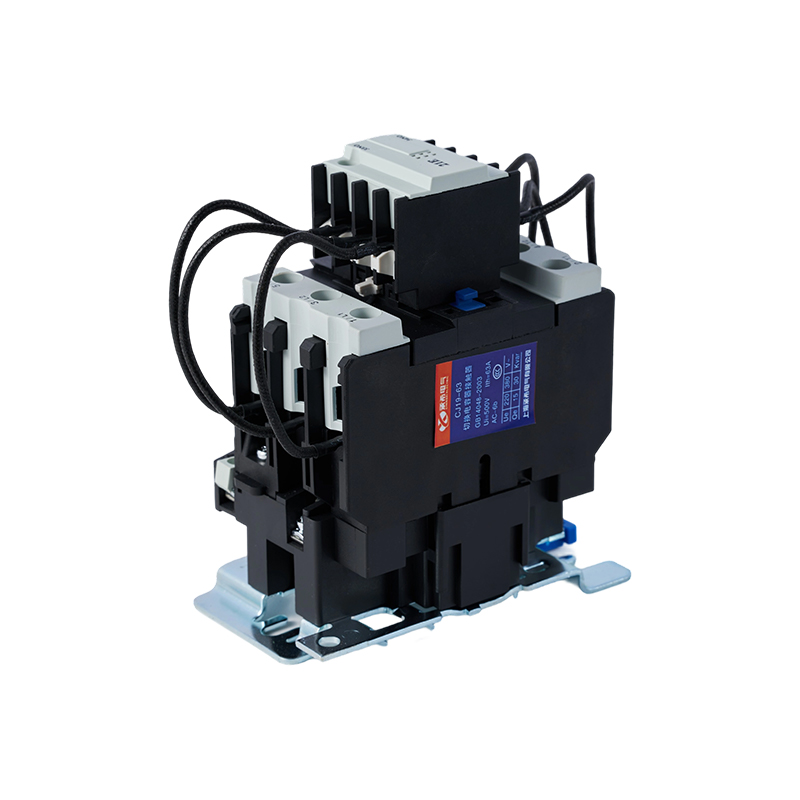
CJ19 Switching Capacitor AC Contactors
The Chengxi CJ19 switching capacitor AC contactor, with its compact design and superior performance, is an ideal choice for control systems.
This product offers high-capacity switching capabilities, ensuring stable operation under high loads. It also exhibits excellent arc resistance and an exceptionally long service life, significantly improving system efficiency and safety.
The use of high-quality silver alloy contacts enhances conductivity, effectively preventing contact welding and ensuring contact reliability. The coil design focuses on low power consumption, achieving energy conservation and environmental protection, and reducing operating costs.
Whether in industrial automation or power systems, the Chengxi CJ19 contactor provides reliable power control solutions, making it an ideal choice for improving system performance and ensuring safe operation.









With renewable energy deployment accelerating globally, particularly in solar an...
View MoreFrom North America’s expanding solar corridors to emerging utility-scale project...
View MoreAcross international energy forums and professional engineering communities, dis...
View MoreAs global renewable energy installations continue to expand, grid stability and ...
View MoreAs power systems become increasingly complex and digitally monitored, operators ...
View MoreAddressing Overload and Short-Circuit Conditions
By continuously monitoring current flow, it detects when electrical demand exceeds safe limits. Instead of relying solely on thermal or magnetic triggers, the intelligent breaker uses microprocessor-based algorithms to analyze data and respond more accurately. In addition, it protects against short circuits—sudden high-current faults that can damage equipment or cause fires. The intelligent system reacts quickly, downtime and preventing damage to wiring and connected devices.
Managing Power Quality and System Communication
Voltage fluctuations, harmonics, and imbalance between phases can reduced equipment lifespan. The intelligent circuit breaker monitors these parameters and communicates data to control systems for corrective actions. Its communication interface—often integrated with smart building systems—enables remote monitoring and diagnostics. This allows maintenance personnel to identify and address potential problems before they escalate. Overall, the IUCB enhances energy management, safety, and operational reliability, making it a vital component in modern electrical infrastructures.
Designed for High-Capacity Electrical Protection
An Insulated Case Circuit Breaker (ICCB) serves as a protective device for medium and large-scale electrical installations. Its main function is to safeguard electrical circuits from overloads, short circuits, and equipment failures. Unlike smaller molded case breakers, the ICCB is built to handle higher current ratings, typically ranging from 400A to several thousand amperes. The “insulated case” design refers to the structure that separates live components, providing extra protection and ensuring reliable operation even in harsh environments.
Comprehensive Overcurrent and Fault Interruption
The ICCB operates by automatically disconnecting the circuit when abnormal conditions occur. It employs both thermal and magnetic trip elements to detect different fault types. For instance, a sustained overload causes heat buildup, which triggers the thermal element, while an instantaneous short circuit activates the magnetic release. These combined mechanisms protect electrical distribution systems from damage, preventing hazards such as insulation failure, equipment burnout, or electrical fires.
Flexibility and Integration with Modern Systems
A key advantage of insulated case breakers is their customization and modular design. Many models come with adjustable trip settings and digital protection relays, allowing engineers to tailor performance to specific applications. They can also integrate with building automation systems, providing feedback on power consumption and breaker status. This intelligent coordination reduces unnecessary tripping and enhances continuity of service. Ultimately, the main function of an insulated case circuit breaker is not just protection—it also contributes to improved energy efficiency and system reliability across industrial and commercial facilities.
Protecting Homes and Businesses from Electrical Risks
Safety circuit breakers are essential devices used to prevent electrical accidents and equipment damage. Their role is to interrupt current flow when faults occur, thereby safeguarding people and property. There are several common types, each designed to handle specific protection needs and electrical environments.
Miniature Circuit Breaker (MCB)
The Miniature Circuit Breaker is one of the widely used safety breakers. It is designed for low-voltage applications, typically found in residential and small commercial systems. The MCB protects against overloads and short circuits, automatically cutting off the current when safe limits are exceeded. It is compact, reliable, and easy to reset, making it an ideal replacement for traditional fuses.
Residual Current Circuit Breaker (RCCB)
Another important type is the Residual Current Circuit Breaker, which focuses on protecting people from electric shock. It detects differences between live and neutral current flow, indicating leakage through unintended paths, such as a person’s body or faulty insulation. When such a fault is detected, the RCCB disconnects the power almost instantly, injury risks and preventing electrical fires caused by leakage currents.
Molded Case Circuit Breaker (MCCB)
For larger electrical systems, the Molded Case Circuit Breaker provides higher current ratings and adjustable protection settings. It combines overload, short-circuit, and earth fault protection in a single device. MCCBs are used in commercial and industrial installations where more precise control and durability are required.
Air and Earth Leakage Circuit Breakers
In addition to MCBs and RCCBs, Air Circuit Breakers (ACBs) are used for high-capacity protection in power distribution systems, while Earth Leakage Circuit Breakers (ELCBs) detect and interrupt current leakage to the ground. Both types enhance safety in complex electrical environments.
Ensuring a Safe Electrical Network
Selecting the right safety circuit breaker depends on the voltage level, load capacity, and safety requirements of a system. Whether in homes, offices, or factories, these breakers play a vital role in ensuring uninterrupted, hazard-free electrical operation.
 The company is committed to providing high-quality electrical products and excellent customer service. We not only supply exquisite, top-tier products to meet your needs but also back them with a sincere and comprehensive after-sales service guarantee.
Contact Us
 +86-18067486879
 [email protected]
 281 Wei 15th Road, Yueqing Economic Development Zone, Zhejiang, China
Copyright © Chengxi Electric Group Co., Ltd. All Rights
Reserved

OEM Safety Circuit Breaker




 English
  Français
  中文简体
中文简体  русский
  Español
  عربى
عربى