 Quick View
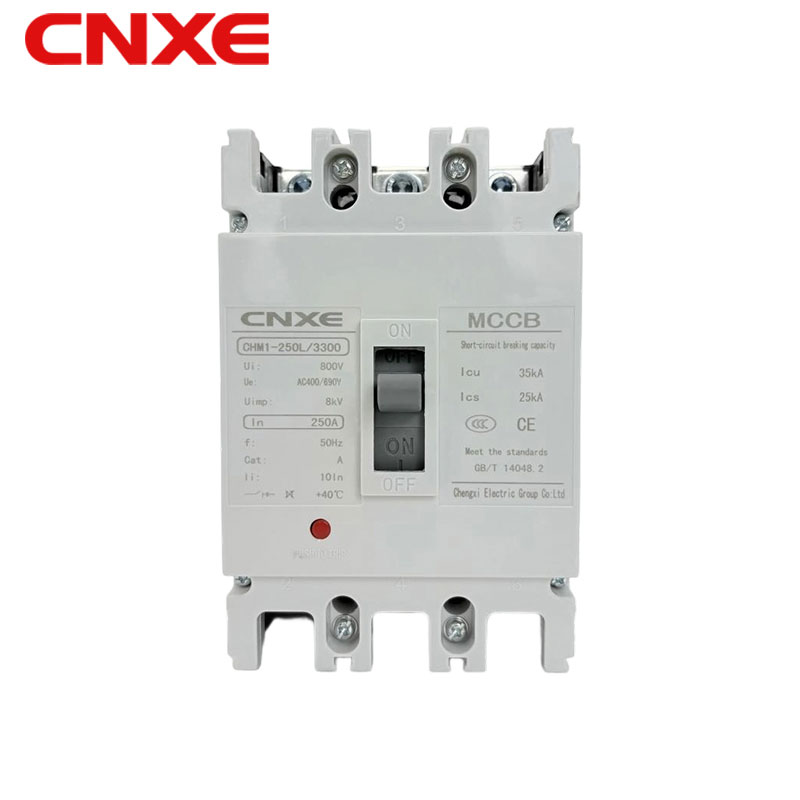
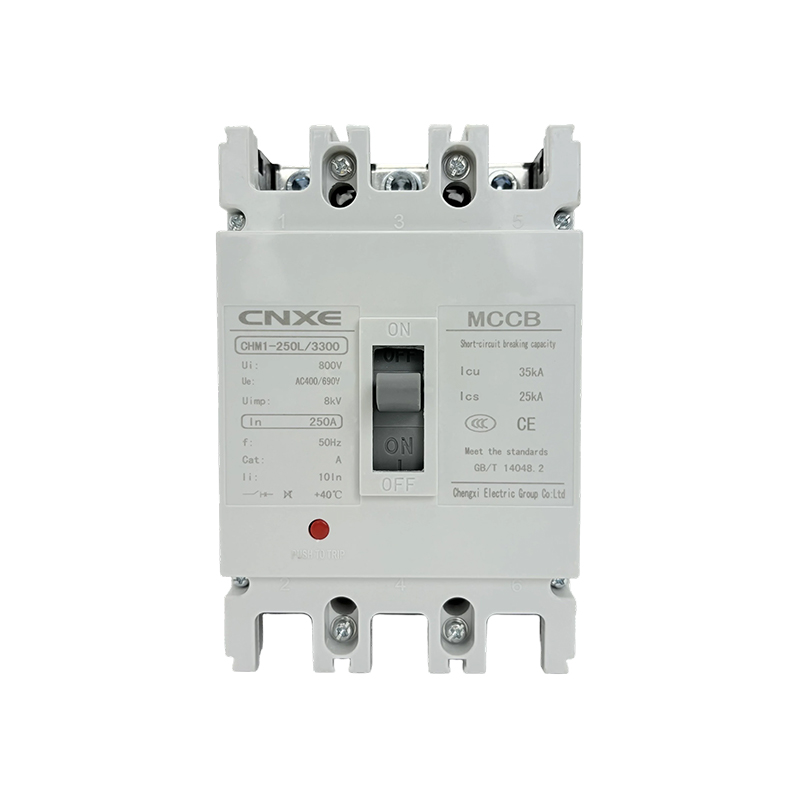
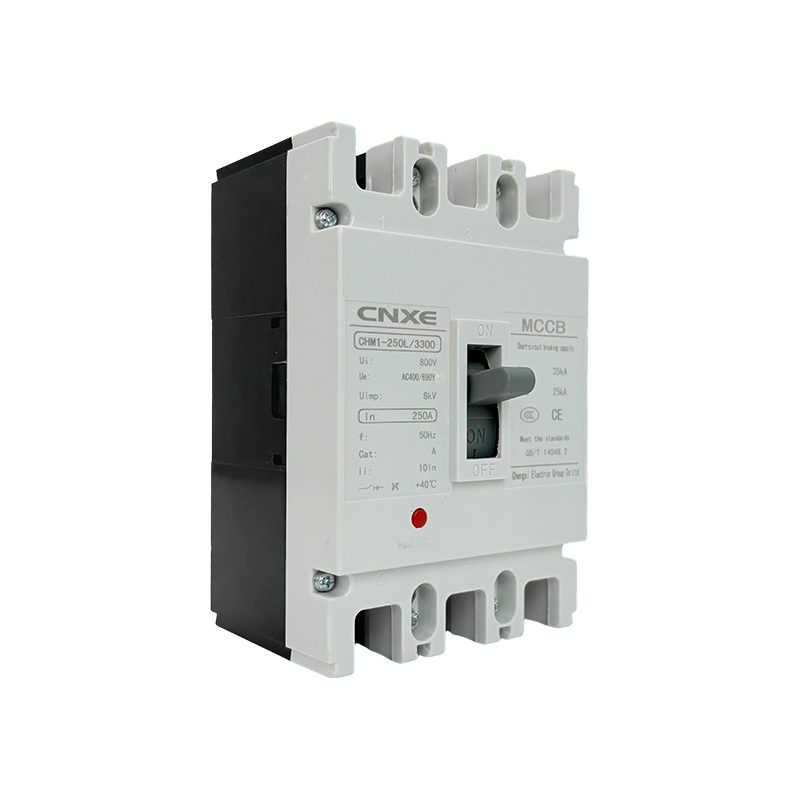
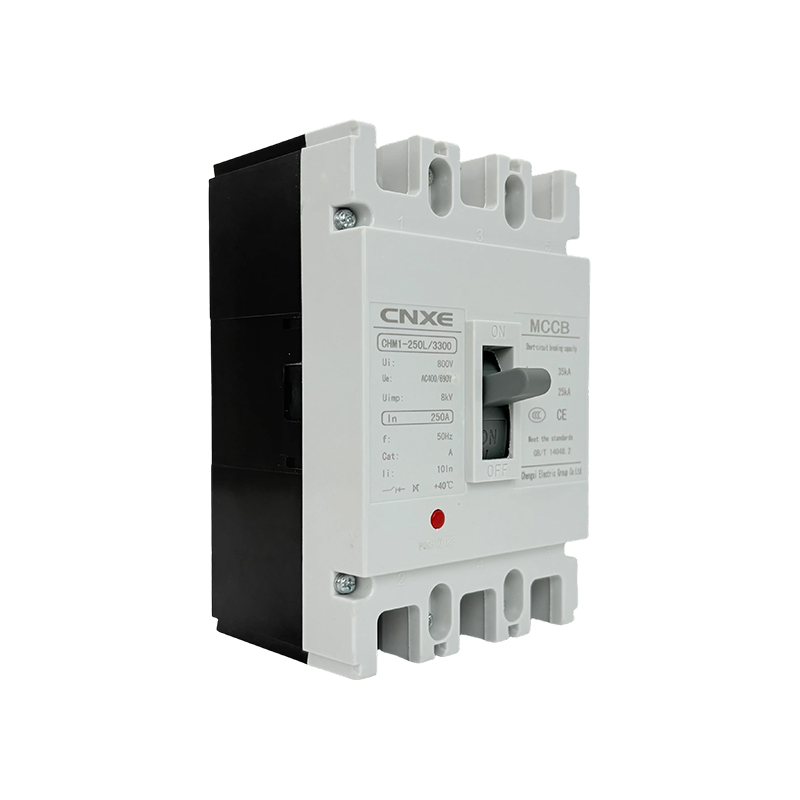
CHM1-250L 3300 molded case circuit breaker for high load industrial commercial
Technical details:
This molded case circuit breaker is designed specifically for high load industrial/commercial distribution scenarios, using a thermal magnetic trip structure to achieve precise overload protection at 100A rated current and a maximum short-circuit breaking capacity of 50kA. Suitable for 400V three-phase circuits, the IP30 protective casing can withstand dust/splash erosion in complex environments such as workshops and computer rooms.
Core advantages:
Dual mode protection: Hot trip responds to overload, magnetic trip quick break short circuit, and bidirectional protection of lines and equipment;
Durability fully extended: silver alloy contacts+flame-retardant shell, supporting over 10000 breaking operations, ensuring long-term stable operation;
Flexible installation: The rail type design is compatible with standard electrical cabinets, supports drawer/fixed installation, and adapts to different distribution layouts.
Applicable scenarios: Factory distribution cabinets, commercial building HVAC systems, elevator power circuits, photovoltaic inverter front-end protection.
Certification: Complies with international/domestic electrical safety standards such as IEC 60947-2 and GB 14048.2. CE certification
 Quick View
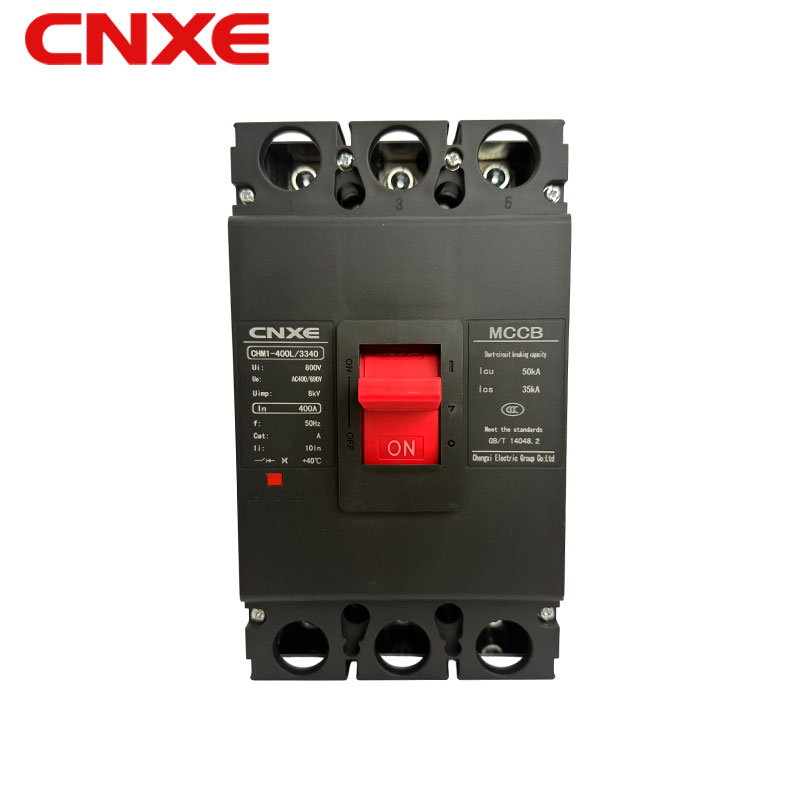
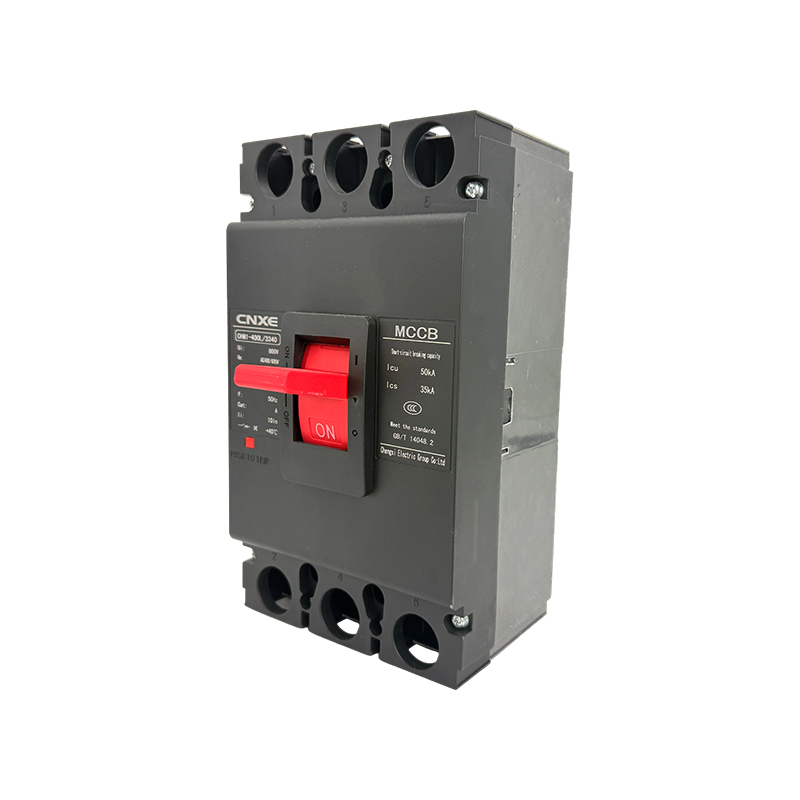
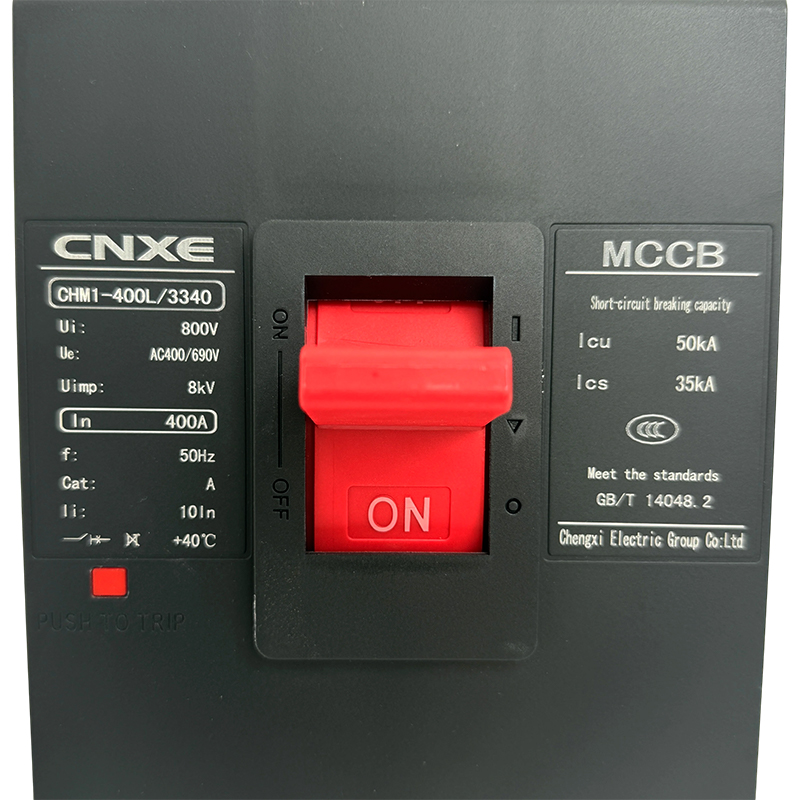
CHM1-400L 3340 industrial-grade intelligence molded case circuit breaker
1、 Product Description
Molded case circuit breaker is a low-voltage protection device used to cut off overload and short-circuit fault currents in electrical systems. Its core components are encapsulated in a flame-retardant insulating plastic shell, which combines a sturdy structure and precise protection mechanism, suitable for medium to high current circuits in industrial, commercial, and critical infrastructure scenarios
2、 Core Components and Working Principles
MCCB responds to different types of faults through a hybrid protection mechanism:
Thermal magnetic release unit (standard configuration):
Thermal element: Adopting a bimetallic structure, when continuously overloaded, the bimetallic plate deforms due to temperature rise, triggering delayed tripping (inverse time characteristic: the larger the overload current, the faster the tripping action), which can avoid false tripping caused by motor starting surge current.
Electromagnetic component: Built in electromagnetic coil. In the event of a short circuit fault, the instantaneous increase in current will cause the coil to generate a strong magnetic field, driving the trip mechanism to cut off the circuit in milliseconds and quickly extinguish the arc.
Electronic release unit (advanced configuration):
By collecting circuit current signals through current transformers and comparing them with preset protection curves (overload long delay, short circuit short delay, instantaneous trip) through microprocessors, more accurate three-stage protection can be achieved, and trip parameters can be adjusted as needed.
3、 Key technical parameters
Rated current: The maximum current that the equipment can operate stably for a long time, typically covering 63A to 1600A
Short circuit breaking capacity:
Rated ultimate short-circuit breaking capacity: The maximum short-circuit current that a circuit breaker can withstand (only breaking once, no need to continue using).
Rated short-circuit breaking capacity: the ability to operate normally after breaking the short-circuit current, usually
50% -75% of Icu.
Protection level: commonly IP20 (finger touch resistant) to IP65 (dustproof and waterproof), suitable for different environmental requirements.
4、 Typical application scenarios
Industrial field: Protect high-power equipment such as motors, frequency converters, and machine tools to avoid equipment damage caused by overload/short circuits.
Commercial buildings: used for main protection of medium power circuits such as distribution panels and air conditioning systems.
Key infrastructure: Data centers, hospitals, and other places achieve remote monitoring and selective protection through intelligent MCCBs, reducing large-scale power outages caused by local failures.
 Quick View
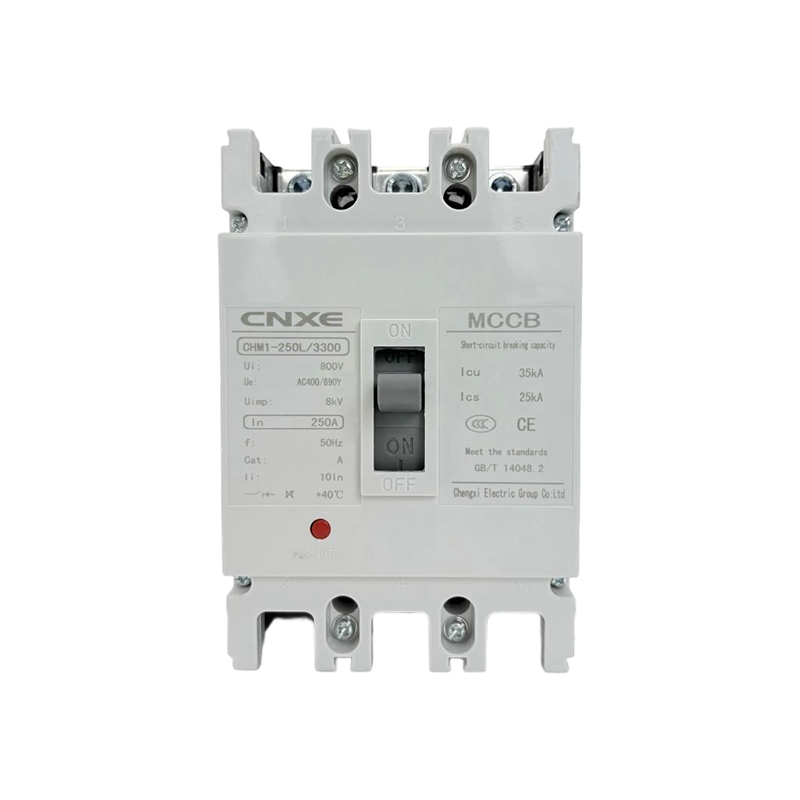
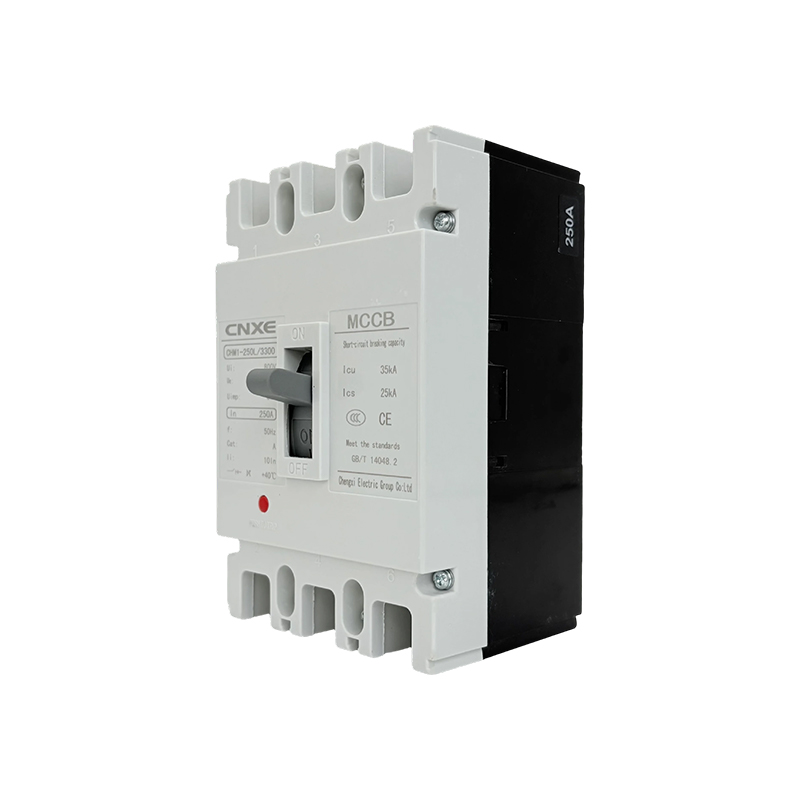
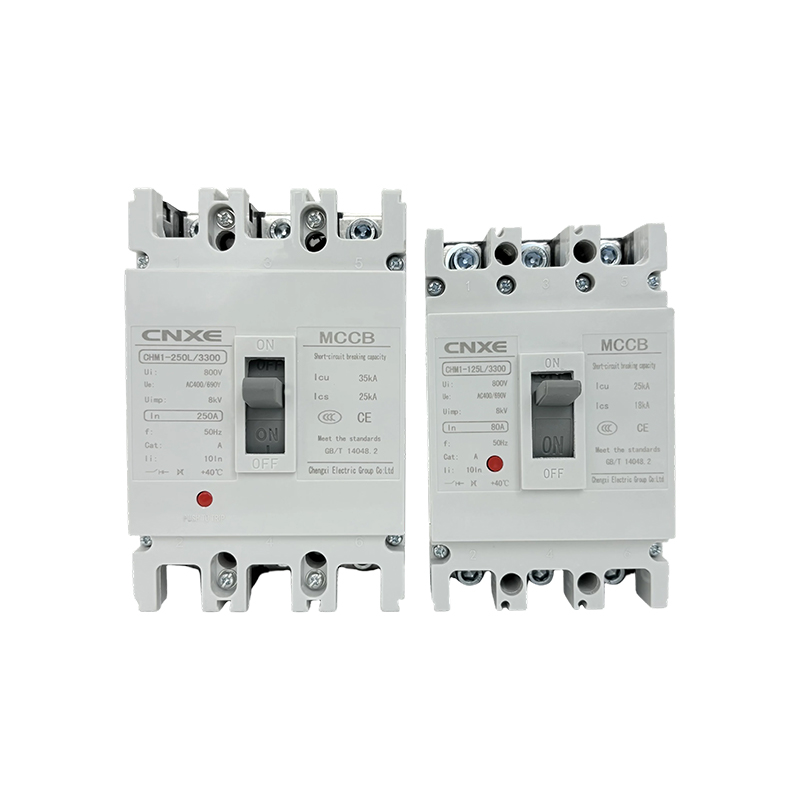
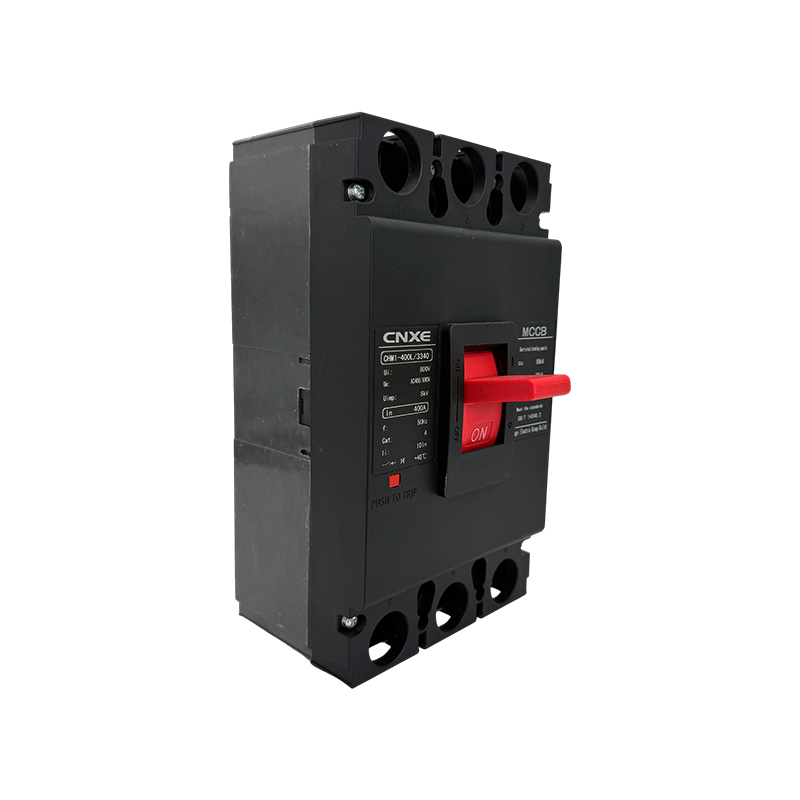
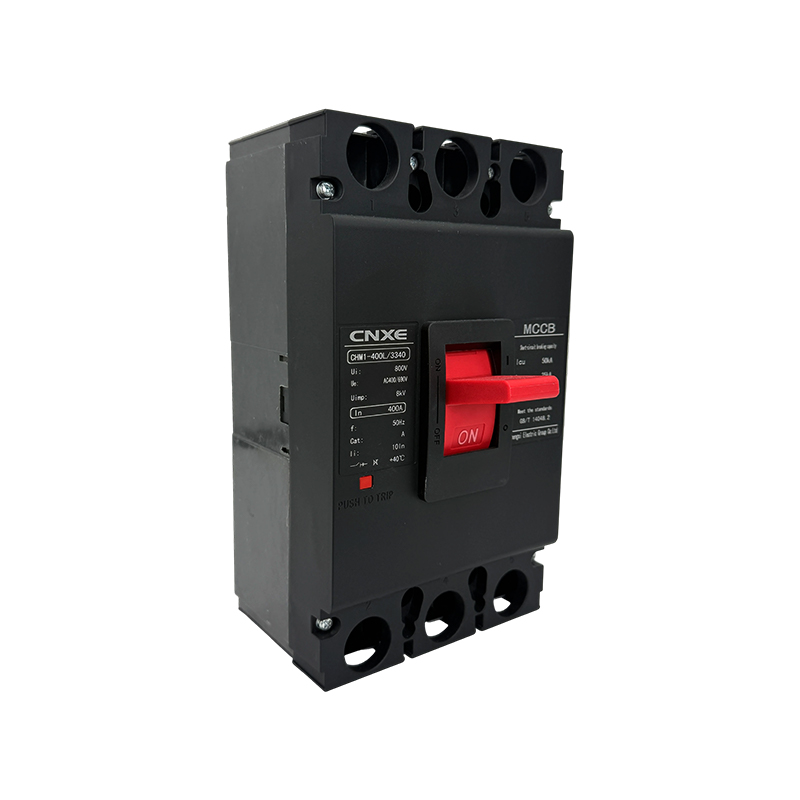
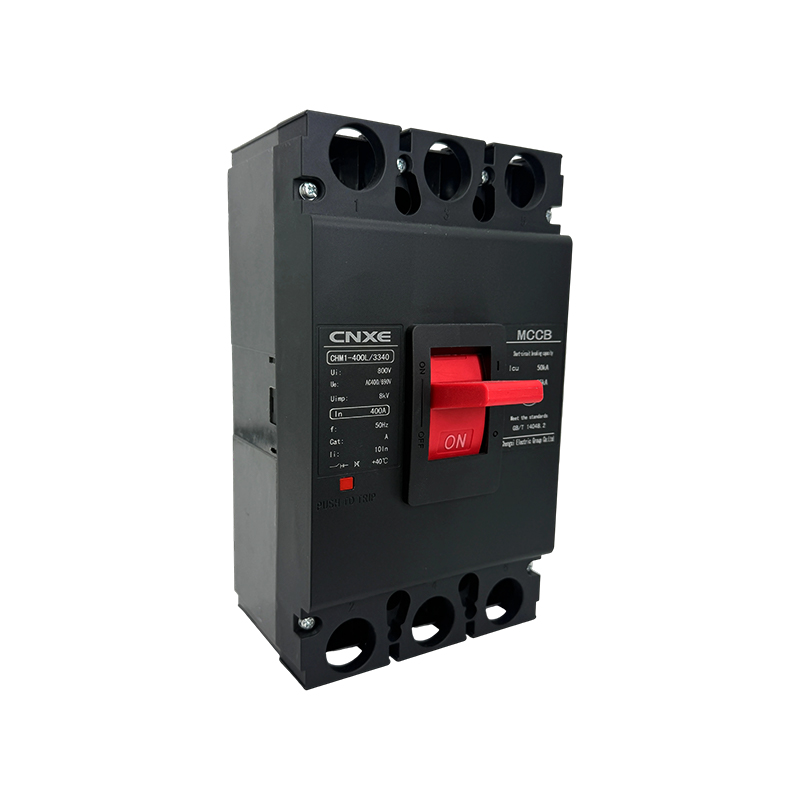
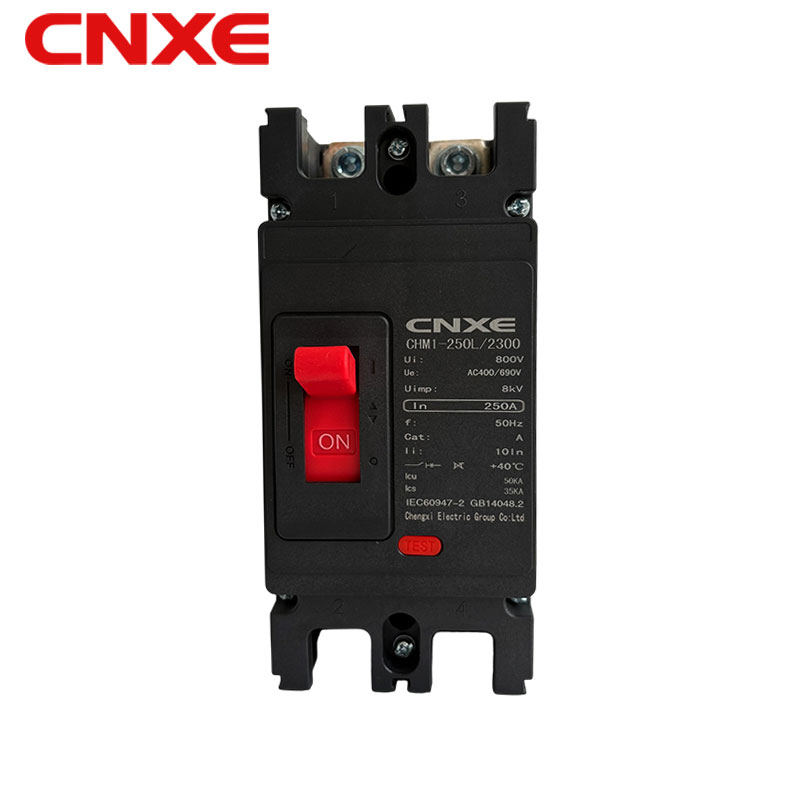
CHM1 250L/3300 250A Molded Case Circuit Breaker for medium and high voltage circuits
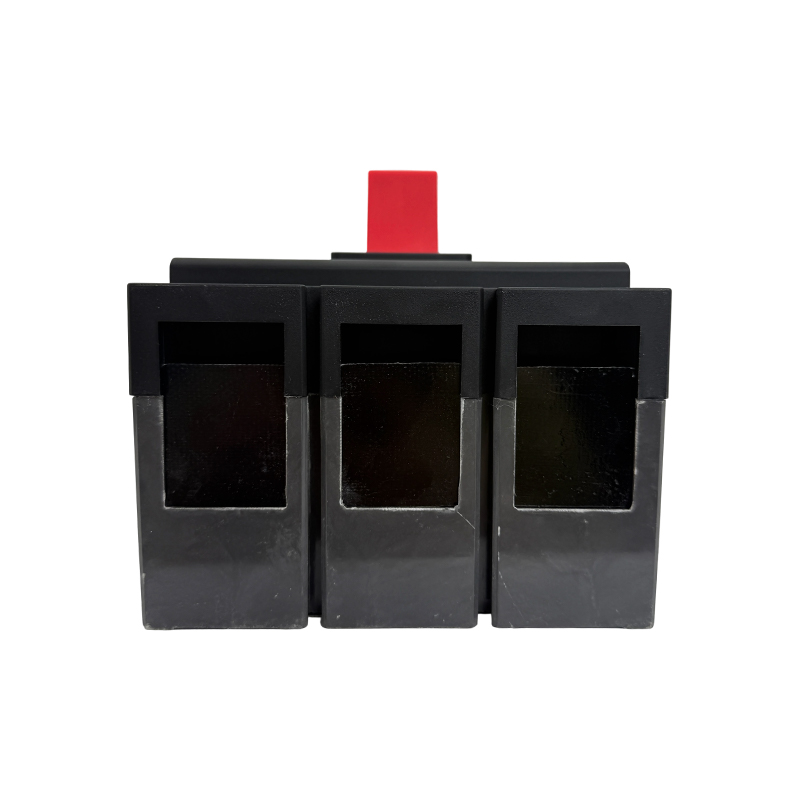
The CHM1 series is specifically designed for medium and high voltage circuits and is the core protective equipment for industrial and commercial high-power scenarios: It supports dual voltages of AC400V/690V, with a rated current of 250A, suitable for high-load scenarios. Its 50kA short-circuit breaking capacity combined with overload/surge dual protection; 8kV insulation shock + flame-retardant casing can operate stably at +40℃, with excellent durability; prominent on-off indicators, standard rail installation, and compatibility design for large cross-section cables, make operation and maintenance more convenient. This product is suitable for industrial power equipment, commercial high-power appliances, and infrastructure power distribution circuits, etc. It is a highly adaptable solution for "high load + strong protection + long lifespan" in high-current scenarios, capable of addressing the pain point of insufficient capacity of small-sized circuit breakers, and providing reliable circuit protection for industrial and commercial users.
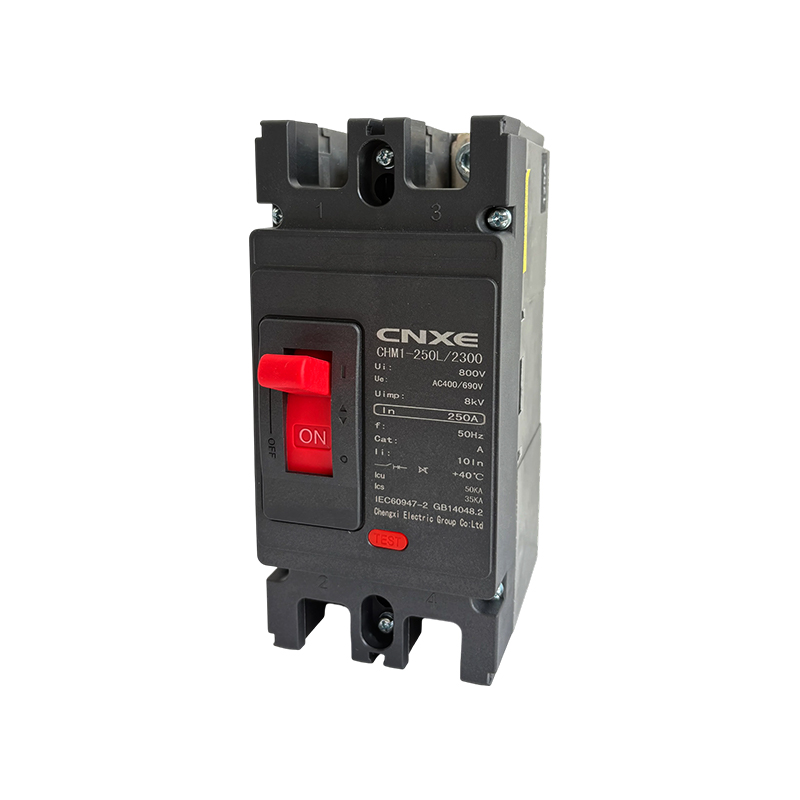
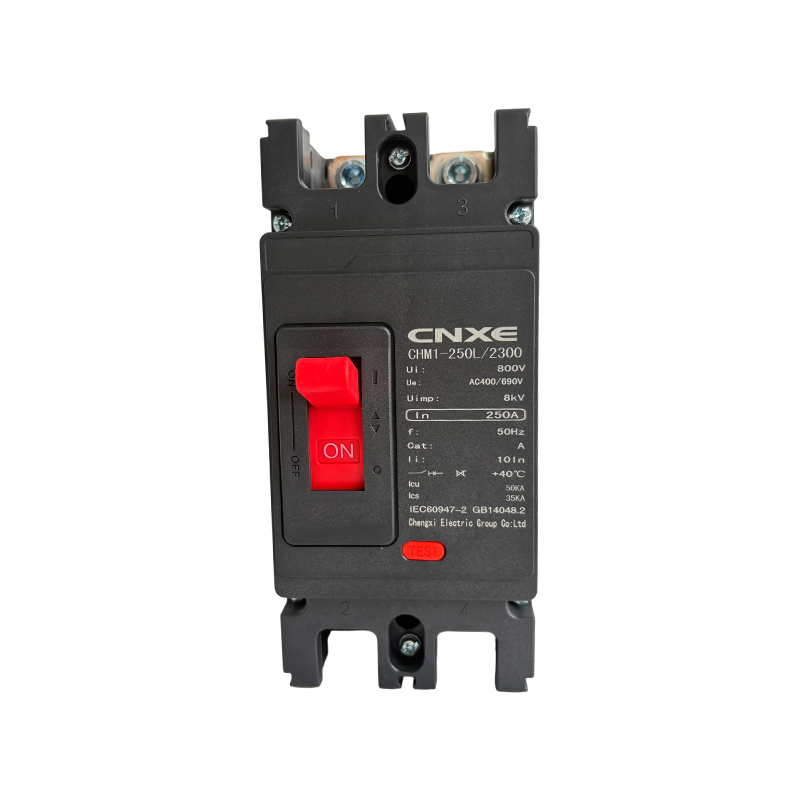
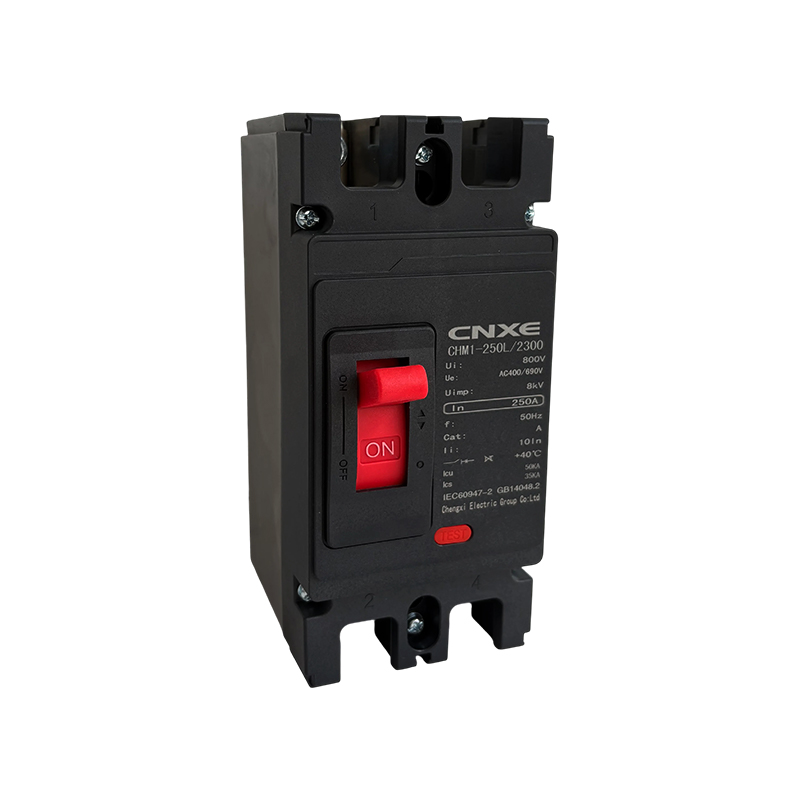
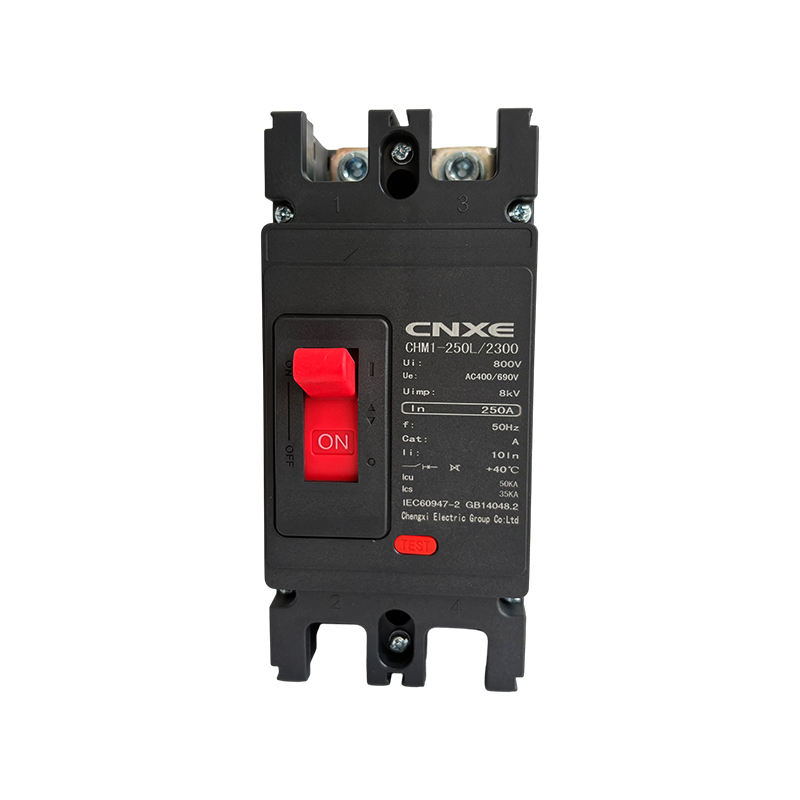
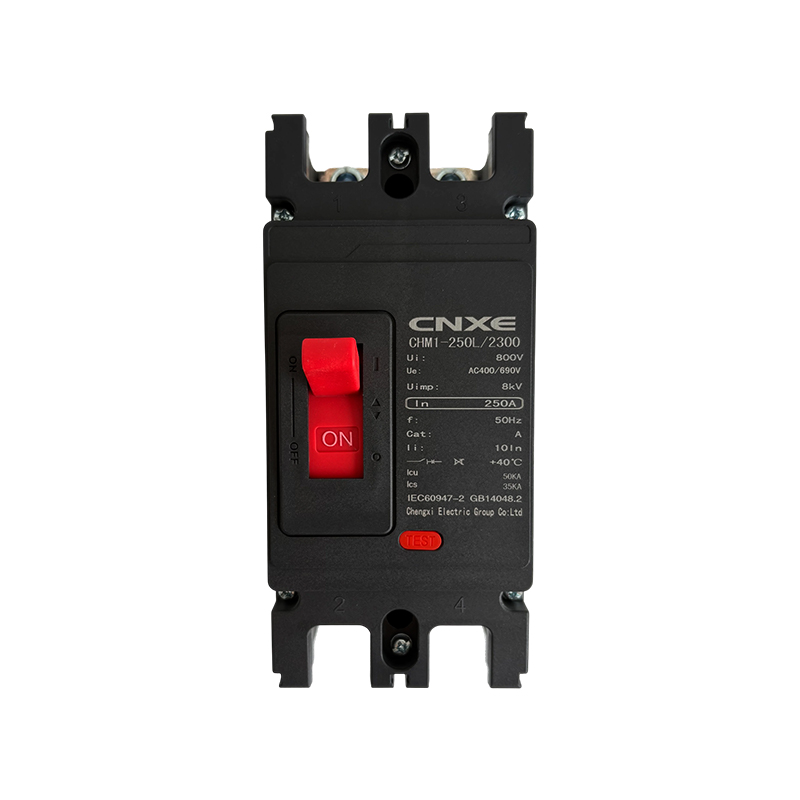
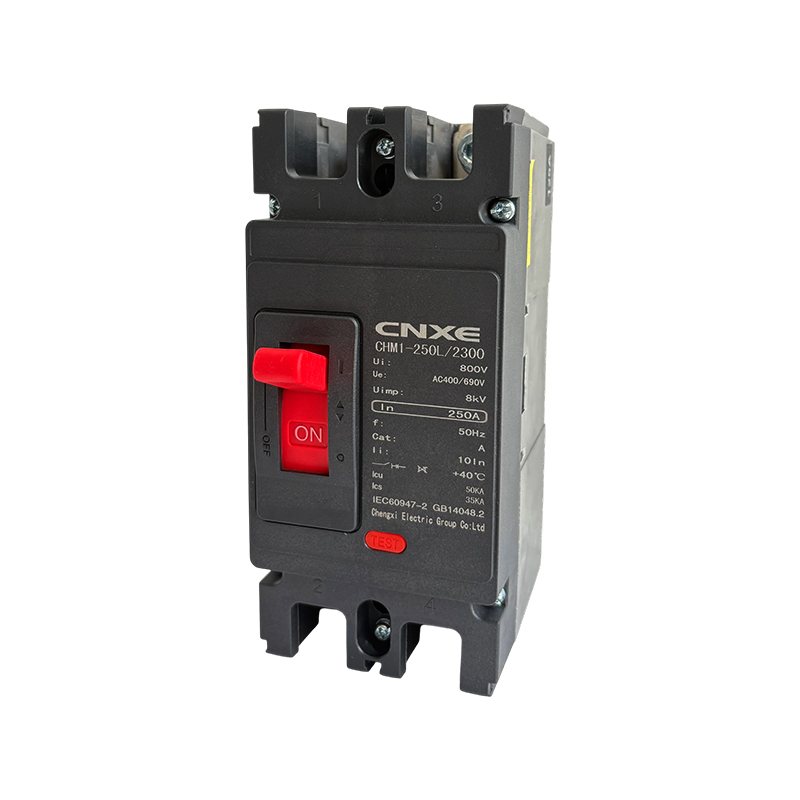
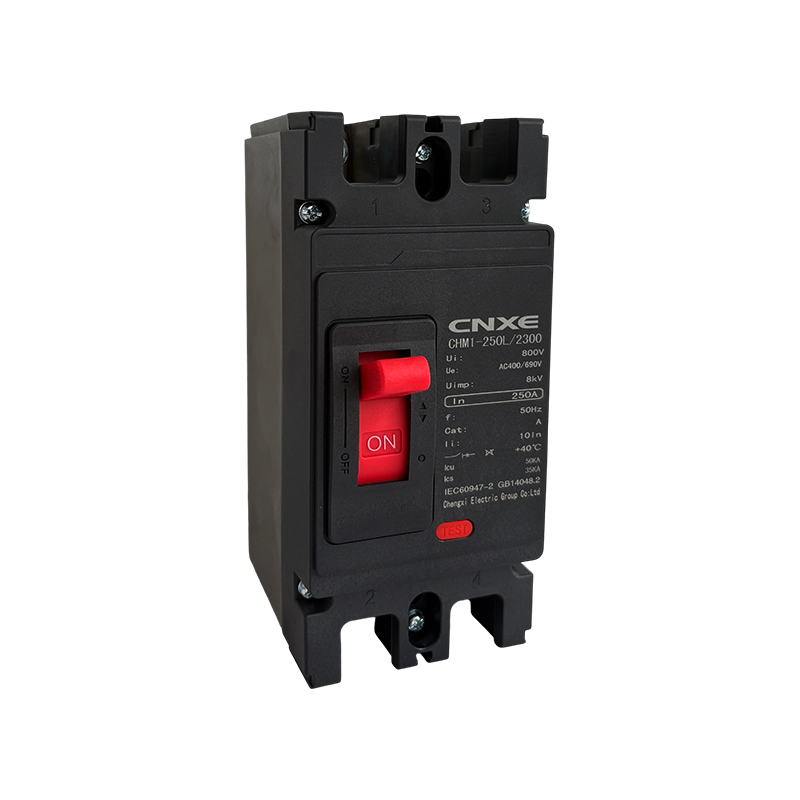
Molded Case Circuit Breakers are core components in both industrial and residential power distribution systems. CHM1, DZ20, and other product series by Chengxi Electric feature high-strength molded plastic casings that offer both safety and compact structure. Designed for circuits with AC 50/60Hz, rated voltage up to 690V, and current from 16A to 800A, these breakers serve as reliable devices for infrequent switching and motor protection. They are widely used in residences, office buildings, and industrial production lines.
MCCBs provide several key advantages. They offer high breaking capacity, enabling rapid disconnection in the event of a short circuit. The product lineup is diverse, including basic protection models (CHM1 series), leakage protection versions (CHM1LE series), intelligent electronic control types (CHM1E series), and high-voltage models specifically for photovoltaic applications (CHM1HU series, rated 800V–1140V), catering to a broad range of power scenarios. The plastic casings are made from impact-resistant and flame-retardant materials, ensuring superior protective performance and compatibility with various installation methods.
Manufacturing strictly adheres to international standards to ensure reliable operation under ambient temperatures from -5°C to 40°C and high-humidity conditions. These breakers are designed for long mechanical life and stable electrical performance. A wide range of accessories—such as auxiliary contacts and shunt trips—enhance application flexibility, delivering safe, adaptable protection solutions for diverse distribution environments.

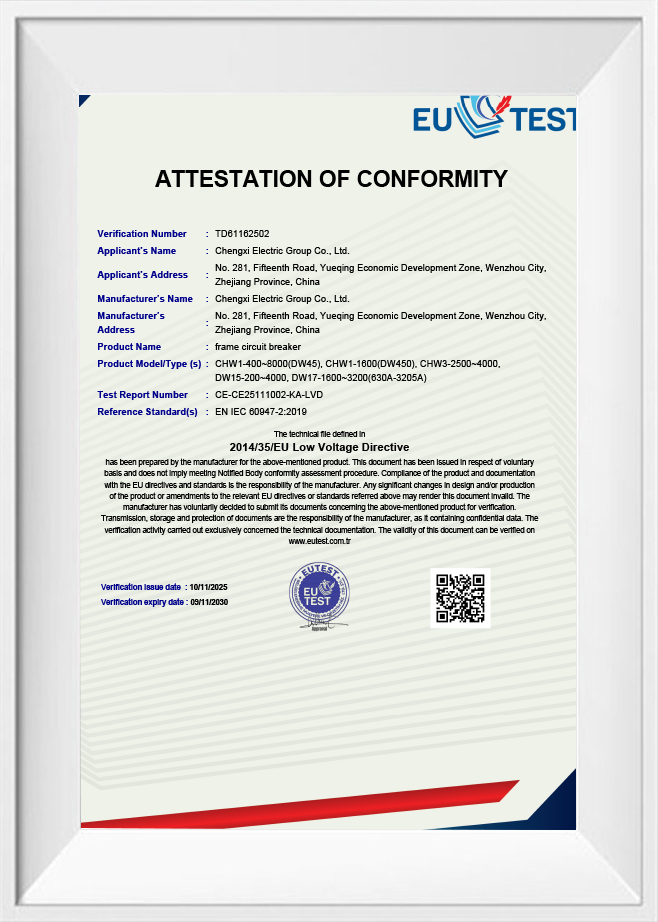
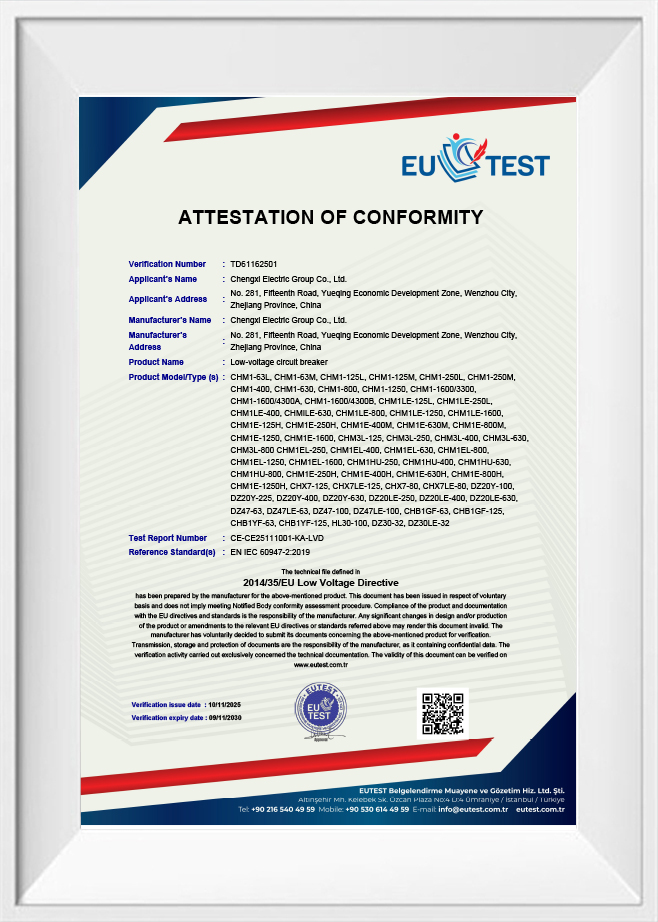






With renewable energy deployment accelerating globally, particularly in solar an...
View MoreFrom North America’s expanding solar corridors to emerging utility-scale project...
View MoreAcross international energy forums and professional engineering communities, dis...
View MoreAs global renewable energy installations continue to expand, grid stability and ...
View MoreAs power systems become increasingly complex and digitally monitored, operators ...
View MoreA molded case circuit breaker (MCCB) main purpose is to protect circuits from overloads, short circuits, and other electrical faults that can cause serious damage. But how reliable is it in real-world use? The answer lies in its design, testing, and performance consistency.
MCCBs are built with durable insulating materials and precision-engineered components that can withstand demanding environments. They are tested under strict international standards, such as IEC 60947-2 and UL 489, which ensure that they meet specific performance and safety requirements. When correctly installed and maintained, an MCCB can operate efficiently for many years, offering consistent protection and quick fault interruption when needed.
Reliability also depends on proper selection. Choosing the right MCCB for a given voltage, current rating, and application ensures it performs as intended. For example, an MCCB designed for industrial machinery will differ from one used in residential systems. Regular inspection and testing can prevent failure caused by dust, corrosion, or worn contacts.
MCCBs are reliable when used within their rated capacity and maintained according to manufacturer guidelines. Their mechanical endurance, combined with robust electrical performance, makes them a trusted solution for circuit protection in factories, commercial buildings, and large facilities. Reliability, therefore, comes from both quality design and responsible usage, ensuring long-term electrical safety and stability.
The life expectancy of a molded case circuit breaker depends on multiple factors—such as usage frequency, operating conditions, and maintenance routines. Typically, a well-maintained MCCB can last anywhere between 15 and 30 years. However, this range is only an estimate; the actual lifespan may vary based on how often the breaker is operated and the electrical stresses it experiences.
Each MCCB is rated for a specific number of mechanical and electrical operations. For instance, industrial-grade MCCBs are designed to handle thousands of switching cycles before wear becomes significant. Environmental conditions also play a big role. High humidity, temperature, or exposure to corrosive substances can shorten a breaker’s lifespan. Similarly, frequent tripping due to overcurrent or poor circuit design can cause contact degradation over time.
To maximize its life expectancy, periodic testing and cleaning are essential. Technicians usually check insulation resistance, contact wear, and thermal performance during routine inspections. Replacing worn-out parts such as contacts or springs can extend the breaker’s operational life without the need for a full replacement.
While the lifespan of an MCCB can vary, a high-quality unit that is properly installed and maintained can serve reliably for decades. Manufacturers often provide maintenance schedules and test recommendations to ensure long-term safety.
MCCBs are commonly installed in commercial and industrial environments where equipment draws significant power. For example, they are used in distribution panels, motor control centers, and generator systems. Their adjustable trip settings allow engineers to fine-tune protection levels according to system requirements, making them ideal for complex or variable-load applications.
Another situation where MCCBs are necessary is when selective coordination is required. This ensures that only the faulty part of a circuit is isolated without shutting down the entire electrical system. MCCBs offer better flexibility in achieving this coordination compared to smaller breakers. Additionally, they are essential in systems that demand high short-circuit breaking capacities—situations where high fault currents could otherwise damage wiring or connected devices.
They are also indispensable in backup power systems and renewable energy installations, where voltage fluctuations can occur. Their robust design ensures reliable operation under such dynamic conditions.
MCCBs become necessary wherever higher current ratings, adjustable settings, and stronger protection are required. Their versatility, durability, and precision make them vital for maintaining safety and performance in modern power distribution systems. Whether in factories, data centers, or large buildings, MCCBs play a key role in ensuring dependable electrical protection.
 The company is committed to providing high-quality electrical products and excellent customer service. We not only supply exquisite, top-tier products to meet your needs but also back them with a sincere and comprehensive after-sales service guarantee.
Contact Us
 +86-18067486879
 [email protected]
 281 Wei 15th Road, Yueqing Economic Development Zone, Zhejiang, China
Copyright © Chengxi Electric Group Co., Ltd. All Rights
Reserved

MCCB Circuit Breaker Company




 English
  Français
  中文简体
中文简体  русский
  Español
  عربى
عربى