Automatic Aerosol Fire Extinguishing Device for Electrical Cabinets
Product Introduction
This heat aerosol fire extinguishing device adopts a thermal automatic triggering design, available in 10g, 20g, 30g, and 40g specifications. It activates automatically when the ambient temperature reaches around 170°C or in the presence of an open flame, releasing fire-extinguishing aerosol to suppress early-stage fires quickly.
It features a compact structure suitable for DIN rail installation in enclosed electrical equipment. With a service life of up to 10 years, the system provides stable and maintenance-free fire protection for long-term use.
Application Scenarios
Distribution boxes, electrical cabinets, battery boxes, communication equipment enclosures, new energy power cabinets, EV charging stations, and other small enclosed electrical systems.


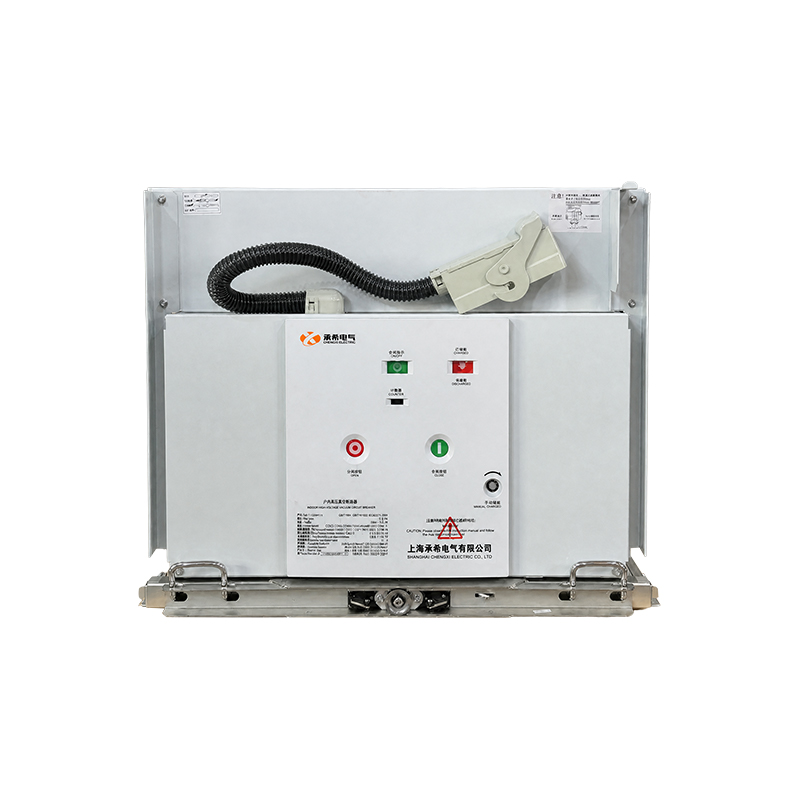
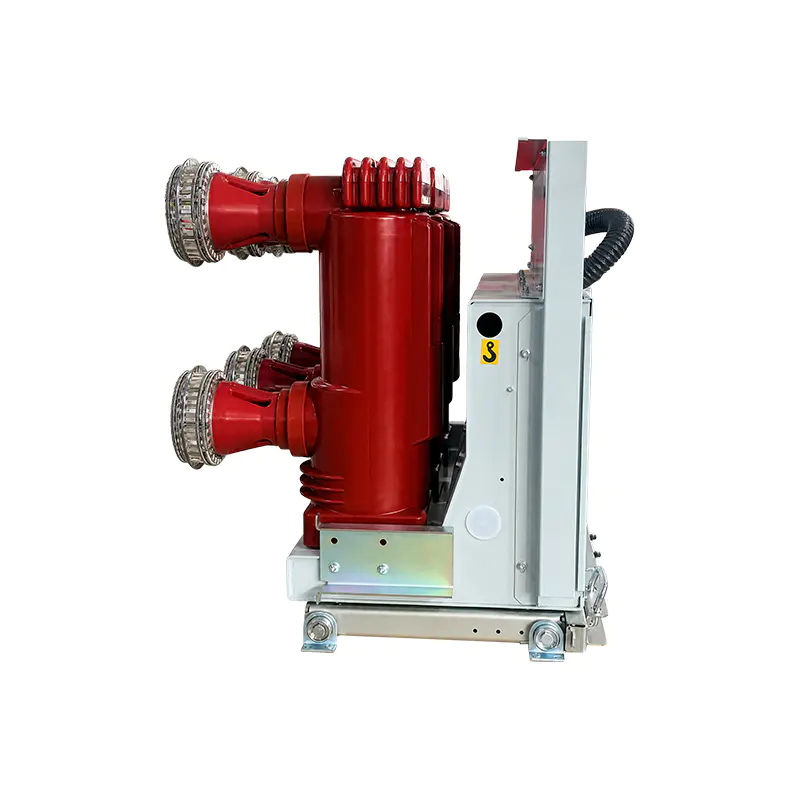
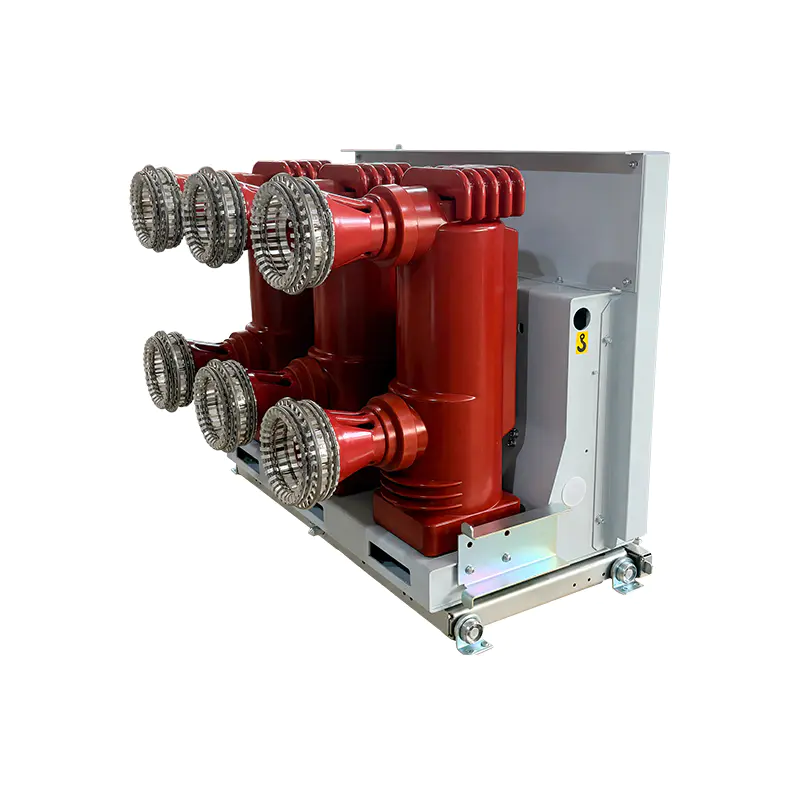
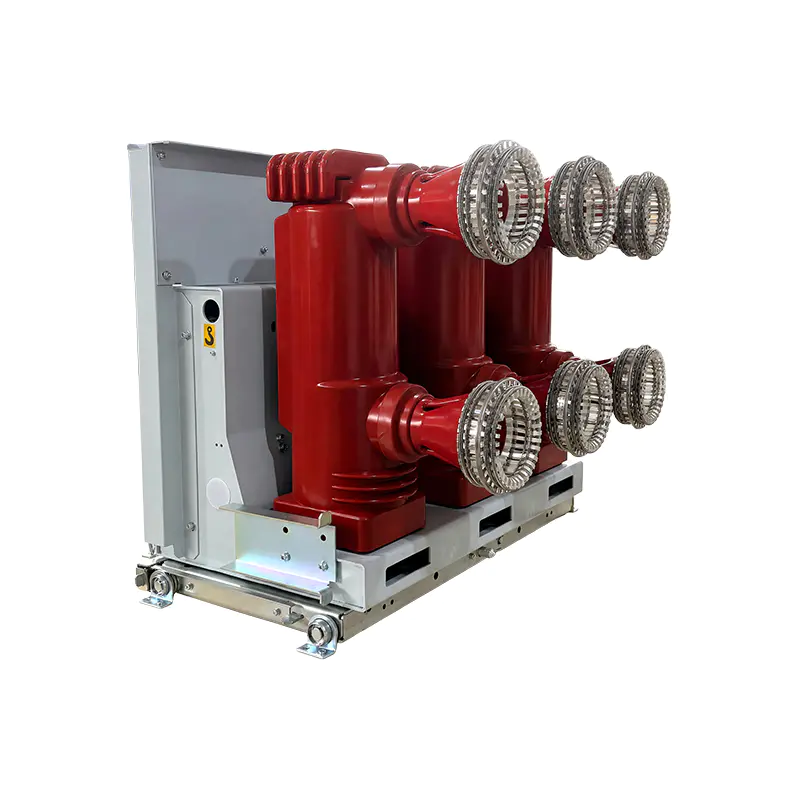
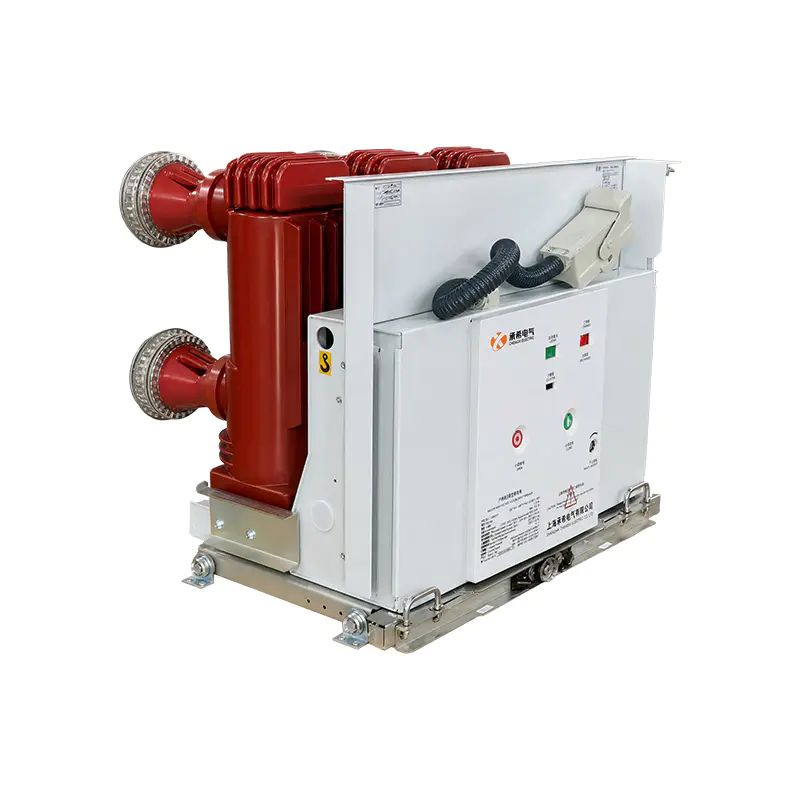
VCB High Voltage Vacuum Circuit Breaker (Draw-Out / Handcart Type)
The HV VCB is an indoor medium-voltage vacuum circuit breaker supplied as a complete, switchgear-ready primary unit. Three solid-sealed poles carry the vacuum interrupters and the main conductive path. A spring-stored-energy operating mechanism provides closing and opening, with full push-button control and status indication on the front panel. A draw-out chassis racks the breaker into the circuit-breaker compartment of a metal-clad switchgear panel.
It performs the three duties a medium-voltage distribution network cannot operate without:
Switching load current during normal operation
Clearing short-circuit faults before they damage cables, transformers and switchgear
Isolating a circuit safely so that inspection and maintenance can be carried out
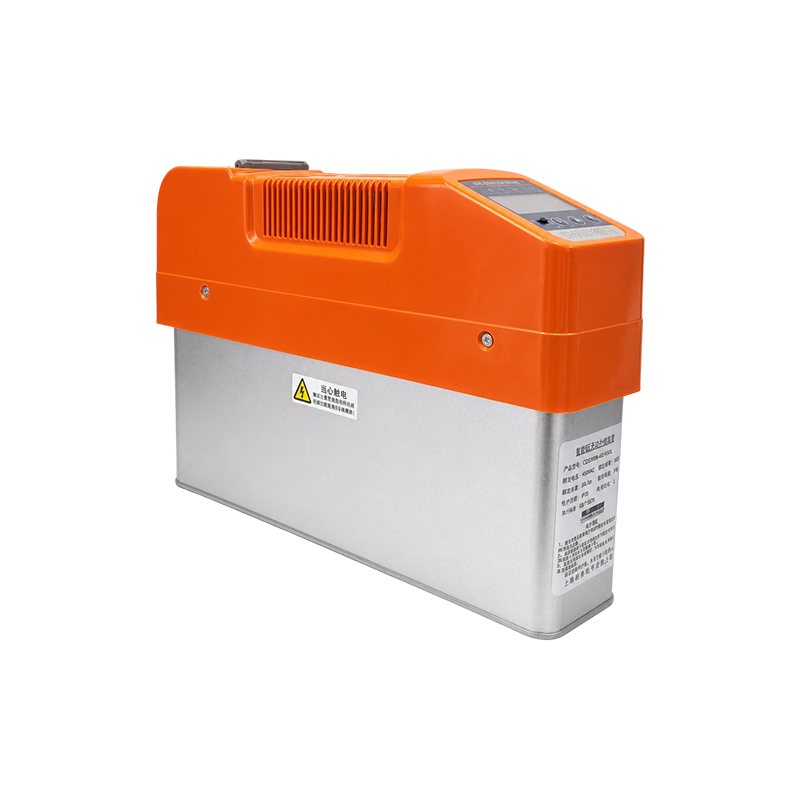
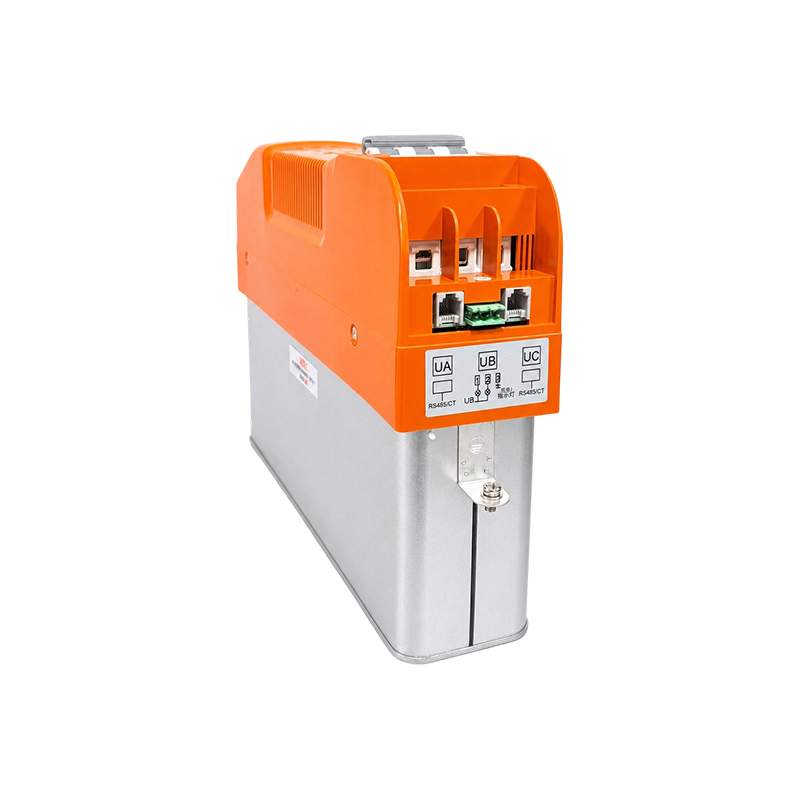
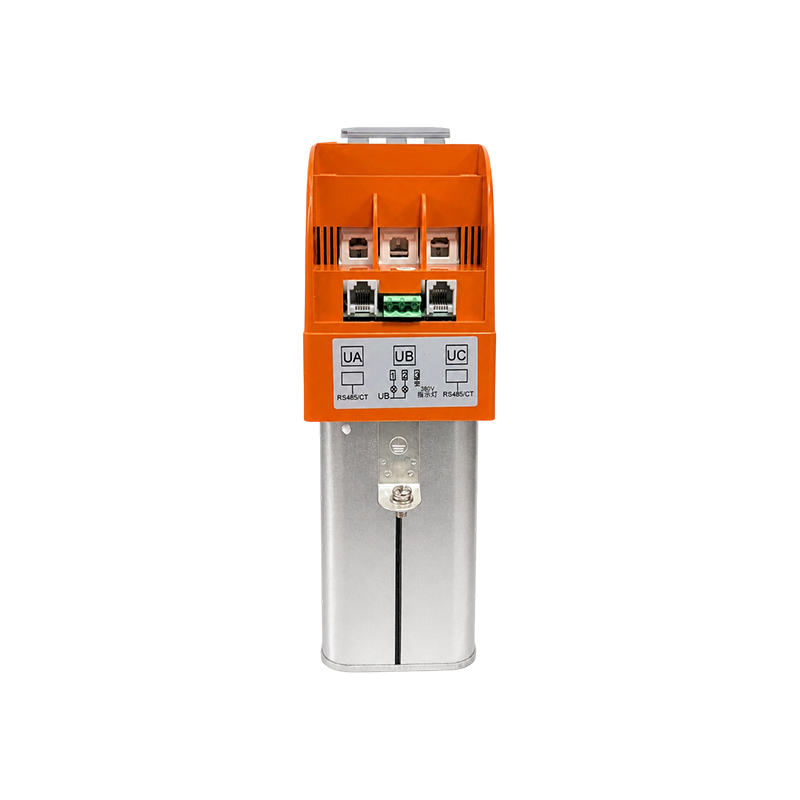
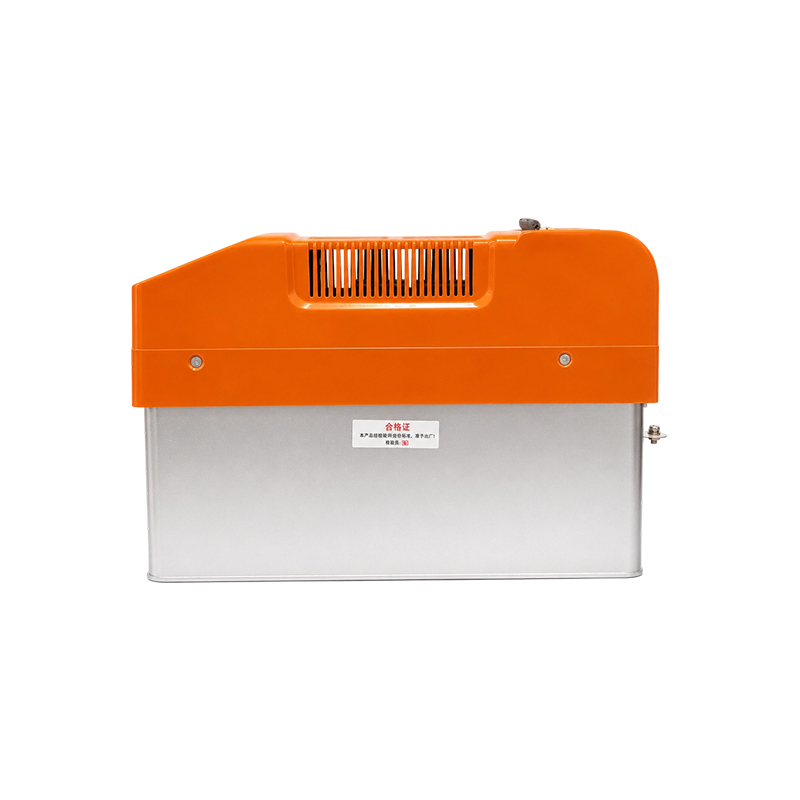
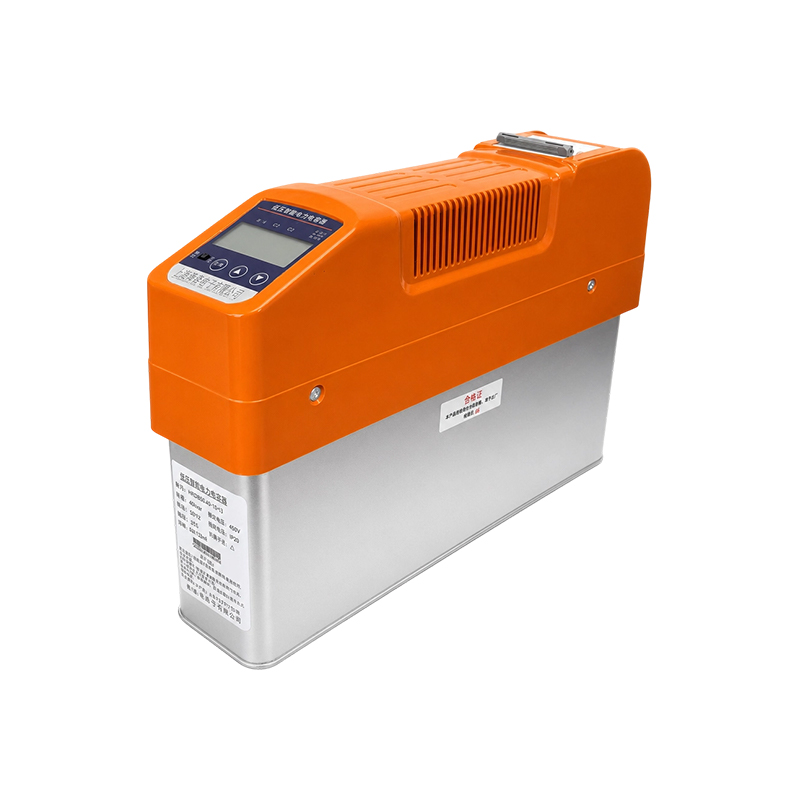
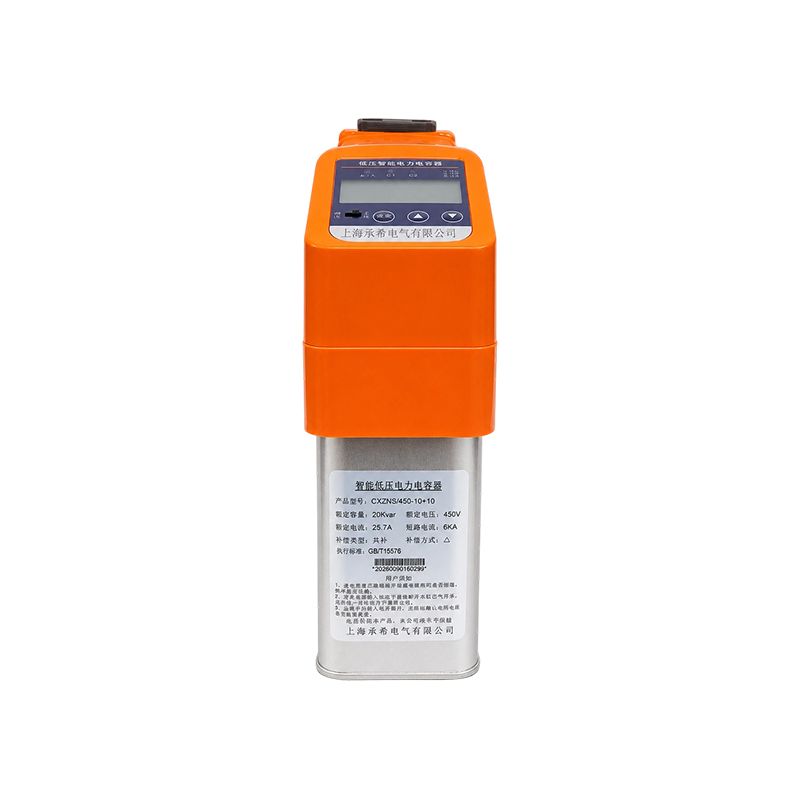
Intelligent Low Voltage Power Capacitor with Integrated Controller
The Intelligent Low Voltage Power Capacitor is a factory-assembled reactive power compensation unit that integrates a self-healing capacitor element, a switching device, and a control module with an LCD display into a single enclosure. Instead of individually selecting, wiring, and commissioning a capacitor, a switching device, and a separate controller, you install one module with one mounting footprint and one set of terminals — saving cabinet space, shortening commissioning, and making every branch simple to replace. Typical applications are low-voltage distribution rooms and APFC cabinets, where the unit corrects power factor and reduces line losses, and where a self-contained branch is easier to maintain than an assembly of separate parts.
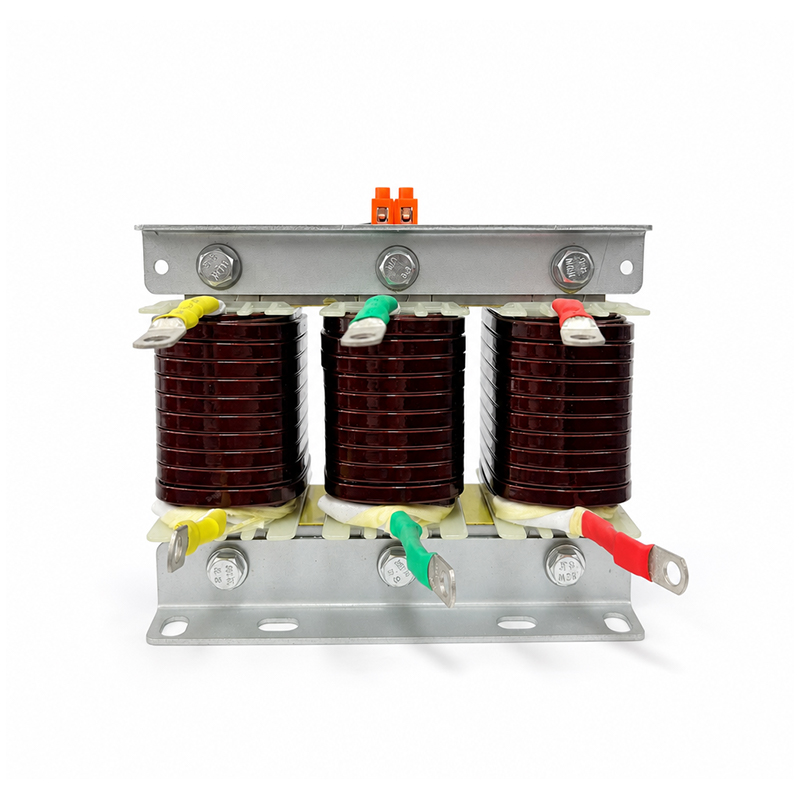
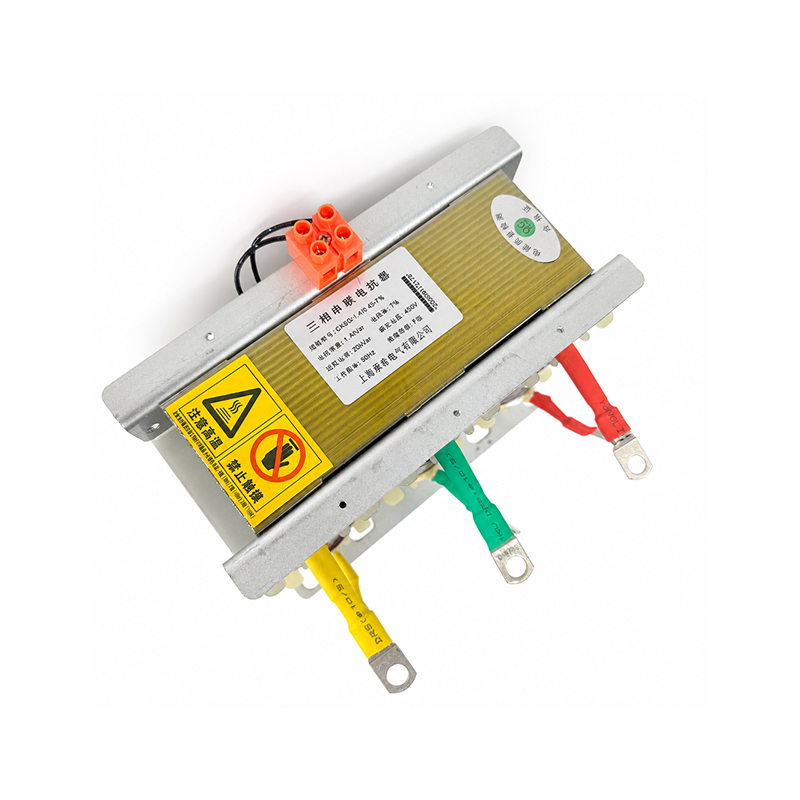
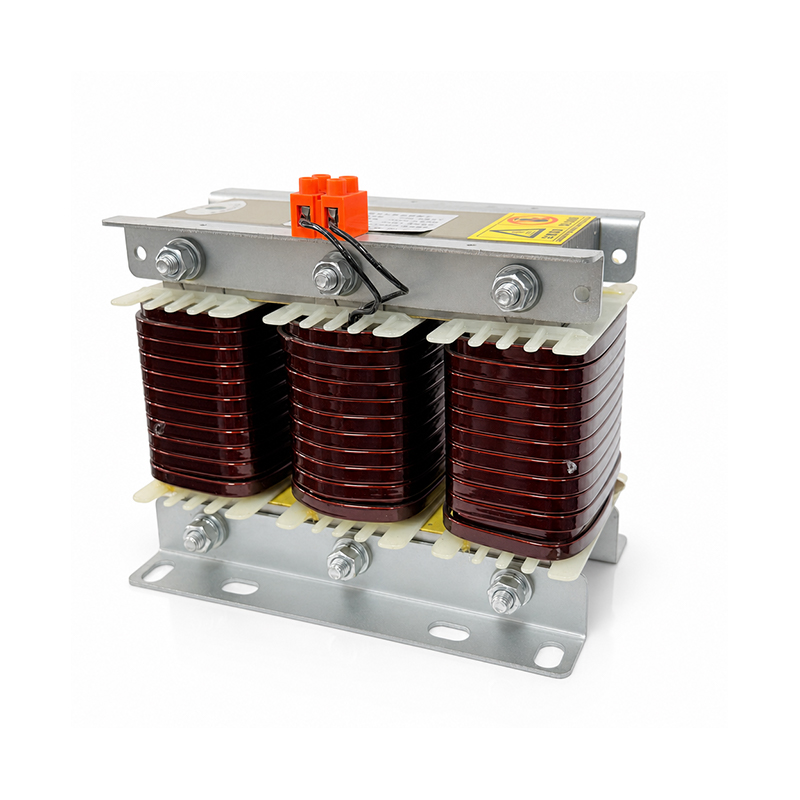
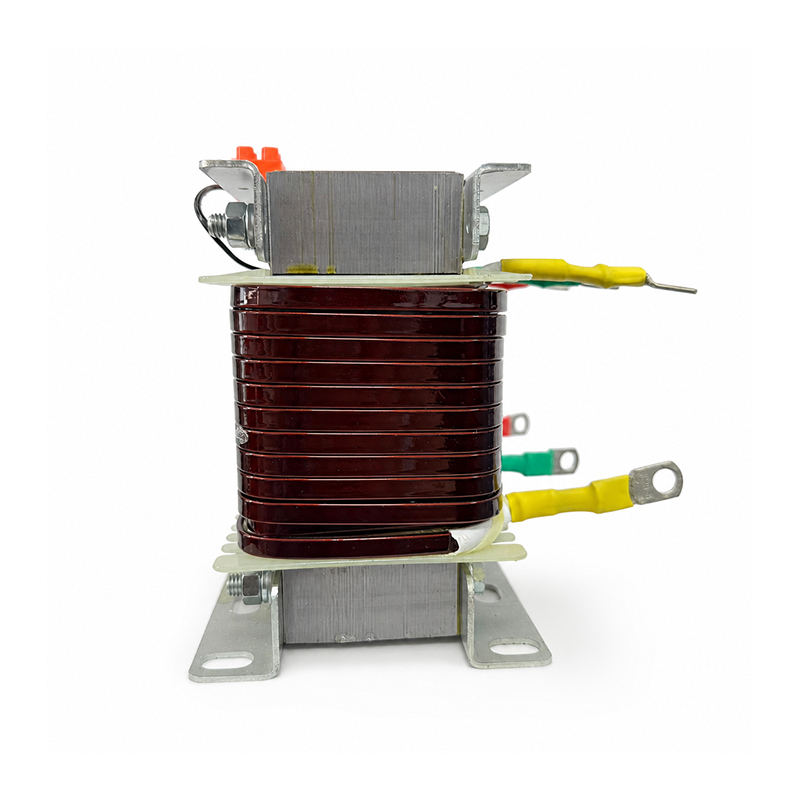
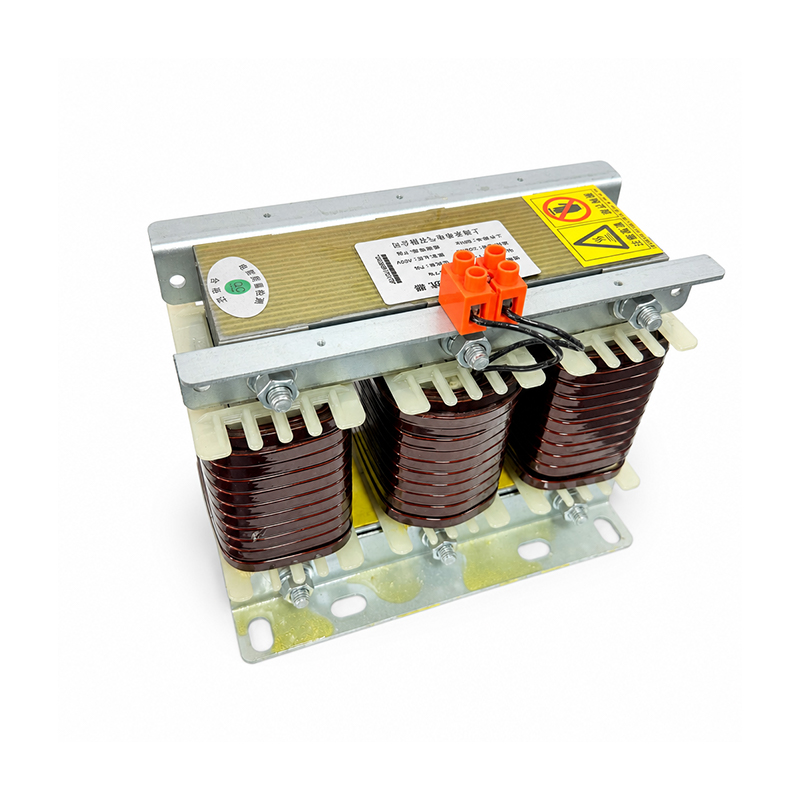
CKSG 7% Three-Phase Iron Core Low Voltage Power Capacitor Series Reactor
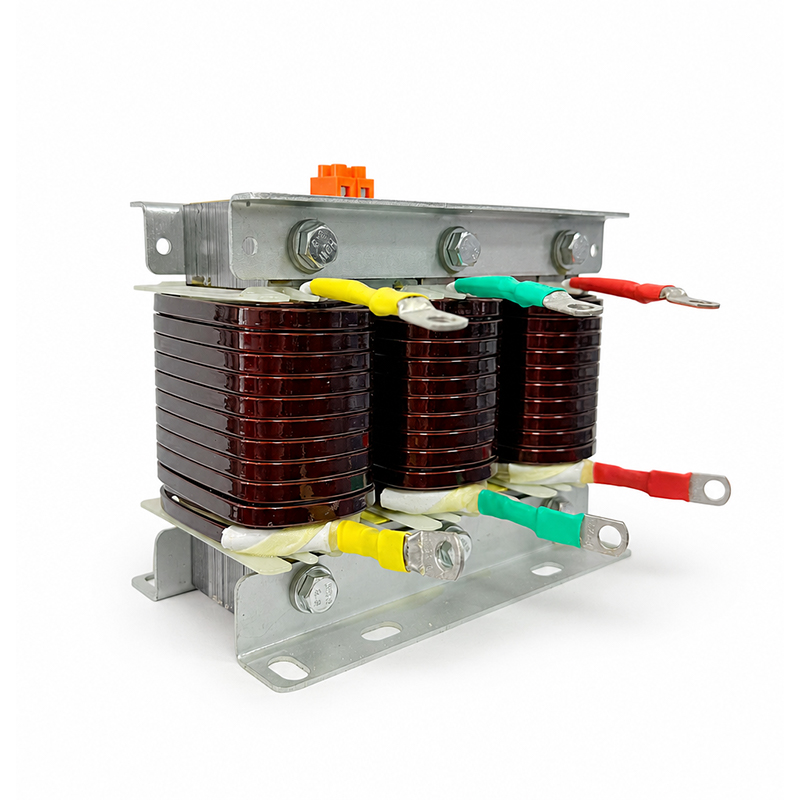
The CKSG Series Three-Phase Series Reactor is a dry-type iron-core reactor designed to be connected in series with the capacitor branch of a low-voltage power factor correction installation. This 7 % reactance-rate version is built for 450 V systems and covers capacitor branches from 5 kvar to 60 kvar, so one model family serves everything from a small distribution board to a large compensation cabinet.
Its purpose is to keep harmonic current out of the capacitor. Placing an inductive reactance in series with the capacitor shifts the resonant frequency of the branch below the 5th harmonic — the order where the harmonic current produced by variable-speed drives, rectifiers and UPS systems is concentrated. The branch therefore no longer amplifies 5th-harmonic current, the capacitor is protected from the harmonic overload that causes premature failure, and the inductance simultaneously limits the inrush current each time the branch is switched on. Each phase is a resin-impregnated coil on a laminated iron core, and the three phases are supplied as a matched set on a galvanised steel frame with pre-fitted colour-coded terminal lugs for direct cable or busbar connection.
Selection is made by matching the reactor to the capacitor it protects. The reactor's rated capacity is 7 % of the capacitor branch rating, and both values appear in the model number, so CKSG-2.1/0.45-7 % is the unit for a 30 kVAR capacitor branch on a 450 V system. If your branch rating or system voltage falls outside the range below — or if the network's dominant harmonic is not the 5th — tell us before ordering, because the reactance rate has to match the harmonic actually present in the installation.
FK Series Composite Switch | Low Voltage Capacitor Switching Device for APFC Cabinets
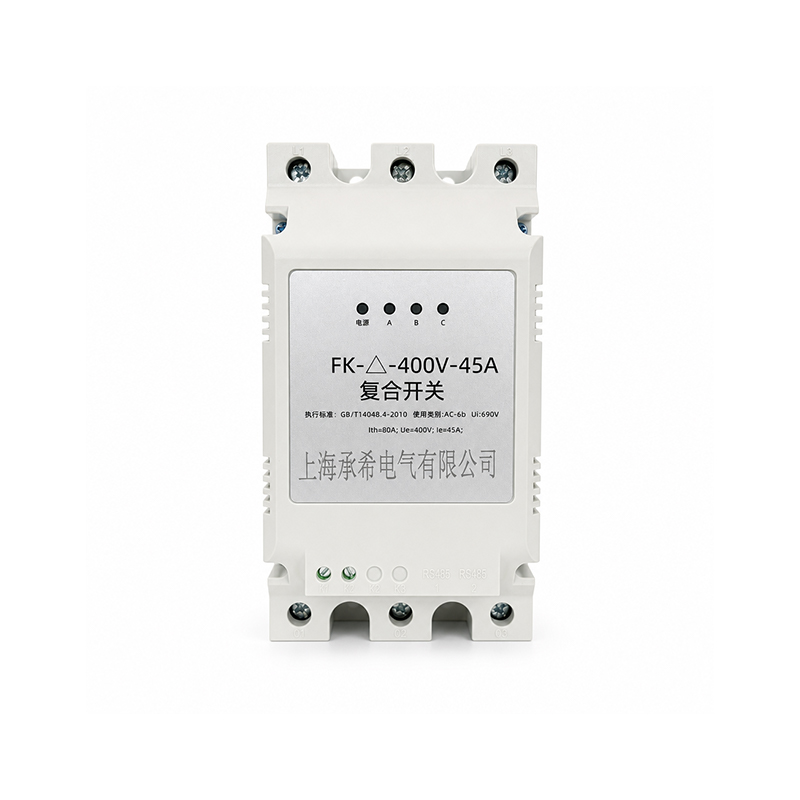
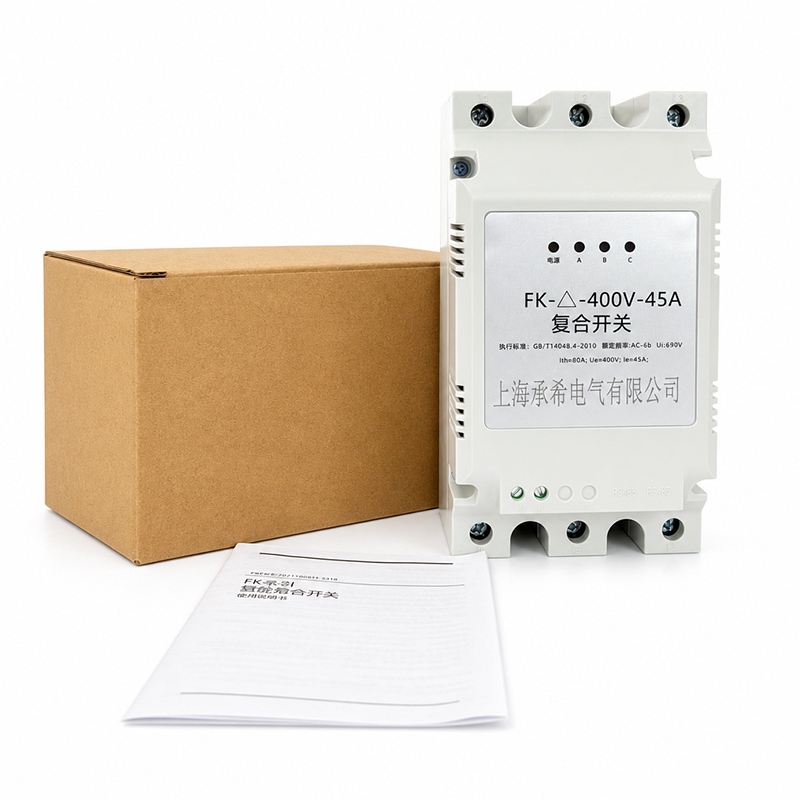
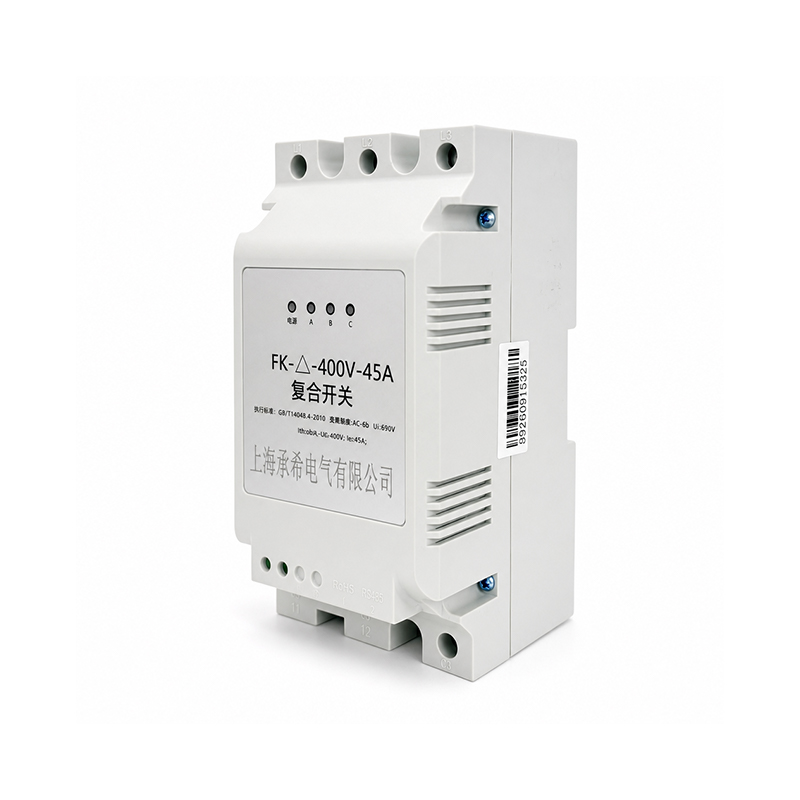
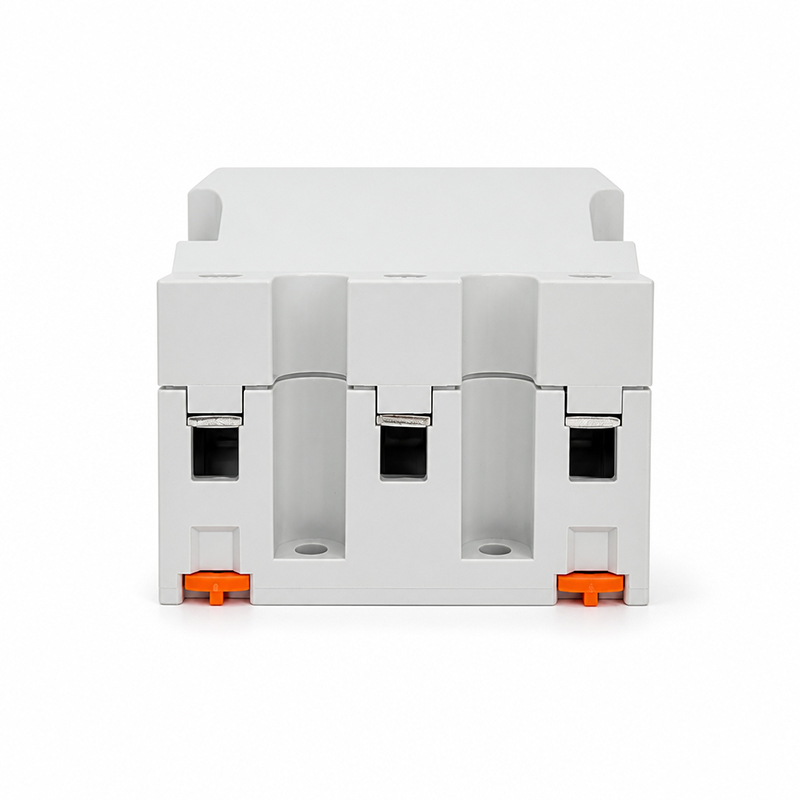
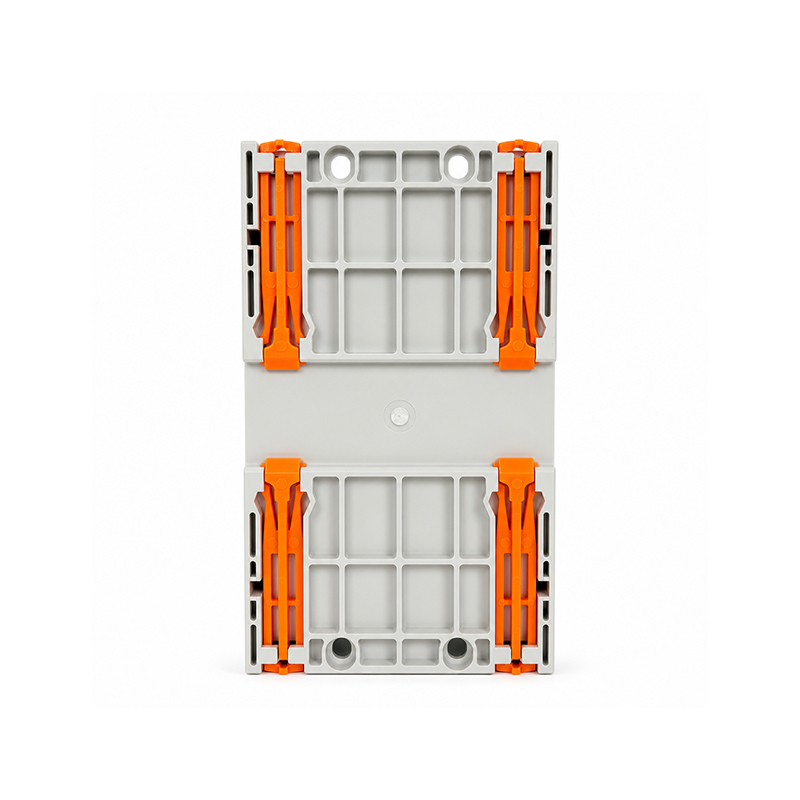
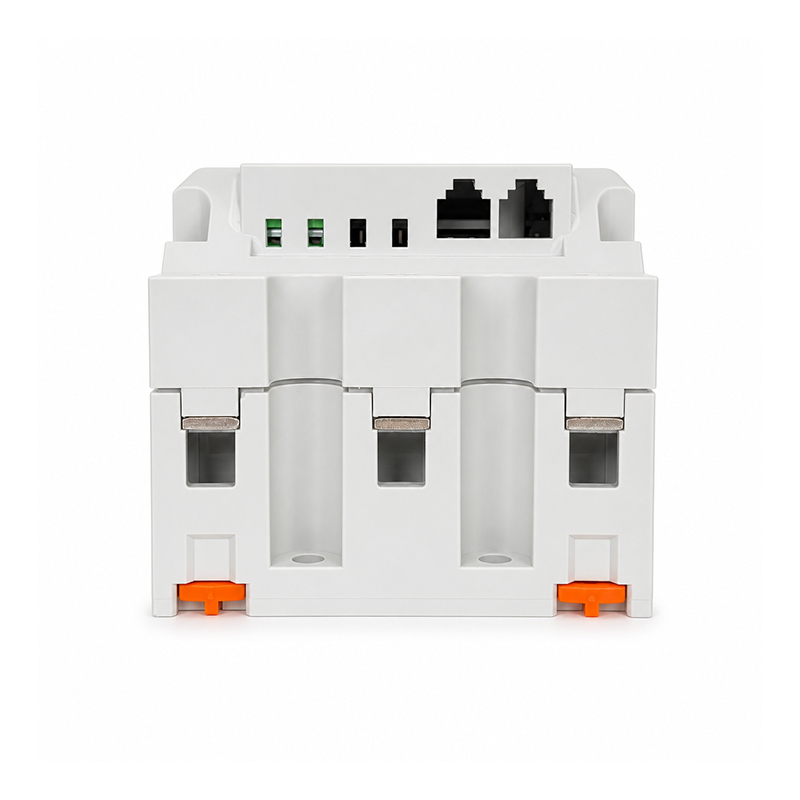
The FK Series Composite Switch is a low-voltage switching device for the capacitor branches of a power factor correction cabinet. It is rated AC-6b — the utilisation category defined specifically for capacitor switching — which is what separates it from a general-purpose contactor asked to do the same job. The FK-△-400V-45A version is the delta-connected type used for three-phase common compensation, rated 400 V and 45 A, and it connects and disconnects each capacitor branch on command from the compensation controller.
A composite switch combines two switching elements in one device: a semiconductor stage that makes and breaks the circuit at the voltage zero crossing, and a mechanical contact that carries the continuous current. The semiconductor absorbs the transient, so the capacitor is never exposed to the inrush current and contact arcing a plain contactor would produce, while the contact closes to carry the load current with negligible loss and no continuous heat generation. The practical results are no inrush current, no welded contacts, a long electrical life, and no additional harmonic distortion introduced into the network.
Indication and communication are built in. Four LEDs show power and per-phase A, B and C status, and two RS485 ports allow the switch to be linked to and addressed by the controller. Control connections are made at terminals K1 to K3, with the main circuit terminated at the top and bottom poles. The device carries Ith = 80 A for conventional thermal current and Ui = 690 V for rated insulation voltage, with Ue = 400 V and Ie = 45 A as its operational ratings. To confirm the right model, tell us your system voltage, the capacitor branch rating, and whether the compensation is common or per-phase.
 The company is committed to providing high-quality electrical products and excellent customer service. We not only supply exquisite, top-tier products to meet your needs but also back them with a sincere and comprehensive after-sales service guarantee.
Contact Us
 +86-18067486879
 [email protected]
 281 Wei 15th Road, Yueqing Economic Development Zone, Zhejiang, China
Copyright © Chengxi Electric Group Co., Ltd. All Rights
Reserved

High Voltage Transformer & Electrical Circuit Breaker Factory




 English
 Français
 中文简体
 русский
 Español
 عربى