Date:2026-09-02
A finished Air Circuit Breaker doesn't go straight from the assembly line to a shipping crate. Between those two points there's a step that doesn't show up in most photos of the product: the breaker gets mounted into a test compartment, wired up, and run through its full range of operations before anyone decides it's ready to be staged for packing.
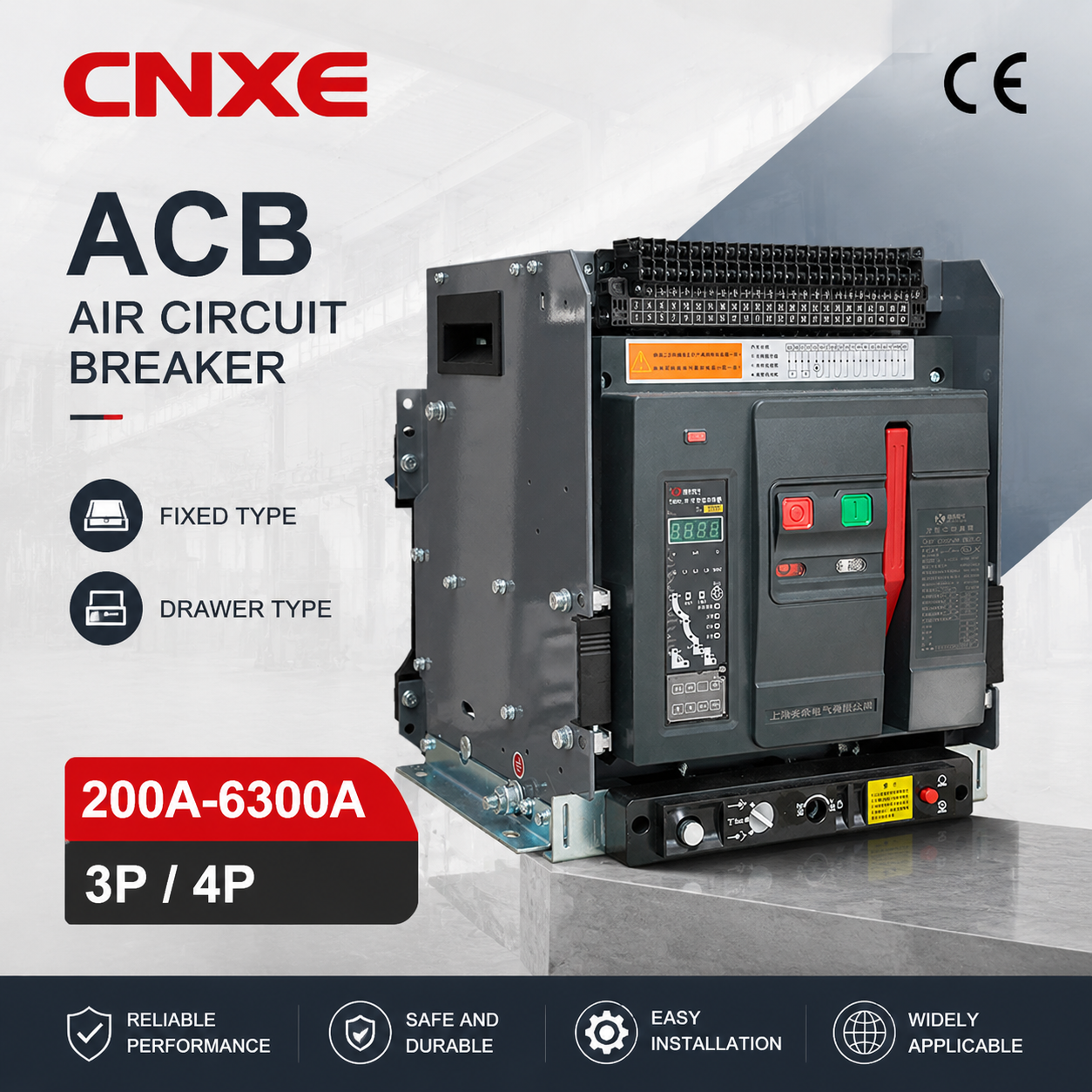
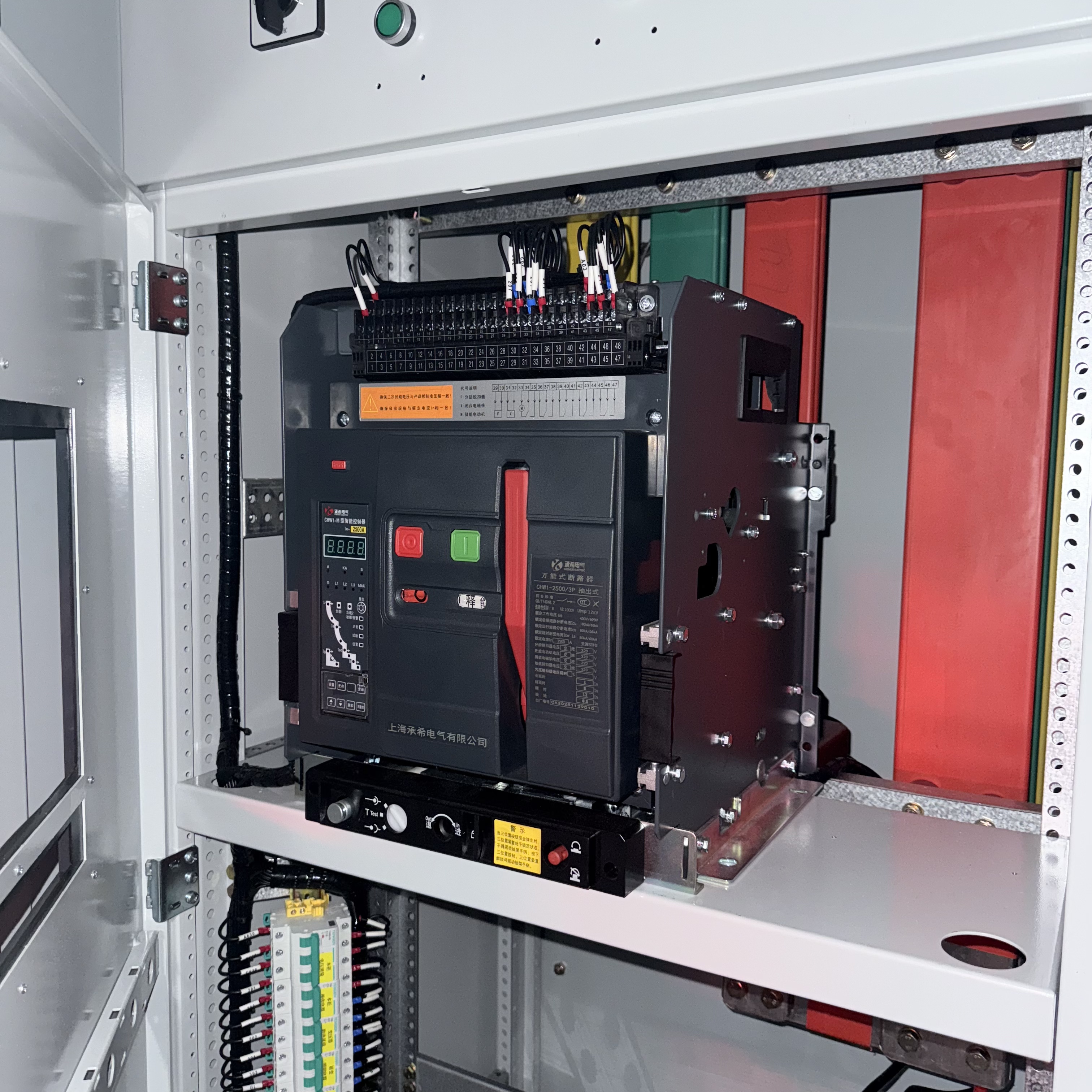
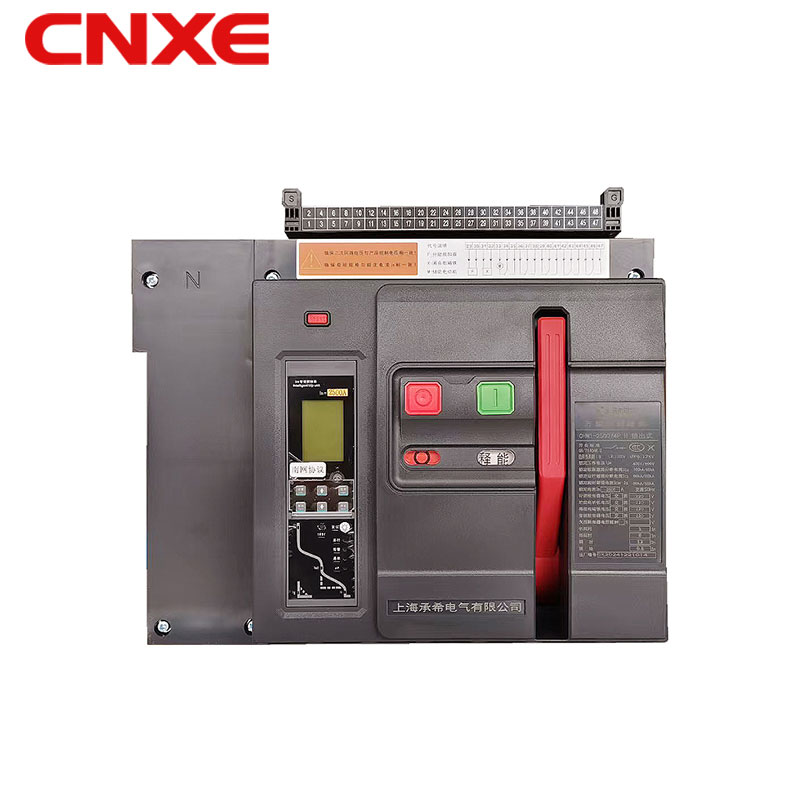
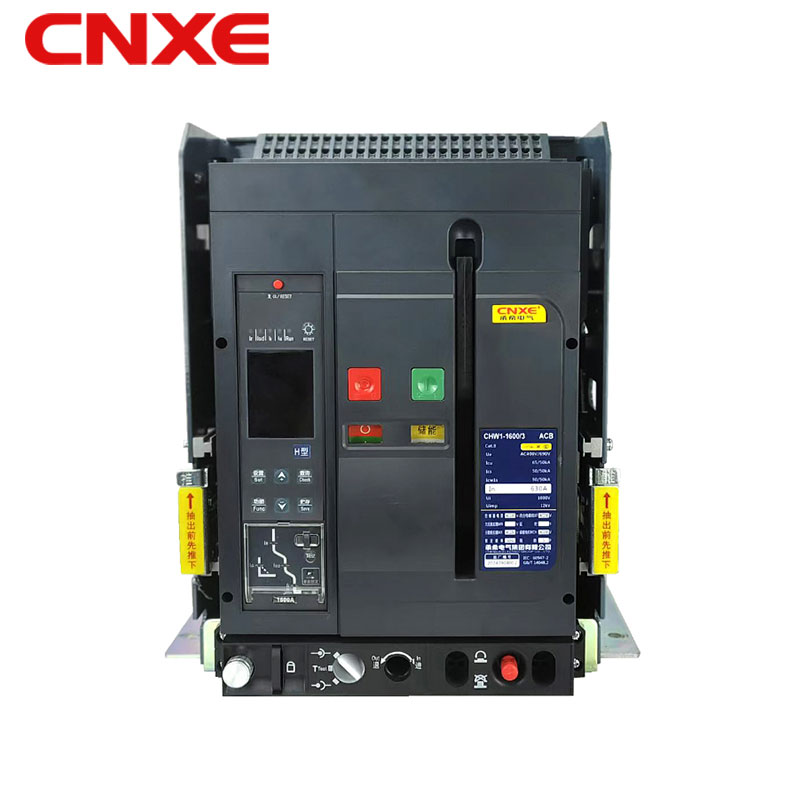
Once a CHW1 series breaker comes off the assembly line, it's placed into a compartment rail similar to the one it will eventually sit in at a customer's site. The secondary control circuit is connected first, terminal by terminal, against the wiring diagram fixed to the top of the unit. This is the row of numbered terminals visible on top of the breaker, each one carrying a specific signal function — auxiliary contacts, alarm output, closing coil, undervoltage release, and so on. Getting this wiring right matters just as much as the main current path, since a breaker that trips or closes correctly but reports the wrong status signal back to a switchgear panel creates a different kind of problem for the customer down the line.
With the wiring connected, technicians run the breaker through its full mechanical and electrical sequence. The red and green buttons on the front panel are used to open and close the breaker repeatedly, confirming that the trip and closing mechanisms respond as expected. The test/service/disconnect position switch at the base of the unit is checked in each position, verifying that the racking mechanism moves smoothly between connected, test, and fully withdrawn states. The digital controller on the front display is checked against the rated current setting for that unit, and the fault indicators are confirmed to reset properly after a manual trip. Only after a breaker passes through this full sequence does it get disconnected from the test rig and moved out to the staging area.
This is the point where the units seen lined up on individual wooden bases come from. Each breaker that clears its wiring and function check gets moved out of the test area and set down on its own skid on the workshop floor, waiting for the next stage — the wooden-frame packing process that gets each unit ready for long-distance transport. Seeing a row of finished breakers staged this way is usually a sign that a batch has cleared testing together and is moving toward packing as a group, rather than one at a time.
A breaker that looks correctly assembled can still have a wiring error at the secondary terminal block, or a racking mechanism that binds slightly in one position but not another. Neither of these issues would be visible from the outside once the unit is in its shipping crate. Running the full wiring and function sequence before a breaker reaches the staging floor is what catches this kind of issue while it can still be corrected on the spot, rather than after a customer has already installed the unit. For a product where the whole purpose is protecting downstream equipment during a fault, confirming that every signal path and every mechanical position behaves as designed is treated as a standard part of getting a batch ready to leave the factory, not an optional extra step.
Batches of CHW1 series breakers go through this same sequence regardless of destination, whether they're headed to a domestic switchgear assembler or one of the export markets the company currently ships to. The staging floor doesn't distinguish between orders at this stage — every unit sitting on its skid has already been through the same wiring check before it gets there.
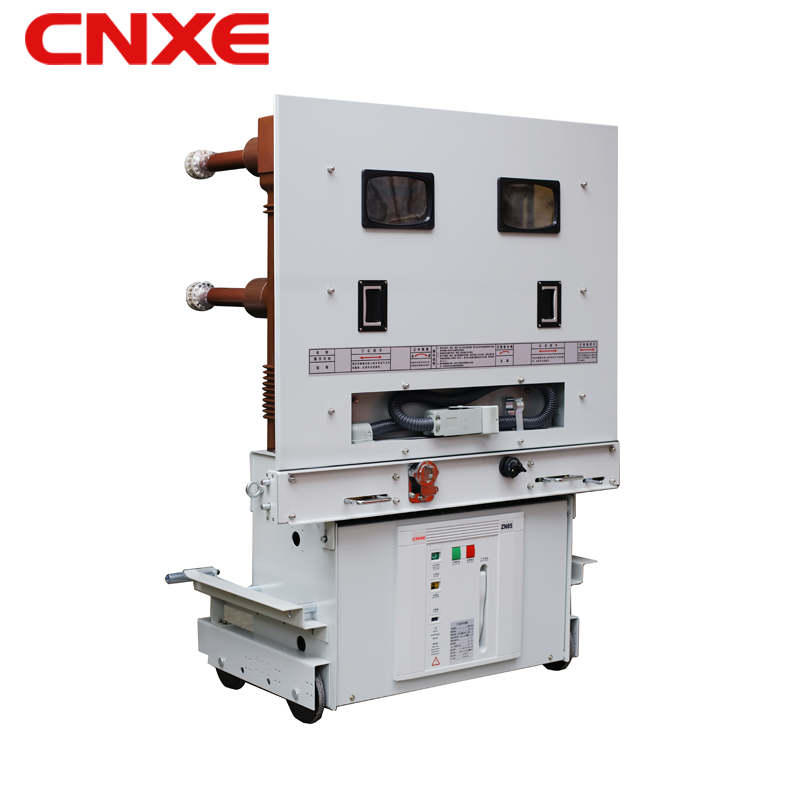
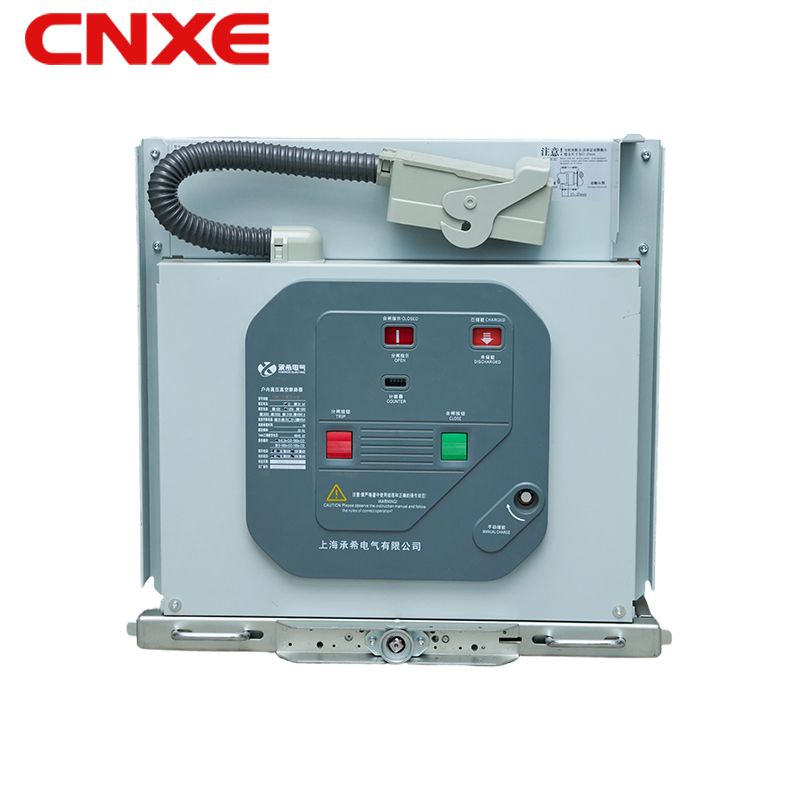
 The company is committed to providing high-quality electrical products and excellent customer service. We not only supply exquisite, top-tier products to meet your needs but also back them with a sincere and comprehensive after-sales service guarantee.
Contact Us
 +86-18067486879
 [email protected]
 281 Wei 15th Road, Yueqing Economic Development Zone, Zhejiang, China
Copyright © Chengxi Electric Group Co., Ltd. All Rights
Reserved

High Voltage Transformer & Electrical Circuit Breaker Factory



 English
  Français
  中文简体
中文简体  русский
  Español
  عربى
عربى