 Quick View
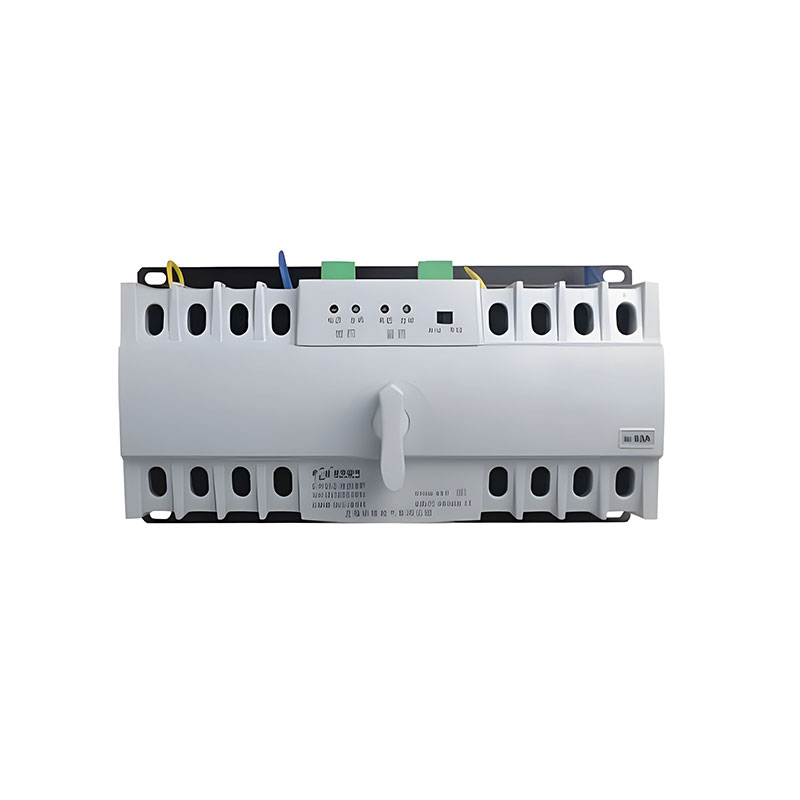
CHQ3-63/CHQ1/CHQ1Y Series Dual Power Automatic Transfer Switch (CB Class) With Built-In Circuit Breaker
The CHQ3-63/CHQ1/CHQ1Y series dual-source automatic transfer switches (CB class) feature integrated circuit breakers, providing comprehensive circuit protection.
With their compact design and easy installation, they are suitable for a variety of industrial and commercial environments. The automatic transfer function ensures seamless transfer to the backup power source in the event of a primary power failure, ensuring power continuity.
These products offer high reliability and a long service life, reducing maintenance costs. Their modular design facilitates expansion and upgrades to meet diverse user needs. The CHQ series switches are an ideal choice for enhancing power system safety and stability.
 Quick View
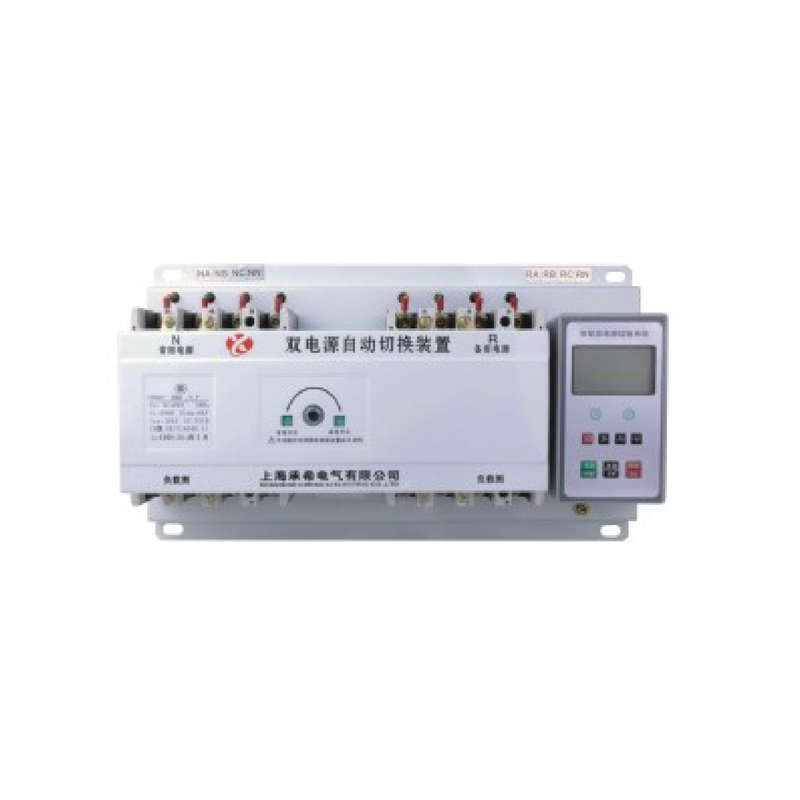
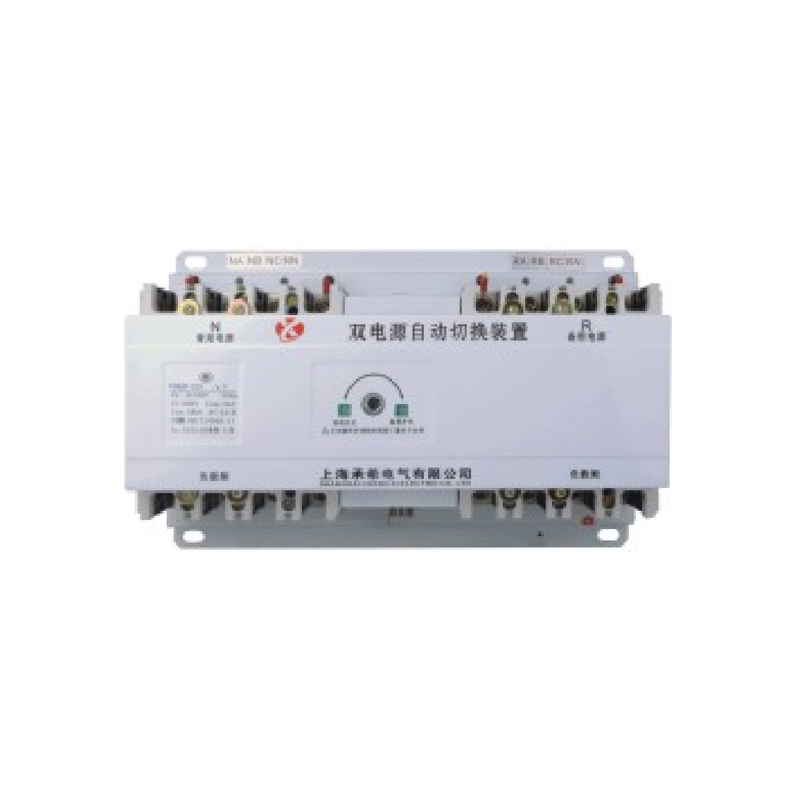
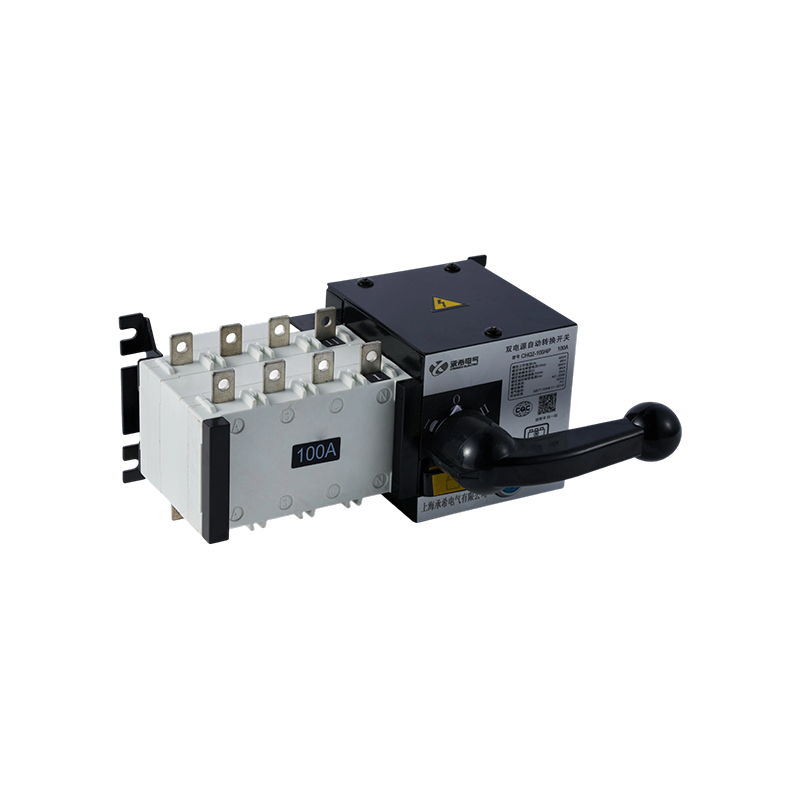
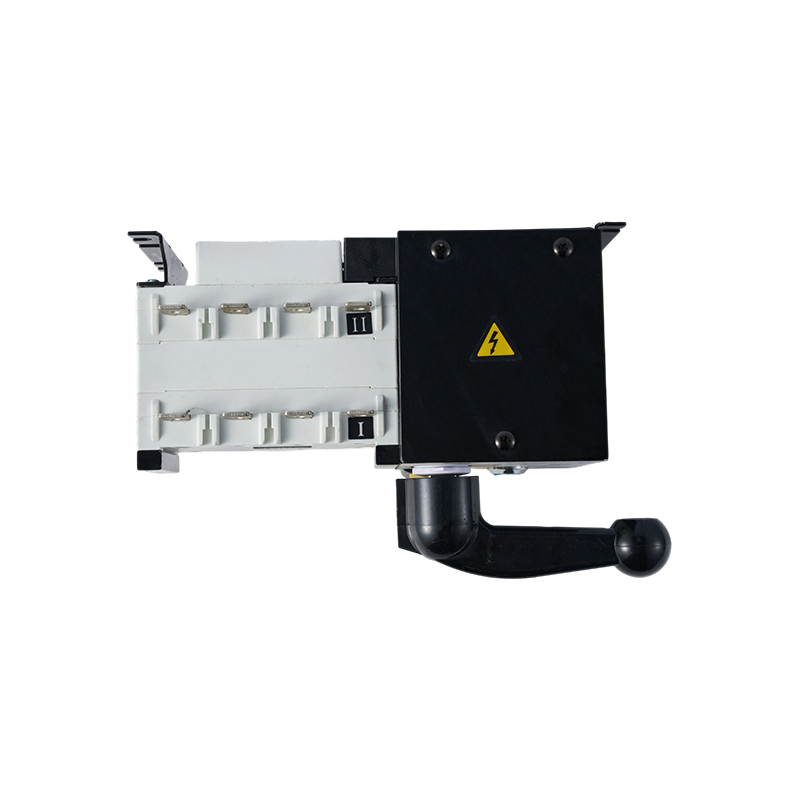
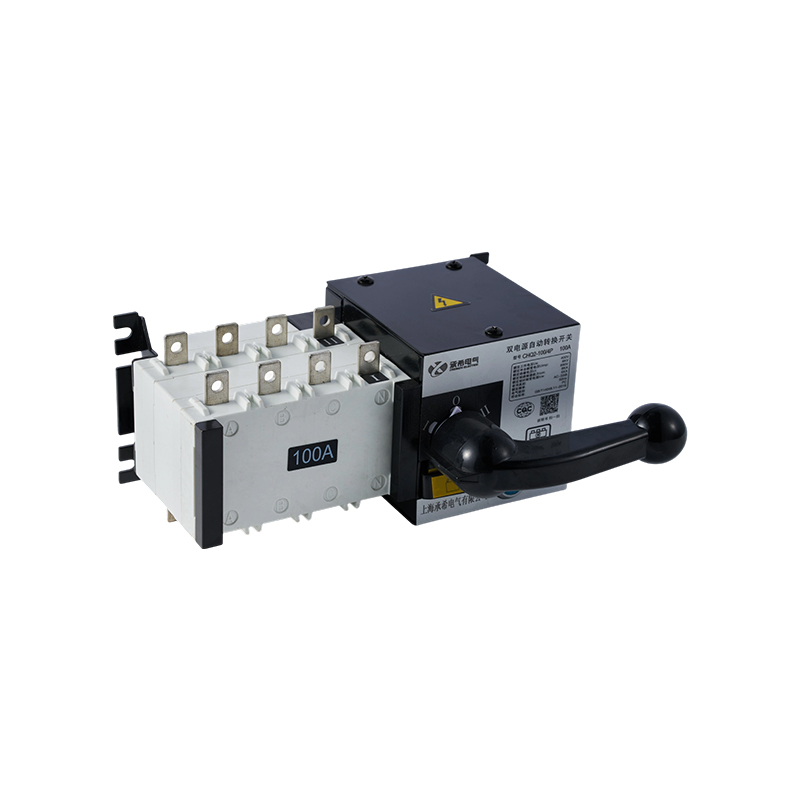
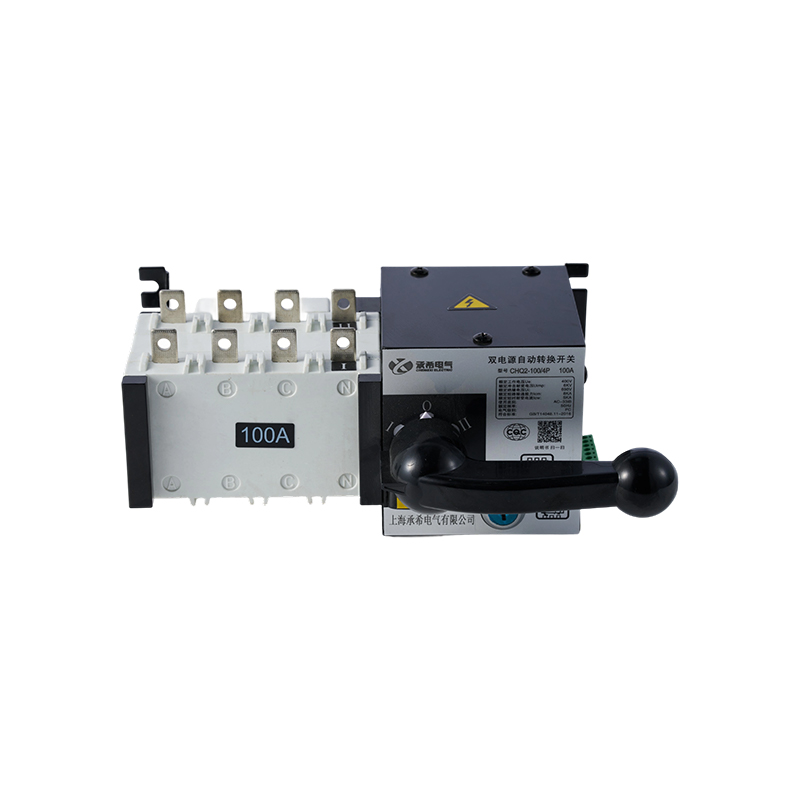
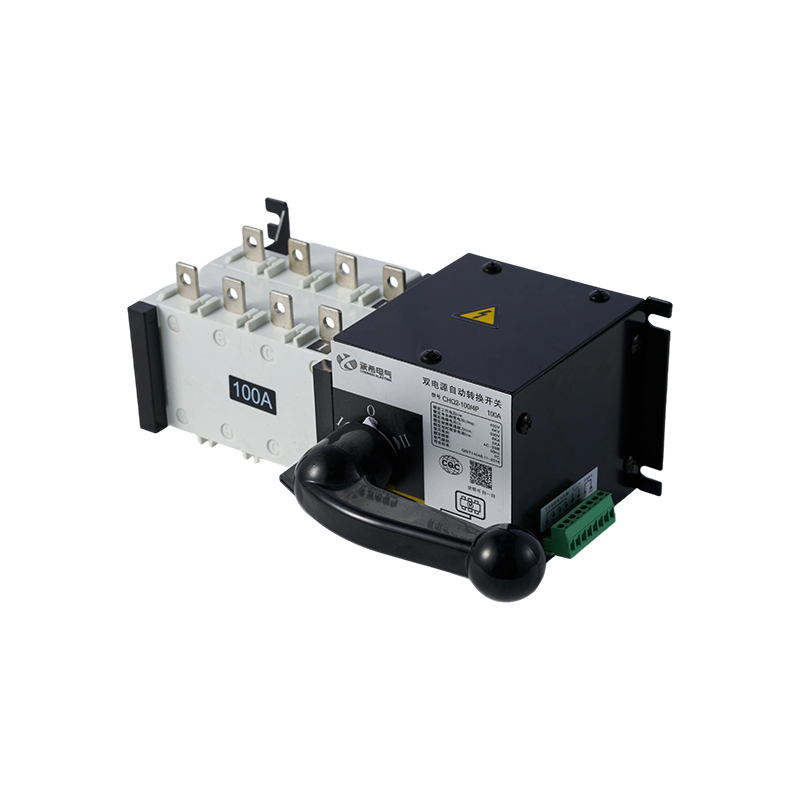
CHQ2 Series Dual Power Automatic Transfer Switch (PC Class) Focuses On Transfer Performance
The CHQ2 series dual-power automatic transfer switch (PC class) is an electrical device designed to improve switching performance and enhance short-circuit current withstand capability.
Offering high reliability and stability, it automatically switches to a backup power source in the event of a primary power failure, ensuring power continuity and safety. Its compact design and easy installation make it suitable for a variety of industrial and commercial environments. The CHQ2 series offers both manual and automatic operation modes, allowing users to choose the right one based on their specific needs.
Our PC-grade dual-power automatic transfer switch complies with multiple international standards, ensuring its wide applicability and excellent performance in diverse application scenarios.
 Quick View
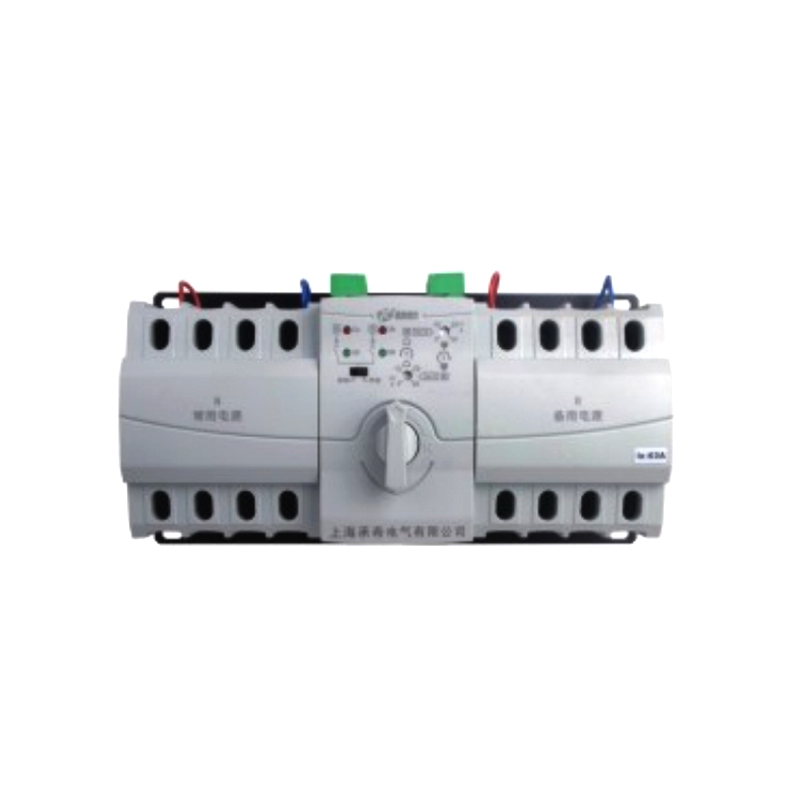
CXQ2-100/2P 4P Automatic Transfer Switch (ATS)
Product Description
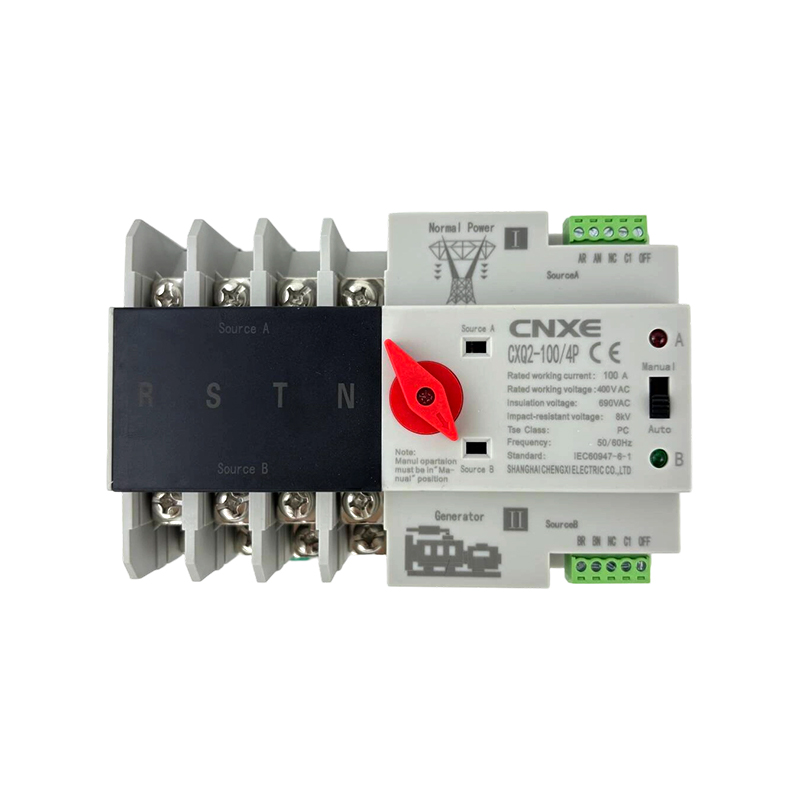
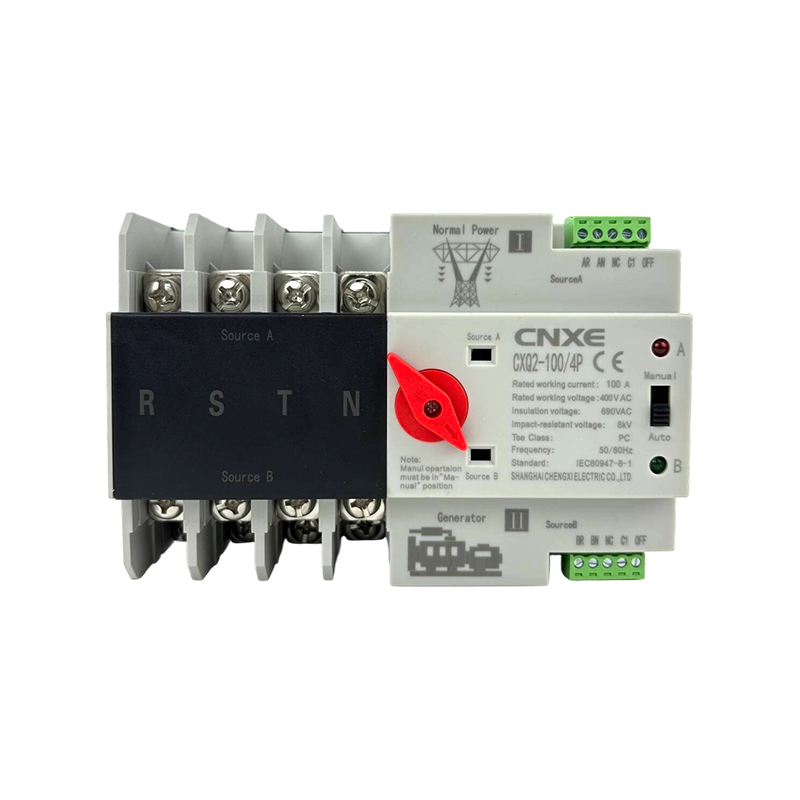
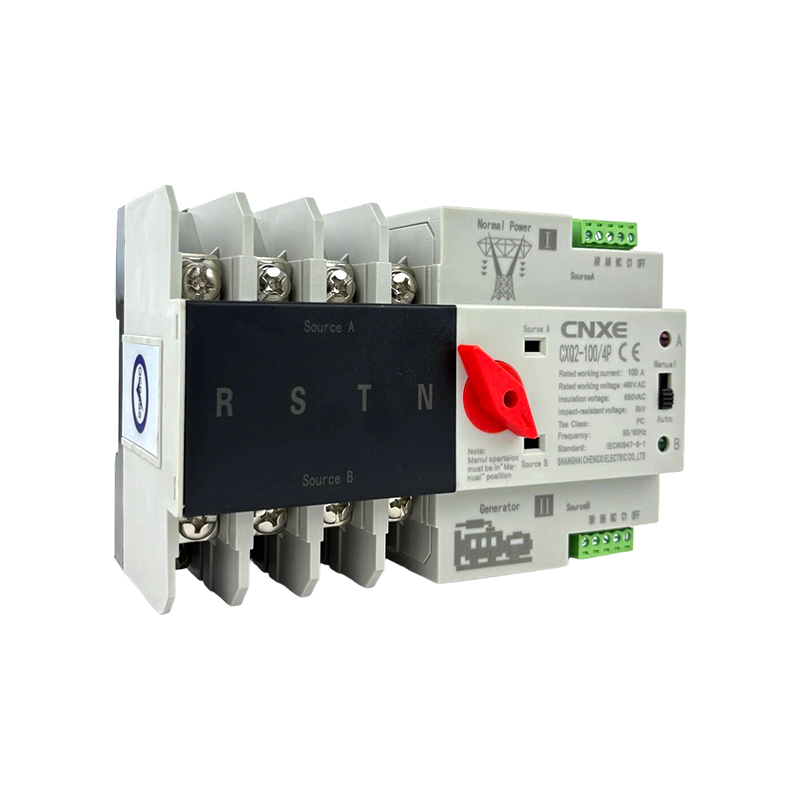
This is a dual power automatic transfer switch (ATS) used to automatically/manually switch between common power supply and backup power supply, ensuring continuous power supply to the load. Suitable for important scenarios such as firefighting, elevators, and medical facilities where power outages are not allowed.
Core functions
1.Auto Switch
When in the "Auto" mode, monitor the voltage/frequency of the commonly used power supply in real time. When the commonly used power supply fails (voltage loss, undervoltage, phase loss), automatically switch to the backup power supply; After the common power supply is restored, it will automatically switch back.
2.Manual switch
When in the "Manual" position, manually select "Common Power (A)", "Backup Power (B)" or "Off" through the red knob.
3.status indicator
Red light on: The current power supply is the common power supply (A);
Green light on: The current power supply is a backup power supply (B);
Icon identification: "Tower" represents common power supply (mains), and "Generator" represents backup power supply.
Precautions
Prohibit frequent switching (automatic interval ≥ 30 seconds, manual interval ≥ 10 seconds);
Regularly (quarterly) test the automatic switching function and check if the wiring terminals are loose;
Only applicable to the marked voltage/current range, to avoid overload.

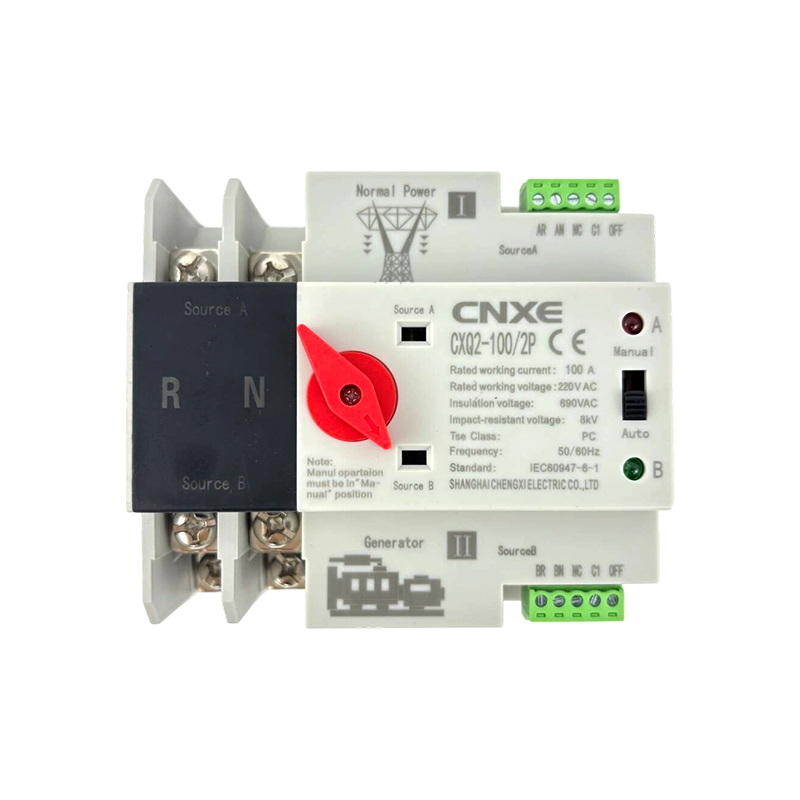
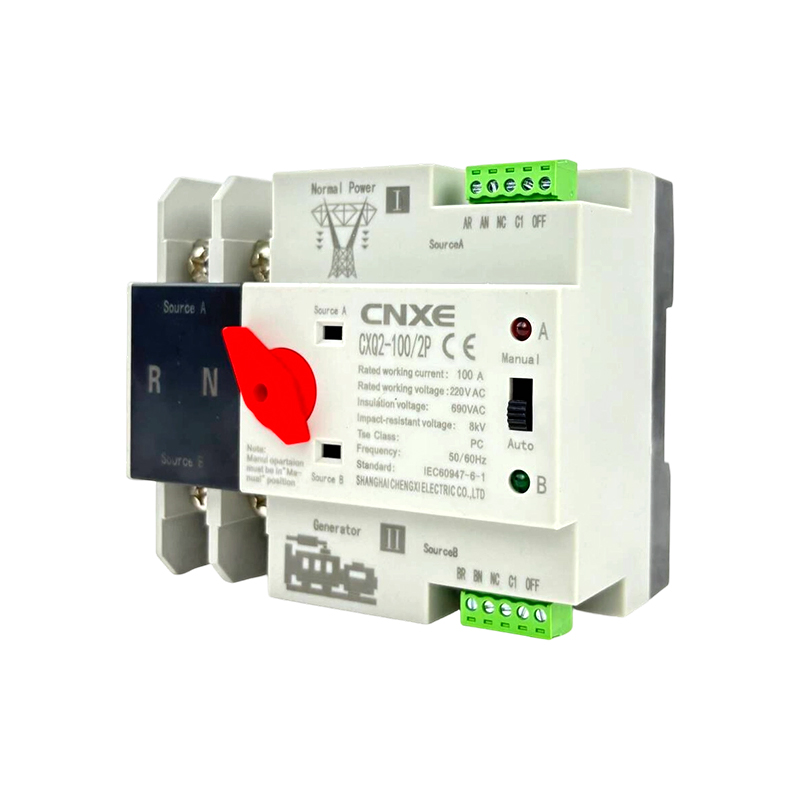
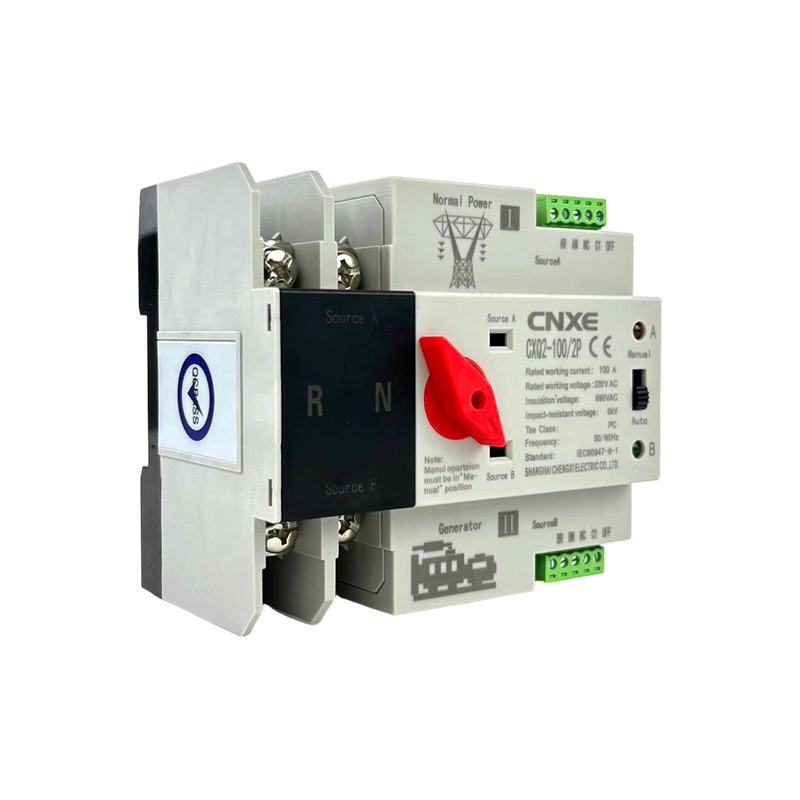
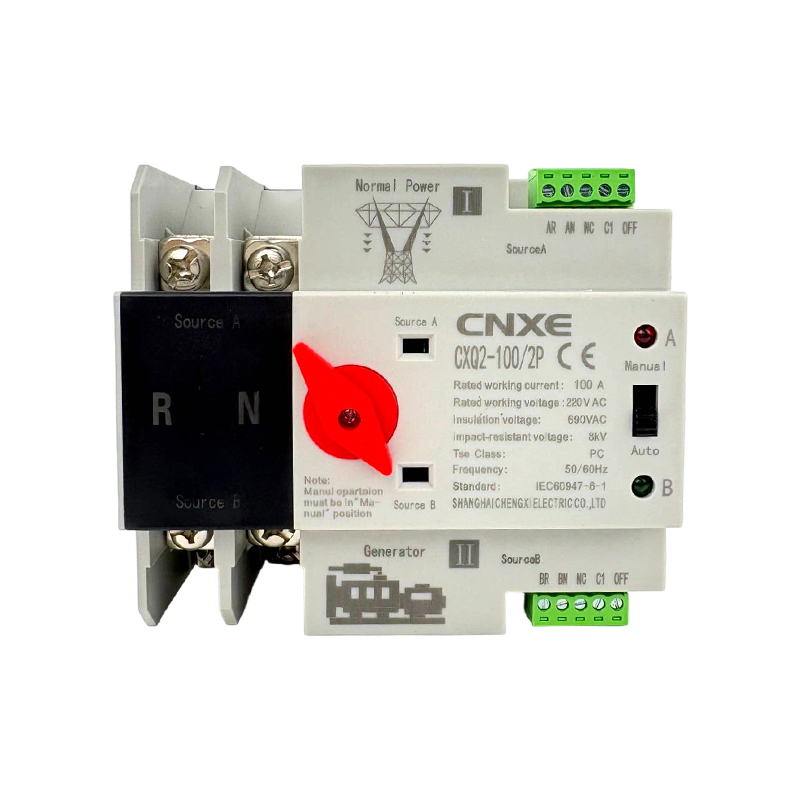
Automatic Transfer Switches are critical devices that ensure uninterrupted power supply to essential loads. Chengxi's CHQ3, CHQ1, and CHQ2 series products enable automatic or manual switching between the primary and backup power sources. These switches are widely used in environments with high demands for power continuity, such as hospitals, data centers, fire protection systems, and industrial production lines.
The products are categorized into CB-class (e.g., CHQ3 and CHQ1 series, featuring built-in circuit breakers for integrated protection) and PC-class (e.g., CHQ2 series, optimized for transfer performance and capable of withstanding higher short-circuit currents). With rated currents starting from 63A and above, they feature rapid transfer times to ensure seamless power transition for critical loads. Advanced intelligent control logic supports remote monitoring and is compatible with a variety of power sources, including utility power and generators.
The mechanical design is robust and durable, with long service life. All products comply with international standards for transfer switches. They are suitable for installation in enclosures under a wide range of ambient temperatures and low humidity conditions, offering protection ratings tailored for cabinet-mounted applications. The manufacturing process emphasizes transfer precision and stability testing, providing users with a reliable "zero power interruption" power switching solution.
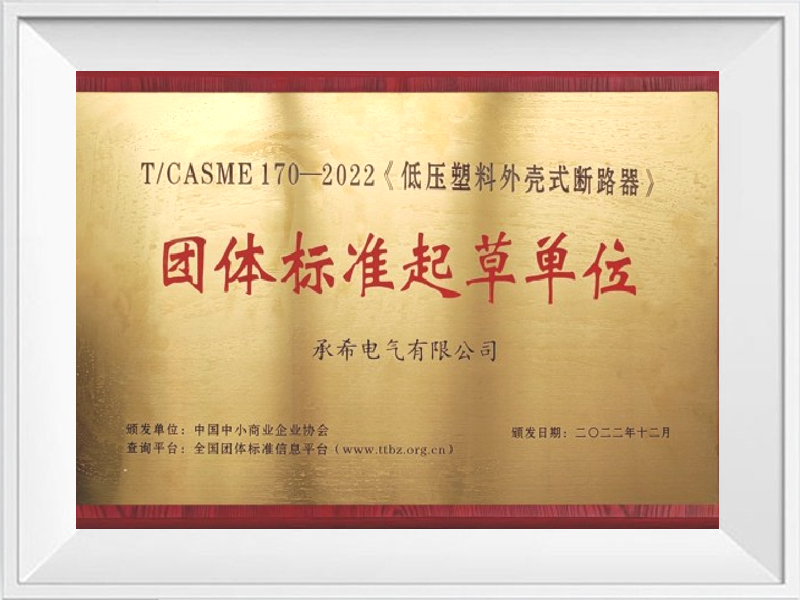
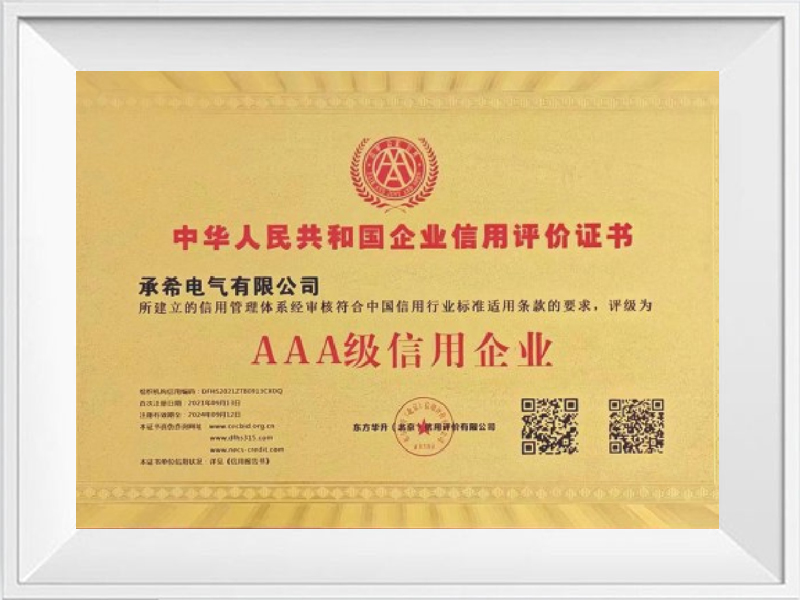
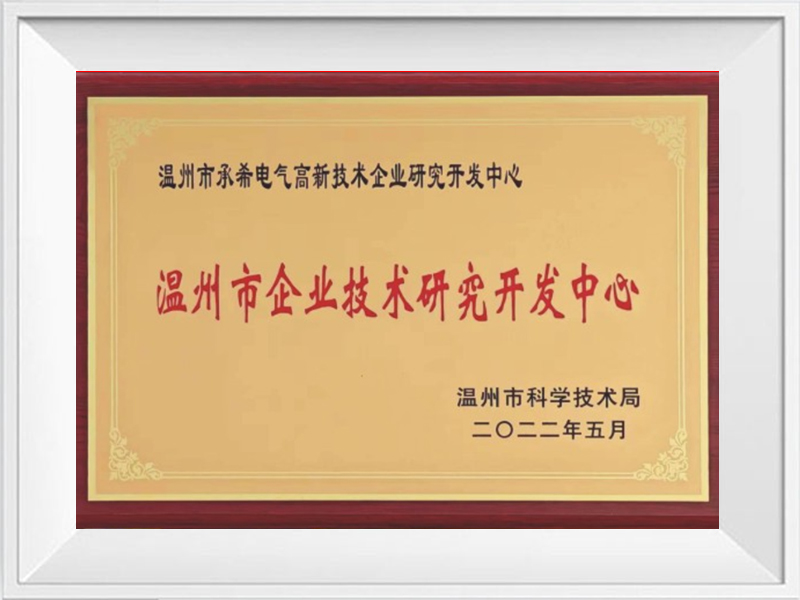
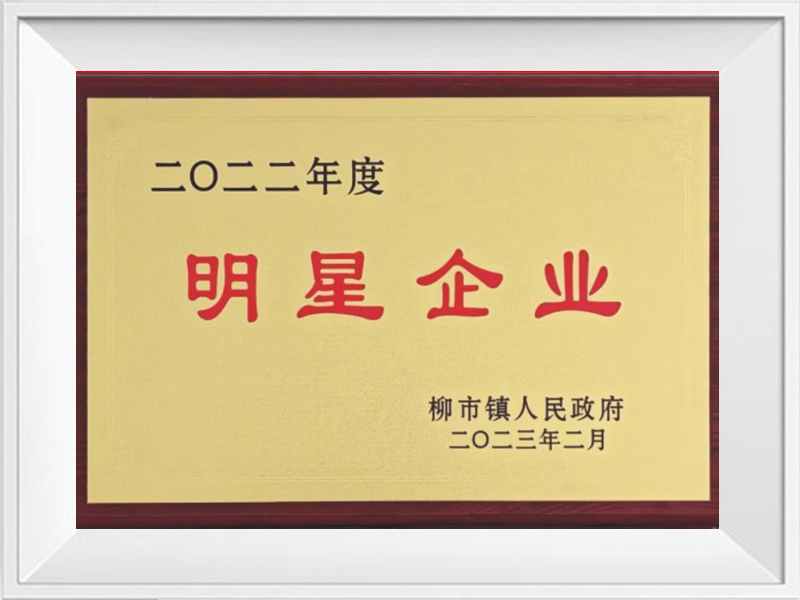
With renewable energy deployment accelerating globally, particularly in solar an...
View MoreFrom North America’s expanding solar corridors to emerging utility-scale project...
View MoreAcross international energy forums and professional engineering communities, dis...
View MoreAs global renewable energy installations continue to expand, grid stability and ...
View MoreAs power systems become increasingly complex and digitally monitored, operators ...
View MoreAn Automatic Transfer Switch (ATS) is the brain of a backup power system. Its core function is simple: to automatically transfer the electrical load from the utility power source to a generator when it detects a failure, and then switch back once utility power is restored. For anyone considering a backup power solution, understanding the advantages and disadvantages of an ATS is the critical step.
AdvantagesDisadvantages
Automatic OperationHigher Initial Cost
Provides seamless, uninterrupted power transfer without any human intervention. This is crucial for critical loads like medical equipment, security systems, and refrigeration.The ATS unit itself, combined with the cost of professional installation, represents a significant upfront investment compared to a manual solution.
|
Advantages |
Disadvantages |
|
Automatic Operation |
Higher Initial Cost |
|
Provides seamless, uninterrupted power transfer without any human intervention. This is crucial for critical loads like medical equipment, security systems, and refrigeration. |
The ATS unit itself, combined with the cost of professional installation, represents a significant upfront investment compared to a manual solution. |
|
Enhanced Safety |
Complexity and Maintenance |
|
Prevents "back-feeding," a dangerous situation where generator power could flow into the utility grid and endanger repair crews. The system ensures only one power source is connected at a time. |
As an electro-mechanical device, an ATS has moving parts and electronic components that can potentially fail. It requires periodic testing and professional maintenance. |
|
Convenience and Peace of Mind |
Potential for Single Point of Failure |
|
Ideal for unattended sites or for homeowners who are away during an outage. The system operates independently, ensuring power is restored even if no one is present to start the generator. |
If the ATS itself malfunctions, the entire automatic backup system is compromised. A manual bypass is often recommended to allow for service without losing backup capability. |
Ideal for unattended sites or for homeowners who are away during an outage. The system operates independently, ensuring power is restored even if no one is present to start the generator.If the ATS itself malfunctions, the entire automatic backup system is compromised. A manual bypass is often recommended to allow for service without losing backup capability.
Purchasing a dual power Automatic Transfer Switch is a significant decision that impacts the safety and performance of your backup power system. Before making an investment, it's essential to consider several key factors to ensure you select the right model for your needs.
You must determine the electrical load you need to support. The ATS must be rated to handle the total amperage of your critical circuits. Calculate the combined wattage of the appliances you wish to run during an outage (e.g., well pump, furnace, refrigerator, and some lights) to determine if you need a 100-amp, 200-amp, or larger switch. Mismatching the ATS and generator size can poor performance or tripped breakers.
Consider the transfer time. This is the brief delay between utility power loss and the ATS commanding the generator to start and transfer the load. While modern ATS units are fast, typically taking only seconds, some sensitive electronic equipment (like certain medical devices or high-end computing systems) may require a nearly instantaneous transfer. For these cases, you would need to look for a switch specifically designed with a very short transition time.
Decide on the power sensing type. ATS units can monitor single-phase or three-phase power. For virtually all residential applications, a single-phase ATS is correct. However, for commercial or industrial settings with three-phase equipment, a three-phase ATS is mandatory to properly monitor all phases for abnormalities.
Plan for professional installation. The installation involves working directly with your main electrical panel and utility connection, which is dangerous and requires a licensed electrician. They will ensure the ATS is wired correctly, safely, and in compliance with all local electrical codes, which often require a permit and inspection.
A home automatic transfer switch is a robust device, but like any electro-mechanical component, it is not immune to failure. When an ATS fails, it can leave you without backup power precisely when you need it more. The reasons for failure typically fall into a few key categories.
Contactor or Mechanical Failure: The core of an ATS is a set of contactors—electrically controlled switches that physically move to connect either the utility or generator power. Over years of operation, these contacts can wear down, pit, or weld together due to electrical arcing. The motor or solenoid that drives the switching mechanism can also fail from repeated use or seize up due to a lack of maintenance.
Coil Failure: The transfer switch's operation is initiated by an internal coil that creates a magnetic field to move the contacts. If this coil is exposed to voltage spikes from the utility grid (such as from lightning or power surges) or simply fails due to age and heat, it can burn out. A burned-out coil will prevent the ATS from receiving the signal to transfer, rendering it inoperative.
Control Board Malfunction: The "brain" of the ATS is its electronic control board. This board constantly monitors utility power and sends commands to the transfer mechanism. Power surges, moisture, dust, or corrosion can damage the sensitive components on this board. A faulty control board may not detect a power outage, may not send the start signal to the generator, or may get stuck in an error state.
Lack of Maintenance and Environmental Factors: An ATS installed in a harsh environment is more prone to failure. Dust and dirt can impede moving parts. Moisture can corrosion on electrical contacts and circuit boards. Insects or small animals nesting inside the enclosure can cause short circuits. Furthermore, if the ATS is never manually tested on a regular schedule (as recommended by manufacturers), these issues can develop unnoticed until an actual power outage occurs.
 The company is committed to providing high-quality electrical products and excellent customer service. We not only supply exquisite, top-tier products to meet your needs but also back them with a sincere and comprehensive after-sales service guarantee.
Contact Us
 +86-18067486879
 [email protected]
 281 Wei 15th Road, Yueqing Economic Development Zone, Zhejiang, China
Copyright © Chengxi Electric Group Co., Ltd. All Rights
Reserved

Home Power Transfer Switch For Sale




 English
  Français
  中文简体
中文简体  русский
  Español
  عربى
عربى